For many residents of India, the start of the day often includes a cup of milky tea, and breakfast is prepared with ghee. Lunch may contain cottage cheese and paneer, and Sunday meals often feature chicken curry. These ingrained dietary traditions are so deeply rooted in daily life that giving up all animal products can seem like a difficult choice.
However, for people transitioning to veganism, the changes go beyond simply replacing meat with vegetables. They require rethinking everyday ingredients—from milk and butter to honey—as well as making choices regarding clothing, cosmetics, and other goods.
Sarahana, who has been vegan since 2018, notes that alternatives exist for almost everything: one can make homemade cottage cheese from plant-based milk, use tofu instead of paneer, and utilize various almond or soy milks.
On Vegan Day, celebrated on November 1st, discussions cover not only the reasons for choosing veganism but also the process of adhering to this lifestyle. A vegan's diet can include dal, rice, roti, rajma, chole, idli, dosa, poha, upma, and vegetable dishes.
According to The Vegan Society's definition, veganism is a lifestyle that strives to exclude all forms of exploitation and cruelty towards animals, as much as possible and practically feasible. While a vegan diet excludes meat, fish, eggs, dairy products, and honey, the lifestyle also extends to products made from animals subjected to testing, as well as activities that use animals for entertainment.
For some, the decision is based on animal welfare; for others, it is due to environmental or medical considerations. However, the experience of Indian vegans shows that the transition involves not just changing diets but also transforming worldviews.
India has a long tradition of vegetarian cuisine, but veganism goes further by excluding absolutely all animal products, including milk, cottage cheese, ghee, paneer, and honey. According to World Population Review estimates, around 9% of India's population adhered to a vegan diet in 2021, which amounts to approximately 121.5 million people. The country also has a significant proportion of vegetarians, reflecting the diversity of culinary traditions.
Nevertheless, this figure should be viewed as approximate, as surveys on veganism often rely on self-reporting and vary in methodology.
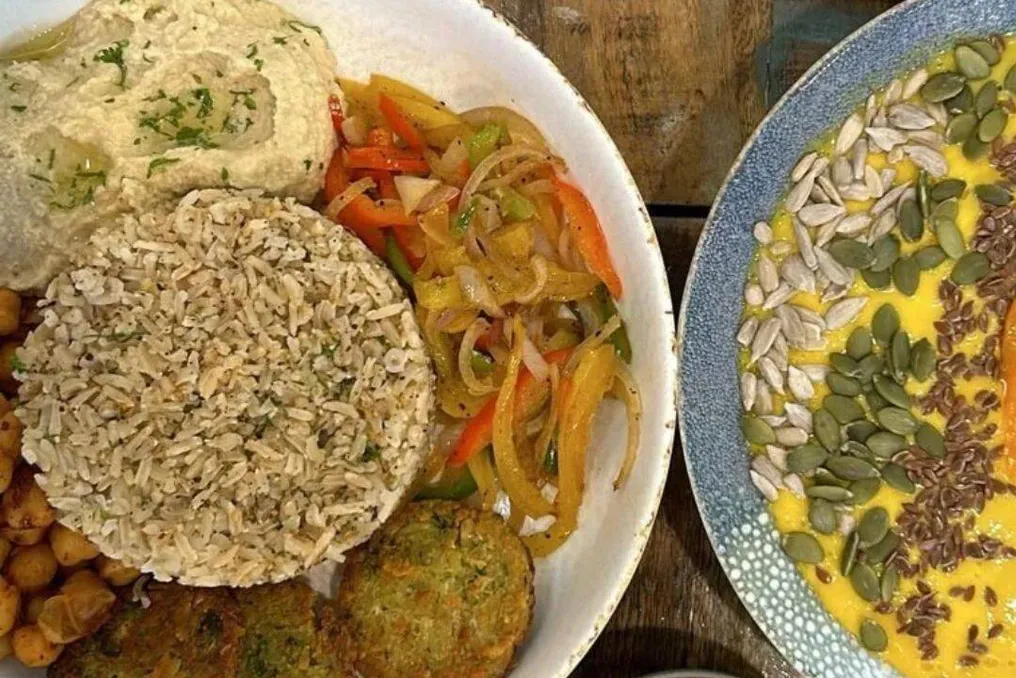
A vegan diet does not necessarily mean completely abandoning familiar Indian dishes or depending on expensive imported substitutes. Dal, rice, roti, rajma, chole, idli, dosa, poha, upma, and vegetable dishes can be part of a vegan diet provided they are prepared without animal ingredients.
Utkarsh Garg, a representative of People for the Ethical Treatment of Animals (PETA), states that his diet is a combination of familiar Indian dishes and plant-based alternatives. He shares that for breakfast, he usually eats a protein smoothie or oatmeal, but he doesn't mind a plate of poha, chole-kulche, or a large aloo paratha when the craving strikes.
For lunch and dinner, he prefers dishes made with tofu, soy, dals, rajma, and plenty of vegetables, mentioning his current interest in tempeh. Utkarsh notes that living without milk, paneer, cottage cheese, or ghee has become easy for him because many vegan substitutes are now available, many of which are surprisingly simple and inexpensive to prepare at home.
Sarahana emphasizes that she primarily relies on regular Indian food rather than packaged substitutes. Her daily diet is simple and Indian: dal, rice, roti, vegetables, chickpeas, rajma, seasonal produce, and various legumes. She believes that India has many foods that are naturally plant-based, and survival without dairy products does not require expensive imported alternatives or packaged vegan products.
It is important to understand that a vegan diet does not require a direct analogue for every non-vegan product; it can be built around naturally plant-based ingredients already widely used in Indian cuisine.
For Utkarsh, the decision was made in childhood after witnessing a chicken slaughter, which allowed him to connect the food on his plate with the animal from which it came. That day, he became a vegetarian, and later, a vegan.
He recalls always loving animals, and while other children watched cartoons, he was engrossed in National Geographic, fascinated by dogs, cats, cows, snakes, and almost all animals. As he learned about animal exploitation, vegetarianism proved insufficient, and his love for animals naturally led him to veganism. He says it is one of the best decisions of his life because it changed his view of the world.
The turning point for Sarahana was 2018, when she watched a video of a pregnant cow slaughter after it ceased to be productive for the dairy industry. Her decision stemmed from the question of why people consider themselves superior to other animals, why they love some animals, consider others family, and use third parties as food or entertainment.
Studying gender issues, Sarahana began drawing parallels between the exploitation of female bodies and the exploitation of females in the dairy industry. She questions how one can study feminism and patriarchy while continuing to support an industry that constantly breeds females, takes their offspring, and exploits their reproductive systems.
Belonging to the Dalit community, Sarahana views veganism through the lens of social justice, questioning how societies define the value of different lives. She notes that we welcome cats and dogs into our homes as family, but treat chickens, goats, and buffaloes as food, creating categories of animals worthy of love and animals that can be exploited.
A common misconception is that veganism is an expensive lifestyle, as plant-based milk, meat substitutes, and other packaged alternatives can cost more than traditional products. However, both Utkarsh and Sarahana assert that a vegan diet should not depend on these products.
Utkarsh points out that many staple Indian foods are plant-based. He believes that India is one of the easiest places for vegans because most familiar and beloved food is either naturally free of animal products or can be veganized with minimal changes. He gives examples such as dal, rajma, chole, idli, dosa, poha, upma, roti, sabzis, rice dishes, and many regional dishes.
Sarahana agrees that the social, rather than financial, aspect is often the bigger problem. She says that traditional Indian food already contains many affordable plant-based options, and packaged alternatives become expensive, not the basic diet. The main difficulty is social pressure, as at family gatherings or in conversations, one constantly has to explain why they do not consume what is considered normal by others.
Veganism is often associated with improved health, but a plant-based diet is not automatically balanced. Its nutritional value depends on the included foods and adequate intake of necessary nutrients. Dr. Gousia Aziz, a consultant and head of nutrition and dietetics at SPARSH Hospital, Yelahanka, asserts that a well-planned vegan diet can promote cardiovascular and metabolic health.
Studies show that plant-based diets rich in fiber, antioxidants, and unsaturated fats can help lower LDL cholesterol levels, improve blood pressure, and maintain a healthy weight, as well as reduce the risk of developing type 2 diabetes. Nevertheless, she cautions that claims that veganism automatically prevents cancer, reverses chronic diseases, or guarantees a long life are exaggerations; results depend on the overall quality of the diet, lifestyle, and individual health status.
The key challenge is ensuring nutrient requirements. Special attention must be paid to Vitamin B12, iron, calcium, Vitamin D, iodine, zinc, omega-3 fatty acids, and protein. Vitamin B12 is particularly important because reliable natural plant sources are scarce, so fortified products or supplements may be required.
Aziz recommends a varied diet that includes whole grains, legumes, vegetables, fruits, nuts, and seeds, along with appropriate supplementation and regular health check-ups. Utkarsh confirms that he monitors his nutrition closely and takes Vitamin B12 supplements. He notes that B12 supplements are available in pharmacies.
The PETA representative adds that he noticed reduced bloating after switching to veganism and feels healthier, but insists on the importance of meal planning. Aziz also warns that highly processed vegan products are not always healthy, as packaged snacks, meat substitutes, and desserts can contain high amounts of sodium, refined carbohydrates, added sugar, and saturated fats. She advises favoring minimally processed foods and checking labels.
Aziz emphasizes that children, pregnant women, and the elderly have specific needs that require careful consideration before transitioning to veganism. During childhood, energy, protein, calcium, iron, Vitamin B12, and Vitamin D are needed for growth. Pregnant women need sufficient folate, iodine, choline, and omega-3 fatty acids to support mother and fetus. The elderly should prioritize protein, calcium, and Vitamin D intake to maintain muscle strength and bone health. Vitamin B12 supplements are especially important for all these groups. Dietitian Aziz also advises consulting a qualified nutritionist or healthcare professional before making significant dietary changes.