South African company built laboratory complex for rural school in Zimbabwe in 14 days
Read more
IOL
iol.co.za

South African company built laboratory complex for rural school in Zimbabwe in 14 days

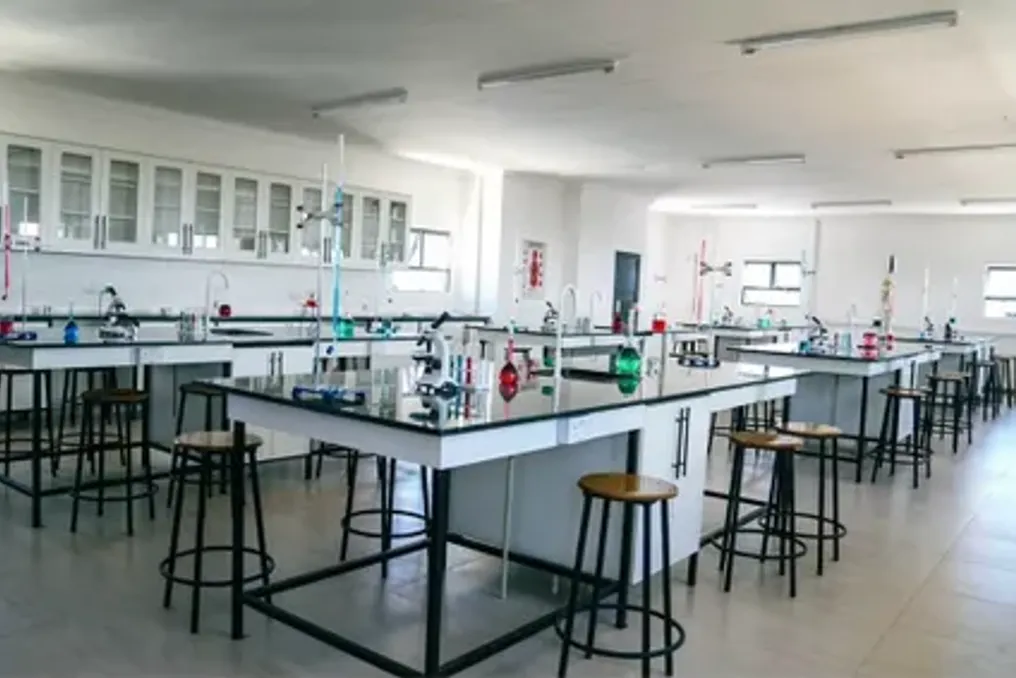
A South African company completed the construction of a fully equipped science laboratory at a rural secondary school in Zimbabwe in just two weeks. This initiative aims to improve access for hundreds of students to practical scientific education.

The facility is located at Sojini Secondary School in the village of Mbembesi, near Bulawayo. The official handover of the laboratory took place on Saturday, October 31, thanks to the efforts of businesswoman Zodwa Mkandla through her foundation.

The South African company Afribiz Invest was responsible for building the laboratory. It will provide students with access to practical scientific equipment, which is often more accessible in better-funded urban schools.

This project has the potential to expand opportunities for students interested in careers in fields such as medicine, engineering, and science.

Event and Support

The opening ceremony was attended by a senior delegation of Zimbabwean government officials, including the Minister of Primary and Secondary Education, Torerai Moyo. The event was held under the auspices of the First Lady's Office, Dr. Axillia Mnangagwa.

The project also holds personal significance for Mkandla, as she herself studied at Sojini Secondary School before returning to invest in educational opportunities for children from the local community.

Through the Zodwa Mkandla Foundation, the initiative extended beyond the construction of the laboratory: 200 food parcels, blankets, and wheelchairs were distributed among elderly residents in need. Additionally, about 400 female students received sanitary pads.

The collaboration between the foundation and Afribiz Invest demonstrates the importance of private sector involvement and philanthropic programs in supporting resource-limited communities.

Although the laboratory construction took only two weeks, its long-term value will depend on how effectively it is used to provide practical experience and strengthen science at this school.

Similar stories

UN and African Union Representatives Call on Africa to Accelerate Agricultural Innovation Adoption
Read more
cgtn.com

UN and African Union Representatives Call on Africa to Accelerate Agricultural Innovation Adoption

Officials from the United Nations and the African Union have called on African countries to intensify the use of science and technology in the agricultural sector. The goal of these measures is to increase productivity, strengthen food reserves, and enhance the resilience of agri-food systems.

This call was made during the opening of the Africa Science and Innovation Forum in Addis Ababa, Ethiopia. The event gathered stakeholders to discuss how innovation can contribute to the transformation of the continent's agri-food systems.

Abebe Hailu Gabriel, Deputy Director-General of the Food and Agriculture Organization of the UN and its Regional Representative for Africa, noted that technologies such as artificial intelligence can help farmers improve yields by converting complex agricultural information into timely and practical solutions.

He warned that the growing innovation gap leads to increased production costs and reduced product quality, jeopardizing food security, processing, and farmers' ability to meet market demands. Furthermore, it weakens the sector's potential to withstand climate shocks.

Hailu Gabriel strongly recommended that African governments reinforce their commitments to transforming agri-food systems with consistent funding, clear division of responsibilities, and measurable goals, warning that declarations will be ineffective without concrete actions and accountability.

Moses Vilakati, the African Union Commissioner for Agriculture, Rural Development, Blue Economy and Sustainable Environment, stated that the priority is ensuring that proven innovations can be implemented on a wide scale with the support of sustainable financing.

Vilakati emphasized: 'The problem before us is no longer about commitments, but about implementation,' urging the transformation of ambitions into actions, and plans into tangible improvements in people's lives through the use of science, technology, and innovation to strengthen food supply.

The three-day forum is expected to examine how science, technology, and innovation can create more productive, sustainable, inclusive, and viable agri-food systems, and to develop a regional roadmap for implementing existing commitments.

Durban Robotics Champion Teen Launches Free Coding Lab for Children
Read more
iol.co.za

Durban Robotics Champion Teen Launches Free Coding Lab for Children

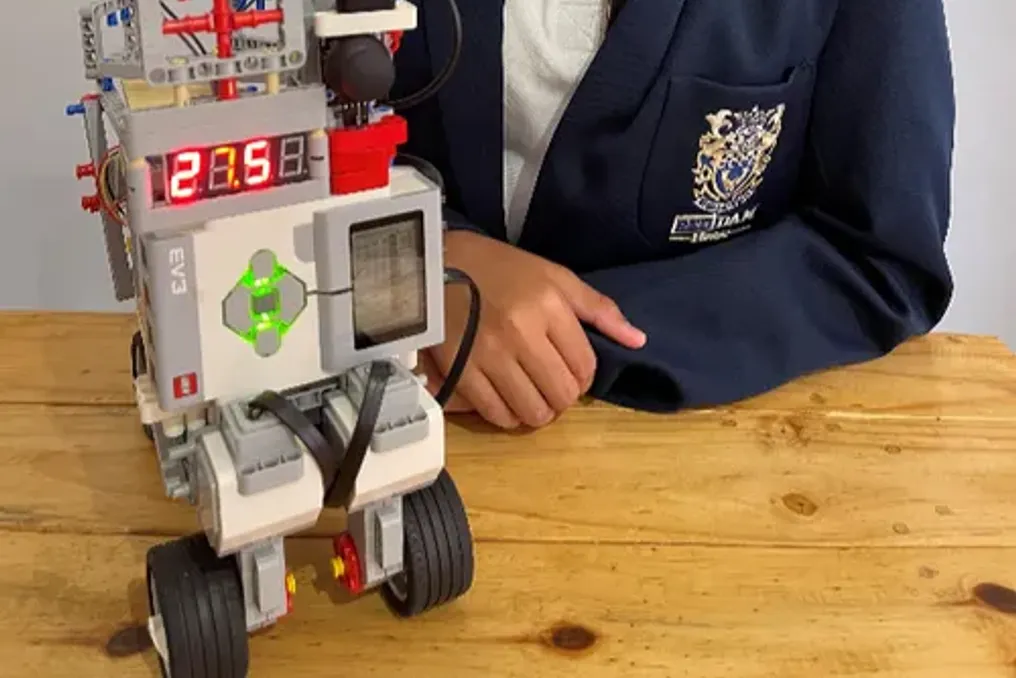
At the young age of 14, Sinead Samputh demonstrates that technology and community engagement can go hand in hand. As a 9th-grade student at Reddam House Umhlanga, Sinead has merged the fields of robotics and grassroots education, directing her award-winning technical talent toward supporting the next generation of young innovators.

Her interest in technology arose early, and she has completed over 200 hours of programming training while continuously refining her skills in robotics. Sinead founded BAYMIN LABS—a youth-led, free coding initiative designed for children aged nine to thirteen.

Working with The Seed Fund, a non-profit organization that supports families in the informal settlement of Malakka Road in Durban, she introduces children to the basics of coding. This project emerged after Sinead won first place in her age group at the global inter-school robotics competition Inspired Builds by Inspired Education Group, using a BAYMIN robot that assisted in basic medical screening.

Sinead stated: 'The solution can change a moment. The ability to solve can change a life. I truly wanted not just to solve other people's problems, but to give young people the opportunity and skills to create their own solutions.'

Building on her previous success, Sinead won in her age category at the global Inspired robotics competition with the BAYMIN AIR prototype. This prototype, inspired by influenza, uses sensors and LED indicators to monitor air quality and display environmental risk levels in places such as schools and hospitals.

After developing a six-week coding curriculum, she raised 13,650 rand from corporate donors to purchase three Samsung tablets and protective cases. Through her volunteer work at The Seed Fund's homework club, she collaborated with the organization, teaching local children the visual programming language Scratch, which is used to create animations, stories, and interactive projects.

She initially started working with nine students in the 3rd and 4th grades, many of whom had no prior knowledge of coding. She is now teaching older children, helping them gain confidence in experimentation, making mistakes, and finding their own solutions. Sinead plans to continue moving younger children into advanced classes and eventually into high school, which will be located within the same community, with The Seed Fund.

She noted that 'this will continue in higher grades, and I think they will have a greater impact because, obviously, when they get older, they will have more opportunities.'

Sinead runs BAYMIN LABS on Saturdays and hopes to expand the program to other underserved communities, ultimately creating BAYMIN Academy—a paid coding course that will help fund the free community initiative. She emphasized: 'I don't want to win if winning means leaving others behind. The greatest journey is where we rise, learn, and change the world together.'

In the future, Sinead aims to combine medicine and coding to become a neurosurgeon and biomedical engineer. Her mother, Joanna Samputh, expressed immense pride in Sinead's achievements and plans, noting that what began as a simple requirement for school community service has turned into a deep passion for teaching coding to children. Joanna Samputh said: 'It was amazing to see how she moved from the initial plan to the point where she made the decision herself.'

Shelly Perringe, head of Reddam House Umhlanga College, also expressed pride in Sinead, noting that she utilizes every opportunity to support the less fortunate and always seeks ways for her passion for robotics and coding to serve a higher purpose.

Curiosity Cube™ Program Inspires Future Scientists in Eastern Cape Through Hands-on Science Learning
Read more
iol.co.za

Curiosity Cube™ Program Inspires Future Scientists in Eastern Cape Through Hands-on Science Learning

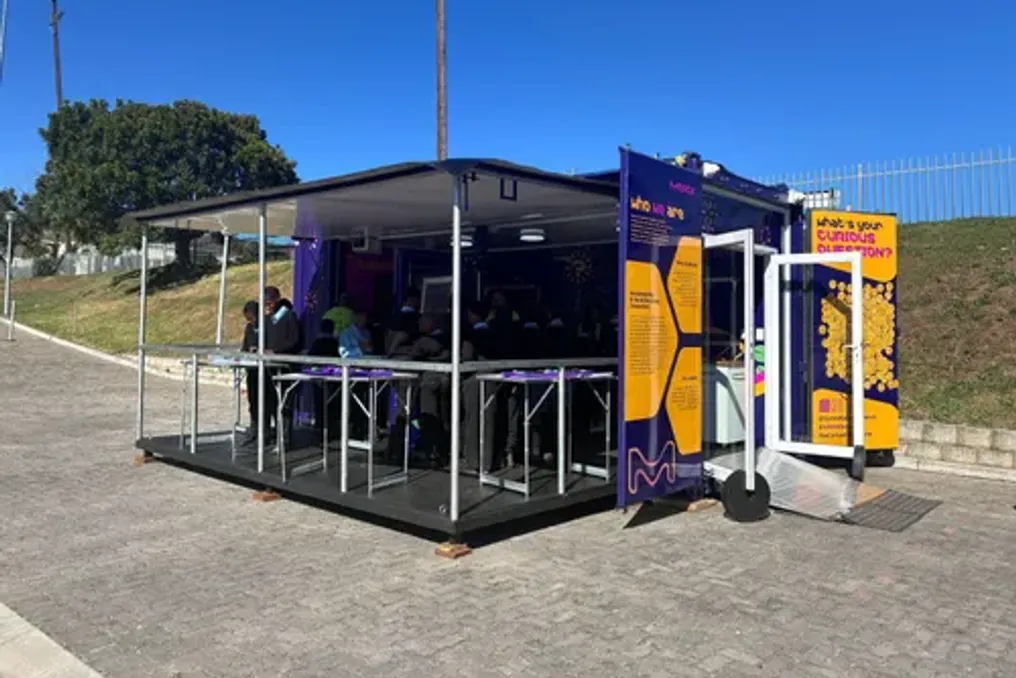
In August and September 2478 students from eighteen schools participated in the program, becoming 'scientists for a day.' They worked alongside staff from Merck and partner volunteers from Rhodes University, as well as from the Nelson Mandela Science and Technology Centre in Cariega.

This event was part of the international Curiosity Cube™ tour by the science and technology company, which aims to transform curiosity into scientific careers. The mobile science laboratory Curiosity Cube™ is conducting its second consecutive year in South Africa, and the Eastern Cape is just one of 126 planned stops this year.

Students from various schools in the Eastern Cape underwent three interactive experiments to learn the basics of synthetic biology. This involved using educational gadgets such as Cubelets and magnetic puzzles, allowing them to explore the relationship between enzyme shape and biological processes, the influence of genetic code on traits and behavior, and how gene activation and deactivation enables scientists to create solutions for real-world problems.

All experiments were conducted by Merck staff and volunteers from Rhodes University (Makhanda) and the Nelson Mandela Science and Technology Centre (Cariega), enabling students to interact with scientists working in their own communities and sharing opportunities in STEM.

Jennifer Mohale, Curiosity Cube™ Coordinator at Merck, noted that the experiments demonstrated to the students how concepts of synthetic biology manifest in the real world. She added that these lessons can help shape the future of students by introducing engineering principles and potential careers in life sciences in growing sectors such as medicine or healthcare.

The Curiosity Cube™ initiative aims to awaken interest in STEM careers and remove educational barriers. According to a Merck survey, nearly half (48%) of schoolchildren aged 8 to 13 find it difficult to see themselves as scientists, even if they engage in STEM-related activities daily.

The World Economic Forum indicates that an additional 23 million STEM graduates will be required by 2030 to fill vacancies in these developing fields. To meet this demand, early intervention is necessary: students, especially those aged 8 to 13, need significant experience and relatable role models to envision a future in STEM.

By providing access to STEM education in an engaging and memorable format during a critical period of student life and education, Curiosity Cube™ helps them make this connection, thereby contributing to the development of a strong future workforce in science and technology.

One sixth-grade student shared their impressions after visiting Curiosity Cube™: 'Curiosity Cube™ was a lot of fun, and I learned so much from the scientists. I want to be a natural science teacher when I grow up because you learn so many new things that make you smart, and you can share what you've learned.'

Only in 2025 have 2069 Merck staff volunteers and university partners helped teach 56,035 students worldwide the basics of artificial intelligence using Curiosity Cube™. Previous Curiosity Cube™ tours have also covered topics such as sustainable development, contamination, and the human microbiome.

Curiosity Cube™ is part of Merck's global volunteering program, SPARK™, which celebrates its 10th anniversary this year, and continues the company's Curiosity Labs™ program, where staff conduct practical experiments with students in classrooms.

To date, Merck employees have contributed over 196,800 hours through SPARK™, conducting more than 6,500 events in 48 countries and engaging over 613,400 students.

Besides South Africa, Curiosity Cube™ has visited Botswana, Eswatini, and has newly expanded into Zambia, Lesotho, and Namibia.

In its fifth annual European tour, Curiosity Cube™ will stop in Austria, Belgium, Czech Republic, France, Germany, Ireland, Italy, Netherlands, Spain, Switzerland, and the United Kingdom, and will also visit new locations in Poland, Serbia, and Slovakia.

The lab will also tour the USA and Canada, holding 133 events in cities such as Austin, Boston, Cleveland, Durham, Houston, Kansas City, Milwaukee, New York, San Diego, San Jose, St. Louis, and Toronto.

Since its founding in 2017, over 286,000 visitors from 20 countries in North America, Europe, and South Africa have visited Curiosity Cube™.

Adela Madari, Curiosity Cube™ Coordinator at Merck, stated: 'You can see the confidence of the students growing with each station. They discover that they belong here, and that their ideas matter. Learning science is just the beginning.'

To learn more about upcoming tour stops, visit TheCuriosityCube.com or follow the journey on Instagram using the hashtag @curiositycube_merck. Merck's Life Science business operates through MilliporeSigma in the United States and Canada.
Popular