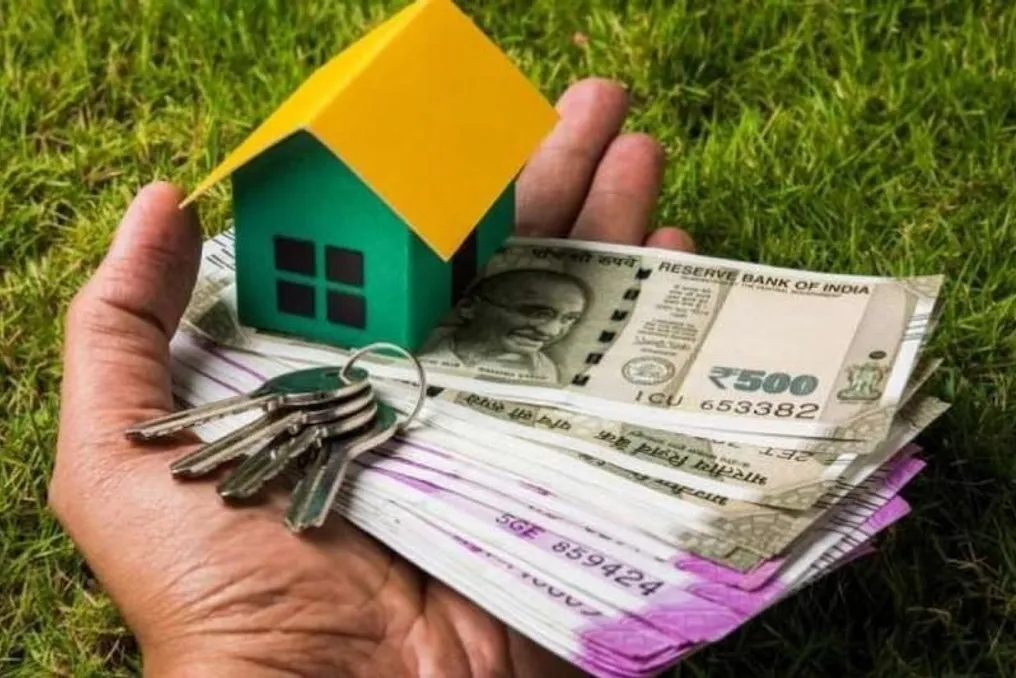
Real estate magnate Niranjan Hirandandani issued a serious warning regarding the housing sector in India. He stated that finding affordable housing in the country has become extremely difficult. He attributed this to the rising cost of land, increased construction expenses, and government levies, which make homes inaccessible to ordinary buyers.
Hirandandani also warned that if immediate policy intervention is not made, this crisis could worsen in the coming years. In one interview, he noted that the industry's inability to provide affordable housing is turning into a serious economic and social problem.
When asked about affordable housing, he asserted that the 'affordable housing' segment has virtually disappeared; he emphasized that there are no homes available for purchase for 50 million rupees or less. He explained that the combination of land costs, construction expenses, development charges, and government payments makes homeownership impossible, calling this segment a source of problems that will ultimately be paid for by the government and the industry.
According to the Economic Review for 2025–26, in 2025, the share of homes priced under 50 million rupees in India's eight largest cities will account for only 17% of the total new supply, compared to 52.4% in 2018. These figures indicate a continuous shift in demand towards more expensive properties.
Hirandandani pointed out that taxes imposed by the government are one of the main reasons for the increase in real estate prices, leaving developers with very few opportunities to lower housing costs. He cited an example from Mumbai where a house priced at 40 thousand rupees per square foot is first taxed at 20 thousand rupees, which goes to the government. He clarified that these charges include stamp duty, labor contributions, and other development-related costs incorporated into the final sale price of the property. He stressed that these are official costs, not unofficial ones, and is prepared to provide relevant documentation.
In Hirandandani's view, reducing these levies will be difficult because governments rely on real estate revenue to fund public infrastructure. He added that lowering these payments is currently unfeasible, as governments consider collecting these funds necessary for implementing projects such as metro systems or road construction, and do not plan to reduce them. A reduction in the stamp duty rate and the assessor's rate is also not expected.
The expert warned that rising land prices, regulatory costs, and inflationary pressure could further complicate home acquisition. He noted that the combination of increasing land costs, higher fees across the board, and inflation—driven by factors like Mr. Trump—will make housing even more expensive. Analyzing the decline in the share of affordable housing in the overall sales volume, he predicts a further deterioration of the situation in the coming years.
The real estate magnate also opposed the trend of placing sole responsibility for this issue on developers. He acknowledged that the initial blame placed on builders was justified but noted that this accusation has limits. Hirandandani insists on the necessity of developing a large-scale policy involving governments, financial institutions, and private developers. He strongly urged the government to find a solution as soon as possible, otherwise, the situation will become a serious problem. He concluded that the country cannot continue on its current trajectory, warning that ignoring the issue of housing affordability could have consequences far beyond the real estate sector.