Dubai restaurant offers Africans a taste of home
Read more
IOL
iol.co.za

Dubai restaurant offers Africans a taste of home

In a bustling restaurant in Deira, Dubai, the sounds of conversations mix with the noise of cutlery and a football match on TV. Patrons lean across tables to chat, laughter rings out over the din, and friends exchange familiar pleasantries during dinner, meetings, or while watching a game.

Some customers order dishes from Côte d'Ivoire that remind them of their childhood, while others have traveled from different parts of Africa to enjoy this cuisine. The restaurant Guissi Plaza, known by its patrons as Chez Maestro, often becomes a place to spend time with people who understand what it is like to live far from home.

For businessman Fatiga Ibrahim, the restaurant has become a sanctuary where he can find companionship. When he wants to have dinner with his family, he comes here. He watches football, jokes, and chats with other Africans living in the United Arab Emirates.

Ibrahim notes: 'Of course, we gather together like a family, as if we were in Africa. Look at these young people here. We watch football together and laugh together. It reminds me... When I am here, it feels like I am home, like I am with family.'

For Ibrahim, the appeal of the establishment goes beyond cuisine. The restaurant allows him to meet new people and build relationships despite living outside his country.

At Chez Maestro, relationships are built around Ivorian cuisine and the restaurant owner, Aminata Kamara. Kamara has lived in Dubai for six years. She moved here with her husband, who settled in the emirate for football. As their lives developed, the couple discovered that among the Ivorian residents in their community, there were few options for enjoying their familiar food, even with restaurants serving other West African dishes.

Initially, they started cooking and delivering food on order. When orders surged, the couple saw an opportunity to open a restaurant where guests could sit down and eat. Kamara's husband suggested this idea, as he came for football and later considered catering due to the growing number of Ivorians. Although there were Malian restaurants in the city, there were no Ivorian ones. So, they started with a home business, and seeing the growth in their customer base, he decided to open a full-fledged restaurant.

African culture is not limited by national borders nor does it change when people migrate abroad. When Africans settle in other countries, they bring their food, culture, and languages with them, creating opportunities to connect with people outside their own national community.

Kamara took over the daily management of the restaurant while her husband continued playing football and participating in other events. The venue quickly became a physical place where consumers could gather, eat, and network.

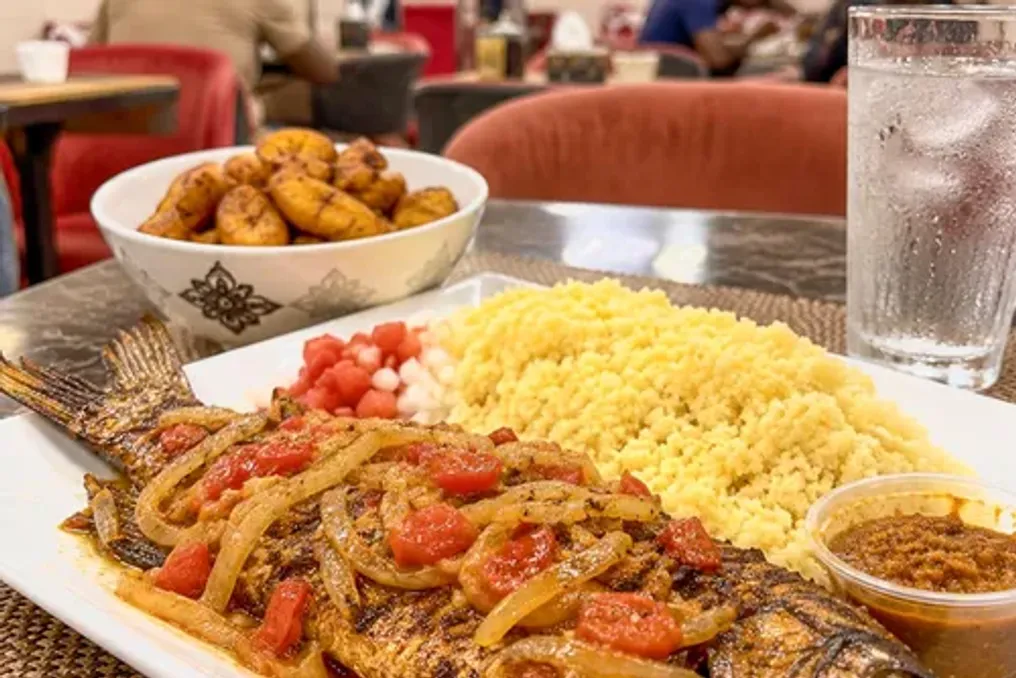
The menu is largely based on Ivorian culinary heritage. Kamara mentions dishes such as garba, placali, and foutou banane, which remind customers of home. Garba, made from attiéké and fried tuna, is particularly popular among the restaurant's broad audience.

This experience reflects a broader reality for Africans who move abroad for work and other opportunities. The African Union estimates that 4.7 million African migrants resided in the Gulf Cooperation Council countries by 2024. Their experiences vary, but for many, maintaining a connection to home involves discovering familiar food, languages, and communities in a new environment.

Kamara found that consumers from neighboring countries, such as Guinea and Mali, love her cooking. People arrive with different culinary traditions, but the same dish can bring them all to the same table.

She notes: 'The dish that most evokes memories of home is especially garba, placali, and foutou banane. But surprisingly, I can say that people from all these countries, whether from Guinea or Mali, seem to love garba even more than us.'

The popularity of these dishes has allowed Ivorian cuisine to spread beyond its original population. Customers can choose dishes from their traditions while learning about the traditions of their neighbors. The restaurant becomes a hub of cultural exchange through everyday decisions, such as ordering, shared consumption, and what to reorder.

Chef Adelaïde Tagbo uses her work to stay connected to her cultural roots. Cooking familiar food in Dubai allows her to continue utilizing talents rooted in her own culinary traditions.

She believes: 'Cooking African food in Dubai, yes, I can say it is a way for us to preserve our culture because, first of all, we are from Côte d'Ivoire, we are abroad. So we are really trying to use our skills abroad. In that sense, it is preserving our culture.'

Her perspective adds a new dimension to the establishment. While customers find comfort in the food, those who prepare it continue a tradition that links their life abroad with their home countries. Cuisine is part of their working life, but it also brings traditions into a new context.

Kamara reports that the restaurant's clientele hails from various African nations, including Burkina Faso, Mali, Ethiopia, Madagascar, Comoros, as well as Côte d'Ivoire. Some interactions that occurred there extended beyond the restaurant, as customers and staff became friends who became part of their daily lives in Dubai.

She emphasizes: 'Of course, this place has become a meeting point for the African community. Many people gather here. I think you have seen it yourselves: it is not just Ivorians. There are Burkinabés, Malians, even Ethiopians, Malagasy, Comorians, and everyone gathers here. We ourselves have met people who became like family. Everyone gathers together; it's like we've come home, right?'

The African Union views the diaspora as an integral part of the continent, encompassing people of African descent living outside Africa. However, casual interaction and long-term relationships shape a sense of belonging abroad. At Chez Maestro, these bonds are formed over shared meals, football matches, and conversations between people whose paths might otherwise never have crossed.

The restaurant does not replicate life in Côte d'Ivoire nor does it erase differences between visitors. Instead, it provides a space where people can integrate aspects of their home lives into the communities they create in Dubai. At Chez Maestro, a dish from Ivorian cuisine can spark a discussion, friendship, or an evening spent watching football. Thousands of kilometers from the continent, the restaurant gives visitors the chance to share familiar tastes while forging new connections with each other.

}, {

Similar stories

How Dubai assists inmates and their families: Housing support and family reunification
Read more
www.khaleejtimes.com

How Dubai assists inmates and their families: Housing support and family reunification

Jamila Al Zaabi, former director of the Dubai police women's prison, spoke about instances where inmates received support for housing payments and educational expenses, as well as confidential education for children whose families were separated by incarceration.

According to Al Zaabi, families of inmates in Dubai may qualify for assistance with rent and school fees if household circumstances warrant it. This support is provided on an individual basis, as it is not an automatic right for every family, and its goal is to prevent the sentence from becoming a heavy burden for relatives outside the prison.

In an interview with the ArabCast podcast, hosted by Ahmed Al Zarani, Al Zaabi described her approach, emphasizing the practical and emotional work required to maintain kinship ties. This includes protecting a child's confidentiality at school and arranging surprise meetings with parents.

It is stated that the humanitarian aid unit assesses the inmate's needs from the moment of admission. The file reviews the situation of the entire family, including children at school, before the committee decides whether assistance with rent or fees was appropriate. Al Zaabi noted that the committee can deny aid if it is determined that the circumstances were deliberately created. She explained the principle of family support, stating: 'You are not here to punish her family; you are here to reform her so that she benefits her family.'

The former director also recalled measures taken to allow the children of female inmates to attend private schools without attracting undue attention. According to the description, the children began their education around age four. Instead of using a school bus, which could reveal their place of residence, staff used a special vehicle. Nannies accompanied the children to school and carried their bags. Al Zaabi stressed that the vehicle did not have police license plates or a police logo, which was done to protect the children's privacy.

The director reported that the aim of these measures was to ensure that the children did not feel different from their classmates simply because one parent was in prison. Regarding the legal framework, Federal Decree-Law No. 34 of 2024 establishes important guidelines for younger children, allowing an incarcerated woman to keep a newborn with her until the child reaches two years of age; after that, the child is handed over to a guardian or care provider, or placed in a foster home if that is not possible. The mother must be informed of the child's whereabouts and have the opportunity for regular contact with them.

Al Zaabi cited the example of a woman who trafficked drugs after being offered money, using an advance payment to cover rent before traveling to Dubai. She was sentenced to about ten years in prison. After initial shock, the mother tried to contact a friend but found the phones were turned off. After several years of effort, diplomatic contacts organized by the Dubai police revealed that the friend had taken the girl to an orphanage. This institution later closed, and the children were moved elsewhere. The mother, as quoted by Al Zaabi, said: 'I don't need anything, I just want to know where my daughter is.'

In another case, Al Zaabi recounted a woman serving a long sentence who had not seen her parents for about fourteen years before going to prison. Staff contacted the parents and brought them to the facility without informing the daughter. She was called to meet with the manager, expecting to be reprimanded, but then saw her parents entering. Al Zaabi shared this memory of an unexpected reunion: 'She became a child again in the arms of her mother and father.'

Ten Ways to Experience South African Culture Beyond the Beach Holiday
Read more
iol.co.za

Ten Ways to Experience South African Culture Beyond the Beach Holiday

As summer arrives, South Africans begin planning their holiday adventures. While beach days and barbecues remain beloved pastimes, there are numerous other places to discover across the country.

South Africa offers a rich cultural experience that invigorates its creativity and culture, encompassing modern art, ancient kingdoms, local cuisine, fashion, and live music. These ten destinations suit both an extended trip across the country or a day trip closer to home.

The Zeitz MOCAA Museum of Contemporary African Art is located on the V&A Waterfront in Cape Town. Housed in a repurposed historic grain silo, it showcases contemporary art from Africa and its diaspora. Visitors can explore works addressing themes of identity, memory, migration, and belonging. The building itself is part of the experience, as its transformation from an industrial structure into a cultural hub demonstrates how historical spaces can acquire new functions.

For a summer experience blending history and nature, iSimangaliso Wetland Park offers an immersion into South Africa's past. The iSimangaliso interpretation center and heritage tours introduce guests to the history of the early South African kingdom and its trade links. Tourists can learn about the famous Golden Rhino and explore the landscape closely associated with the Mapungubwe people. This experience merges archaeology, heritage, and natural environment.

The 'Cradle of Humankind' provides a fascinating look at human evolutionary history. In Maropeng, interactive exhibits explore planetary development, human origins, and discoveries that have shaped our understanding of the past. This experience combines science and storytelling, offering an appealing option for families, curious travelers, and international visitors. Additionally, visitors can consider combining the trip with a visit to the nearby Sterkfontein Caves, depending on current visitor schedules.

Victoria Yards gives insight into Johannesburg's creative community. The former industrial site has been transformed into a space for artists, designers, entrepreneurs, and small businesses. Guests can tour studios and gardens, discover locally made goods, and learn more about the people behind them. Tours led by creatives and business owners offer a glimpse into the work being done in the area. It is an opportunity to see how existing urban space can evolve into a hub of creativity and entrepreneurship.

Freedom Park offers a thoughtful encounter with many periods of South African history. Its memorial sites, museum, and symbolic landscapes explore themes of memory, spirituality, and events that have shaped the nation. Visitors can reflect on themes of reconciliation, nation-building, and shared identity. Rather than telling one story, this place unites diverse historical experiences in one location. It serves as a significant addition to a Pretoria itinerary for those interested in the country's past and ongoing journey.

Food is one of the most accessible ways to engage with the country's culture. Across South Africa, local ingredients and familiar dishes inspire modern interpretations of local cuisine. Sorghum, marula, amasi, pumpkin, and fermented flavors serve as starting points for exploring the nation's culinary heritage. Visitors can seek out restaurants, food markets, tasting sets, and chef-led events that connect food to its cultural roots. This allows for an exploration of local tastes while supporting the people shaping South Africa's gastronomic scene.

South African fashion presents another avenue to uncover the country's cultural influence. Designers draw inspiration from beadwork, textile traditions, regional identity, color, and patterns. These references are often reinterpreted for a contemporary audience. Visitors can explore design studios, exhibitions, concept stores, and curated markets to discover local talent. It is more than just shopping; each piece can offer insight into the ideas, techniques, and history behind the design.

Music provides a vibrant introduction to the country's cultural heritage. From Maskandi and Mbube to Amapiano, modern folk, and electronic music, South African artists continue to build upon established sounds while exploring new styles. Live venues, festivals, and artist performances offer a chance to personally feel this creativity. Here, heritage is not confined to a museum; it comes alive through rhythm, language, movement, and shared experience. When planning a trip, check local event listings to find performances during the festive season.

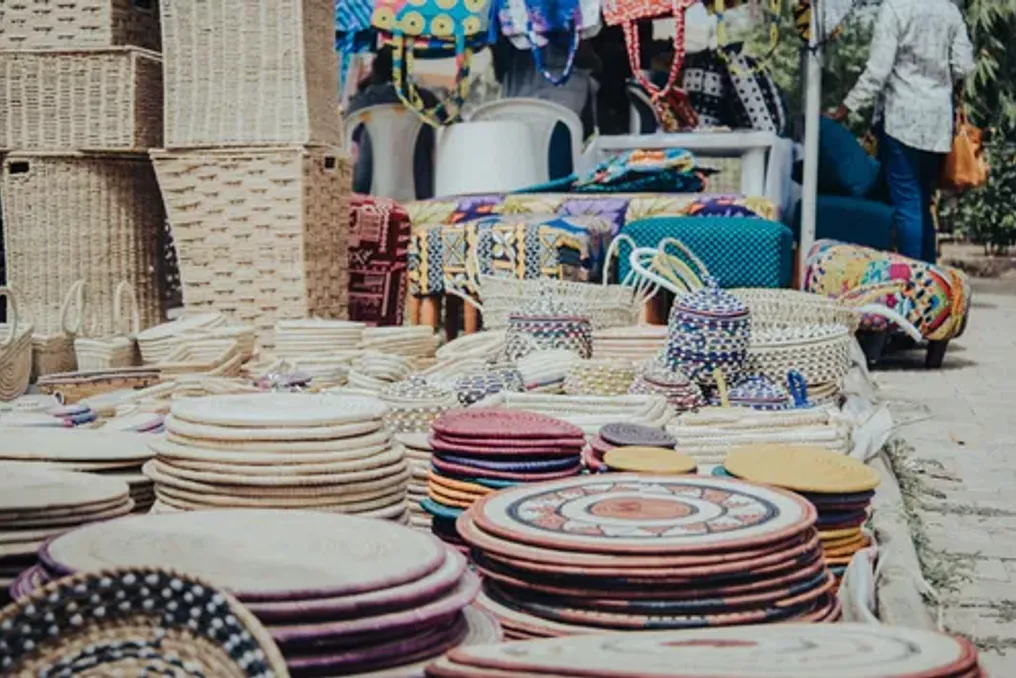
For travelers who value handcrafted items, South Africa's crafts and design scene offers many opportunities. Studios, galleries, and designer markets showcase ceramics, textiles, beadwork, and other forms of creative expression. Many artisans utilize traditional techniques, symbols, and stories while experimenting with modern design. Visiting a studio or participating in a workshop can provide a closer look at the creative process. Visitors may also have the chance to meet artisans and learn the stories behind their work. It is a chance to acquire something unique while supporting local creativity.

Some of the country's most compelling cultural experiences can be found within its neighborhoods. Guided tours, local eateries, galleries, markets, and music venues offer insight into the people and stories that shape a place. Among the urban areas worth exploring through local experiences are Soweto, Newtown, and the cultural districts of Durban. Community tours can help travelers understand how these areas have changed and what is important to the people living there. The key is engaging with the local culture, rather than just passing through.

Make this summer a time of discovery

South Africa offers numerous ways to make a summer vacation more memorable. One can visit a museum in a repurposed building, taste dishes inspired by local ingredients, meet local designers, or learn about the history of an ancient kingdom. These experiences offer a chance to connect with the country through its people, creativity, food, and landscapes. Whether traveling between provinces or planning a day trip nearby, there is more than just the beach in a South African summer.

Popular