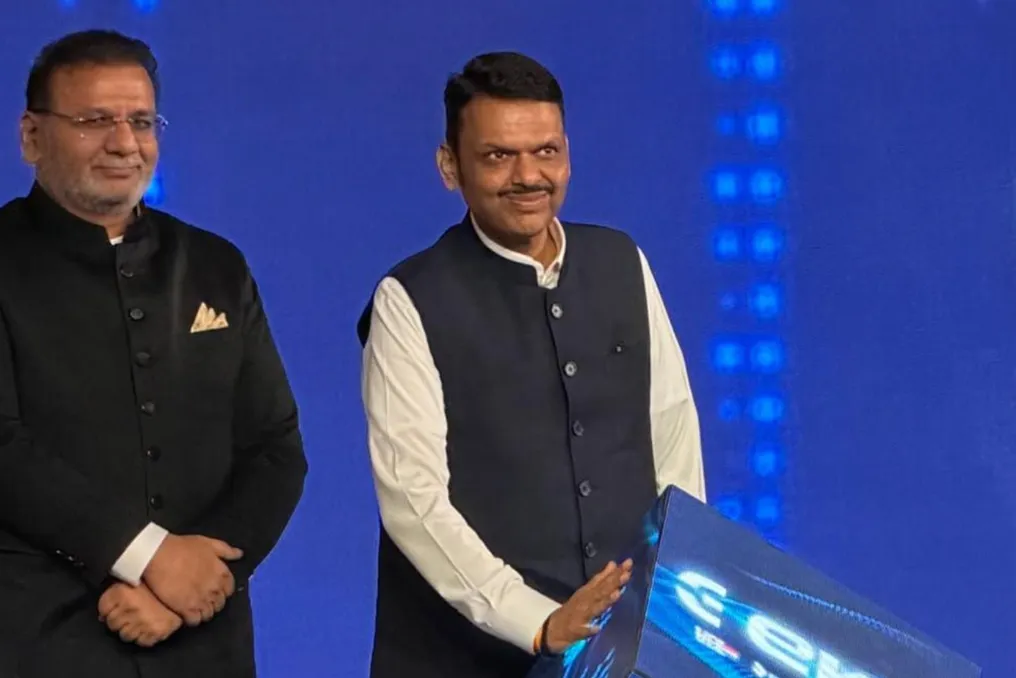
EKA Mobility, a company specializing in electric vehicle development, has opened six new manufacturing facilities in the states of Maharashtra and Madhya Pradesh. The goal of this move is to increase the production of electric buses, trucks, and smaller commercial vehicles amid the growth of fleet electrification in India.
These six plants, located in Pune and Pitampure, are part of an overall network of 11 facilities spanning 120 acres. The total annual production capacity of these sites exceeds 40,000 electric vehicles, with investments estimated at over 3,500 crore rupees. The production sites cover vehicle assembly, engineering work, battery casings, seating, and interior finishing.
EKA reports a year-on-year growth of 1243% for the first half of the financial year 27. Furthermore, the company claims to have over 11,000 buses on order.
Founder and Chairman Sudhir Mehta emphasized the critical importance of making products affordable and accessible. He stated that his vision would not be realized until the company achieves this goal, as technological advancements are meaningless if they do not reach the people who use them daily.
Nevertheless, competition in the market is intensifying. According to VAHAN data, between January and June 2026, 2,944 electric buses were registered in India, representing a 40% increase compared to the previous year. Market leaders include Switch Mobility with 830 registrations, followed by JBM Auto with 635 and PMI Electro Mobility with 574. Pinnacle Mobility Solutions, EKA's parent company, registered 171 units, accounting for 5.8% of the market.
Parallel to this, government policy actively supports this expansion. The PM E-DRIVE scheme, whose funding was increased to 11,900 crore rupees in August 2026, allocates 4,391 crore rupees for 14,028 electric buses and 500 crore rupees for 5,643 electric trucks. This scheme has been extended for most segments until March 2028.
A separate program, PM-eBus Sewa payment-security, aids in deploying over 38,000 buses by resolving issues related to payment delays for operators. Additionally, a production-linked incentive program worth 25,938 crore rupees aims to strengthen domestic production of advanced automotive technologies.