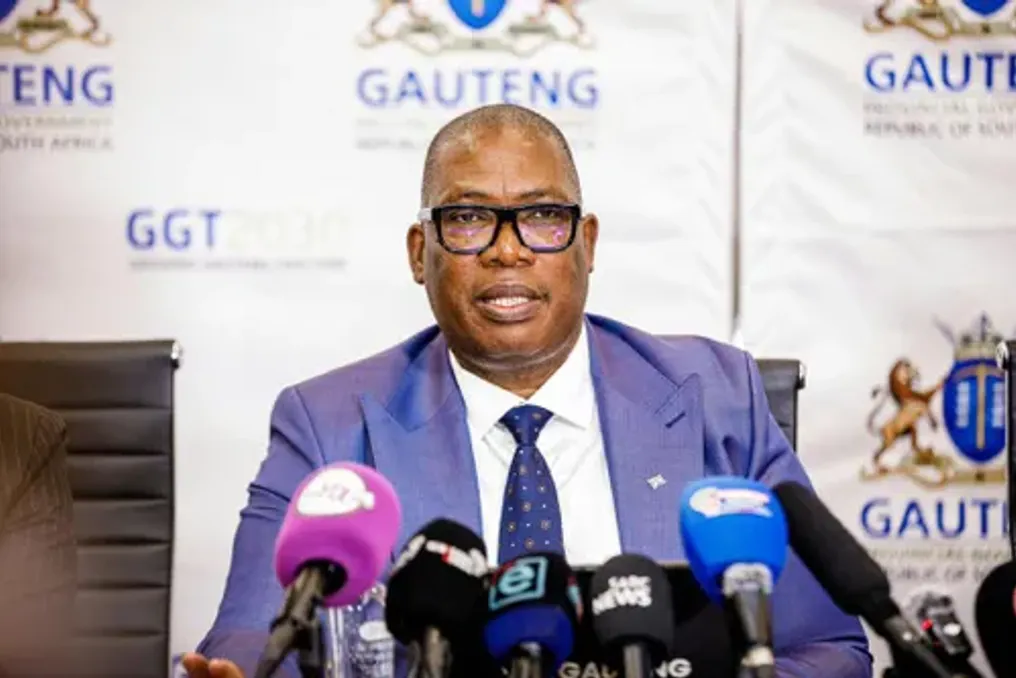
The head of the Gauteng province, Panyisa Letsufi, presented plans to deploy 1022 response teams for gender-based violence (GBV) cases across 122 high-risk districts. These measures are part of the provincial government's efforts to combat violence against women and children.
Speaking on the province's response to President Cyril Ramaphosa's directives regarding gender-based violence and femicide (GBVF) on Sunday, November 1st, Letsufi stated that the intervention would also include engaging additional social workers, strengthening specialized courts, and improving victim support services.
These steps form part of Gauteng's 90-day intervention program aimed at addressing the GBVF crisis in the province, which includes unsolved assault and murder cases, delays in forensic examinations, and inadequate safety measures.
Letsufi acknowledged the seriousness of the situation and the province's responsibility to resolve it, stating: 'Gauteng bears a significant share of our nation's gender-based violence and femicide crisis, and we fully accept our duty to act.'
Targeted Intervention in Police Stations with High Rates of Rape
The provincial government has identified ten police stations recording the highest number of rape cases for additional intervention. These stations include Rietgat, Alexandria, Mameloedi, Dipsluit, Ivory Park, Dobsonville, Midrand, and Tembisa.
The intervention plan involves placing 1022 GBV teams in 122 high-risk areas and adding 56 social workers to enhance support for victims and survivors. Furthermore, the province plans to strengthen seven specialized sexual offense courts and 144 victim-friendly facilities to improve the handling of cases involving women and children.
It is also expected that 19 Gauteng medico-legal clinics will play a role in protecting forensic evidence and supporting criminal investigations. These measures follow Ramaphosa's address of September 29th, in which he instructed authorities to expedite investigations into unsolved murders, attempted murders, rapes, and serious sexual offenses involving women and children.
Strengthening Shelters and Survivor Support in Gauteng
Letsufi also reported that the provincial government has expanded measures to provide protection and assistance to GBV survivors. Currently, 18 shelters operate in the province, providing 363 beds, along with seven Tutuzela Care Centers.
Psychosocial support services have been provided to tens of thousands of people over the past six months, and new referral tools have been implemented in all 43 protection order courts. Visible police activity has also been increased in high-risk areas, and technical issues with the 'e-Panic Button' application have been resolved.
As part of efforts to enhance public safety while maintaining survivor confidentiality, the province has expanded integrated video surveillance networks.
Despite the actions taken, Letsufi noted that the province still has many tasks ahead. Of the 67 directives in five priority areas, only 21 have been fully implemented, while 38 are in progress, and eight have not yet started.
These five areas include recovering unsolved criminal cases, eliminating forensic examination backlogs, increasing women's safety in public spaces, combating alcohol-related violence, and enhancing survivor support.
Letsufi emphasized: 'Despite the progress made, challenges remain, particularly the forensic examination backlog, information on recovering unsolved cases, and the need to accelerate municipal safety measures.' He added that the province is also prioritizing improved coordination, accountability, and timely execution of remaining directives.
The provincial head stated that the government will continue to monitor implementation through weekly meetings and progress reports, stressing: 'Protecting our women and children is an absolute priority requiring immediate action, because injustice delayed is not justice at all.'