According to data from the analytical company Kpler, India's crude oil imports reached a record level of about 5.6 million barrels per day in October. Refineries increased purchases from both West Asia and Russia, despite ongoing geopolitical tensions.
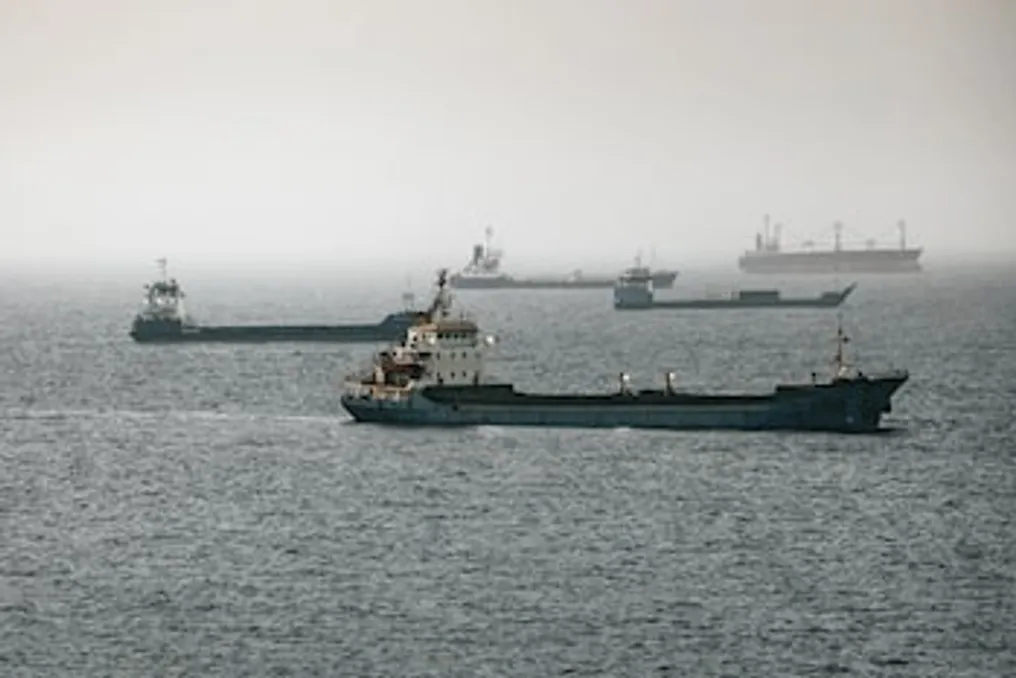
According to Kpler's lead analyst Nihil Dubey, supplies from West Asia amounted to approximately 2.3 million barrels per day, while flows of Russian crude oil remained stable at around 2 million barrels per day. More active ship-to-ship transfers facilitated the movement of a larger volume of raw materials through the Strait of Hormuz, supporting the recovery of Gulf supplies in September and October, which gave Indian refiners greater freedom in choosing sources.
Dubey noted that Russian supplies might slow down in November and December due to Black Sea attacks, which are increasing freight rates, making such barrels less cost-competitive considering delivery. At the same time, suppliers from the Gulf are offering competitive prices with delivery, aiming to regain their market share in India.
Nevertheless, any resumption of disruptions in the Strait of Hormuz flows could prompt Indian refiners to return to Russian crude oil, even if transport costs rise. He also added that the lifting of G7 sanctions on October 16 could reduce some Indian buyers' concerns regarding risks associated with purchasing Russian oil, giving refiners more sourcing options.
India imports almost 90 percent of its crude oil needs, so the availability and cost of alternative supplies are critical for the refinery sector's economy. Thus, the choice between Russian and West Asian barrels will likely be determined by commercial considerations and supply security, rather than solely geopolitics.
Russia's invasion of Ukraine in February 2022 disrupted global oil flows, leading to sanctions by Western countries, an EU ban on maritime transport of Russian crude oil, and the imposition of the G7 price cap. As European buyers abandoned Russian oil, Moscow offered significant discounts to attract alternative markets, and India became a major buyer, sharply increasing imports from negligible levels to 40-50 percent of its crude basket at peak moments.
Indian refiners were attracted by the price advantage: in late 2022 and early 2023, Russian Urals sometimes traded about $30 below Brent per barrel. This shift turned Russia into one of India's largest crude oil suppliers, as refiners prioritized lower landed costs and supply security over Western pressure to curb purchases.
However, discounts have almost disappeared, but disruptions in Middle Eastern supplies have forced Indian refiners to stick with Russian barrels. Dubey reiterated: 'Russian flows, which were maintained at these levels, may weaken in November-December as Black Sea attacks increase freight rates, making Russian barrels less attractive in terms of delivered cost.' He also noted: 'Meanwhile, the recovery of flows in Hormuz in September-October provided Indian refiners with more supply options, as Gulf suppliers offer competitive prices with delivery to regain market share. However, the situation remains volatile, and any resumption of disruptions in Hormuz flows could lead refiners back to Russian barrels, even with higher freight costs.'