Prices for Liquefied Petroleum Gas (LPG) cylinders rose in early November; tariffs changed in Delhi and Mumbai
Read more
Aaj Tak
www.aajtak.in

Prices for Liquefied Petroleum Gas (LPG) cylinders rose in early November; tariffs changed in Delhi and Mumbai

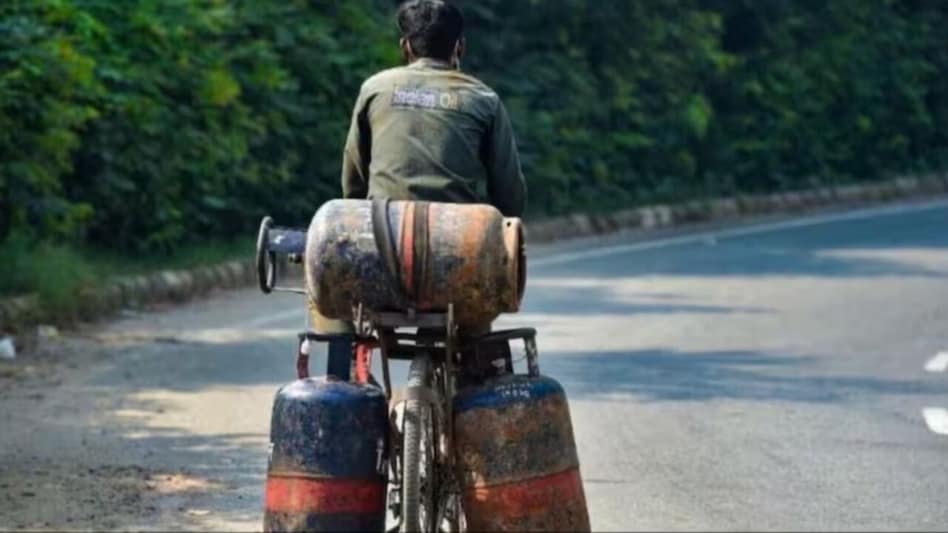
Significant changes occurred across the country in early November, starting on November 1st when oil refining companies increased the cost of LPG cylinders. This increase affected commercial cylinders with a capacity of 19 kilograms, while the price of domestic gas cylinders (14 kilograms) remained unchanged.

The commercial LPG cylinder became 10 rupees more expensive. This increase will directly impact the hotel and restaurant business, as rising gas prices may lead to an increase in food costs. Following a recent hike in Delhi, the price of a commercial LPG cylinder reached 2,820 rupees.

The increase in the price of commercial gas cylinders is a continuous trend from oil refining companies. Before the recent rise in November, prices for the 19-kilogram cylinder also increased on October 1st, rising to 2,810 rupees. This jump has been a serious blow to the hospitality sector, restaurants, and commercial sellers during the holiday season.

Analyzing the changes in the price of commercial LPG cylinders this year, it is evident that on May 1st, there was a sharp surge in the price of 19 kg LPG, increasing by almost 1,000 rupees in one month. As a result, the price of a commercial LPG cylinder in Delhi exceeded 3,000 rupees, reaching approximately 3,071.50 rupees. Subsequently, there was some decrease in July and August when oil refining companies lowered the overall cylinder cost by 380 rupees. However, this trend reversed during the holiday season, and cylinder prices continue to rise: they were increased by 65 rupees on October 1st, and a new surge occurred on November 1st.

While oil companies raised prices for 19 kg commercial LPG cylinders, domestic cylinder consumers received relief as their prices were not altered. The 14.2 kg cylinder is available at the old rates. In Delhi, it costs 942 rupees, in Mumbai, 941.50 rupees, in Chennai, 957.50 rupees, and in Kolkata, 968 rupees.


Similar stories

Government increases export duty on diesel and aviation fuel, abolishes gasoline levy
Read more
business-standard.com

Government increases export duty on diesel and aviation fuel, abolishes gasoline levy

The government has made changes to the export duties on petroleum products: the rate for exporting diesel fuel and aviation turbine fuel (ATF) has been increased, while the duty on gasoline exports has been completely abolished.

The export duty on diesel fuel has increased to 11.50 rupees per liter from the previous 8.50 rupees per liter. Additionally, the duty on ATF exports has been raised by 50 pence per liter, reaching 11 rupees per liter from 10.50 rupees per liter. Meanwhile, the government has removed the 2.50 rupees per liter duty on gasoline exports, setting it to zero.

These adjusted rates, announced on October 31, will be effective for the next two weeks. Export duties on gasoline, diesel fuel, and ATF were introduced on March 27, 2026, as part of measures aimed at ensuring domestic availability of petroleum products by curbing exports amid the crisis in West Asia.

The set rates are reviewed every two weeks based on the average international prices of crude oil, gasoline, diesel fuel, and ATF for the period since the last review. The previous adjustment came into effect on October 16.

The government clarified that existing excise duties on gasoline and diesel fuel intended for domestic consumption have not changed. This recent step comes against the backdrop of Indian refiners remaining major exporters of petroleum products, and the government uses export levies as a policy tool to balance foreign sales with domestic supply amidst the volatility of global oil markets.

Expert warns of potential rise in gasoline and diesel prices after Diwali due to global oil prices
Read more
www.aajtak.in

Expert warns of potential rise in gasoline and diesel prices after Diwali due to global oil prices

Gasoline and diesel prices in India may increase after the Diwali festival as rising global crude oil prices increase the burden on the government and state-owned oil refining companies. Energy expert Narendra Tanedge told Business Today TV that changes in domestic fuel prices could occur between Diwali and Christmas.

He warned that people cannot remain unaffected by growing global energy tensions. The rise in global prices will inevitably affect India, which could lead to an increase in the cost of gasoline and diesel fuel.

Tanedge added that a fuel price hike after Diwali and before Christmas is expected, noting that it will be extremely difficult for the government and oil companies to constantly cope with rising prices. Currently, Indian oil companies are under pressure due to high oil prices.

This pressure exceeds the headlines of crude oil prices. According to an Axis Bank Research report from October 23, the price of Brent Crude rose above $110 per barrel, and Dated Brent reached $140. Tanedge explained that the actual price paid by Indian refineries could be significantly higher than the stated market price due to increased costs for freight, marine insurance, and tanker crew wages.

He specified that when considering the landed price, it could be at least $20 higher than this base price, depending on the company and region. For India, additional costs could amount to about $25–$27 per barrel, depending on the source of raw materials and the refinery.

The average price of the Indian crude oil basket from October to October 26 rose by approximately 4% month-on-month, reaching $120.46 per barrel, the highest monthly average since March 2012. This increase occurred amid heightened tensions in the Middle East, leading to increased geopolitical uncertainty, marine insurance premiums, and freight rates. By October 26, the price of the Indian crude oil basket reached $123.72 per barrel.

Meanwhile, in 2026, global crude oil prices have risen by almost 80%; on Tuesday evening, Brent traded at $114.6 per barrel, WTI at $100.9, and Murban at $117.7. Increased transportation costs, marine insurance premiums, and geopolitical tensions in the Middle East have further increased the cost of crude oil imports.

The central government, state governments, state-owned oil refining companies, and the Reserve Bank of India are jointly bearing the brunt of the oil crisis. Axis Bank Research suggested in its October 23 report that this support would amount to 1.7% of GDP, based on an assumed average crude oil price of $100 per barrel; furthermore, every $10 increase in retail fuel prices increases the burden on GDP by 20 basis points. From April to September, India's crude oil imports grew by 46.3% year-on-year, reaching $90.6 billion.

Tanedge cautioned that the government and oil companies cannot indefinitely shield consumers from financial strain. He also emphasized the need to invest in foreign oil and gas assets to diversify crude oil supplies and ensure long-term supply for India.

Axis Bank Research forecasts that fiscal measures, such as increased duties and economic stabilization funds, could free up the equivalent of 0.6% of GDP, helping to limit the central government's financial decline by 20–30 basis points in the 2027 fiscal year. However, maintaining high crude oil prices in the long term may shift the majority of costs onto consumers.

Popular