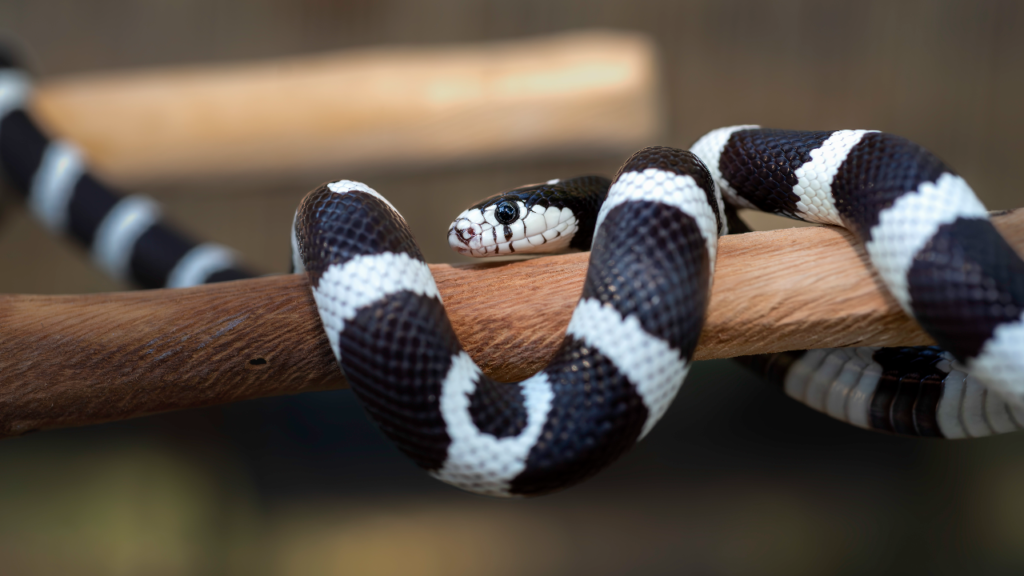
CapeNature ceases trade of California snakes in West Cape due to high risk of ecological invasion
Read more
Getaway
getaway.co.za

CapeNature ceases trade of California snakes in West Cape due to high risk of ecological invasion

CapeNature has announced the phased cessation of trade for California snakes (Lampropeltis californiae) in the Western Cape region. This transition period began on April 1, 2026, and is based on a comprehensive risk assessment that classified the species as posing a high risk of ecological invasion.

The assessment, conducted using the Bomford (2008) rapid risk analysis model, identified a potential danger that California snakes could pose to local wildlife, especially considering their ability to compete with indigenous species if they escape or are released into the wild.

Although these snakes have long been present in South African reptile keeping culture since the 1980s, the threat they pose necessitated decisive action from CapeNature. The organization acknowledges the need to balance the interests of current enthusiasts with the imperative of protecting the region's natural heritage.

CapeNature Executive Director, Mbulelo Jacobs, emphasized the reason for the phased introduction of restrictions: 'Preventing the establishment of potentially invasive species is far more effective than trying to mitigate their consequences after they have spread. We understand that many permit holders have responsibly kept these animals for many years. This approach allows them to continue doing so while we gradually reduce the risk to the biodiversity of the Western Cape.'

The framework governing this transition is based on Section 16(1)(e) of the Nature Conservation Ordinance (Ordinance 19 of 1974) and the Environmental Management: Biodiversity Act (Act 10 of 2004). During the transition period, the trade of California snakes is limited only to individuals holding valid permits.

New permits for captive keeping, import, or transport will not be issued, ensuring no new additions to the captive population during this critical time. Current permit holders are advised to ensure the safety of their animals and prevent any unauthorized releases into the environment. If a California snake is found outside captivity, CapeNature urges the public to report sightings immediately to mitigate any potential ecological impact.

Furthermore, although new permits will not be available during the transition, CapeNature will consider export permits under regulated conditions, provided the receiving province has the necessary import permit and has been notified of CapeNature's position on the matter. Upon completion of the transition period, all trade of California snakes will cease without exception for import, transport, or new captive permits. Exports will also be strictly regulated in line with broader conservation goals.

These measures aim to methodically reduce the presence of California snakes throughout the Western Cape without relocating animals already legally held by permit holders. CapeNature has also confirmed that the established structure can serve as a precedent for assessing risks associated with other potentially invasive species, ensuring a consistent approach to protecting South Africa's rich biodiversity. Permit holders are encouraged to contact CapeNature for any clarification regarding how these new conditions may affect their animals, planned activities, or any transactions they wish to conduct.
Similar stories

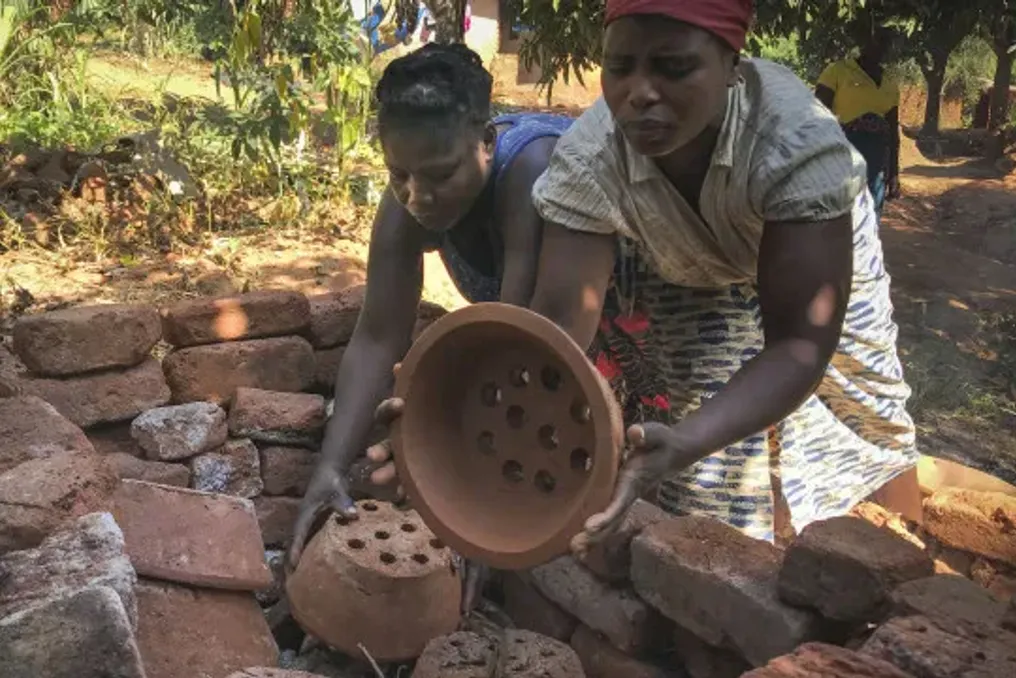
Mozambique restricts ceramic product imports to protect national industry
Read more
noticiasaominuto.com

Mozambique restricts ceramic product imports to protect national industry

The Mozambican government has approved restrictions on the import of ceramic goods, requiring prior licensing for foreign purchases, as well as establishing potential quotas and duties per ton. This measure is aimed at protecting domestic industry.

A coordination, planning, regulation, and monitoring mechanism for the import of ceramic products was established through a decree from the Ministry of Economy, signed by Minister Basilieu Muhate and published on Wednesday. This document was reviewed by the Lusa agency on the current day.

The decree, which has already entered into force, stipulates that the new regime is designed to promote and protect national industry, as well as strengthen state control over import processes, striving to ensure a better balance between domestic production and imported goods.

This mechanism applies to ceramic products and affects importers, financial institutions, logistics operators, port and customs authorities, as well as all other participants in the import process. Among the main changes introduced is the mandatory registration of importers and the requirement for prior authorization for each transaction.

According to the decree, this mechanism is implemented through the following procedures: mandatory registration of importers, prior licensing of each import operation, administrative management of import quotas where applicable, and the establishment of reference prices for customs verification.

License issuance is now dependent on paying a fee equivalent to the minimum wage of a civil servant per ton of imported goods. The Ministry of Economy may also establish administrative import quotas to regulate the volume of foreign products entering the domestic market.

According to the directive, quotas are intended to 'discipline the flow of imports,' 'ensure a balance between national production and imports,' and 'guarantee market supply,' taking into account factors such as the country's production capacity, market trends, importer history, and preventing excessive concentration.

The regime introduces a system of reference prices intended to combat price underreporting and strengthen customs control mechanisms. It is stated that the reference price is a technical tool for market regulation, designed to ensure transparency of import operations, prevent under-invoicing practices, and promote equal conditions of competition between imported goods and national production.

These reference prices will be calculated based on the costs of national industry, international prices for similar goods, and other corrective factors necessary to ensure 'gradual and sustainable protection of national industry.'

The decree provides for a preferential regime for local producers: 'Priority is given to the purchase of nationally produced ceramic products, provided that their price does not exceed the price of imported ceramic products by more than 20%.'

Import planning will be carried out by competent authorities quarterly, taking into account domestic consumption, industrial needs, the level of domestic production, existing stocks, and market demands.

Importers are obliged to submit annual import plans and place orders with a minimum two-month advance notice. A sanction regime has also been established, including fines equivalent to 500 minimum civil servant salaries per ton of import, confiscation of goods, suspension of economic activity for up to three years, revocation of licenses, and prohibition of contracts with the state.

The decree, which will be reviewed in six months, excludes from its scope ceramic products imported for personal use, small private works, commercial samples, and scientific research activities, as well as enterprises located in Special Economic Zones and Free Industrial Zones.

Six South African reserves offer an alternative wildlife viewing experience
Read more
getaway.co.za

Six South African reserves offer an alternative wildlife viewing experience

The best wildlife interaction experience is not always achieved from inside a vehicle window. Within South Africa, nature reserves provide opportunities to explore the environment through organized hikes, following interpretive trails, studying local ecosystems, and gaining a more detailed understanding of wild areas.

The local forests of Garden Route are rich in exceptional flora and fauna diversity, much of which can be easily missed when traveling between destinations by car. Garden Route National Park offers several ways to experience these ecosystems on foot. In Garden of Eden, near Knysna, there is a short, wheelchair-accessible boardwalk featuring information boards detailing local fauna, Afromontane forests, forestry management, plants, and people. Visitors can explore the surroundings while birdwatching and observing other forest inhabitants. Further along the route, the Tsitsikamma section features interpretive displays and natural trails, including the popular Bloukrans Trail, which leads to a suspension bridge over the Storms River.

This UNESCO World Heritage site protects a landscape composed of sandstone formations, riverine forests, and savannas, while also preserving remnants of an important early African kingdom. The Mapungubwe Interpretation Centre provides information on the archaeology, cultural history, and biodiversity of the site. Visitors can also tour designated viewpoints and the park's canopy walkway, offering a different perspective on the surrounding landscape. The park's informational exhibits help connect the natural environment with the people who lived here centuries ago. This makes Mapungubwe particularly valuable for travelers interested in the intersection of nature conservation, archaeology, and human history. While wildlife viewing is possible, the main attractions are the educational facilities and the landscape itself.

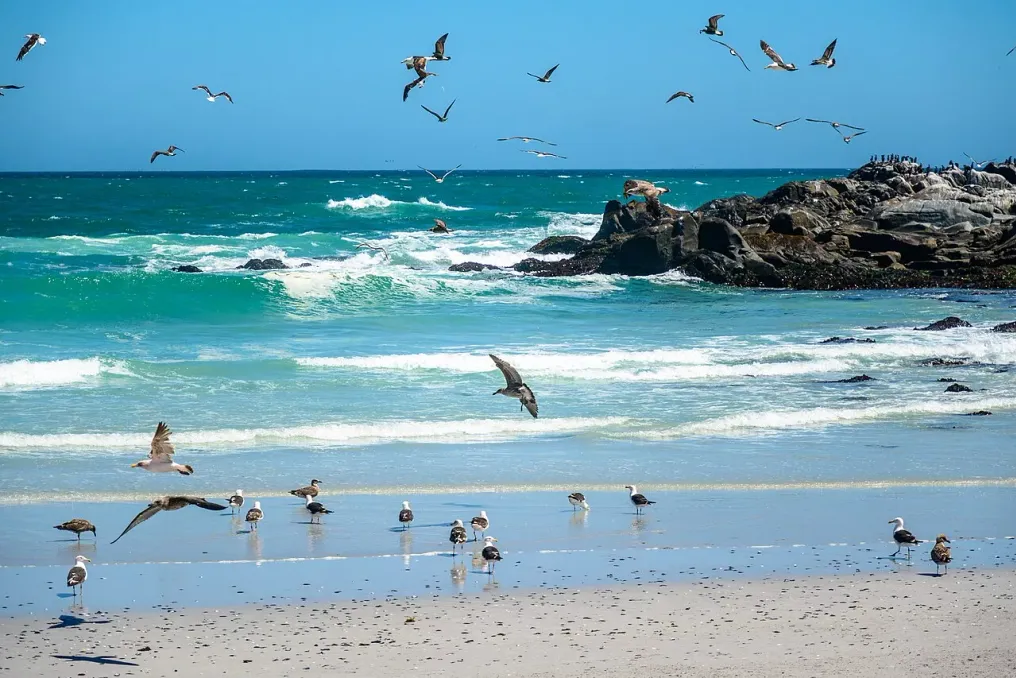
Langebaan Lagoon is one of the main attractions in West Coast National Park, drawing birdwatchers and nature lovers year-round. Instead of relying solely on observations from a vehicle, visitors can spend time at bird hides and viewpoints, watching waterfowl without disturbing them. The park's interpretive signage adds another layer to the visit. Exhibits in the Geelberg and Syberg areas cover topics such as local birds, marine mammals, native plants, geology, archaeology, and coastal history. Postberg is particularly popular in spring due to its wildflowers, although access is seasonal. Walking through designated areas and stopping to read information boards helps visitors understand why the region's habitats are important for resident and migratory species.

Rietvlei Nature Reserve, located near Pretoria, offers opportunities to study nature through guided activities and birdwatching. The reserve has a dedicated walking trail designed for environmental understanding rather than just covering distance. This four-hour daytime hike requires advance booking and is conducted in groups led by a guide. It is intended for participants aged 12 and older. For those who prefer to observe wildlife from a stationary spot, the reserve is also equipped with six bird hides accessible along self-drive roads. These hides allow for birdwatching in their natural habitat and enable observations at a more relaxed pace. Before planning a trip, visitors should check current conditions and hiking requirements.

Approximately 10 km south of Gaborone, Mokoro Lodge offers diverse organized activities that bring visitors closer to Botswana's wildlife and landscapes. Depending on availability and the reserve's current program, activities include guided walks, rhino and giraffe tracking, horseback safaris, and game drives. The reserve also features an education center, museum, and library, making it a useful stop for travelers wishing to learn about nature conservation alongside wildlife viewing experiences. The Mokoro Lodge ecological education program welcomes school groups, helping young guests develop an understanding of biodiversity and the importance of protecting natural habitats. For travelers, the combination of organized activities and educational facilities provides several ways to engage with the reserve beyond traditional safaris. It is necessary to check which activities are running and if advance bookings are required before visiting.

Van Staden's Reserve offers a different approach to traditional wildlife excursions. Its seven walking trails allow visitors to experience the intersection of fynbos vegetation and forest, with plant diversity being a significant part of the interest. Visitors can arrange guided walks led by local guides who share information about the reserve's flora and fauna. Birdwatching and plant identification are also popular activities, and a wooden bird hide along Nymph Trail provides a spot for bird observation. The reserve is especially appealing to travelers who want to appreciate the fine details of the ecosystem, from local plants to the birds that depend on them. Organized walks last approximately one to two hours, and visitors should contact the reserve administration to confirm arrangements and payment.

Before visiting, check whether the walking routes are self-guided or require a registered guide. Some reserves only allow visitors to walk in designated areas, while others offer activities that must be booked in advance. Bring appropriate footwear, water, sun protection, and binoculars if you plan to birdwatch. Most importantly, remember that walking wildlife viewing requires respect for animals and their habitats. Follow the guide's instructions, stay on marked trails, and avoid approaching or feeding wild animals.

Popular