The History of Oros Drink: 125 Years of Brand Development and Its Recognizable Jingle in South Africa
Read more
IOL
iol.co.za

The History of Oros Drink: 125 Years of Brand Development and Its Recognizable Jingle in South Africa

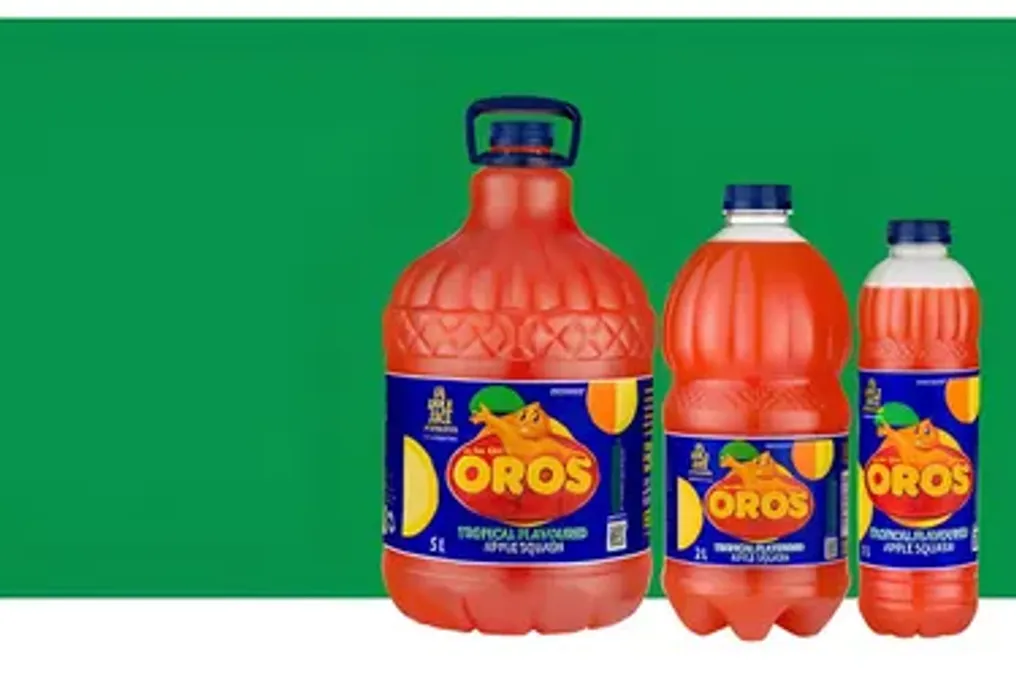
For many generations of South African residents, the melody 'Oh-Oh-Oh-Oh-Oros!' is instantly recognizable, as is the animated Oros Character drumming on bottle caps symbolizing different flavors before the familiar chorus unites the performance.

The 'Flavour Drums' television advertisement, which a desktop study indicates was released around 2001–2002, helped cement this familiar jingle in South African popular culture. More than two decades later, this advertisement remains a familiar landmark for those who watched it as children.

However, the history of Oros began long before the jingle appeared, when a fruit concentrate manufacturing business was established in 1899, which later became associated with one of the country's most famous drinks. Today, the brand belongs to Tiger Brands, and its history includes changes in ownership, production modifications, advertising campaigns, and generations of consumers.

From Lemon to Orange

The historical chronicle of Tiger Brands links Oros to 1899, when Charles Brooks founded the brand. Historical records attribute the initial business to Brookes Lemos and lemon concentrate. The orange drink, most associated with Oros among South Africans, appeared later.

Over time, Oros has become a familiar part of kitchens, school lunches, family gatherings, and summer days. The concentrate format facilitated convenience for families, as one bottle diluted with water could provide drinks for an entire household or gathering without the need to purchase individual ready-to-drink beverages.

The history of Oros predates Tiger Brands itself. The group traces its roots back to a business founded by Jacob Frankel with Joseph Marx in Newtown, Johannesburg, in 1921. The business behind Oros subsequently changed ownership and structure. The Tiger Brands chronicle notes that the company acquired Bromor Foods in 2007, expanding its beverage portfolio with brands such as Oros, Energade, and Rose’s.

This acquisition followed an agreement announced in 2006 to purchase Bromor Foods from Cadbury Schweppes for 1.16 billion rand. Despite the change in ownership, Oros retained the name and identity that consumers had come to know.

How to Make Flavors Sing

For many South Africans, the brand's identity is inextricably linked to its advertising. In the 'Flavour Drums' commercial, the animated Oros Character beats on bottle caps representing different flavors. Each beat is accompanied by the flavor name, and the rhythm builds up to the chorus 'Oh-Oh-Oh-Oh-Oros!'.

The creative agency Hyphen Creatives describes this advertisement as one of Oros' most iconic campaigns, highlighting the combination of rhythmic sound, vivid visualization, and playful presentation. This approach transformed a simple product demonstration into a performance. Instead of merely listing available flavors, the advertisement made them part of a melody that viewers could remember and repeat. Based on retrospective online materials, the desktop study points to the release of this advertisement around 2001–2002.

Old Televisions

The original advertisement, titled 'Oros old TV Advert – Flavour Drums', is available on YouTube. The exact date of the first broadcast and the identities of the campaign creators are not established in the publicly available materials reviewed for this article. This campaign helped the brand gain a recognizable identity that could be passed down through generations, despite changes in packaging, flavors, and marketing. Oros is part of a broader tradition of South African advertising, where commercial campaigns have become common cultural references. From memorable jingles to familiar characters and phrases, some advertisements have survived the campaigns that introduced them. For Oros, the jingle and character remain central elements in the memory of many consumers.

Changing Times

Oros has moved beyond traditional orange concentrate, offering various flavors and formats. The brand has also transitioned to ready-to-drink formats and packaged juices, providing alternatives to the familiar concentrate bottle. These changes reflect a challenge faced by established consumer brands: maintaining decades of accumulated recognition while responding to changing tastes and purchasing habits. Tiger Brands continues to position Oros as a long-time family favorite, linking it to summer events and celebrations year-round. This association is also evident in daily use: Oros is present at family barbecues, picnics, children's parties, and sporting events, becoming part of the routines around which people gather.

Citrus Farmers Behind the Drink

The modern supply chain for Oros connects the familiar bottle to South African agriculture. In a statement released on July 1, 2026, Tiger Brands reported that it secured all necessary oranges for Oros production from local farmers for the second consecutive citrus season. The company claims to purchase approximately 45,000 tons of oranges annually, equivalent to about 275 million oranges, for its orange concentrate production operations. It uses Valencia and Navel varieties sourced from farmers in the Mpumalanga, Limpopo, and Western Cape provinces. According to Tiger Brands, the fruit is processed into concentrate for Oros production. The company reports using about 3.5 million liters of orange concentrate annually to make the drink.
Similar stories

Dialogue between producers and buyers at the "FOODERA EXPO 2026" exhibition
Read more
uza.uz

Dialogue between producers and buyers at the "FOODERA EXPO 2026" exhibition

The "FOODERA EXPO 2026" exhibition, dedicated to food products, has begun in Samarkand and is taking place at the "SOF EXPO" exhibition center.

During the event, meetings took place between producers and buyers.

How Brazil consolidated stadium shows as a common event starting in 2026
Read more
g1.globo.com

How Brazil consolidated stadium shows as a common event starting in 2026

Starting in 2023, driven by the post-pandemic period, Brazil witnessed an accelerated expansion of a stadium show market that had previously progressed slowly. This scenario stabilized in 2026, transforming the stadium show from a special event into something routine.

São Paulo emerged as the center of this phenomenon, and the Nubank Park, home of Palmeiras, stood out as the main national attraction, currently ranking among the top ten stadiums globally for ticket sales for shows.

WTorre, responsible for the stadium, projects that the venue will host approximately fifty shows by the end of 2026. However, this growth is attributed to social and financial factors, simultaneously generating a mistaken perception of universal demand, given that not all audiences are prepared to fill a stadium.

Market Growth After the Pandemic

In November 2023, singer Taylor Swift held six performances in Brazil: three at Engenhão, located in Rio de Janeiro, and three at Nubank Park. This series of shows helped establish Brazil on the map of major international tours.

In the same year, T4F, the producer responsible for the artist's visit, achieved a net revenue of R$ 700.8 million from the sale of 1.09 million tickets. MorumBIS, which dominated the megashow scene in the capital of São Paulo at the beginning of the last decade, experienced a significant increase after the pandemic. While it used to hold an average of three annual shows, nine events were held between 2023 and 2025.

Taking advantage of the high demand, the São Paulo stadium signed an exclusivity contract with the producer Live Nation, becoming the host of the country's biggest international spectacles. In terms of capacity, Nubank Park accommodates 55 thousand people, while MorumBIS can host up to 80 thousand spectators.

The newspaper g1 requested interviews with representatives from WTorre and the producers 30e and LiveNation, but they opted not to comment on details regarding the show logistics.

Operation of Nubank Park

Although the market has grown widely, why does Nubank Park host a volume exceeding thirty major annual performances? The Palmeiras arena differs from traditional stadiums because it was designed for multiple uses. Its setup and dismantling logistics are facilitated by specific access points for this purpose.

However, the decisive factor for the prominence of the Palmeiras stadium was the implementation of the synthetic turf. With natural grass, recovering the field after the trampling of thousands of fans would require weeks of rest, creating a scheduling conflict between football and entertainment. The artificial surface eliminated this obstacle, allowing for a transition of setup in a considerably shorter time.

Low Audience, High Profit

Despite the impressive numbers, the race for stadium shows generated an unwanted consequence: the belief that every artist has enough audience to fill a stadium. A recent example of this discrepancy was the Jamiroquai show at the Palmeiras stadium in September, where the British group failed to fill the venue.

It is questioned why producers continue to allocate artists with smaller mass appeal to arenas for 50 thousand people when it would be more advantageous to hold more dates in a smaller space? The explanation lies in calculations involving operational costs, international logistics, and the scarcity of medium-sized venues.

Firstly, the experience accumulated by large Brazilian producers in setting up mega-structures has drastically reduced the cost of an isolated production. Financially, holding a single show in a partially occupied stadium, with 20 or 30 thousand paying attendees in a 50 thousand arena, often generates a higher profit margin than that obtained by splitting the same audience into three sold-out dates in a smaller venue, as the producer bears the logistical costs only once.

In addition to economies of scale, the schedules of the stadiums and the contractual commitments of the tours come into play. International artists' schedules, for example, are linked to continental routes with very tight periods. Finally, this practice highlights the biggest structural flaw in the current Brazilian entertainment market: the absence of intermediate-sized venues.

Producers are compelled to bring artists with reach for 15 or 20 thousand tickets to football stadiums because there are no suitable spaces for this intermediate segment. When an artist reaches the seating limit of traditional indoor venues, which generally accommodate a maximum of about 10 thousand people, the next available level is a gigantic arena.

Betting on Intermediate Size

To fill this gap between conventional show venues and large stadiums, major industry players have already begun movements. The market recognized the need for dedicated infrastructure and intermediate sizes.

The most notable case of this movement is the collaboration between the producer Live Nation and Cidade Center Norte, which plans an investment of R$ 1.5 billion to build a closed arena in São Paulo, scheduled for completion in 2028 and with a capacity for 21 thousand people. Opus Entretenimento, which manages smaller venues like Vibra São Paulo, closely monitors this market dynamic and supports the idea that the sector needs stages that do not force the artist into an uncertain leap.

The company informed g1 that it is negotiating to build or manage new venues across the country. Lucas Zaffari, CEO of Opus, clarifies that 'small or medium spaces do not compete with large arenas and stadiums, but act complementarily. Not every artist seeks financial exposure or the massive format.'

Medium-sized arenas play a crucial strategic and financial role in the show system. The indoor model already incorporates support infrastructure, internal parking, and logistics entirely focused on spectacles, allowing for even multi-week residencies without competing for dates with the football calendar. Zaffari adds: 'Many artists prefer more flexible formats, for four thousand people, for example, so that the space does not look empty. Stadiums were originally created for football, while dedicated venues offer a much closer connection between the artist and the public.'

With the introduction of new venues and the appreciation of existing spaces, the Brazilian entertainment sector is beginning to offer a realistic and economically viable path for producers, adjusting the trajectory of a market that was forced to focus exclusively on megashows.

Before Google in South Africa, the brand Chappies featured trivia questions on its wrappers
Read more
iol.co.za

Before Google in South Africa, the brand Chappies featured trivia questions on its wrappers

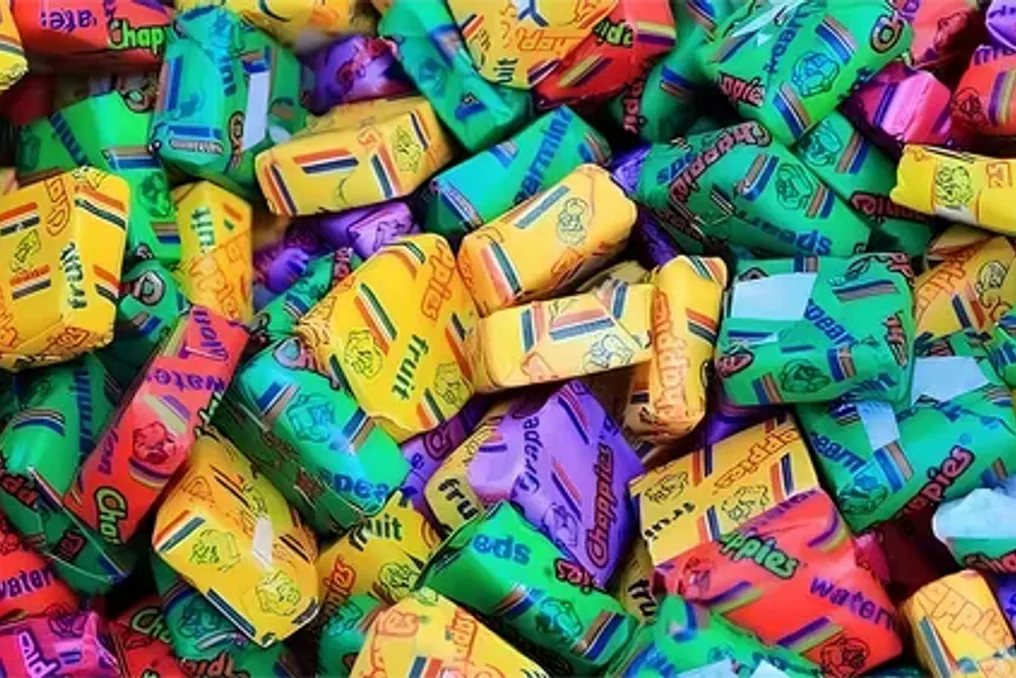
Long before the search engine Google could answer most questions, children in South Africa found information on the wrappers of Chappies chewing gum. These small, colorful squares with recognizable red and blue stripes offered more than just the taste of gum. Upon unwrapping, a question such as 'Did you know?' would be revealed, requiring an answer.

The topic of the question could relate to an animal, a distant country, or the human body; the subject itself was not of great importance. The main pleasure was discovering something unexpected, and then the opportunity to share that knowledge with those willing to listen.

Furthermore, Chappies played a special role in South African culture. In local cafes where families bought bread, milk, and other daily necessities, vendors sometimes gave out chewing gum instead of small change. Thus, the gum turned into a kind of currency.

The Birth of the Brand in Johannesburg

The history of this product began in the suburb of Three Hills in Johannesburg in the late 1940s when Arthur Ginsberg created the brand that became one of the most recognizable in the country. In an interview with journalist Lucile Davie, first published in 2003 and later reprinted in The Heritage Portal, Ginsberg recalled noticing that competing chewing gum, Wicks, was sold for one penny. He wondered if he could create a product that sold two for the same price.

This resulted in Chappies, named after the confectionery factory Chapelat where he worked. Initial flavors included lemon, orange, strawberry, cherry, and pineapple. However, the most inventive ingredient was not the gum itself, but the information printed on the wrapper.

'Did You Know?' Questions

'Did you know?' questions became an integral part of Chappies' identity. According to Davie, the first facts came from the 'Three Wise Men' panel on the Test the Team program on Springbok Radio. Later, academics from the University of the Witwatersrand provided questions, helping to compile a collection that Ginsberg estimated at 5,000–6,000 items. This was a brilliant idea that gave new life to a cheap treat. Ginsberg did not limit himself to facts; Chappies was advertised through weekly cartoons in the Sunday Times newspaper, illustrated by artist Bob Connolly. One memorable cartoon depicted the use of gum to fix a leak in a submarine.

Contests and Market Dominance

The company also distributed promotional school supplies, including a million Staedtler pencils and rulers with the slogan 'Make Chappies your rule.' Then, contests for collecting wrappers appeared. For children, discarded packaging suddenly became valuable. By collecting enough wrappers, one could win prizes such as televisions, radios, and motorcycles. According to Ginsberg's memories recorded by Davie, by the late 1970s, Chappies held about 90% of the chewing gum market in South Africa. A squirrel mascot helped distinguish the original product from counterfeits, and the name itself became so familiar that Chappies was sometimes used as a synonym for chewing gum.

The Legacy of Chappies

According to Davie's historical report, Chappies was acquired by Cadbury in the late 1970s, but the trivia-filled wrappers remained a central element of the brand. In 2012, Chappies invited South Africans to share their own 'Did you know?' facts. Over 50,000 submissions were received, from which 170 facts were selected for printing on wrappers and illustrated by South African artist Jacob Haasbroek. This was a modern evolution of an idea that had helped sell chewing gum for over six decades: offer people something interesting to discover, and they will keep coming back. Chappies celebrated its 70th anniversary in 2019, surviving changes in taste, ownership, and generations of children who grew up with its wrappers. Today, answers to obscure questions are available in just a few clicks. There is no longer a need to buy gum to learn an unusual fact, nor is there a need to carefully unwrap the sticky wrapper to find it. Nevertheless, this sweet had its own unique charm—it could entertain, educate, and sometimes substitute for a coin. For generations of South Africans, Chappies was a small piece of childhood accompanied by a question.

Popular