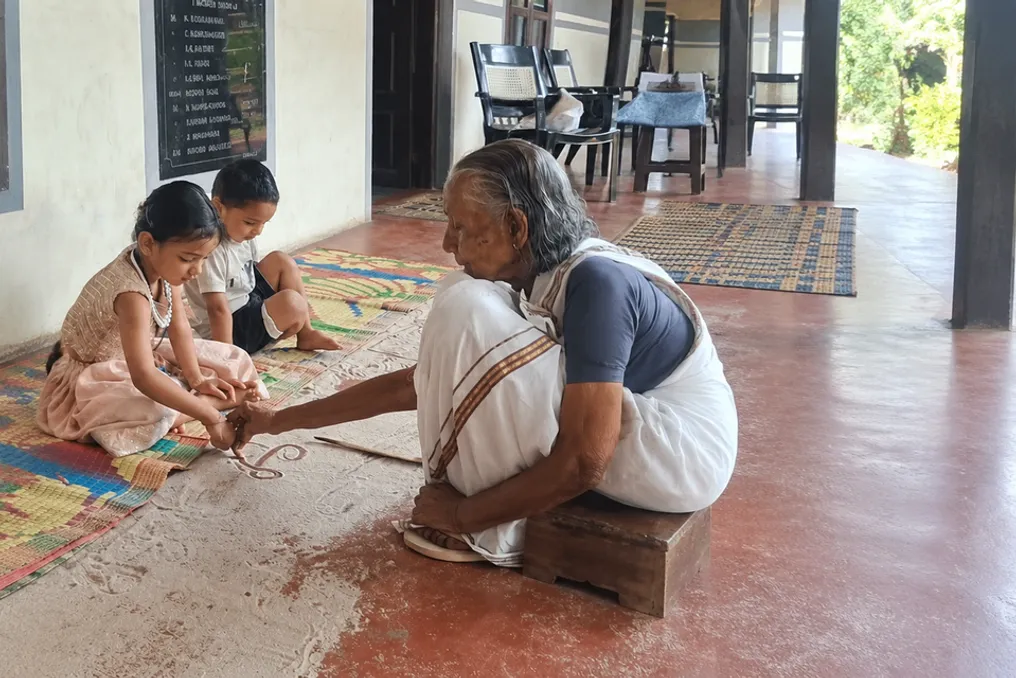
Grandmother from Kerala teaches children three languages and mathematics using sand and a stick
Read more
The Better India
thebetterindia.com

Grandmother from Kerala teaches children three languages and mathematics using sand and a stick

For the children gathered around her, the patch of sand becomes their first writing book, and their fingers become pencils. Indira Amma, aged 85, from the state of Kerala introduces young students to the world of letters using a traditional method passed down through generations.

Over the last decade, she has reportedly been teaching children Malayalam, Hindi, English, and mathematics, employing this humble approach. Instead of starting with notebooks and pencils, she allows children to trace letters in the sand, helping them master the alphabet through tactile perception and practice.

Her method is based on the tradition of Kerala—Ezhuthiniruthu, a ceremony marking the beginning of a child's education. Traditionally associated with Vijayadashami, this ritual involves guiding children in tracing the first letters in rice or sand. This act symbolizes the start of their educational journey.

A sweet glimpse into this tradition is shown by Ashatti Ammumma, patiently teaching young children the Hindi alphabet at the English School Temple. As the children follow her, each letter becomes an opportunity to learn through practice guided by her gentle approach.

For small children, the ability to recognize and write letters requires patience and repetition. Tracing them in the sand offers a practical way to understand their shapes, allowing toddlers to practice each movement as they gain confidence.

The uniqueness of this approach lies in how it connects everyday learning with a tradition deeply rooted in Kerala's cultural heritage. While classrooms increasingly incorporate digital tools, this serves as a reminder that learning does not always have to begin with a screen or expensive resources.

Sometimes, a handful of sand, a person willing to guide a child's hand, and time are enough to allow them to learn at their own pace. Through this practice, Indira Amma helps preserve the traditional method of teaching while providing young children with a meaningful start to their educational lives.
Similar stories

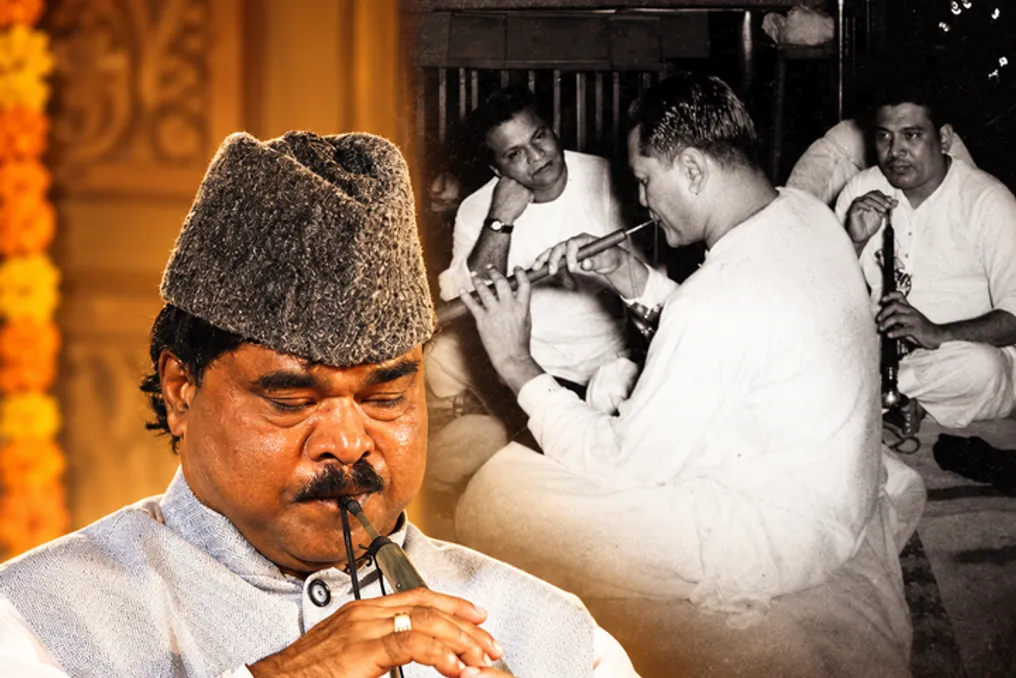
Musician Pandit S. Ballesh Bhadjanthri supports the tradition of playing the shehnai in India
Read more
thebetterindia.com

Musician Pandit S. Ballesh Bhadjanthri supports the tradition of playing the shehnai in India

The shehnai was once an integral part of wedding celebrations across India. However, with the rise of electronic keyboards, live performances have begun to fade. Pandit S. Ballesh Bhadjanthri has dedicated decades to finding new methods to preserve the sound of this instrument.

He was born into a family of shehnai performers in Karnataka and initially studied under his father before training with the legendary Ustad Bismillah Khan. The latter played Raga Kafi at the Red Fort on August 15, 1947, during India's independence celebration.

Ballesh took the shehnai beyond wedding mandaps and classical concerts, integrating it into Indian cinema. He contributed to over 85,000 songs for films in 16 languages, collaborating with composers such as A. R. Rahman and Ilaiyaraja, thereby presenting his unique sound to millions of listeners.

It is possible that people heard his music without knowing his name; Ballesh performed the introductory shehnai passage in the song 'Yeh Jo Des Hai Tera' from the film 'Swades', conveying the instrument's emotion in a song listened to by an entire generation.

In addition to his work in the film industry, Ballesh founded the Tansen Academy of Music Trust to promote traditional music, train young musicians, and support needy artists. In 2022, he was awarded the Padma Shri for his contribution to the field of music.

Nevertheless, the future of the shehnai cannot depend solely on the legacy of one musician. It depends on whether young artists choose to learn the instrument, whether they have opportunities to earn a living through performances, and whether they find an audience willing to listen to this music. Ballesh has spent decades ensuring that the shehnai continues to resonate.

Popular