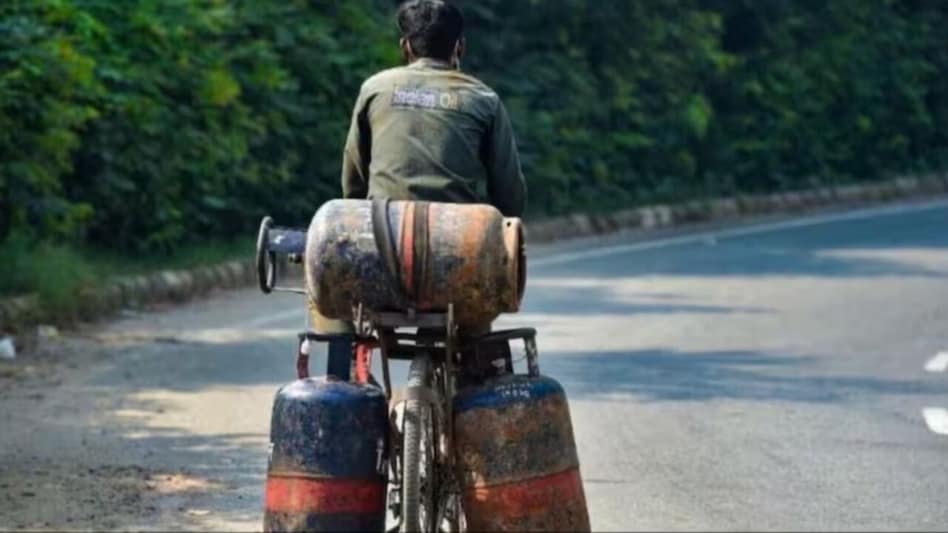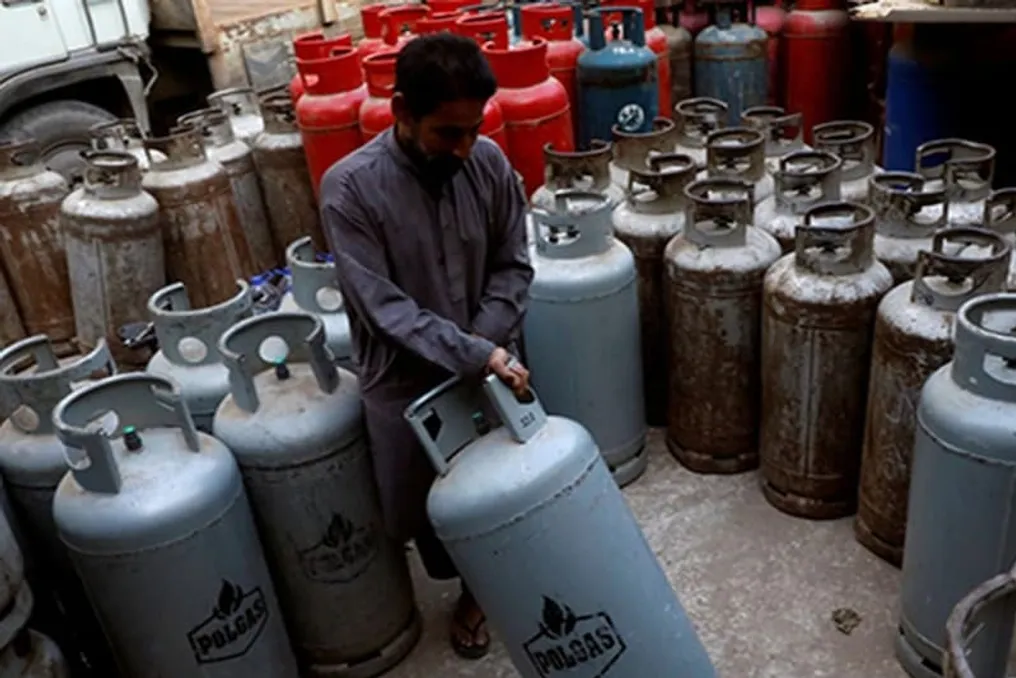
The global gas crisis, triggered by the conflict between the US and Iran, has significantly impacted Pakistan, where there is an acute shortage of LPG. The population faces constant price increases, and the government of Shehbaz Sharif has no plans to provide assistance. The problem of rising LPG prices has flared up again in Karachi, negatively affecting residents' family budgets.
In Karachi, the cost of LPG has approached double the state tariffs, demonstrating the government's inability to alleviate consumers' plight. According to the latest data on LPG price hikes in Pakistan, the price of domestic gas was increased by exactly 50 Pakistani rupees.
Karachi residents have faced another serious blow to their budgets. As reported by the agency citing 'The Express Tribune', there has been a sharp jump in the price of liquefied petroleum gas (LPG) in Karachi. In just 24 hours, the price rose by 50 rupees per kilogram, reaching 550 rupees per kilogram in the Pakistani market.
According to 'The Express Tribune', the reason for the rise in LPG prices in Pakistani markets is linked to Iran. Sources indicate that a shipment of LPG from Iran failed to reach the Karachi markets, leading to a significant drop in supply. Local gas marketing companies are exploiting this situation to set arbitrarily high prices.
The situation has been worsened by Pakistan closing its border with Iran on October 17, which completely halted LPG imports. Previously, LPG cylinder prices reached levels between 4500 and 8200 rupees, and local gas companies continue to increase them.
LPG sellers note that marketing companies are selling gas at very high prices, which makes doing business difficult. Many sellers reported a drop in sales by up to 50% after the recent price increase, as rising costs forced customers to reduce purchases. Nevertheless, households without access to piped natural gas (PNG) have no alternative fuel source.
Pakistani consumers state that despite the increase in LPG prices, they have no choice but to buy gas. This gas crisis raises concerns about a widespread increase in the cost of living. The rise in fuel expenses could potentially lead to higher transportation costs, tandoor products, and bakery goods, burdening all consumers in the region.
Market experts warn that the situation could worsen if LPG supplies to Pakistan from Iran remain disrupted and the government and officials do not take effective measures. They emphasize that the lack of strict control and adherence to regulations will allow suppliers and marketing companies to continue profiting from the shortage, jeopardizing consumer safety.