Explanation of the Choice of Red Seats in Cinemas: Historical and Scientific Reasons
Read more
Aaj Tak
www.aajtak.in

Explanation of the Choice of Red Seats in Cinemas: Historical and Scientific Reasons

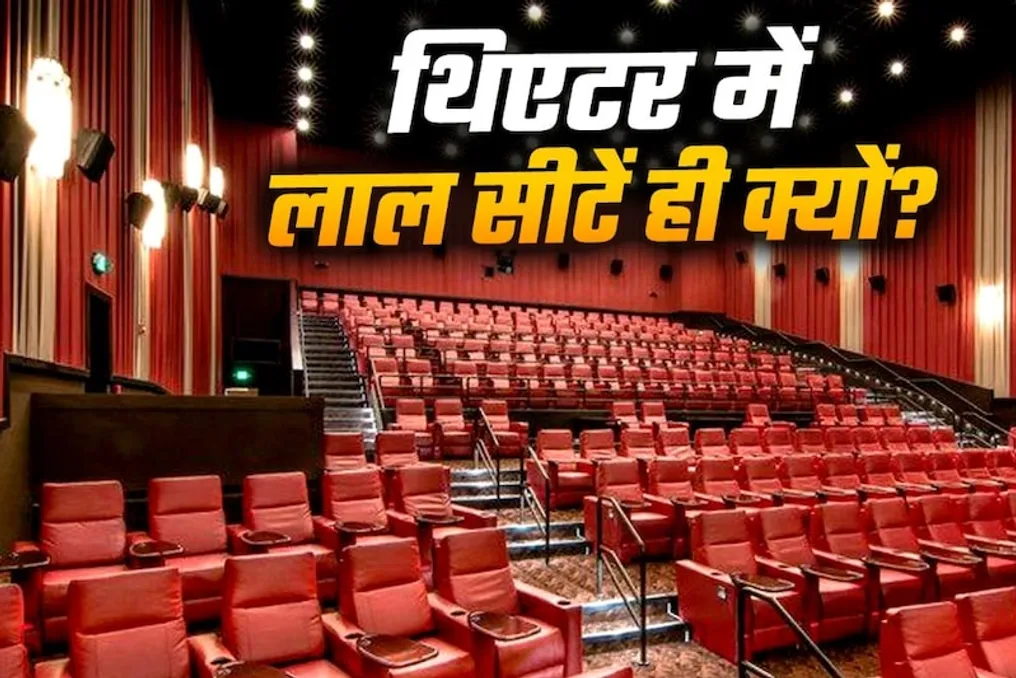
When cinema visitors go to watch a film, they often notice that most of the seating areas are colored red. This color is found in both old single-screen theaters and modern multiplexes. The question arises as to why red was chosen for the upholstery—is it purely aesthetic, or are there scientific explanations?

There are several reasons why red seats are used in cinemas. In the past, red was considered the choice of nobility and wealthy people, so large theaters were decorated with red curtains and seats. Later, when cinemas appeared, they also began using red seats, but there are other important reasons besides this.

To understand the tradition of using red seats in cinemas, one must look back at the past. Before films became popular in Europe, the main centers of entertainment were opera houses and large theaters, where people attended performances, music, and opera. These venues were decorated very luxuriously, and red curtains, carpets, and velvet seats were an integral part of their decor.

In that era, the color red was associated with high status, wealth, and royal dignity. Red fabrics and shades were used in many places to create an expensive and solemn atmosphere. Therefore, in theaters, it was applied to enhance their majesty. When cinema became popular at the end of the 19th and beginning of the 20th century, new cinemas drew inspiration from the decor of old opera houses and theaters, starting to use red curtains and seats. Over time, this color became a recognizable symbol of cinemas.

Red is perceived not just as attractive, but also as a symbol of splendor and luxury. This is why it was used for a long time in the decor of palaces, grand events, and luxurious buildings. Cinemas aimed for viewers to not only enjoy watching the film but also to feel the atmosphere of a grand event. Red curtains and velvet seats gave the entire hall a special appearance, making it resemble a majestic theater rather than an ordinary room. Furthermore, red is easily noticeable from a distance and attracts attention, which made it a very popular choice for theater decor.

The choice of red seats is also due to an interesting scientific reason related to the function of the human eye. When a screening begins in a cinema, the lights are either turned off or significantly dimmed. Under these conditions, the eyes must adapt to low light. The human eye has two types of specialized cells: cones and rods. Cones are responsible for color recognition in bright light, while rods help see in the dark. As darkness falls, the eyes become less sensitive to the color red, while sensitivity to blue and green light remains higher.

Because of this, when the lights go out in a cinema, the red seats appear less bright, and the viewer's gaze does not constantly focus on them. This helps the viewer concentrate on the film screen. However, this does not mean that the red seats completely disappear in the dark.

Another reason is related to cinema maintenance. A large number of people visit cinemas daily who eat popcorn, drink soft drinks, and sometimes food accidentally falls on the seats. Due to constant use, dust, small stains, and signs of wear appear on the seats. Dark red fabric can make some types of dirt less noticeable compared to lighter colors. This is especially true for small marks on velvet and dark seats, which do not catch the eye. This allows the seats to look acceptable for a long time. Therefore, dark fabrics are considered a practical choice for high-traffic areas like cinemas. Nevertheless, this does not negate the need for regular cleaning of red seats.

Old theaters often used red velvet fabric. This fabric has fine, dense fibers that make it soft and exquisite. When light falls on velvet fabric, its fibers reflect light differently, giving the fabric a deep and beautiful hue. The combination of red color and velvet gave the theater an even more luxurious look. Moreover, dense and fibrous materials like velvet can help absorb some sound in the room, improving acoustics.


Similar stories

Reasons for the Change in Color of Chinar Leaves in Kashmir: From Green in Summer to Red in Autumn
Read more
www.aajtak.in

Reasons for the Change in Color of Chinar Leaves in Kashmir: From Green in Summer to Red in Autumn

The beauty of Kashmir is often associated with chinar trees, especially in October and November when they look particularly impressive. These trees, which are lush green in summer, take on shades of yellow, orange, and deep red in autumn, creating the impression that the trees are covered in a red carpet. The question arises about the scientific explanation for this sharp change in leaf color—is it related to cooling down or is there another scientific reason. In fact, a specific natural reaction within the trees is behind this process.

The main reason for the change in leaf color lies in the pigments contained within them. In summer, the leaves are rich in a green pigment called chlorophyll. This component is necessary for plants to perform photosynthesis, the process by which they produce food using sunlight. Thanks to the sunlight and favorable weather in summer, chlorophyll remains active, causing the chinar leaves to appear dark green.

However, as autumn arrives, the days get shorter and the temperature begins to drop, and the tree gradually prepares for winter. During this period, the amount of chlorophyll in the leaves begins to decrease. As the influence of the green color weakens, yellow and orange pigments that were already present in the leaves become visible. This is why the color of chinar leaves changes from green to yellow and orange.

Pigments can also contribute to the red color of the leaves. Usually, the yellow and orange colors in the leaves are caused by elements such as carotenoids and xanthophylls, which are present in the leaves initially but are masked by the green color in summer. Meanwhile, red and purple colors in the leaves of many trees are formed by a pigment called anthocyanin. The amount of this pigment can depend on factors such as temperature, sunlight intensity, and sugar levels in the leaves. Nevertheless, the exact understanding of which elements are responsible for all the shades of red observed on the chinar leaves in Kashmir has not yet been fully established.

The chinar tree grows well in regions with a temperate climate and sufficient water. The climate of Kashmir, with its temperature fluctuations between summer and winter and changing weather in autumn, creates ideal conditions for the change in its foliage color. In other parts of India, trees may not change color in this way during the change of seasons; some remain green year-round, while others shed their leaves during dry periods. Therefore, the transition of chinar leaves from green to gold and red gives Kashmir's nature a unique appearance.

Chinar is not just a tree; it is an important part of the culture and history of Kashmir. It is recognized as the state tree of Jammu and Kashmir. Its impressive branches and dense shade make it special. Muslim rulers also encouraged the planting of chinar in Kashmir. Old chinar trees can still be seen in historical gardens, such as Nishat Bagh in Srinagar. The shape of the chinar leaves is used in the design of Kashmiri embroidery, carpets, shawls, and traditional handicrafts. Thus, the significance of this tree extends beyond ecology and is connected to the cultural heritage of Kashmir.

Over time, many old chinar trees in Kashmir have suffered. Urbanization, road construction, deforestation, and diseases pose a threat to them. In this regard, the administration of Jammu and Kashmir has launched the 'Tree Aadhaar' initiative. Under this program, chinar trees are accounted for, and information about their location, age, size, and health status is collected.

Study indicates that most dance circles in concerts spin counter-clockwise
Read more
super.abril.com.br

Study indicates that most dance circles in concerts spin counter-clockwise

In rock shows, the so-called 'circle pits' are common moments where the audience moves in circles together. A notable curiosity is that, most of the time, these circles spin in the same direction.

A study conducted in 2013 analyzed over one hundred of these circles and found that 95% of them spin counter-clockwise. Although the researchers responsible for the study do not know the exact cause of this phenomenon, they speculate that it may be linked to human laterality, that is, the predominance of using one hand or foot.

The theory suggests that the circle spins in the direction that most people instinctively prefer, and most of the population is right-handed. This connection has already been investigated by science.

A previous study, dated 2003, evaluated 93 individuals, divided into 69 right-handers and 24 left-handers. The researchers used a device to monitor the spontaneous rotational movements of the participants over three days, for 20 hours. The result showed that right-handers had a tendency to turn left, mirroring the pattern observed in circle pits. Left-handers, on the other hand, showed a preference for turning right.

Scientists associated this pattern with research on animals, where rotational behavior tends to occur in the direction of the cerebral hemisphere with lower dopamine concentration. The hypothesis raised is that the asymmetries of this neurotransmitter could explain the observed difference, suggesting that when music stimulates collective movement, there is a search to compensate for a dopamine deficit.

However, this conclusion is not considered definitive. Other works, such as one conducted in 2007, failed to establish a significant link between manual laterality and the preferred direction of deviation during a walk performed blindfolded. Thus, the reason why mosh pits spin counter-clockwise remains without a conclusive answer.

Passengers May Not Receive Seats on Trains Even With Confirmed Tickets: Reasons and Compensation
Read more
www.aajtak.in

Passengers May Not Receive Seats on Trains Even With Confirmed Tickets: Reasons and Compensation

When purchasing train tickets, everyone aims to receive a confirmed ticket on time, as this guarantees a seat for a comfortable journey. However, sometimes passengers encounter a situation where they are not provided with a seat despite having a confirmed ticket. Such cases have occurred repeatedly, and in some instances, the railway has been forced to pay compensation.

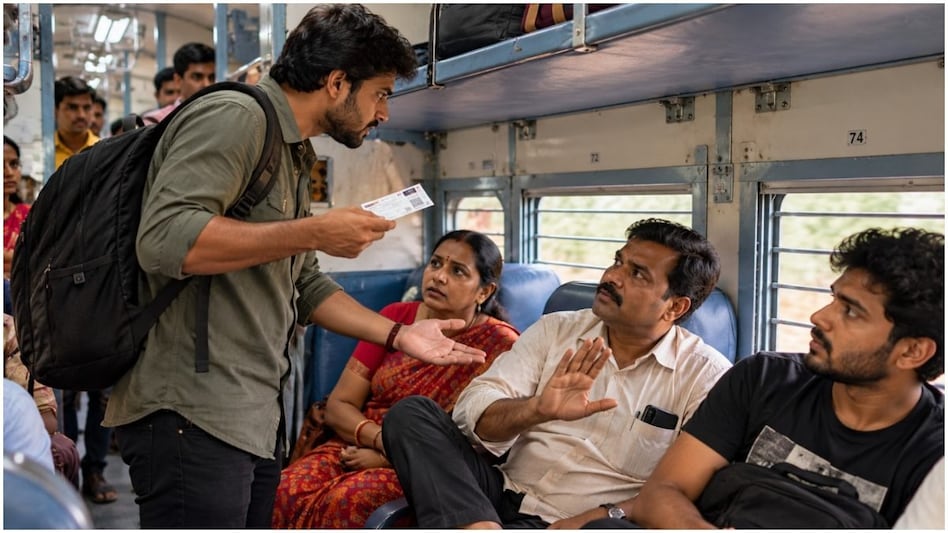
There are several reasons why passengers might not receive their seats. One of them is the occupation of the seat by other people. Although this happens rarely, someone sometimes occupies your seat and refuses to vacate it. If the police do not assist, the passenger remains without a seat.

Several months ago, in May 2026, the Consumer Protection Commission of Bhojpur district in Bihar ruled that the railway must compensate passengers in such cases. According to media reports, the incident occurred on the LTT-Patana express traveling from Mumbai Lokmanya Tilak Terminus to Patna. Four passengers purchased confirmed tickets in Third AC class for a trip from Vindhyachal to Ara. Upon boarding, they discovered that people who allegedly identified themselves as railway employees were sitting in their reserved seats.

The passengers tried to ask them to vacate their seats but were unsuccessful. According to the complaint, they were not assisted on the train and ultimately had to travel standing up. The commission found the railway responsible for inadequate service and ordered the refund of ticket costs with interest, as well as compensation of 20 thousand rupees and 15 thousand rupees to cover legal expenses.

Another scenario arises during holidays when there is an excessive crowd. Due to the huge number of passengers, confirmed tickets may become useless as passengers cannot reach their seats. In another case, which happened in July 2026, the Consumer Protection Commission of Pallackad district in Kerala held the railway responsible for inadequate service due to overcrowding in the reserved carriage and the inability of passengers to reach their confirmed seats on the Kanyakumari-Pune express.

In this case, the commission ruled to pay 50 thousand rupees in compensation and 25 thousand rupees to cover legal costs.

It also happens that one of the train carriages has to be detached due to technical reasons. In such a situation, even with a confirmed ticket, a passenger may be left without a seat. The railway must arrange alternative accommodation for the passengers of that carriage. If sufficient space is not provided, passengers may face difficulties. In 2012, a case was registered where an RAC ticket was converted to waiting list, after which the court granted compensation.

It is important to note that such situations occur quite rarely. As a rule, the railway provides seats for passengers with confirmed tickets. If such a situation occurs due to the fault of the railway, the passenger can file a complaint. First, they should contact the conductor, presenting their ticket, carriage number, and seat number. A complaint can also be filed through the official railway hotline number 139 or via the RailMadad platform. In the event of no seat, reimbursement of the travel cost may be possible.

Popular