Ranking of South African Provinces by Business Climate: Strengths and Weaknesses
Read more
IOL
iol.co.za

Ranking of South African Provinces by Business Climate: Strengths and Weaknesses

Doing business in South Africa presents a complex challenge, as conditions vary significantly from one province to another. Variability is observed in aspects such as economic weight, density of formal companies, rent, wages, municipal efficiency, crime rates, and political stability. This analytical review examines available data and ranks the nine provinces from relatively more favorable to more challenging for doing business. The analysis is based on official data from Statistics South Africa, independent research from Trade and Industrial Policy Strategies (TIPS), rental indices, and other studied sources; it should be noted that this is not an official ranking, but rather an analysis of identified patterns.

The Western Cape's Steady Edge

The Western Cape demonstrates the most consistent set of positive indicators. Unemployment remains the lowest in the country here, recently fluctuating between 18–20%, and employment growth rates are the highest. TIPS research shows that the number of formal small businesses in this province is growing more steadily than in most other regions over the past years, and median incomes rank among the best nationally. Cape Town publicly aims to accelerate the issuance of business licenses and reduce administrative delays. Many entrepreneurs note a relatively better response from municipalities compared to other major cities. However, there is a trade-off in terms of cost of living: residential rent is the highest in South Africa, according to PayProp data, which often records averages above R12,000 in recent periods. Commercial space in prestigious areas is expensive, and crime remains a serious issue in some parts of the city, although the overall provincial governance environment is considered more predictable than in several other areas.

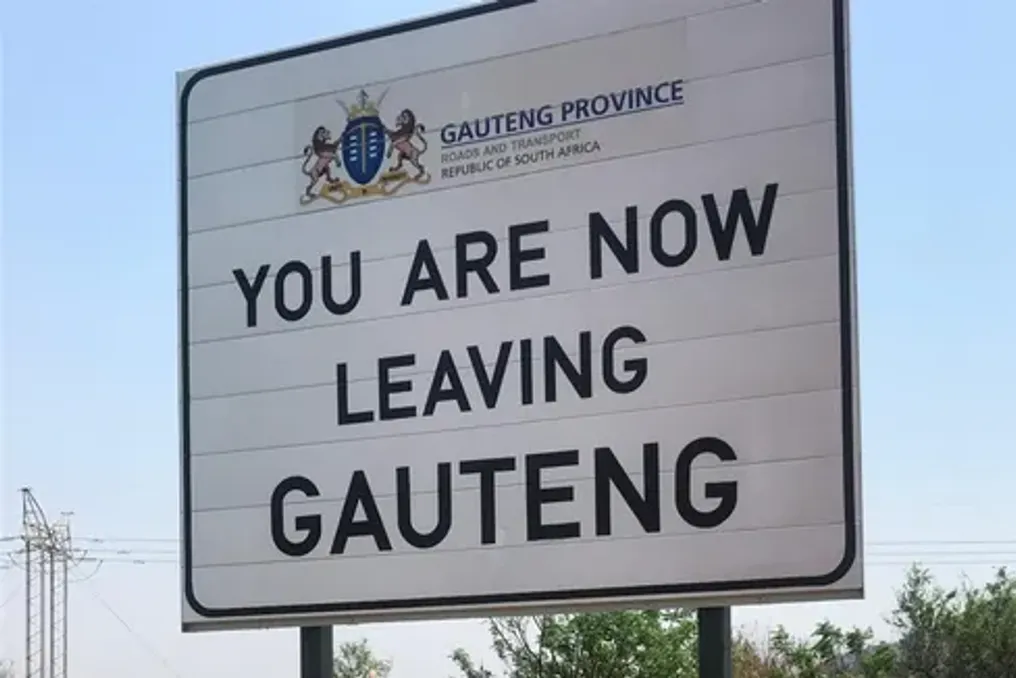
Gauteng Still Rules on Scale

Gauteng continues to serve as the country's economic hub. It accounts for approximately one-third of the national GDP and holds the largest share of formal enterprises and public company headquarters—about 70%, according to TIPS data. Median wages in Gauteng are the highest in South Africa, and the market size is unparalleled. Nevertheless, significant operational difficulties exist. Infrastructure strain, especially in Johannesburg, continues to affect daily operations. Businesses regularly cite crime and extortion as serious risks. Coalition politics in major cities sometimes slow down the adoption of consistent decisions. Rent is high, though it does not always exceed the upper limit of prices in Cape Town. Despite this, Gauteng remains indispensable for companies requiring scale and connections. For those prioritizing reliable daily operations, the data indicates more friction than in the Western Cape.

KwaZulu-Natal's Persistent Port Power

KwaZulu-Natal benefits from the port of Durban, a solid manufacturing base, and logistical advantages. Together with Gauteng and the Western Cape, it forms a three-province core that produces 63% of the national GDP, according to Stats SA and TIPS. The density of formal business here is noticeable, although lower than in the two leading provinces. Unemployment rates are higher, and median wages lag behind. Risks increase due to crime and periodic political tension. Industrial and commercial rental rates in logistics hubs can be elevated. The province has clear industrial strengths, but the overall operating environment remains more demanding than in the Western Cape or Gauteng.

Limpopo's Quiet Growth Story

According to Stats SA provincial GDP data, Limpopo demonstrated the highest GDP growth in 2024—0.9%. Mining and related services remain central to the economy. The per capita crime rate is among the lowest in the country, and overall operating costs are more moderate than in large metropolises. Although the formal business base is less extensive, and unemployment remains high, opportunities are concentrated in more specialized areas related to resources and auxiliary services.

Mpumalanga: Energy and Uncertainty

The Mpumalanga economy relies on mining, energy, and agriculture. Growth has been modest, and the unemployment rate is elevated. Wages are in the mid-to-low range nationally. Outside the main centers, rent is relatively affordable. The ongoing energy transition creates both risks and potential opportunities for adaptable businesses.

The Sparse Reality of the Northern Cape

The Northern Cape has the smallest economy, which is primarily dependent on mining. Low population density reduces competition in some sectors but simultaneously limits the size of the local market and labor availability. The cost of living may prove higher than expected relative to local incomes. Scale remains the main constraint.

North West as the Mining Hub

The platinum belt supports higher average incomes in certain areas, but the overall unemployment rate is high, and growth is weak. Outside mining towns, the formal economy is small. Service provision and crime continue to be challenges for businesses.

Free State and the Low-Cost Landscape

Characteristic features of the Free State include high unemployment, often reaching 30% or more, low growth rates, and lower median wages. Residential rent here is one of the cheapest in the country, which helps from a cost perspective. The economy is dominated by agriculture and public sector employment. The activity of the diversified private sector is limited.

The Eastern Cape Faces the Steepest Climb

The Eastern Cape bears the heaviest structural burdens. The unemployment rate has regularly exceeded 40%, the economy has contracted according to the latest full annual provincial GDP data, and median wages are among the lowest. The automotive sector and the Koega industrial zone serve as important anchors, but the broader formal economy remains weak. High levels of serious violent crime are observed in parts of the province, and municipal capacities are stretched in many areas.

Conclusions from Key Factors

Formal Business Concentration:

Analysis of TIPS labor data from Stats SA shows that Gauteng, the Western Cape, and KwaZulu-Natal together account for about 74% of all small formal enterprises, significantly exceeding their share of the working-age population.

Rental Costs:

Rental indices consistently place the Western Cape as the most expensive province for residential rent, followed by Gauteng and KwaZulu-Natal. The Free State, North West, and Eastern Cape are significantly cheaper.

Median Wages:

Stats SA labor market data shows that Gauteng leads, followed by the Western Cape. Most other provinces are significantly below the national average level.

Municipal Administration:

Cape Town has publicly set a goal to reduce bureaucracy and speed up business licensing. Many other municipalities continue to struggle with inconsistent processes and capacity constraints, which businesses often cite as sources of friction.

A Measured Takeaway:

This analytical review is based on studied official data and independent research. No single province offers ideal conditions. The existing evidence points to clear patterns. Every company must still weigh these patterns against its sector, scale, and risk tolerance. National reforms in energy, logistics, crime fighting, and local government efficiency could improve conditions universally. Until then, the differences between provinces will continue to dictate where companies choose to invest, expand, or relocate.
Similar stories

How urban environment improvement zones in Durban contribute to attracting major investments
Read more
iol.co.za

How urban environment improvement zones in Durban contribute to attracting major investments

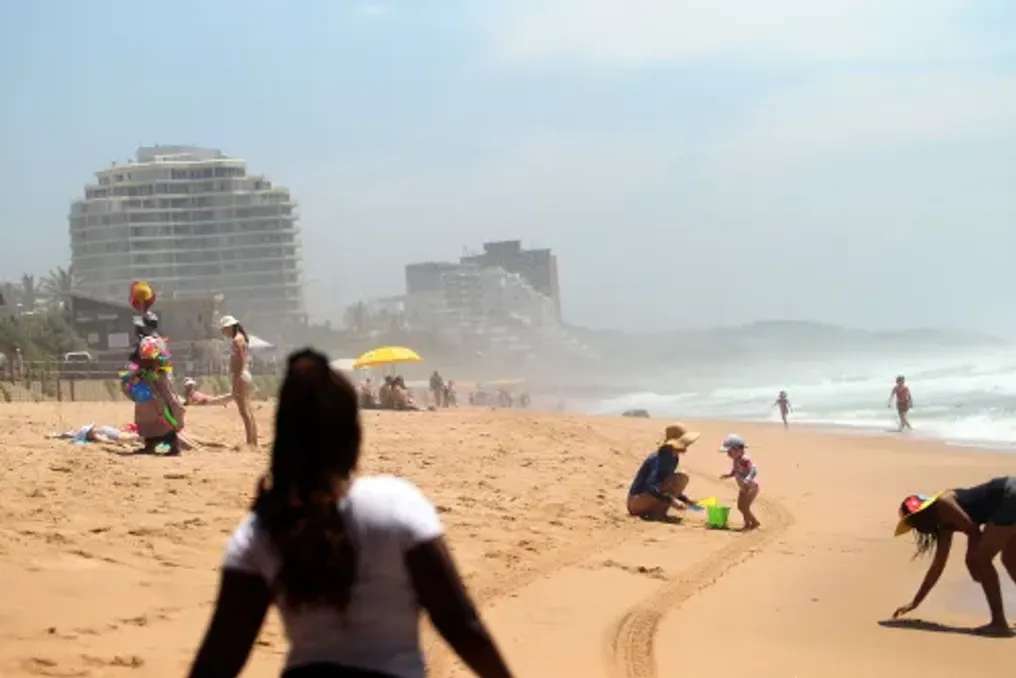
Urban Improvement Districts (UIDs) are playing an increasingly significant role in Durban's efforts to attract investment by enhancing the safety, cleanliness, and overall appeal of key commercial and tourist areas.

These non-profit organizations are established by property owners in specific zones and provide supplementary services that complement municipal offerings. Owners contribute additional funds through a special assessment regime, enabling UIDs to provide services such as security patrols, cleaning, and maintenance.

Once the necessary level of support from property owners is secured and relevant municipal permits are obtained, a zone can be officially established. These initiatives aim to create cleaner, greener, and safer public spaces, which helps build the trust required to attract long-term private investment.

R1 billion amusement park investment signals growing confidence

One of the latest examples of investment in Durban is the planned R980 million amusement park on the former Funworld site along the Golden Mile. The eThekwini Municipality confirmed that the development finance institution has approved funding for the project's development phase. Design work is complete, technical planning is underway, and remaining legislative procedures are expected to be finalized by the end of the first quarter of 2027, after which construction will commence.

This project is expected to create around 1400 jobs and will include rides, digital entertainment zones, retail shops, and an upgraded amphitheater. This development represents substantial investment in the Durban waterfront, with local entrepreneurs highlighting the role of UIDs in creating conditions favorable for such projects.

UIDs strengthen safety and maintain public spaces

The impact of UIDs is evident in several existing commercial and tourist areas. On Florida Road, the UID conducts 24-hour vehicle patrols, additional weekend foot patrols, and maintains a dedicated cleaning team. These services help sustain an environment that supports restaurants, businesses, and visitors.

In the uMhlanga area, the UID maintains a constant security presence, including a control room and waterfront patrols. It also collaborates closely with the Metro Police and the South African Police Service (SAPS). The goal is to maintain safe, clean, and attractive public places that encourage the retention of existing businesses in the area and attract new investment.

The eThekwini Municipality has also publicly commended the Glenwood UID for its contribution to safety and service provision through collaboration with the city. Similar initiatives have been created or are in development in other suburbs and commercial nodes.

Foot traffic on the Golden Mile demonstrates tourism potential

Durban's Golden Mile recorded 17.45 million pedestrian movements in 2025, a 20% increase compared to the previous year. While these figures highlight the waterfront's tourism potential, sustained investment will partly depend on whether visitors feel sufficiently safe to spend time and money in the area and return regularly.

For developers of large tourism and entertainment projects, consistent safety, cleanliness, and maintenance are crucial factors. UIDs help address these issues by providing supplementary services that augment municipal operations. Although these initiatives cannot independently resolve major infrastructure problems or broader service delivery challenges, the municipality states they create employment opportunities, support local service providers, increase property values, and attract investment. The reliability of these services can help strengthen the business case for long-term investment.

Recent data from Durban's CBD indicates that coordinated safety initiatives can contribute to improving the security situation. Ensure Ubuntu, a private security and cleaning service provider working with the municipality, reported a 28% reduction in visible serious crime in the CBD during its first 14 months of operation. The organization attributed this decrease to 24-hour patrols and faster response times. It also reported that its staff arrested 290 suspects in cooperation with the Metro Police and SAPS.

A municipal economic development official stated that this partnership helps create a safer and more attractive environment for investment, trade, and small business growth. The Central Durban UID, which covers the South Beach area along the waterfront, previously collaborated with a private security firm and the Metro Police through CCTV monitoring, control rooms, and vehicle patrols. It also coordinates with other UIDs via shared messaging platforms, allowing zones to exchange information and respond to security issues more effectively. This collaboration provides an added layer of security that can be beneficial for large tourism developments and surrounding businesses.

Public-private partnerships are key to sustainable investment

The long-term success of Durban's UIDs will depend on their ability to maintain safety, cleanliness, and other services while operating in parallel with the municipality. For investors, the stable provision of services and well-maintained public spaces can help mitigate operational risks and enhance the attractiveness of commercial and tourist venues.

The planned R980 million amusement park represents a significant opportunity for the waterfront, but its success will also depend on the broader environment in which it operates. By addressing daily issues such as crime, litter, and the deterioration of public spaces, Durban's UIDs help create conditions that support business activity and encourage investment. While the amusement park cannot be directly attributed to UID work, these initiatives are part of a wider effort to revitalize Durban and bolster confidence in its economic future.

This is a major sign of confidence in the Durban waterfront, with local entrepreneurs noting that the growing number of UIDs has played a real role in making such commitments possible. Results are visible in places like Florida Road, where the UID provides 24-hour vehicle patrols, additional foot patrols, and a dedicated cleaning team, sustaining a vibrant and welcoming atmosphere for restaurants and visitors. In uMhlanga, the UID maintains a constant security presence, including a control room and waterfront patrols, interacting closely with the Metro Police and SAPS. The goal is simple: keep the place safe, clean, and attractive so that existing businesses remain and new ones feel welcome. The Glenwood UID even received public praise from the city for practical partnership in safety and service provision. Similar systems are operating or being launched in other suburbs and commercial hubs. Foot traffic on the Golden Mile reached 17.45 million in 2025, 20% higher than the previous year. However, for long-term investors, the question is whether people will feel safe enough to stay, spend, and return, as investors in the project are betting on foot traffic. This is where UIDs come into play. While they do not solve all problems, such as major infrastructure restoration or solving urban issues alone, the municipality asserts that UIDs create jobs and opportunities for local service providers, increase property values, and attract investment. For investors considering tourism or entertainment projects, this reliability matters.

New Zealand as an APEC Member: Export Destinations and Markets
Read more
cgtn.com

New Zealand as an APEC Member: Export Destinations and Markets

New Zealand's exports cover the Asia-Pacific Economic Cooperation (APEC) region, including goods such as milk and kiwis.

According to data from the New Zealand government, over seventy percent of the country's total exports are directed to other APEC economies.

According to the World Trade Organization (WTO) for 2025, the three largest markets for New Zealand's exports are China, Australia, and the USA.

Popular