South African cricketer Simon Harmer cried after taking 10 wickets
Read more
Aaj Tak
www.aajtak.in

South African cricketer Simon Harmer cried after taking 10 wickets

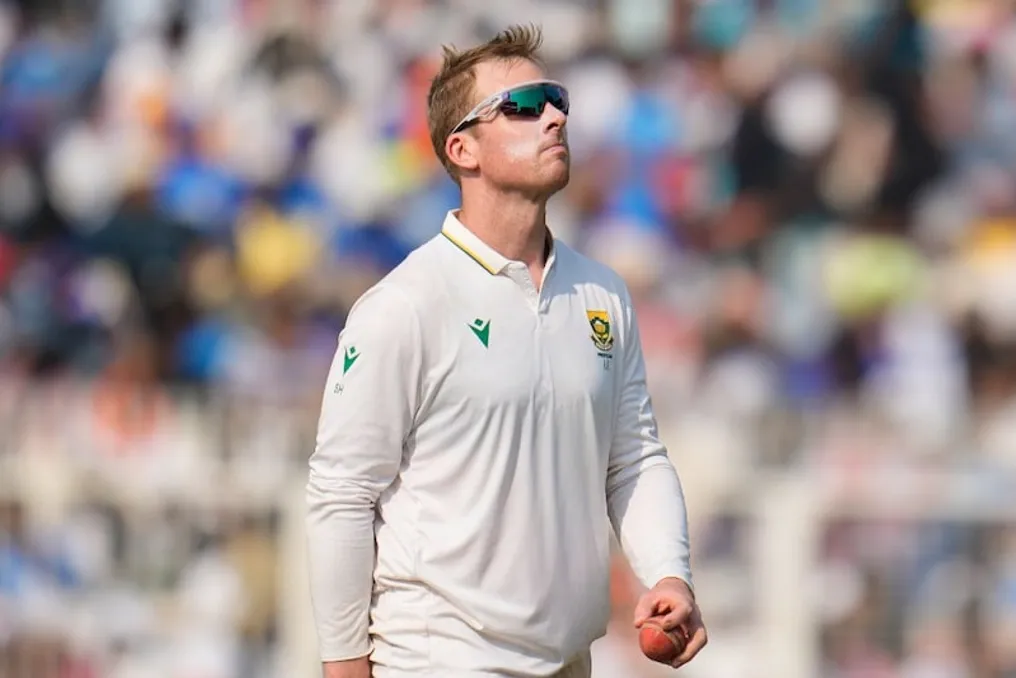
South African bowler Simon Harmer delivered an unforgettable performance in the match in Cape Town. The 37-year-old helped South Africa defeat Australia by 176 runs, taking a total of 10 wickets. With this victory, the South African team secured the series 2-1.

After the game, when asked to share his thoughts on his youth, Simon Harmer became emotional, and his eyes filled with tears. Reflecting on his journey, he stated that he would not want to change anything about his career. He noted that his life experiences shaped the person he is today.

Previously, Simon Harmer left the South African national team after a tour of India in 2015. After that, he played for Sussex in England and was away from international cricket for a long time. During this period, he improved his skills and established himself as a successful spinner in county cricket. In 2022, he returned to the South African team and got the opportunity to prove his worth again in Test cricket.

On the final day of the decisive Test, Australia needed 288 runs to win, while South Africa needed to take 10 wickets. Kagiso Rabada provided a strong start for the team, taking two wickets in the early overs. Following this, Simon Harmer did not give the Australian batsmen a chance to settle. In his second innings, he delivered a career-best performance, taking 6 wickets for 16 runs, restricting Australia to 111 runs. His overall figures in the match were 10/120, and he was named player of the match.

Simon Harmer explained that his goal in Cape Town was to consistently bowl to the right areas. On a pitch that turned the ball well, he troubled the Australian batsmen by varying pace, trajectory, and angle of delivery.

After losing the first Test by 214 runs, South Africa made an impressive comeback. The team won the second Test of the series by 31 runs, and the victory in Cape Town allowed them to conclude the Test series 2-1 and rank first in the ICC world rankings.
Similar stories

Courtney Walsh became the first bowler to reach 500 Test wickets
Read more
www.aajtak.in

Courtney Walsh became the first bowler to reach 500 Test wickets

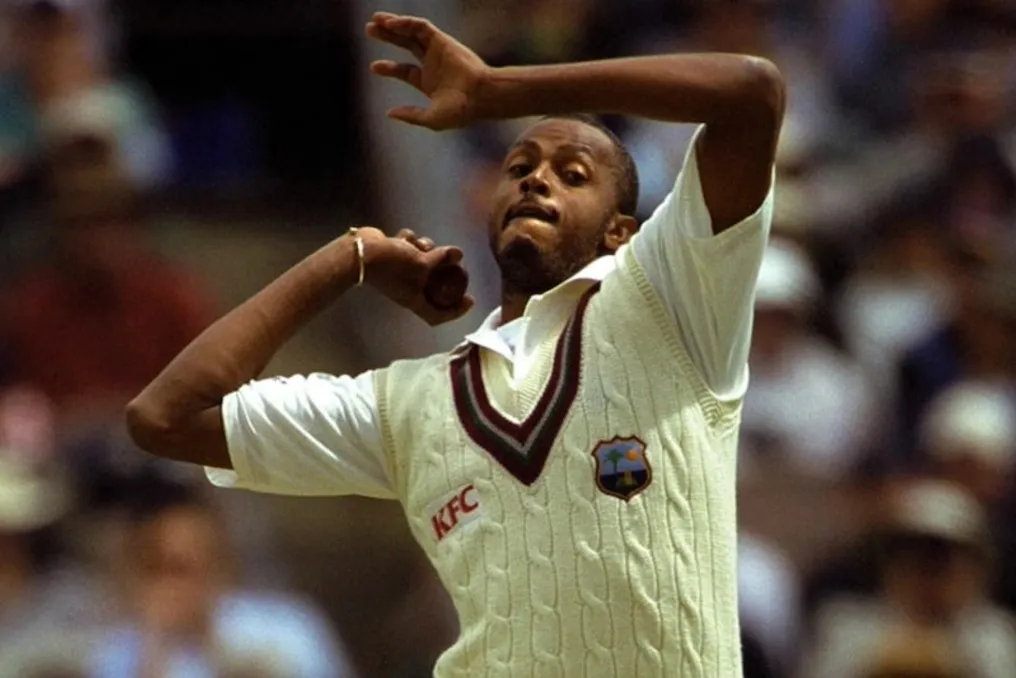
In the world of cricket, there are bowlers who have gained recognition due to their speed, physical condition, and consistently outstanding performances. Former fast bowler from the West Indies, Courtney Walsh, is one such player who set a new standard through his perseverance, physical fitness, and magnificent bowling.

Walsh was born on October 30, 1962, in Kingston, Jamaica. He became the first bowler in the history of world Test cricket to reach the milestone of 500 wickets. During his career, he played 132 Test matches, taking 519 wickets. His average was 24.44, and his strike rate was 57.8.

Walsh played during the golden age of West Indian fast bowlers, playing alongside legends such as Malcolm Marshall and Curtly Ambrose. Initially, he focused on fulfilling manual labor duties, but later, thanks to experience and skill, he became the team's leading bowler.

Courtney Walsh achieved his 500th Test wicket in 2001 when he dismissed South African legend Jacques Kallis with an LBW in Port-of-Spain. He became the first player to reach this milestone in his Test career. Throughout his Test career, he demonstrated exceptional effectiveness, taking five or more wickets in 22 matches. His best performance in a Test match was 7 wickets for 37 runs.

The partnership between Courtney Walsh and Curtly Ambrose created a unique mark on world cricket. In 49 joint matches, they took 421 wickets. While Ambrose was distinguished by his height and accuracy, Walsh's pace, bounce, and ability to remain consistently in the game posed serious problems for batsmen.

Many of Courtney Walsh's performances remain in the memory of fans. Among them are the tense victory of the West Indies over Australia in Adelaide in 1993, which was won by one round; the dangerous match against Mike Erton in Jamaica in 1994; and his crucial role in saving the team during their tour of India in 1995.

Walsh's physical fitness was impressive: he bowled 30019 deliveries in Test matches. His ODI performance was also significant. He took 227 wickets in 205 ODI matches with an average of 30.47. In this format, his best performance was 1 wicket for 5 runs.

Although Walsh's batting was not a strong suit, he was dismissed for a duck 43 times in Tests. However, this statistical figure does not define his career, given his contribution to bowling.

Bhuvneshwar Kumar ends drought of 1434 days by taking international wicket, but concedes 50 runs in 4 overs.
Read more
www.aajtak.in

Bhuvneshwar Kumar ends drought of 1434 days by taking international wicket, but concedes 50 runs in 4 overs.

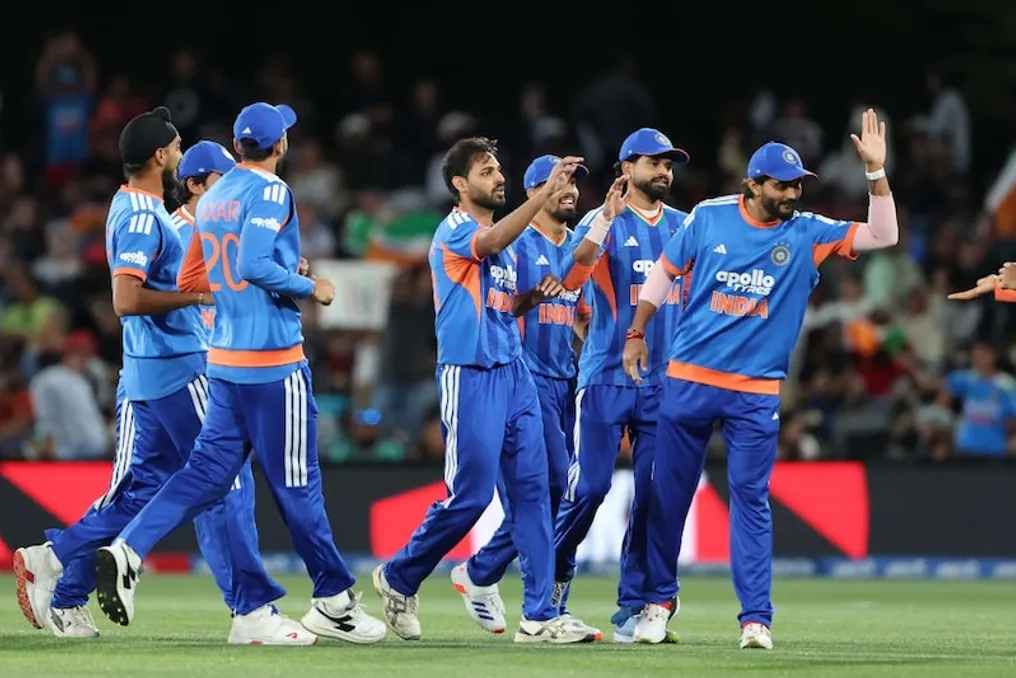
In the second T20 match held at Hagley Oval in Christchurch, the performance of experienced Indian fast bowler Bhuvneshwar Kumar proved mixed. He achieved a historic milestone by taking his first international wicket after a long hiatus of about four years, or 1434 days.

However, his bowling spin proved quite expensive. The New Zealand players actively scored runs against him, spending 50 runs in four overs. Following this performance, fans shared various opinions on social media.

During the match, Bhuvneshwar Kumar achieved significant success by dismissing New Zealander batsman Daryl Mitchell (6 runs). Mitchell was caught by a well-placed ball from Kumar; upon attempting to hit it, the ball deflected off the edge of the bat and flew into the air towards the cover point, where young batsman Tilak Verma easily caught it, sending the player to the stands.

This wicket ended a long wait for Bhuvneshwar, as his previous international wicket was taken on November 20, 2022, against New Zealand at Mount Maunganui. After such a long absence, fans expected a stronger performance from Bhuvneshwar Kumar.

Before the break, New Zealand had scored 180 runs, losing 5 batsmen. Arshdeep Singh was the top bowler with figures of 2/33. According to a BCCI report dated October 24, 2026, New Zealand scored 180 runs.

In the first innings of the match, the New Zealand team, batting first, managed to score a respectable total of 180 runs while losing five batsmen in 20 overs. During this game, Glenn Phillips demonstrated excellent play, scoring 70 runs, and Bowen Jacob also made a significant contribution by scoring 58 runs.

In the Indian team, Bhuvneshwar Kumar took one wicket, conceding 50 runs in 4 overs. Despite this costly spin, his comeback sparked much discussion among fans. For India, Arshdeep Singh took the most wickets, securing two catches.

Narendra Hirwani set a world record by taking 16 wickets in his debut match at the age of 19
Read more
www.aajtak.in

Narendra Hirwani set a world record by taking 16 wickets in his debut match at the age of 19

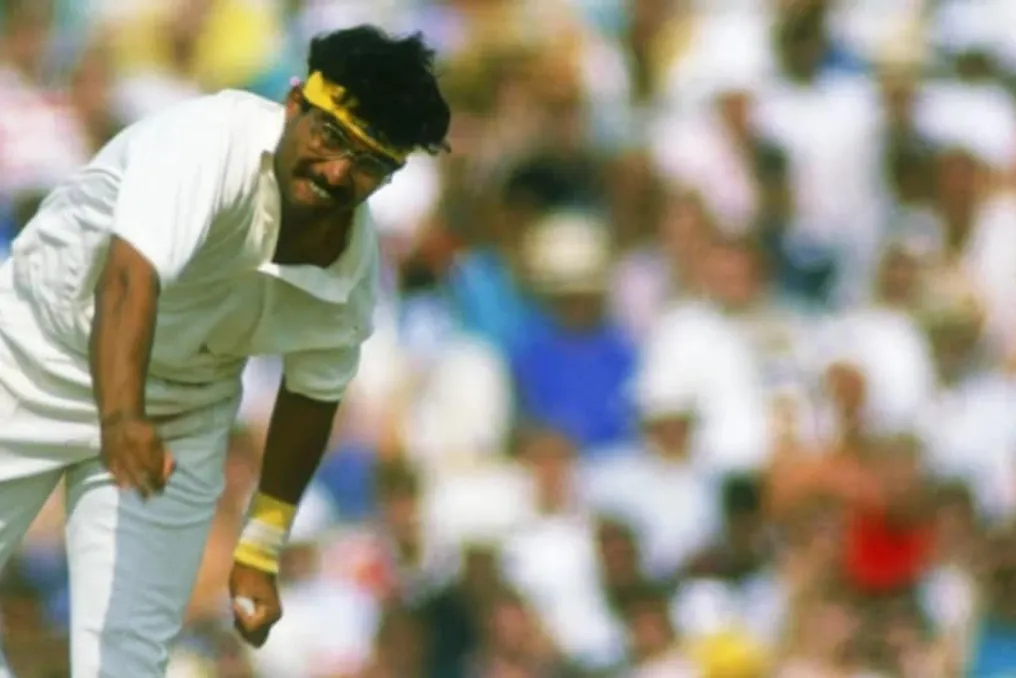
There are achievements in cricket history that time cannot erase. Narendra Hirwani's debut in Test matches is precisely such an example. This former Indian left-arm spinner, born on October 18, 1968, created a sensation worldwide by taking 16 wickets in his first match against the West Indies, while being only 19 years old.

Despite such a historic start, Hirwani's international career did not meet expectations, failing to be as long and successful.

Narendra Hirwani debuted in Test cricket against the West Indies in January 1988 in Madras (now Chennai). This player, who wore glasses, demonstrated mastery of his spin bowling: in the first half of the match, he took 8 wickets, conceding 61 runs. His magic continued in the second half of the game, where he dismissed another 8 batsmen, conceding 75 runs. Thus, Hirwani collected 16 wickets, conceding only 136 runs, and played a key role in India's victory. It is worth noting that in the second half of the match, wicketkeeper Kiran More took five wickets off his deliveries, which in itself is an exceptional achievement in a single Test match.

This phenomenal performance instantly put Hirwani in the spotlight.

Narendra Hirwani still ranks first in the list of players who have taken the most wickets in a Test debut match. Second in this list is Bob Massie from Australia. He took 16 wickets, conceding 137 runs, in a match against England at Lord's in 1972. Third place is held by Frederick Martin from England, who took 12 wickets, conceding 102 runs, in Oval against Australia in 1890.

Hirwani's achievement is particularly significant because he accomplished it in his very first match against the strong West Indies team of that time. His play instilled new hope in Indian cricket, but subsequently, he could not consistently replicate his initial success.

Furthermore, Narendra Hirwani set another unique record in Test cricket. In 1990, in a match against England at The Oval, he bowled for 59 consecutive overs without a break. During this period, he bowled 18 maiden overs and took one wicket, conceding 137 runs. This record of continuous play remains unbroken and demonstrates Hirwani's stamina and ability to stay in the game for a long time. This achievement holds a special place among the most discussed in his career.

In his first four Test matches, Narendra Hirwani took 36 wickets, leading to expectations that he would play an important role for the Indian team for a long time. However, he had to face difficulties in conditions outside the Indian subcontinent. In the next nine matches played abroad, he managed to take only 21 wickets, with an average of 59.

Although Hirwani's deliveries posed a serious problem for batsmen on spin-friendly pitches in India, maintaining the same effect in foreign conditions proved difficult. At the same time, with the rise in popularity of Anil Kumble, Hirwani received fewer regular opportunities in the Indian team.

Narendra Hirwani's international career spanned from 1988 to 1996. During this period, he played 17 Tests and 18 One Day Internationals for India. In Tests, he took 66 wickets with an average of 30.10, and in ODIs, 23 wickets with an average of 31.26.

Despite limited opportunities on the international stage, Hirwani's club performances were impressive. He took 723 wickets in 167 first-class matches, over 400 of which were taken for the Madhya Pradesh team. In the 1996-97 season, playing for Bengal, he also took 29 wickets. Hirwani concluded his 23-year first-class career in 2006. After this, in 2008, he was included in the National Selection Committee and took on a new position in sports administration.

Popular