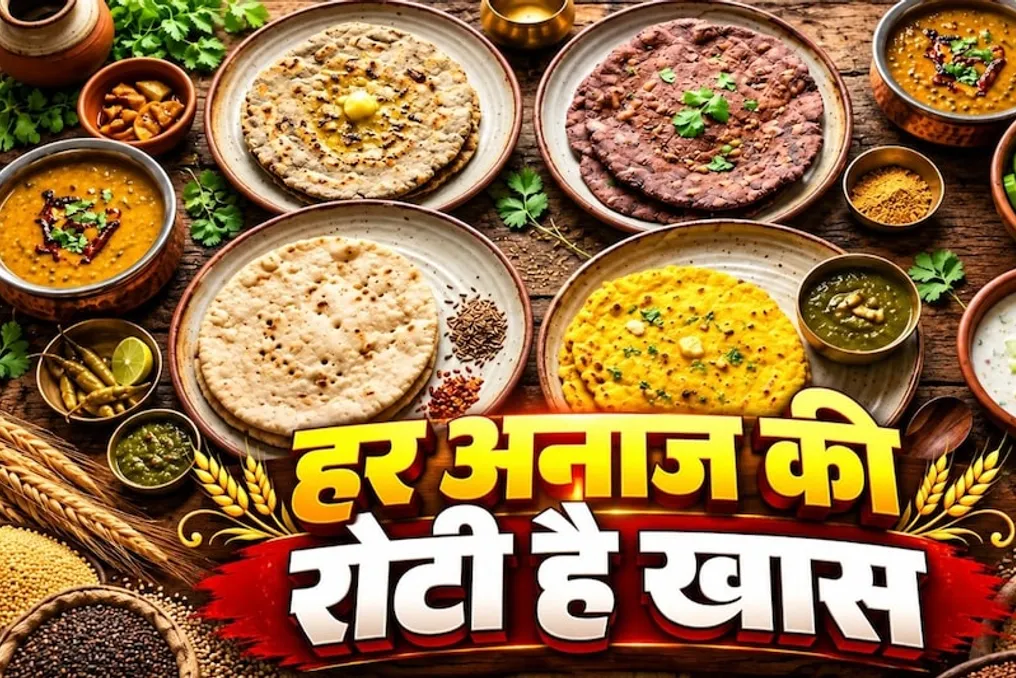
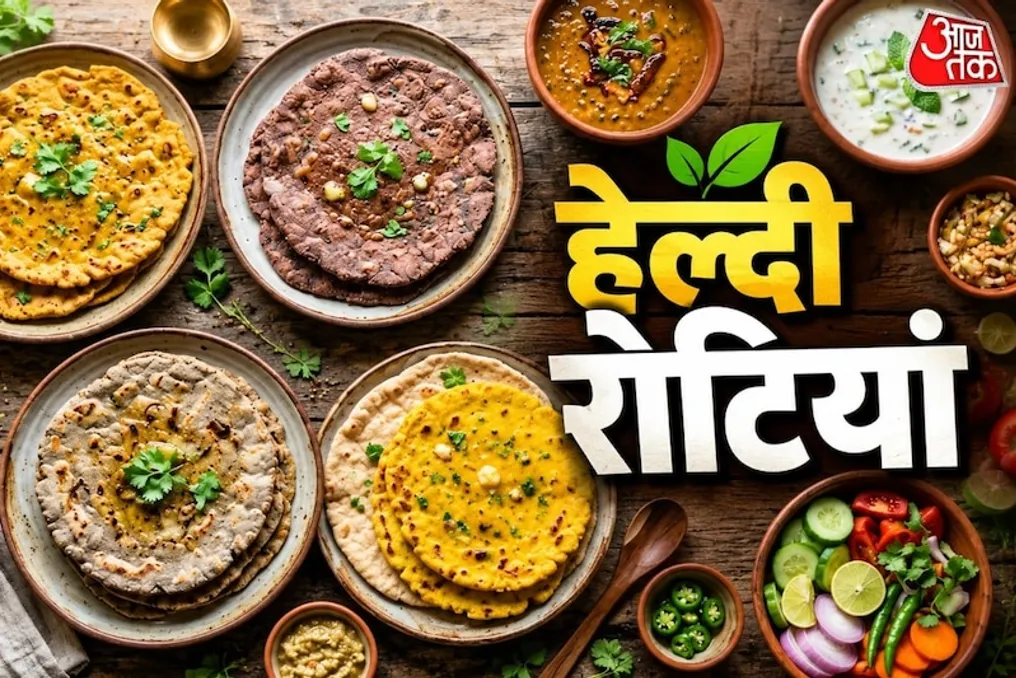
How to mix ragi and wheat flour to make healthy and nutritious flatbreads
Read more
Aaj Tak
www.aajtak.in

How to mix ragi and wheat flour to make healthy and nutritious flatbreads

Most residents of India consume wheat flour bread daily, which provides satiety and energy. However, if you aim to make your daily bread more nutritious, you can add ragi flour to the wheat flour. Ragi flour contains many nutrients such as calcium, fiber, iron, and protein, which helps strengthen bones and improve digestion.

Ragi flatbreads can seem dry or hard to some people. To make them softer and tastier, they can be mixed with wheat flour. The correct way to mix wheat and ragi flour is presented below.

Ratio of Wheat and Ragi Flour

If you are mixing ragi with wheat flour for the first time, it is recommended to start with a small amount. You can use half a cup of ragi flour for 2 cups of wheat flour. Gradually, you can increase this proportion up to equal use of both types of flour.

Dough Preparation Method

First, place the wheat and ragi flour in a large bowl and add salt to taste. Then, gradually add water and knead a soft dough. Leave the dough covered for some time to allow it to stabilize well. After that, form small balls, roll them into flatbreads, and fry them on a hot pan on both sides. You can also brush the flatbread with a small amount of ghee.

Benefits and Consumption Recommendations

When consuming ragi flatbreads, you should consider the quantity based on your digestive capacity and individual needs. It is best to start with a small amount. If you have kidney problems or other health issues, you must consult a doctor or nutritionist before regularly consuming ragi flatbreads.

Disclaimer: Ragi and wheat bread can be part of a balanced diet, but it is not a cure for any diseases. If you have blood sugar levels or other health problems, you should seek advice from a nutrition specialist.

Similar stories

How to make crispy Litti-Chokha in a multi-cooker if you don't have an oven or tandoor
Read more
www.aajtak.in

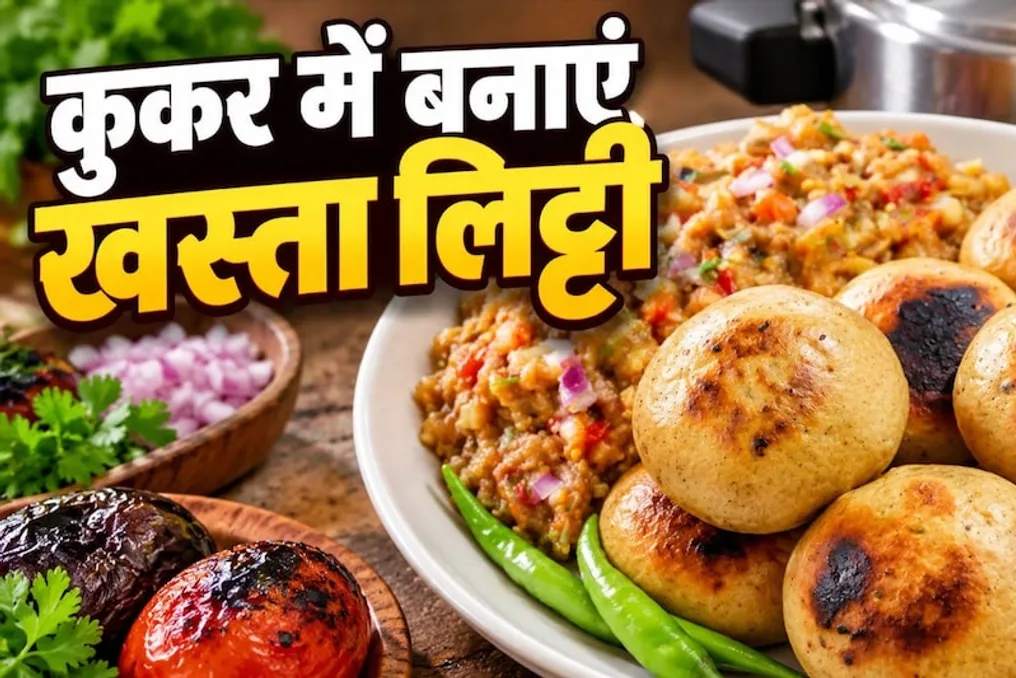
How to make crispy Litti-Chokha in a multi-cooker if you don't have an oven or tandoor

During the cold season, enjoying hot Litti-Chokha has a special charm. This dish, filled with a spicy stuffing of satto and drizzled with ghee, is loved by everyone. Although traditionally Litti is cooked in an oven or on a griddle, there is a simple way to make it in a kitchen multi-purpose appliance (pressure cooker).

If you do not have an oven or tandoor, there is no need to worry; you can prepare crispy and delicious Litti at home using a kitchen multi-purpose appliance. A simple recipe is presented below.

To begin, take wheat flour in a bowl, add salt and ghee, and mix thoroughly. Then gradually add water, kneading a quite dense dough. Leave the dough covered for about 10 minutes.

For the satto stuffing, take satto in a bowl. Add finely chopped garlic, ginger, green chili, onion, lemon juice, ajwain, kalonji, mustard oil, and salt. It is advisable to add some spices from the marinade. Mix all ingredients thoroughly.

After this, form medium-sized balls from the dough. Gently press each ball with your hands to create a depression, and fill it with the satto stuffing. Then carefully close the dough on all sides and give it a round shape. Repeat this procedure for all Littis.

In the multi-cooker, heat two tablespoons of oil. It is important to remove the rubber gasket and valve beforehand. Place the prepared Littis in the appliance and close the lid. Cook on low heat. Periodically turn the appliance carefully so that the Littis cook evenly on all sides. After about 10–15 minutes, the Littis will become golden and crispy.

The following ingredients are required to make chokha from eggplant: 1 eggplant, 2 tomatoes, 2 cloves of garlic, half a finely chopped onion, half a teaspoon of finely chopped ginger, 2 finely chopped green chilies, half a teaspoon of mustard oil, 1 tablespoon of finely chopped coriander, and salt to taste.

To make chokha, first fry the eggplant and tomato well on the stove. Make a small incision in the eggplant and stuff it with garlic and green chili to give the chokha a good aroma and flavor. After frying, let the eggplant and tomato cool.

Then peel them and place them in a bowl, mashing them well. Add the onion, ginger, mustard oil, salt, and coriander, and mix thoroughly. Your delicious eggplant and tomato chokha is ready.

When kneading the dough for Litti, it should be kneaded quite densely so that the shape does not deform during cooking. Do not add water to the satto stuffing, otherwise, it may become moist. When using a multi-cooker to make Littis, do not forget to remove the valve and rubber gasket. It is necessary to turn the Littis periodically so that they cook evenly. Serve the cooked Litti smeared with ghee, as this significantly enhances its flavor.

Serve hot Litti with eggplant and tomato chokha, as well as with finely chopped onion. In the cold season, this local taste will be very pleasing to the whole family.

Review of Seven Types of Rotis from Different Grains: Benefits and Consumption Recommendations
Read more
www.aajtak.in

Review of Seven Types of Rotis from Different Grains: Benefits and Consumption Recommendations

Roti is an integral part of the diet in Indian families, consumed daily. Although bread made from wheat flour is most commonly eaten, there are many variations of roti that can be prepared from various grains. Rotis made from cereals such as millet, sorghum, amaranth, and corn provide the body with numerous essential nutrients beyond taste, including fiber, protein, iron, calcium, and other minerals that aid in energy intake and health maintenance.

If you are tired of monotony in your diet, it is recommended to include rotis made from different grains. Below are the advantages of seven types of roti and tips for their proper consumption.

Millet rotis are especially popular during the winter period. Millet is rich in elements such as fiber, iron, magnesium, and protein. The fiber in it helps improve digestion and provides a lasting feeling of fullness. Magnesium, found in millet, is important for muscle and bone health.

How to eat properly: Bajra rotis can be combined with stewed cabbage (sarson ke saag), green vegetables, or dal. A little ghee can be added to enhance the flavor, but its quantity should be limited.

Sorghum rotis are an excellent choice for those looking to diversify their diet. Sorghum is naturally gluten-free. It contains fiber, protein, and various minerals that help improve digestion and maintain satiety for a long time.

How to eat properly: Jowar rotis are recommended to be eaten with dal, vegetables, or yogurt. If you have gluten problems, ensure that no wheat flour has been added when buying and preparing the dough.

Ragi is considered a calcium-rich grain. Ragi rotis can be part of a balanced diet that helps strengthen bones and teeth. Furthermore, ragi contains fiber, iron, and some essential amino acids, making it beneficial for the stomach.

How to eat properly: Ragi rotis pair well with dal, green vegetables, or yogurt. When kneading the dough, warm water can be used in the required amount to facilitate the roti-making process.

Missi roti is usually made by mixing wheat flour and besan. Besan is enriched with protein, fiber, iron, and folate. Adding besan to wheat flour increases the protein content in the roti. The flavor can be enhanced by adding cumin, fennel, and other spices.

How to eat properly: Missi rotis are served with yogurt, dal, or vegetable dishes. When cooking, oil or ghee should be used according to needs.

For making multigrain rotis, wheat flour can be mixed with flours from millet, sorghum, amaranth, soy, or other grains. Mixing different cereals ensures that the roti has a wide range of nutrients. The fiber it contains aids digestion and supports prolonged satiety. However, the benefit depends on the type and proportions of the flours used.

How to eat properly: Multigrain rotis can be eaten with dal, vegetables, yogurt, or cheese. When preparing the dough, it is important to maintain a balance of grains and avoid excessive amounts of salt or ghee.

Corn rotis are a traditional dish eaten in winter. Corn contains carbohydrates, fiber, and some B vitamins. It also contains carotenoids, such as lutein and zeaxanthin, which are beneficial for vision. Corn flour is naturally gluten-free, although packaged products must be checked for impurities or cross-contamination.

How to eat properly: Corn rotis are traditionally eaten with stewed cabbage. Adding a small amount of ghee enhances the flavor, but for a balanced diet, its consumption should be limited.

Wheat rotis are an important part of the Indian table. They contain carbohydrates, fiber, as well as B vitamins, iron, and zinc. Bread made from whole wheat flour helps the body obtain energy and improves the digestive process. The fiber in it contributes to a feeling of fullness for a long time.

How to eat properly: Wheat rotis are recommended to be combined with dal, green vegetables, yogurt, or cheese to add protein and other nutrients to the diet.
Alternatives to Wheat Flatbread: 5 Grain Breads Rich in Flavor and Nutrients
Read more
www.aajtak.in

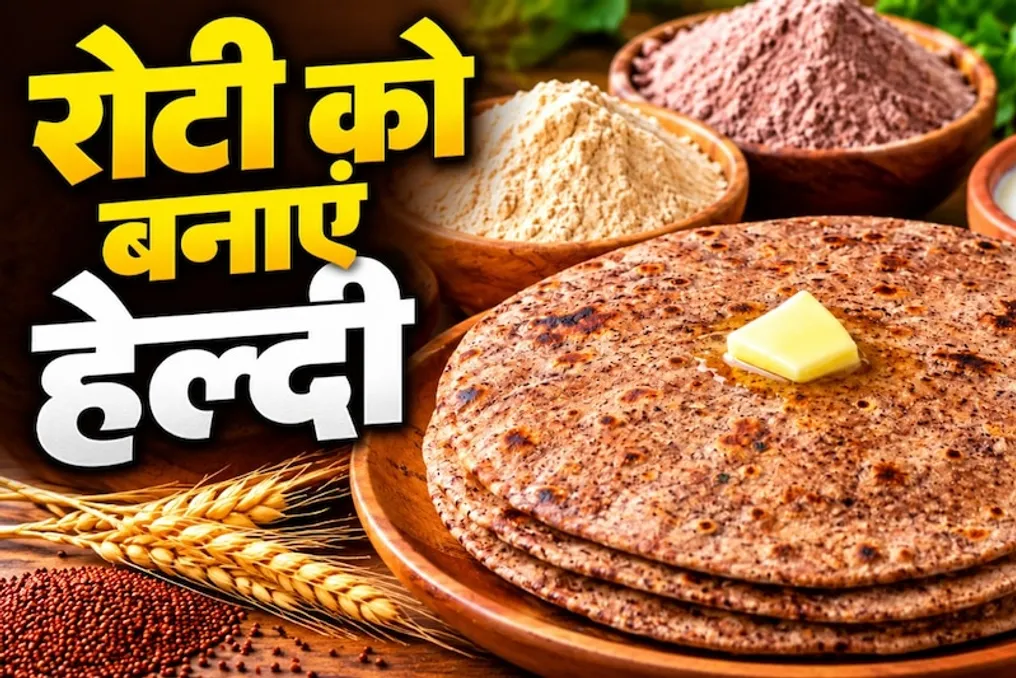
Alternatives to Wheat Flatbread: 5 Grain Breads Rich in Flavor and Nutrients

In Indian cuisine, the flatbread holds a special place; most people consider a meal incomplete without it, whether with dal, vegetables, or yogurt. Typically, flatbreads are made from wheat flour at home, but there are many other options that can be used. Flatbreads made from lentil, amaranth, millet, barley, and corn flour are not only tasty but also rich in nutrients. Including these options in the diet helps improve both the taste and nutritional value of food. Below are five healthy alternatives to wheat flatbread.

Alternatives to Wheat Flatbread

Lentil flour flatbread (besan) is an excellent source of protein, which aids in muscle building and repair. Consuming such flatbreads ensures a prolonged feeling of fullness, preventing overeating. If your goal is to increase protein intake, lentil flour flatbread can be the best choice.

Amaranth flatbread is known for its high nutrient content, including calcium and iron. Calcium is vital for bone strength, and iron is necessary for hemoglobin production in the body. Furthermore, amaranth has a relatively low glycemic index (GI). Nevertheless, people with diabetes should monitor portions and the overall meal composition when incorporating this product into their diet.

Millet flatbread is traditionally popular in winter. It is often eaten with vegetable dishes, yogurt, or palm sugar. Millet contains fiber and other beneficial components that promote improved digestion and a lasting feeling of satiety. This flatbread also provides energy. It can be included in the daily diet during winter.

Barley flour flatbread is also considered a good substitute for wheat. Barley is rich in fiber, which helps maintain normal digestion and prevent constipation. Barley flatbread can be combined with vegetables, dal, or yogurt.

Corn flour flatbread is particularly valued in winter. The tradition of eating it with stewed cabbage is very common. Corn contains nutrients such as iron, which supports normal body function. Corn flour is naturally gluten-free, making it an ideal option for people avoiding gluten. However, if you have diseases or allergies related to gluten, it is important to monitor the purity and absence of impurities in the flour.

It is important to remember that flatbreads made from lentil, amaranth, millet, barley, and corn flours can be included in the diet according to individual needs. Since the nutrient content varies in each flour, one flatbread cannot be considered universally the best. To achieve balance, it is recommended to supplement the flatbread with dal, green vegetables, yogurt, or other protein-rich foods. If you have diabetes, celiac disease, or other health issues, consult a doctor or dietitian before making major dietary changes.

Popular