Saic, the Chinese state-owned enterprise, acquired Morris Garages (MG) in 2007. The brand, with 102 years of history, returned to Brazil under the management of the Chinese manufacturer, which dominates the local market by combining Western models produced in partnership with Buick, Chevrolet, Škoda, and VW.
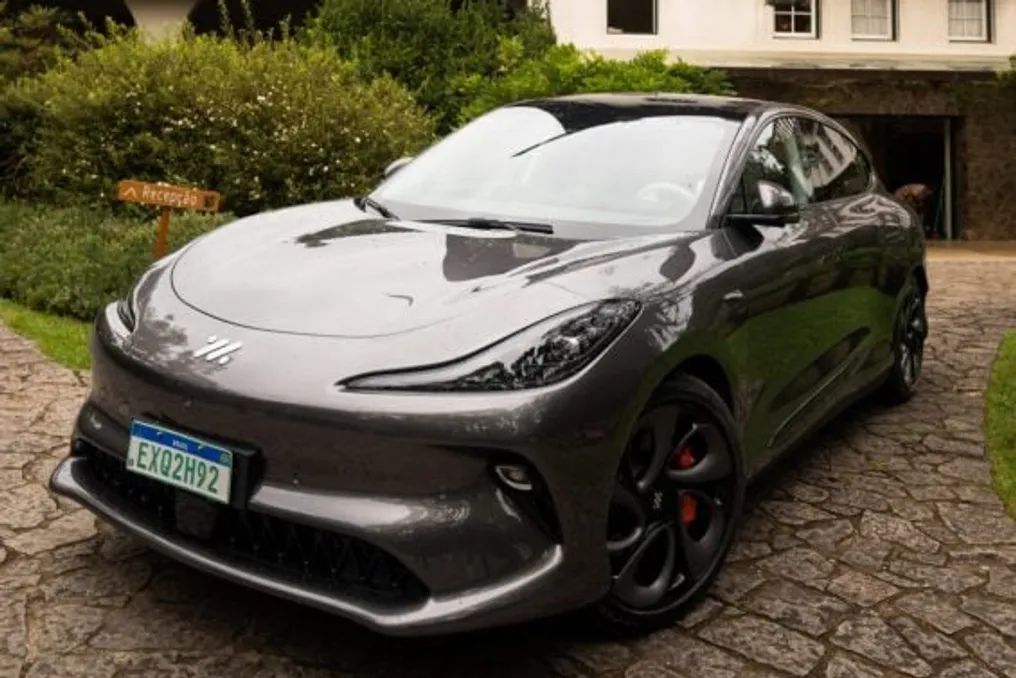
Since 2025, MG has exclusively sold electric vehicles in Brazil. One of the highlighted models is the top-of-the-line IM6 SUV, which has just been launched in 40 points of sale. The commercial director, Fábio Klemenc, expressed optimism about the vehicle. There are two versions available: Signature and Performance, priced at R$ 368,990 and R$ 439,990, respectively. The main competitors mentioned are the BYD Sealion 7 and the Zeekr 7X.
The top-of-the-line IM6 features 752 hp and 81.8 kgfm, allowing it to reach 100 km/h in 3.5 seconds, a remarkable performance for its weight of 2,410 kg. Its 800V electric platform supports charging from 10% to 80% in just 18 minutes, and offers an average range of 400 km (city/highway) according to the Brazilian Inmetro standard. The car is equipped with active damping pneumatic suspensions and rear axle steering up to 12°, improving handling in parking maneuvers.
In terms of comfort and safety, the IM6 has a trunk capacity of 665 L and a front compartment of 32 L. The vehicle's quietness is enhanced by laminated double-glazed windows without frames on all four doors and an active external noise cancellation system. The interior impresses with a continuous 26.3-inch rectangular screen that integrates the instrument cluster and the multimedia screen. The front seats are inspired by sofas, offering up to 12 electrical adjustments, as well as memory, heating, ventilation, and massage functions for the driver. Additionally, the vehicle received the highest rating in Euro NCAP crash tests with seven standard airbags.
The less equipped Signature version features rear-wheel drive, with 295 hp and 45.9 kgfm, accelerating from 0 to 100 km/h in 6.4 seconds.
Chery's international offensive gained greater clarity during a summit held at the company's headquarters in Wuhu, China, in October. All new products destined for Brazil are scheduled to be launched in 2027.
The compact SUV Omoda 4 is expected to arrive in the second half of the year with a flexible hybrid powertrain, a decision made in the Asian country, the world's largest vehicle producer. This option was chosen considering the vast ethanol distribution network in Brazil, avoiding forcing an immediate powertrain change on the driver. Details regarding the hybrid architecture, power, combined torque, consumption, and price are still awaited.
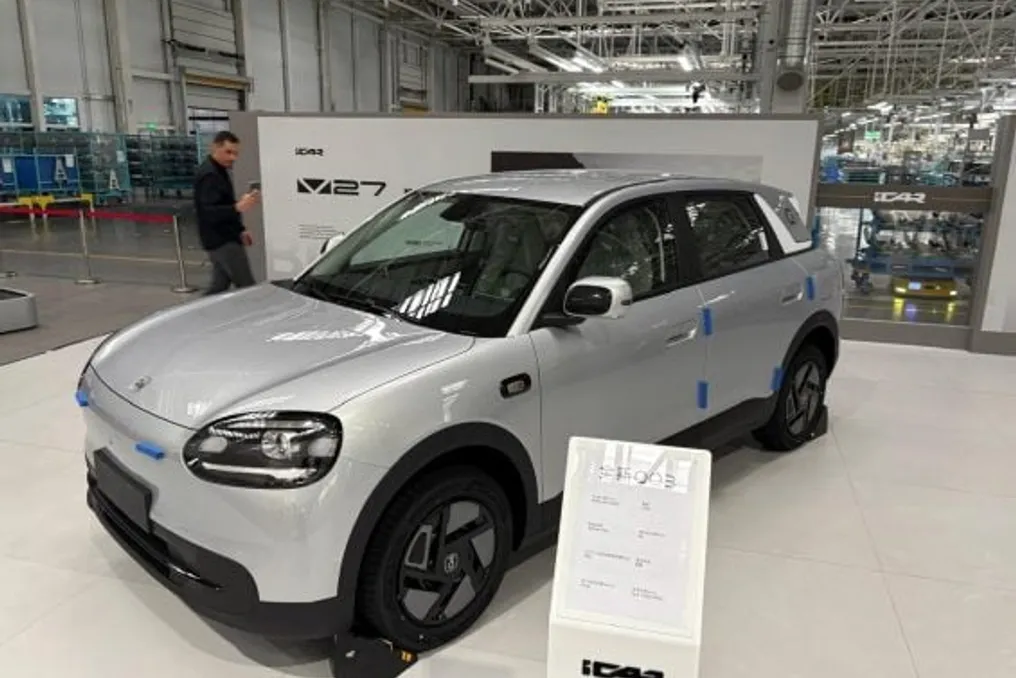
The iCaur V27 model is scheduled to debut starting in March, coinciding with the inauguration of the brand's first dealership in the country. Its large adventure SUV design should attract significant interest, although the national market demands more than just a robust appearance; internal space, efficiency, equipment, performance, and technical support will define its positioning against established competitors. The final configuration of this model will still be announced.
The medium SUV iCaur V25 is also planned for release in the second half of the year, having been presented globally in Wuhu, with options for electric or extended-range propulsion and intelligent all-wheel drive. The launches aim to test the group's ability to differentiate its brands commercially: Omoda focuses on an audience interested in style and technology, while iCaur appeals to a more adventure-oriented image.
Furthermore, Lepas, the third brand of the Chery group, is also preparing to enter Brazil in the second half of 2027, exporting the L4 (compact), L6 (medium), and L8 (large) SUVs.
The large number of new arrivals implies the need for significant investments in dealerships, parts, and after-sales services. For the consumer, the success of this strategy will depend less on the volume of launches and more on reliability, maintenance cost, and preservation of resale value—something the Chery group appears prepared to face.