Major Iranian Singers and Orchestras Perform in Various Cities Across Iran This Week
Read more
Tehran Times
www.tehrantimes.com

Major Iranian Singers and Orchestras Perform in Various Cities Across Iran This Week

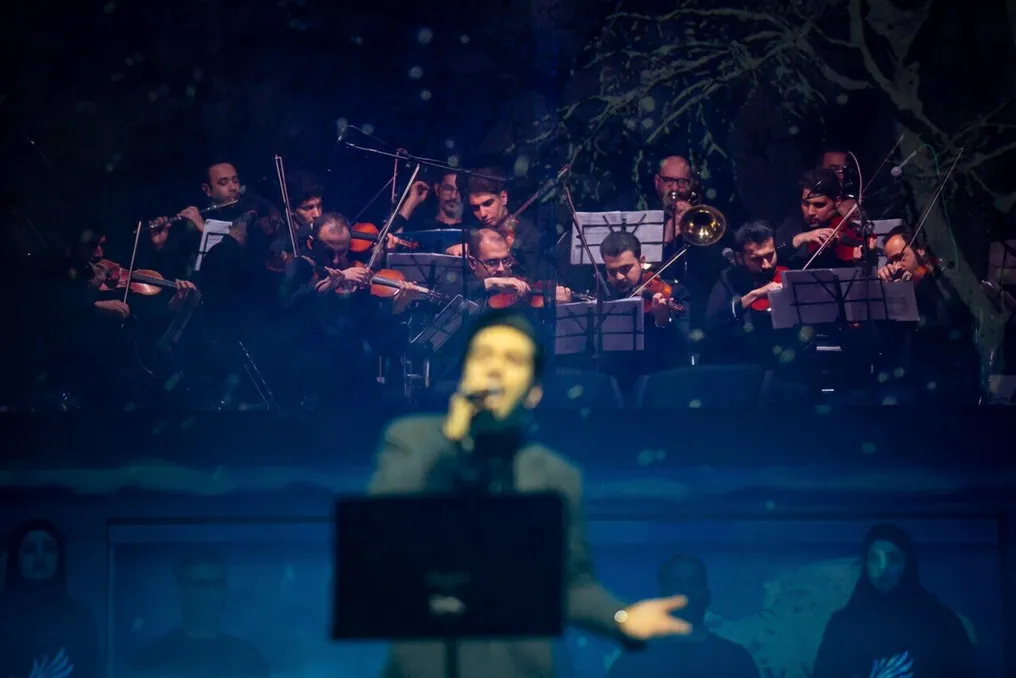
A series of concerts featuring renowned Iranian singers, musicians, and orchestras is currently taking place across the country. Performances are scheduled in Tehran and several other cities until November 6th, offering the public a diverse program of live music in the coming days.

The concert program, running from October 31st to November 6th, covers various musical genres. According to a report by Mehr, it includes performances by some of the country's most popular singers, as well as orchestral and instrumental programs.

Among the notable events is a series of concerts by singer Homayoun Shajarian, which are being held at the Naghsh-e Jahan Stadium in Isfahan throughout the week. His performances are considered among the most significant events on the current music calendar.

Vocalist Alireza Ghorbani is also performing in Sari, while pop singer Arman Gharashabi has scheduled several concerts at the Espinas Palace in Tehran. Meanwhile, Reza Bahram will take the stage in the Isfahan City Center, where numerous performances are planned over the week.

The strong positive response from the public to the concerts by Shajarian, Ghorbani, Gharashabi, and Bahram has led to the addition of extra shows to their schedules. It is also reported that high demand caused temporary glitches on some ticket sales platforms during peak sales, forcing attendees to use alternative online resources for purchasing tickets.

Other popular artists are also presenting their music to audiences in different parts of the country. Majid Razavi is slated to perform in Bandar Abbas and Gonbad-e Kavus, while Hamid is holding concerts in Gorgan. The program also includes performances by Omid Hajili in Tehran, Aaron Afshar on Kish Island, and Babak Jahankhosh in Isfahan.

The program also features a number of orchestral and classical music presentations in the capital. The young orchestra and choir Mitra are scheduled for November 4th and 5th at the Rudaki Hall.

Another important event is the performance of the Alnam Orchestra, conducted by Vahid Alipour with vocalist Vadoud Moazenzadeh, at the Milad Tower on November 4th.

On November 5th, the 'New Music in Iran' concert will take place at the Vakht Hall, presenting compositions by Alireza Mashaehi and hosted by Arash Amini. Additionally, the Damavand Orchestra, under the direction of Behzad Rahnami with a solo performance by Ghasem Navab Safavi, is also scheduled at the Rose Mall in Tehran on the same day.

The final days of the program will bring even more performances in Tehran and other locations. On November 6th, instrumentalist Vahid Asadollahi will perform at the Vakht Hall, and singer Zaki Shamsabadi will take the stage at the Niavaran Cultural Center. The musical group Navan will also perform on Kish Island.

The geographical distribution of the concerts, ranging from Tehran and Isfahan to Sari, Gorgan, Bandar Abbas, Zanjan, and Kish Island, reflects the ongoing activity of Iran's local music scene, where both established performers and orchestral ensembles are presenting their latest repertoires.

According to information published on official ticket sales platforms, the performances are taking place in concert halls, cultural institutions, and major stadiums, with additional events planned in the coming days.
Similar stories

Iran and Tajikistan plan to expand cultural cooperation
Read more
www.tehrantimes.com

Iran and Tajikistan plan to expand cultural cooperation

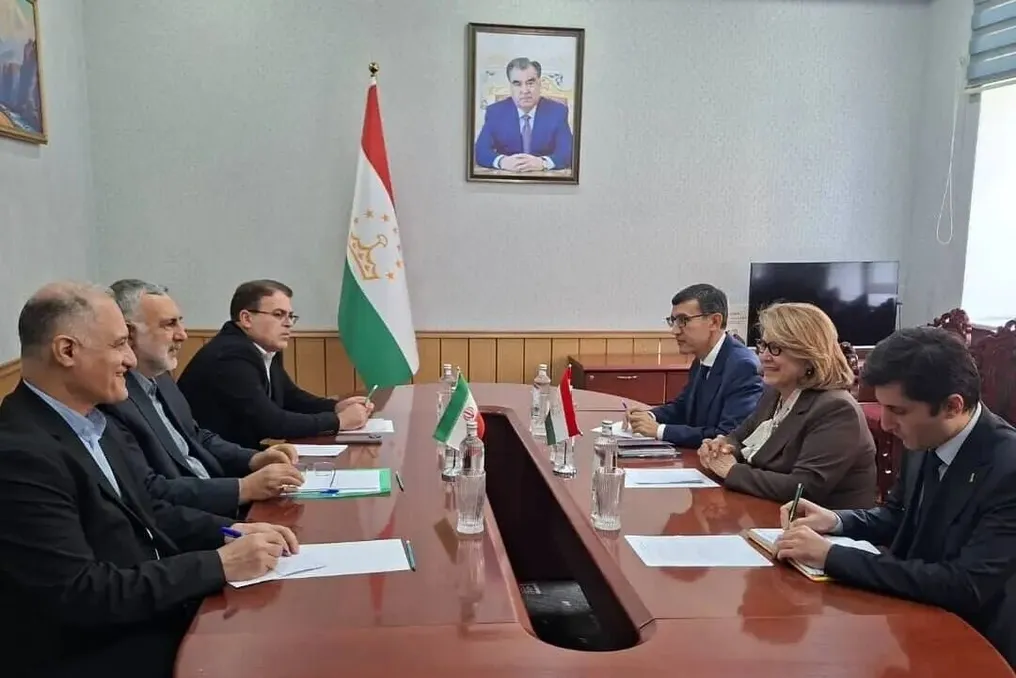
Mohsen Javadi, Deputy Minister of Culture of Iran, and Matlubahon Sattoriyon, Minister of Culture of the Republic of Tajikistan, emphasized the need to establish a specialized working group to monitor and implement bilateral cultural agreements in the fields of publishing, printing, and translation of literary works, as well as the popularization of shared Persian heritage.

According to ISNA, the meeting took place on October 24 during the XIV Dushanbe International Book Fair in Tajikistan. The goal of the negotiations was to deepen long-standing cultural and literary ties between the two states.

Discussion of practical solutions for expanding cooperation

During the meeting, the parties exchanged views on practical ways to increase the level of interaction in various aspects of the book industry, including printing, publishing, and reading books. Special attention was paid to coordinating, synergizing, and planning work on collecting, printing, and publishing the works of prominent literary and historical figures common to both countries.

Cultural representatives of Iran and Tajikistan noted the ancient heritage of Persian language speakers as a valuable asset, stressing that its preservation and proper publication require the continuous involvement of relevant organizations and institutions in both countries. Other topics raised at the meeting included the introduction and translation of works by contemporary authors from both countries, as well as the development of an ecosystem for the Persian language in cyberspace.

To ensure the implementation of approved measures and the practical realization of the reached agreements, it was decided to form a special joint working group composed of representatives of Iranian and Tajik culture. This group will be responsible for continuous monitoring and facilitating the process of implementing bilateral cooperation programs.

The XIV Dushanbe International Book Fair took place from October 22 to 24 at the National Museum of Tajikistan. The House of Books and Literature of Iran presented over 300 titles at the fair, promoting Iranian literature and opportunities for cultural partnership. The Iranian pavilion showcased classical and modern literature, studies on Iranian culture, as well as children's and youth literature.

The House of Books and Literature of Iran also held meetings with Tajik cultural officials and participated in specialized sessions to study issues of cooperation in translation, publishing, and literary exchange. Iran regularly attends the Dushanbe Fair, and Tajikistan participated in the Tehran International Book Fair (TIBF), becoming a special guest of TIBF in 2023.

Review of Art Exhibitions in Tehran Galleries
Read more
www.tehrantimes.com

Review of Art Exhibitions in Tehran Galleries

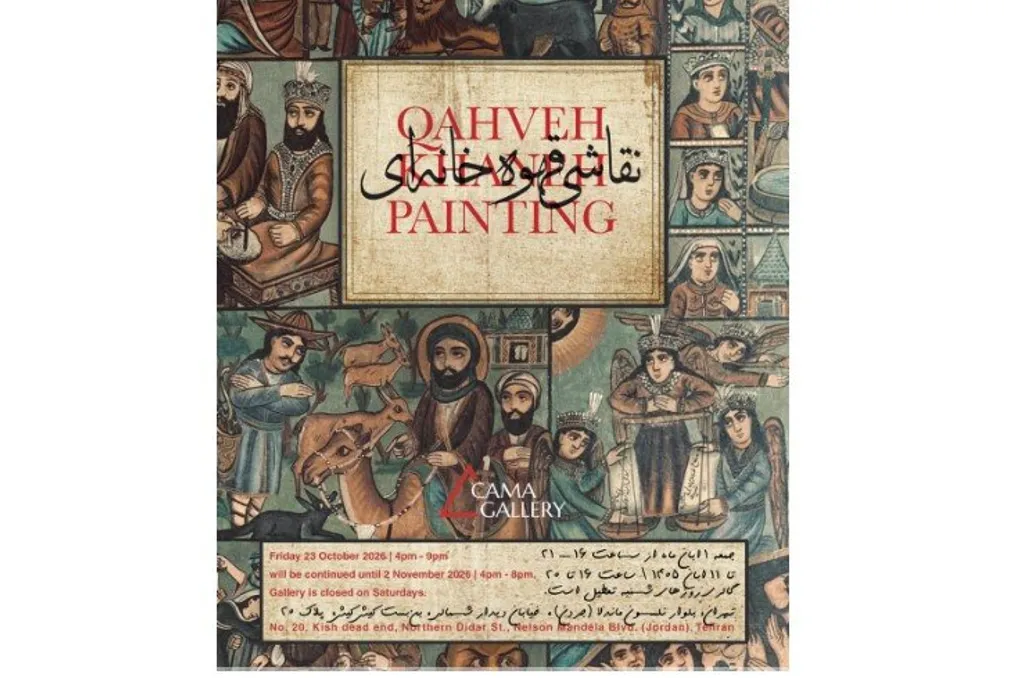
A number of art exhibitions are currently taking place in various galleries across Tehran. At the CAMA – Contemporary and Modern Art Gallery, an exhibition of paintings by a group of artists is being shown, running until November 2nd. This gallery is located at: No. 44, 10th Golestan, Pasdaran St.

Kavin Gallery is hosting an exhibition of Shahro Babaei's paintings. The exhibition, titled 'Nightfall,' will be available to visitors until November 6th. The gallery is located at: No.24, Pesian St. Zaferanieh Neighborhood.

Keiman Gallery features Farnaz Bagban's paintings under the title 'The Regression 2.' This exhibition concludes on November 2nd and is located at: 10 Akhgari St. in the Elahieh district.

Bashgah Gallery is hosting an exhibition of works by several artists, titled 'Someday, You’ll Remember.' This exhibition runs until November 6th and is located at: No.13, Hosseini St., Karim Khan Ave.

Shokuh Gallery is featuring Farrokhht Kiaiemehr's paintings, which will end on November 2nd. The gallery is located at: 19 Amir Nuri Alley, North Salimi St. off Andarzgu Blvd.

Atbin Gallery currently displays Fatemeh Kasraian's paintings under the title 'Voyage to Nowhere.' The exhibition will continue until November 3rd and is located at: 42 Khakzad Alley, Vali-e Asr Ave. near the Parkway Intersection.

Hoor Gallery is holding an exhibition of Samila Amir-Ebrahimi's paintings, which will run until November 13th. The gallery is located at: 12 Naeimi Alley, North Mirza Shirazi St., off Motahhari Ave.

Maria Beygi's collection of paintings is exhibited at 009821 Projects Gallery under the title 'The Nest of Fire.' This exhibition concludes on November 3rd and is located at: No. 25, 18th Alley, Kheradmand St., Karim Khan Ave.

Mohammad Nouriyan's paintings are presented at Negar Gallery. The exhibition will run until November 6th and is located at: No. 5, Bahrami alley, Mashahir Street, Qaem Maqam Farahani Avenue.

Aria Gallery is also hosting an exhibition of Panteh Bayat Mohtari's paintings. This exhibition will conclude on November 2nd and is located at: No. 10 Zarrin Alley, near Beheshti St., Vali-e Asr Ave.

Iran and Syria jointly inscribed the tradition of making and playing the oud on the UNESCO Intangible Heritage list
Read more
www.tehrantimes.com

Iran and Syria jointly inscribed the tradition of making and playing the oud on the UNESCO Intangible Heritage list

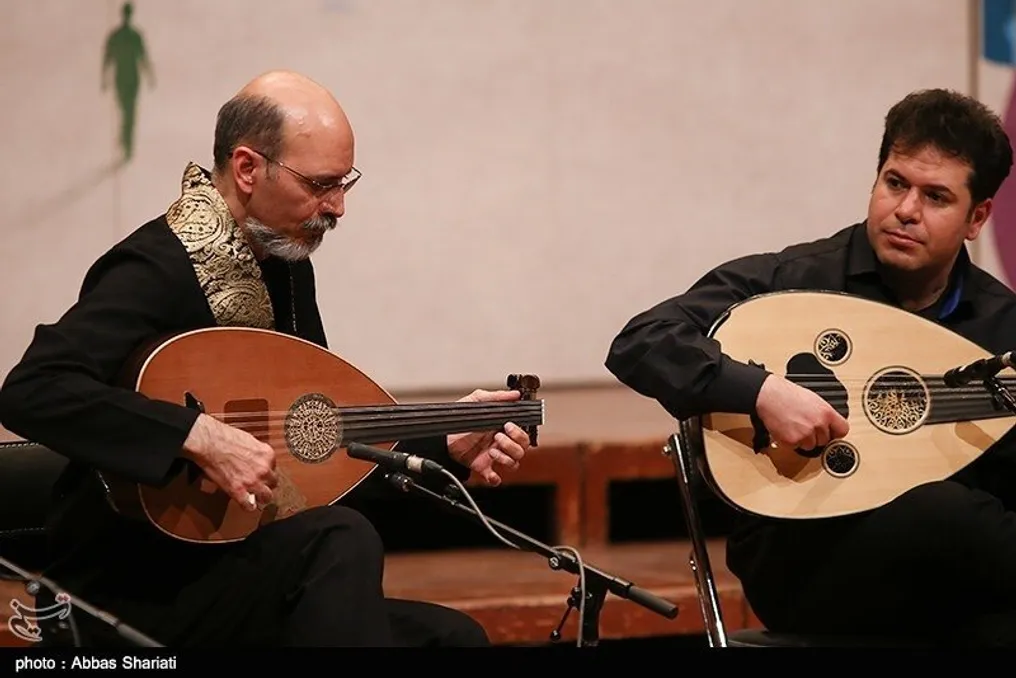
The oud, a stringed instrument with a characteristic pear-shaped body and resonant melodies, has long been part of the musical traditions of Iran and the wider West Asian region. The mastery of its creation and performance, passed down through generations of masters and musicians, received international recognition in 2022. Iran and Syria jointly inscribed this tradition into the UNESCO List of Intangible Cultural Heritage of Humanity.

This inscription was adopted at the 17th session of the Intergovernmental Committee for the Safeguarding of the Intangible Cultural Heritage, held in Rabat, Morocco, from November 28 to December 3, 2022. Thanks to this addition, the number of elements of Iran's intangible cultural heritage increased to eighteen.

The oud is a stringed instrument resembling a lute, known for its warm and expressive sound. Musicians play it by resting the instrument on their leg, using one hand for fingerpicking and the other for plucking the strings. The instrument's ability to create rich melodic and harmonic tones makes it suitable for both solo performances and ensembles accompanying folk songs and dances.

Creating an oud requires patience and specialized woodworking skills. The most distinctive part is the pear-shaped resonator box, which is usually made of walnut wood and plays a key role in shaping the instrument's resonance. According to traditional methods described in Iran's nomination, making an oud can take about 25 days, including stages of wood preparation and processing. Water and steam are used to increase the durability and ease of wood processing.

A typical oud has five pairs of strings, although some variations may include a sixth string. Differences in construction and string tension allow musicians to produce a wide range of timbres and adapt the instrument to various musical styles.

Beyond its physical form, the oud embodies a body of knowledge encompassing material selection, woodworking, instrument construction, and musical performance. Its historical presence is reflected in artistic depictions, literary works, and miniature painting, serving as a testament to its place in the region's cultural memory.

In the southern regions of Iran, this instrument and its associated musical traditions hold particular significance among certain Arab and Bakhtiari communities, especially in the provinces of Khuzestan, Bushehr, and Hormozgan. Oud music is also practiced and valued in other parts of the country, including Tehran, Kurdistan, Shiraz, Isfahan, and Khorasan.

The tradition is maintained through formal education and apprenticeship. Music schools, art centers, colleges, and universities teach oud playing, while experienced performers pass on their knowledge through direct instruction. The making of the oud, traditionally performed mainly by men, is also attracting more women, expanding participation in this craft.

Iran included this tradition in its National Heritage List as early as 2018, before submitting a multinational application with Syria for UNESCO recognition.

The inclusion of the oud in the UNESCO list complements Iran's extensive registry of intangible cultural heritage, which includes Radif Iranian music, Bakshi music from Khorasan, the art of making and playing the kamancheh, the traditional craft of the dotar, carpet weaving, Ta'zieh, Nakkali storytelling, and miniature painting.

The joint recognition of oud craftsmanship and performance underscores the importance of preserving living traditions that transcend national borders. Their continuity depends not only on preserving techniques and instruments but also on ensuring that the associated knowledge, music, and cultural practices remain part of the daily life of future generations.

Popular