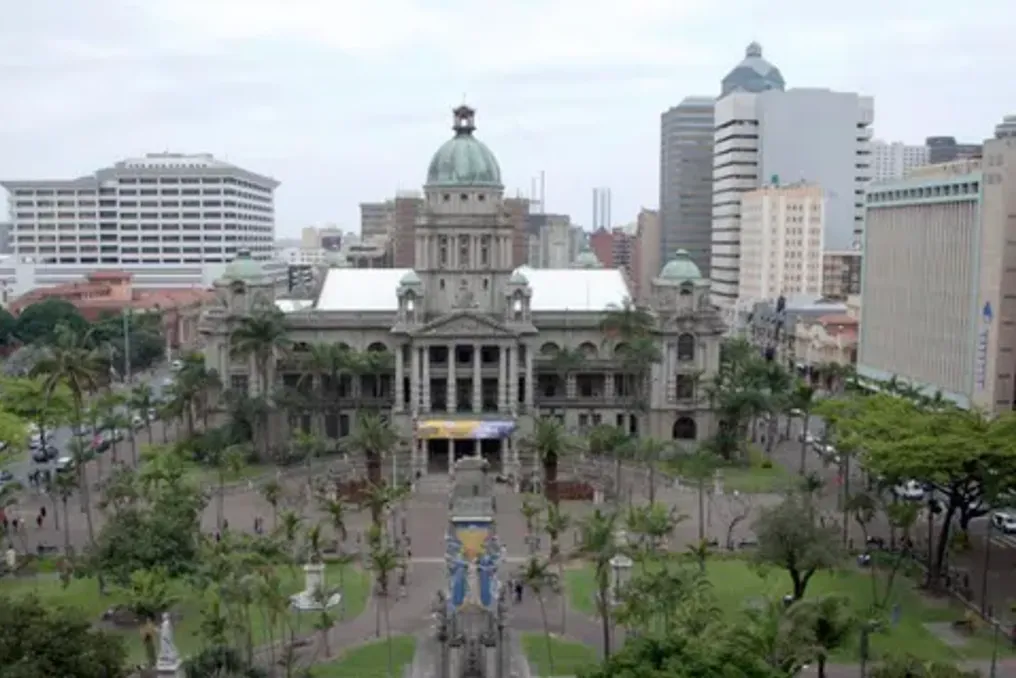
eThekwini plans to implement smart meters across the city amid residents' complaints about high water bills
Read more
IOL
iol.co.za

eThekwini plans to implement smart meters across the city amid residents' complaints about high water bills

Residents of Durban have faced unexpectedly high water bills and disputed municipal charges. In response, the eThekwini municipality has pledged to implement a smart meter system throughout the city, acknowledging that the problem is exacerbated by estimated readings and unregistered household leaks.

Speaking about the project, Municipal Spokesperson Tabani Nyawose noted that the installation is in an advanced stage but warned that equipping all facilities in the city will take several years.

As a temporary measure, residents are advised to send photos of meter readings via the eThekwini mobile application to facilitate more accurate billing.

These assurances came amidst reports from citizens and community organizations regarding bills reaching tens of thousands of rand, as well as threats of disconnection linked to poor coordination between municipal departments during formal bill disputes.

Nyawose admitted that high water bills pose a problem for the municipality, attributing some difficulties to estimated meter readings and undisclosed leaks in homes. He emphasized that residents must participate in solving this issue by providing accurate data.

"We are solving the high bill problem. But to win this battle, we must work with communities; we must work with citizens and individual households," stated Nyawose. He added that the smart meter installation project is in an advanced stage but acknowledged the scale of the task given the size of the city and the number of sites requiring installation.

He continued: "Over the next few years, we will install new smart meters on all our facilities and in households. There will be improvement. It is good that the public is aware that this issue is being addressed as a recognized area where, yes, using estimates is unacceptable." He concluded that it has become clear in the city that the burden lies with the customers, and the goal now is to have a smart meter on all municipal sites.

Before the implementation process is complete, Nyawose advised residents to upload meter reading pictures through the municipal app to improve billing accuracy. He also urged those receiving excessively high bills to contact the council's dispute resolution committee, noting that most complaints are successfully resolved through this mechanism.

Nyawose reported that several organizations, institutions, and private individuals have approached the municipality with suggestions for resolving billing issues, and he called on the public to share their own ideas.

Billing problems have also raised concerns about the impact of unreliable municipal services on business and investment in Durban. Professor Purshottham Sivananrain Reddy, a public sector management specialist from the University of KwaZulu-Natal's School of Business and Leadership, stated that the issue of inflated billing is serious, and residents, as well as other stakeholders, should be given the opportunity to contribute to finding solutions.

Reddy noted: "Many of us want to contribute to the debate and can offer solutions because we have direct experience; we have faced all these billing problems. But I am not sure if the municipality is ready for this." He stressed that advisors need to give residents a chance to voice their concerns and ensure their experience is heard.

Jennifer Reddy, CEO of Morar Incorporated, stated that service delivery, safety, and health issues directly affect business investment. She pointed out that constant disruptions in water and electricity make it difficult for businesses to operate and retain staff.

"In the halls where we sit, a big task we are trying to solve is bridging the gap between advisors, municipalities, and business to create a business-friendly environment that allows us to be economically productive," she said. Reddy added that it cannot be expected that all businesses will have alternative energy sources, wells, or tanks to compensate for unreliable basic services.

"These are the basic needs we must provide to continue doing business and improving the services we, as businesses, can provide to the communities where we operate," she noted. She warned that businesses will find it difficult to plan growth in areas where the reliability of basic services remains low. Reddy concluded: "I think the municipality should consider: we are trying to attract business to the country, to these regions. And you can only do that where we say we are self-sufficient, sustainable, and equipped to meet the needs of our citizens."
Similar stories

Unesp research uses artificial intelligence to estimate water quality data in São Paulo rivers
Read more
g1.globo.com

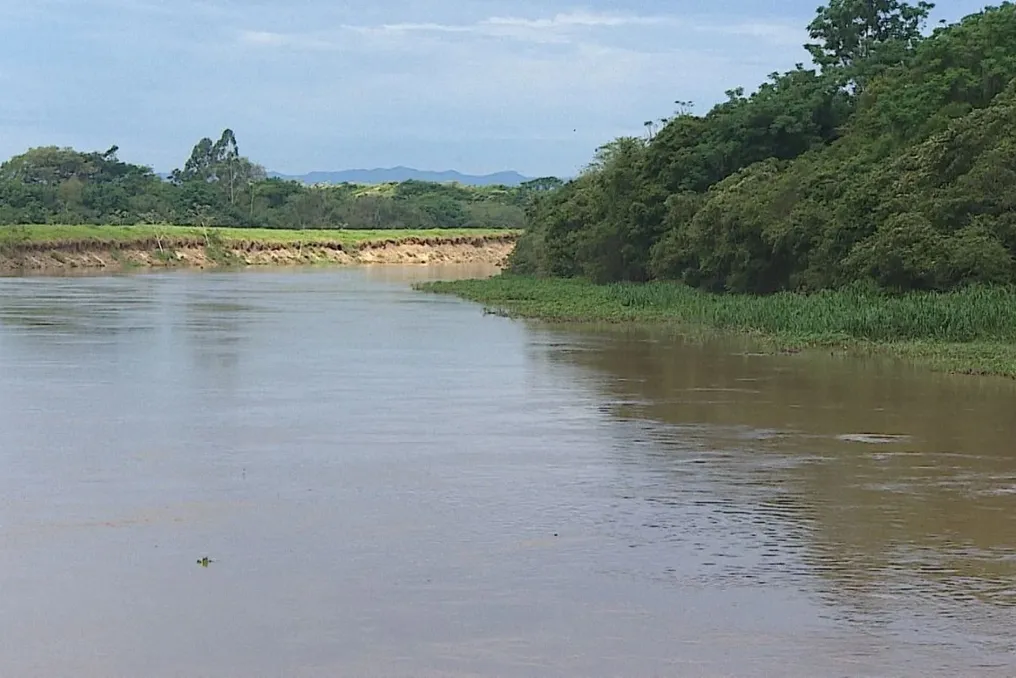
Unesp research uses artificial intelligence to estimate water quality data in São Paulo rivers

Research conducted at the State University of São Paulo (Unesp), located in Guaratinguetá, employs artificial intelligence to project missing data in the water quality assessments of the rivers in the Paraíba Valley, in the inland region of São Paulo.

This technological application provides continuous support for monitoring, even when certain measurements are not taken. The study was carried out by electrical engineer Wilson dos Santos Júnior during his master's degree at the aforementioned university.

For model training, records provided by the São Paulo State Environmental Company (Cetesb) were used, accessible through the Infoáguas system, covering the time period from 2013 to 2023. The conception of this research arose, among other reasons, after noting failures in monitoring during the Covid-19 pandemic, a period when field teams faced difficulties conducting some collections.

Wilson explained that the technology would allow to 'fill these gaps and not lose this tracking control.'

How the technology works

The system operates by analyzing past data to recognize patterns and thus estimate values that were not recorded. The parameters included in the calculation of the Water Quality Index (IQA) encompass temperature, pH, and coliform detection.

In the tests performed, the direct prediction of the index showed an error of less than 10%. However, the approach that first estimated the missing parameter before calculating the index resulted in an average error approximately twice as small.

Possible applications

The researcher also indicated the viability of cross-referencing water quality data with pluviometric information, aiming for a deeper understanding of the effects of long periods of drought or very intense rainfall on the rivers.

It is important to emphasize that this tool does not aim to replace the analyses and collections carried out by the São Paulo State Environmental Company (Cetesb), but rather to complement the water quality surveillance process.

Professor Marcela Machado, from the Engineering course at Unesp in Guaratinguetá, who served as the project advisor, clarified that the technology serves to assist in calculations and projections using existing data. She stated: 'What we did is another mathematical model to help with the existing data, which is collected by Cetesb. We only developed models to help with calculations and predictions.'

De Goede Hoop residents dispute water bill exceeding R500,000 due to metering error
Read more
iol.co.za

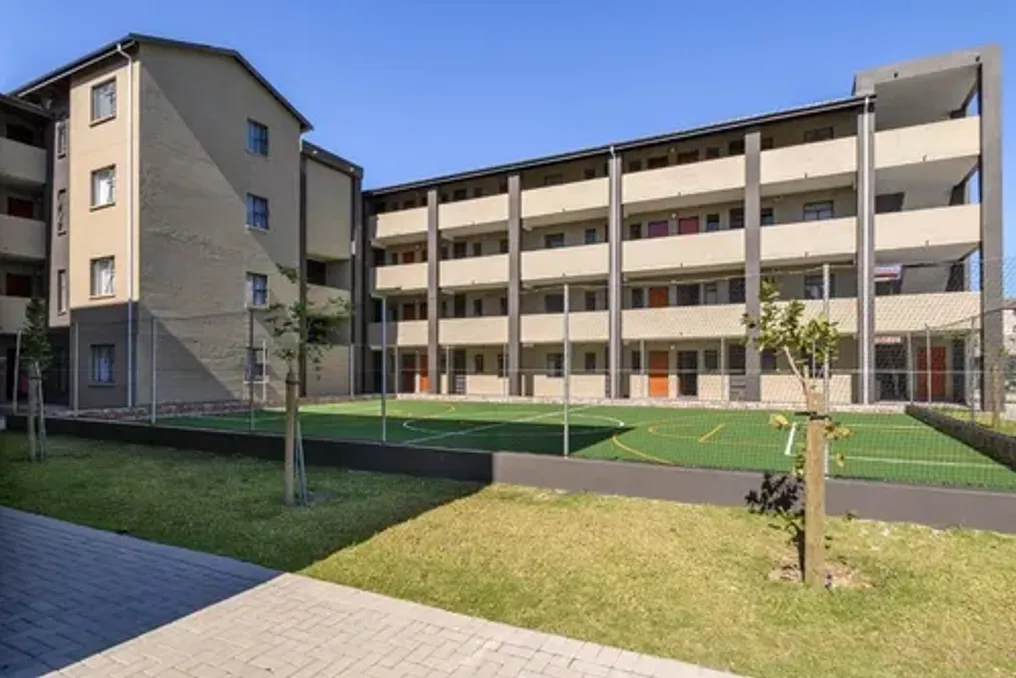
De Goede Hoop residents dispute water bill exceeding R500,000 due to metering error

Residents of the De Goede Hoop complex in Kraaifontein are disputing a municipal bill for water supply and sewage that exceeded R500,000. This occurred after the City retroactively charged for consumption of 13,002 kiloliters, which resulted from the restoration of the main meter previously removed from the system.

The managing corporation notes that the calculation and subsequent adjustments of the bill create financial pressure on homeowners. The City stated that this matter is under review by the City Ombudsman.

Trustees of the complex, which consists of 192 units, claim that the dispute relates to the construction history, which included the suspension and resumption of work before management was transferred to the residents. Chairman of the Board, Reginald Cupido, reported that many homeowners are first-time buyers, and trustees are also dealing with issues related to unresolved defects, infrastructure, maintenance, historical obligations, and other outstanding matters. He emphasized that the municipal bill was one of the most complex problems for the managing corporation.

Cupido recounted that when trustees first contacted the City in late 2024, the municipal bill was approaching one million rand. The amount was subsequently reduced through payment agreements with the City and special levies collected by the managing corporation. Another agreement to pay outstanding debts was concluded in March 2026, with the expectation of settling the amount in early 2027.

However, trustees later expressed doubts about the basis of this agreement. Cupido noted: 'The trustees were initially not clear that the billing provision underlying the agreement included estimated consumption.' He added that this caused particular concern because the managing corporation was already dealing with a separate issue regarding the retroactive bill issued during the period when the main meter was not operational.

According to the trustees, subsequent adjustments and cancellations led to another change in the bill's status, and the outstanding amount again exceeded R500,000. Cupido concluded that this places a financial burden on the managing corporation and ultimately on the homeowners.

The historical construction process of the complex is central to the trustees' concerns regarding the municipal bill. Developer Calgro M3 stated that construction began in 2016/2017, and work in most Scottsden areas was halted in March 2018 due to land invasions related to numerous unfinished properties in that area. Construction at De Goede Hoop resumed around March 2022, and the complex was completed in December 2023, according to the developer.

According to documentation provided by Cupido, the main water meter was removed from the City's system in 2020. The City later confirmed that the removal was an error, and the meter was restored on August 8, 2023. Documents indicated that the developer's bill was issued before February 22, 2023, and the managing corporation's bill started operating from February 23, 2023, also in 2023. The developer did not dispute this assertion.

Cupido noted that the developer's final bill reflected a water charge of R162.78 for nine days but did not show the volume of water consumed or a usage-based charge. The bill also indicated that the property was 'vacant land.' However, the developer stated that it could not comment on how the City described the property in its billing.

In response to Northern News, the company stated: 'We can confirm that Calgro M3 accounted for and paid for the water and sewage consumption related to its construction activities during the construction period, based on a detailed calculation of water usage during construction.'

Thus, in the opinion of the trustees, the managing corporation's bill became active while construction was still ongoing and before the main meter was restored. After the meter was restored in August 2023, 13,002 kiloliters of total consumption were retroactively charged. This retroactively charged consumption became a key part of the dispute, including questions about how consumption should be allocated between domestic use, common property, and construction-related consumption.

Cupido reported that the Managing Corporation also ordered an independent audit of utilities to better understand consumption and potential construction-related components. Calgro M3 stated: 'We confirm that the Managing Corporation's municipal bill became active while construction on the final phase was still underway.'

The company added: 'This is not unusual in phased development, where completed units are occupied while later blocks are being built, which is why Calgro M3 calculated and paid its share of consumption for the relevant construction period.' Calgro M3 also stated that it considers its obligations for water and sewage charges for the construction period and other related issues settled, and did not dispute the City's meter readings.

'After visiting the site and conducting a detailed analysis provided by the managing corporation, Calgro M3 calculated its share of water and sewage expenses for the completion of Block C (September – December 2023) and paid this amount to the managing corporation, and this was accepted as settled.'

Cupido also mentioned that the trustees discussed with the developer Calgro M3 issues arising from the project's development history. He noted: 'The broader issue is that when projects are stopped, resumed, and eventually handed over to residents, unresolved issues arising during the development process can ultimately become the financial and practical responsibility of homeowners and their managing corporations.'

The trustees demand clarification from the City regarding the management of the water agreement during the stoppage and restart, the basis of retroactive billing, the continued use of estimated consumption, and subsequent bill adjustments. The City was questioned about the retroactive consumption, estimated billing, meter removal, and activation of the managing corporation's bill before the meter restoration. In response, the City stated that this matter is under review by the City's independent Ombudsman office for assessment. 'Since this is being assessed by the City Ombudsman, no further information will be provided, as this is an active assessment, and it is one of the last instances after the applicant has exhausted other City departments.'

}, 2.

Popular