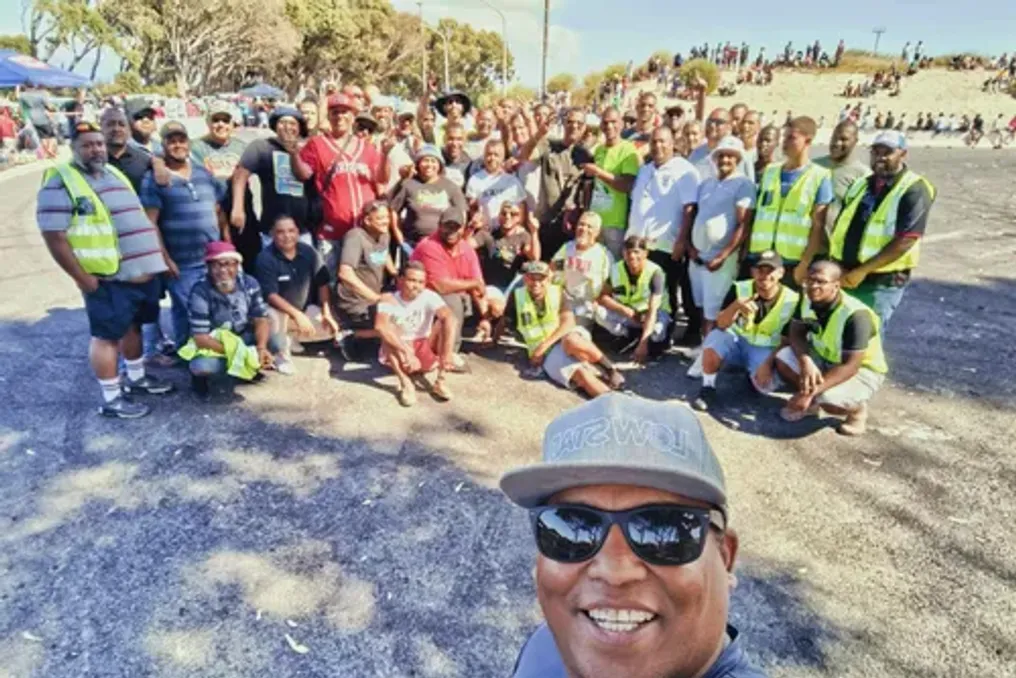
There is a growing interest among youth in Mitchells Plain for motorsport, particularly acrobatic driving (spinning). However, a local community initiative aims for this motoring culture to serve a purpose beyond just a love for racing.
The organization Supporting People in Need (SPIN) utilizes popular car culture to teach young people driving skills, discipline, and self-confidence. It also creates a space where they can interact with the community and find opportunities outside of street life.
For Shakim Bell, who grew up in Mitchells Plain, this initiative holds deep personal significance. Through SPIN, he and other volunteers strive to channel the youth's passion for spinning into a constructive path that helps them grow, learn, and feel part of the community.
Bell noted: 'We use spinning as a means to bring people together, and then we can help where it is needed.' His own experience was shaped by loss: his father was killed at the age of 12, after which he lived with his grandfather, who was a mechanic. This experience strengthened his interest in motorsport and mechanics, and now he hopes to use this passion to provide guidance and opportunities for young people beyond the racetrack.
SPIN originated from gatherings that attracted more and more residents. Bell explained that the goal was to use the appeal of spinning to unite people and create a positive atmosphere in an area affected by gang violence.
The positive impact is also visible in those supporting the events. One cleaner, who participated from the early stages, reported enjoying watching the youth gather for the events. He described the initiative as 'something good,' providing teenagers with a place to spend time instead of 'loitering on the streets or standing on corners.'
These gatherings give residents a chance to participate, volunteer, and contribute to maintaining a positive environment. Bell emphasized that the program relies on older members of the spinning community and volunteers who help maintain order and support younger participants.
SPIN's ambitions go beyond simply teaching children how to drive. Bell also pointed out that the program emphasizes humility, social skills, and the conduct expected of athletes. He stated: 'The need to instill a sense of humility in any athlete from the very beginning.'
Children use driving simulators to develop an understanding of vehicle control before practicing in real cars. The goal, according to Bell, is to make learning enjoyable, allowing participants to develop at their own pace while learning to work in a team.
For some young people, dreams are already taking shape. Kayen, a young man from Beacon Valley, shared his aspirations: 'I want to be a spinner, but I am an acrobat.'
SPIN gained wider attention when young spinner Connor February appeared at the Gas Motor Show in Durban. Eleven-year-old Connor from Mitchells Plain is the son of renowned spinner Sean February, also known as Shorty February.
Connor became a sensation at the event, where his driving skills drew widespread attention and even overshadowed some anticipated main events, including Hollywood actor Sanga Kang. Rhys Williamson, producer of the documentary The Soul of South African SPIN, noted that the demonstration by this young man showed what is possible when youth receive support and opportunities.
Williamson said: 'When I first saw the interest and effort of the SPIN organization in creating opportunities for the youth of Mitchells Plain, Cape Town, I immediately recognized the potential of what they are trying to achieve.' He added that the challenges faced by the youth in this area, including gang influence, crime, and lack of positive opportunities, make this initiative worthy of support.
He stressed: 'It was about showing the youth of Mitchells Plain that there are opportunities outside of the streets, gangs, and crime. With the right support, encouragement, and visibility, these young people can achieve great things.' Williamson believes that spinning can help youth maintain focus and motivation. 'If we can inspire even one young person to choose motorsport over gang life, we have already made a contribution.'
SPIN aims to transition spinning activities into a more structured environment, rather than letting young people practice driving on public roads. Issues of safety, supervision, and child protection procedures remain important for parents and the wider community.
Bell expressed hope that the initiative can develop a model that other communities can adapt, helping spinning become a recognized sport with a stronger development structure. Spinning is deeply rooted in Cape Town's car culture, and the program unites both older participants and young enthusiasts. Bell believes this connection can help preserve the sport's history while creating a more structured path for the next generation.
He concluded: 'The spinning part itself is not actually the main reason why we do this.' For Bell, the main goal is to help youth develop as individuals, not just as drivers, by learning responsibility, safety, and commitment necessary for success. The ambition is to create something that can be replicated elsewhere. Long-term success will depend on maintaining development work and ensuring proper support and protection for young participants.