Used Audi A3 Sedan: 10 Facts About the Model Produced in Brazil
Read more
AutoPapo
autopapo.com.br

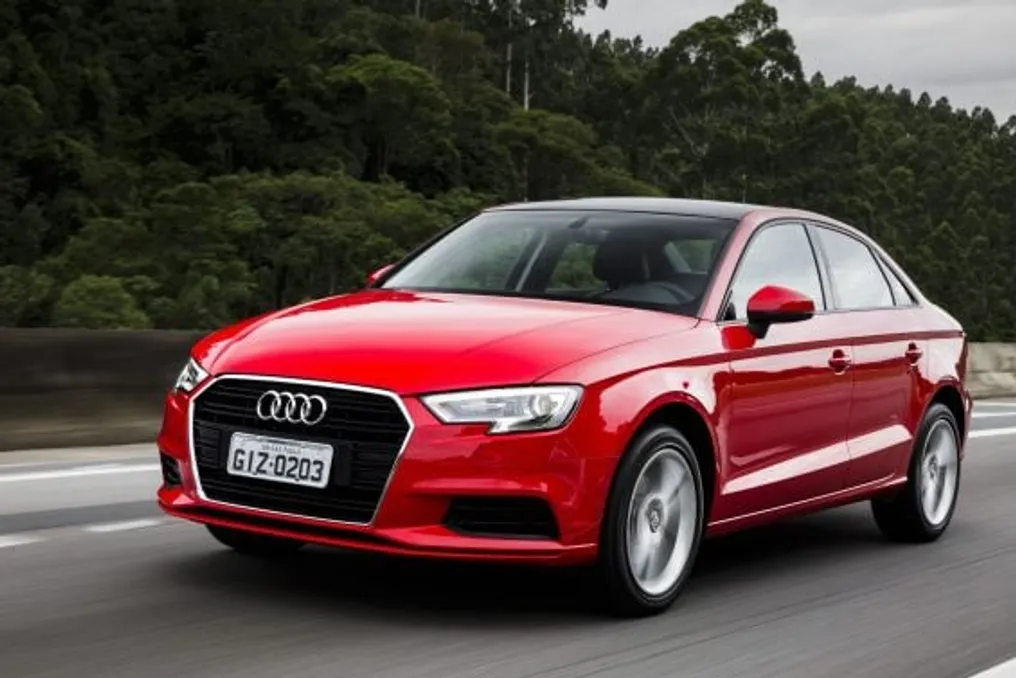
Used Audi A3 Sedan: 10 Facts About the Model Produced in Brazil

Inovar-Auto, a governmental sectoral program launched in the early 2010s, introduced specific features to the Brazilian market, allowing luxury brands like Audi to begin local vehicle assembly, including the A3 Sedan.

The German manufacturer resumed its activities at the plant shared with Volkswagen in Paraná after an operational period between 1999 and 2006. This time, Audi focused on producing the A3 Sedan. Although the model received adaptations for national manufacturing, it preserved the refined dynamics, robust performance, and luxury characteristic of the German brand.

Model History and Evolution

The third generation of the Audi A3 was responsible for introducing the Sedan version. This model was presented globally at the New York Auto Show in 2013 and arrived in Brazil in January 2014, initially imported from Hungary. Initially, the car used the 1.8 TFSi engine with 180 hp. Later, an entry-level version appeared with a 122 hp gasoline TFSI 1.4 engine, which became flex with the national assembly line in 2015.

The Audi A3 Sedan also offered a more powerful option, the 2.0 with 220 hp, and underwent an aesthetic redesign in 2017. In 2019, a special 25th Anniversary edition was launched, limited to 600 units, celebrating the brand's anniversary in Latin America. This first generation of the sedan ended its production in 2020.

The relaunch of the A3 Sedan marked the reopening of the Audi assembly line in São José dos Pinhais, Paraná, all under the umbrella of Inovar-Auto, which offered tax incentives for local production. Other manufacturers benefited from this program included BMW in Araquari (SC), Mercedes-Benz in Iracemápolis (SP), and Jaguar Land Rover in Itatiaia (RJ).

It is worth noting that the factory used by Audi had been inaugurated in 1998 to produce the Volkswagen Golf IV, and from 1999 to 2005, it manufactured the first generation of the A3 Sportback. At this Paraná unit, besides the A3 Sedan, the Q3 was also produced. The unit's operations were suspended in December 2020 because the manufacturer alleged a lack of definition regarding accumulated IPI credits that were not fully returned.

Currently, the unit operates under the SKD regime for the assembly of the Q3, a process where the vehicle arrives almost complete, and only the joining of the body with the chassis occurs at the plant.

Brazilian Adaptations and Mechanical Changes

Upon receiving the Brazilian passport in 2015, the Audi A3 Sedan underwent several adaptations, some mechanical aspects being simplified to reduce production costs. A notable change occurred in the rear suspension: Audi replaced the independent multi-link system with a torsion beam, a configuration common in mid-size sedans from generalist brands of that era.

Another significant change was in the transmission system. The S tronic automated gearbox, known for its seven-speed dual-clutch system, was replaced by a six-speed Tiptronic automatic gearbox with a torque converter. In compensation, the Audi A3 Sedan gained a considerable increase in power. The 1.4 TFSI engine, which originally delivered 122 hp, was adapted to be flex, received variable exhaust valve control, and began generating 150 hp.

An important difference in the A3 Sedan manufactured in Paraná is the vehicle height. To suit the local asphalt standard, the suspension was raised by 1.5 cm compared to the imported model.

Performance and Finish

Analyzing specifically the 1.4 flex model, despite the transmission changes, the 150 hp from the EA211 family turbocharged direct injection engine provide a satisfactory level of driving pleasure. Accelerations are agile, and the Tiptronic gearbox, although less sophisticated than the S tronic, delivers a 0 to 100 km/h time of 8.8 seconds, according to the manufacturer.

On highways, the Audi A3 Sedan demonstrates good evolution, quickly reaching the permitted 100 km/h. For overtaking, 25.5 kgfm are available between 1,500 and 4,000 rpm, and the turbo acts quickly to overtake other vehicles.

German engineering is evident in the solid construction of the sedan, which maintains firmness in sharp curves and high-speed sections. The steering is described as precise and firm, giving the sensation that the car is firmly planted on the ground. The torsion beam suspension in the Brazilian model has a softer calibration, without compromising the stability or dynamics of the vehicle.

Inside, the A3 Sedan manufactured in Brazil maintains the brand's identity. The dashboard features injected foam with a pleasant touch surface, and the door and column coverings with fabrics also stand out, as does the smooth finish of the glove box. The front seats offer good density and quality material, although they are not extremely enveloping. The analog instrument cluster is considered classic and easy to view, with the steering wheel being the only element that could have a smaller diameter.

The rear space comfortably accommodates two adults and one child. The softer suspension compared to the Hungarian example reflects internal imperfections more, but without being a serious problem. The acoustic insulation is efficient, and the trunk offers 425 liters, a suitable volume for mid-size sedans.

2016 Ambiente Version and Equipment

Considering the 2016 Audi A3 Ambiente 1.4 TFSi, already adapted to the Brazilian market, it includes six airbags, stability control systems, traction and hill start control, reverse sensor, xenon headlights, daytime running lights, and Isofix. Additionally, the sedan has air conditioning, electric window controls, electronic parking brake, rain and dusk sensors, start-stop system, steering wheel with height and depth adjustments, and multimedia center with CD and memory card reader.

However, this transition to the Ambiente model simplified some features. The air conditioning was no longer automatic, the seats changed from leather to fabric upholstery, and the multimedia center does not have Bluetooth. Higher packages, however, included ADAS technologies, such as adaptive cruise control, frontal collision warnings, and lane departure warnings, as well as emergency automatic braking. Other optional extras available were a rearview camera, front parking sensors, semi-automatic parking assistant, leather trim, keyless entry, panoramic roof, native GPS, and DVD player.

When checking average prices for the 2016 Audi A3 Sedan Ambiente on KBB Brazil, it is important to remember that it is a luxury vehicle requiring specialized maintenance, and the trim and body parts tend to be more expensive. It is positive that the 1.4 flex engine is well-known and that the Tiptronic gearbox generally presents fewer problems than the S tronic. It is recommended to check the prices of specific components and the problems reported in discussion forums and on Reclame Aqui.
Similar stories

Nissan Sentra SE-R Spec V: A sporty competitor missing from the Brazilian market
Read more
flatout.com.br

Nissan Sentra SE-R Spec V: A sporty competitor missing from the Brazilian market

It is currently difficult to name a sporty sedan available for purchase, as examples like the BMW M3 or Dodge Charger Scat Pack are considered ultra-specialized. This difficulty causes common-use sports cars to lose the relevance they once had, which is regrettable.

This week, Nissan presented a modified Sentra as part of its projects for the SEMA Show 2026. This vehicle is based on the ninth generation, launched late last year, a version that is unlikely to be commercialized in Brazil.

The previous generation was discontinued last August after unsatisfactory sales performance, registering only 341 units from January to June, while the Toyota Corolla sold 13,021 units in the same period. Because of this, there is no prospect of seeing the new Sentra in the country, which currently offers the lineup composed of the Kait and Kicks SUVs, in addition to the Versa. There are rumors that Nissan plans to introduce an electric successor of Chinese origin, but this still lacks official confirmation.

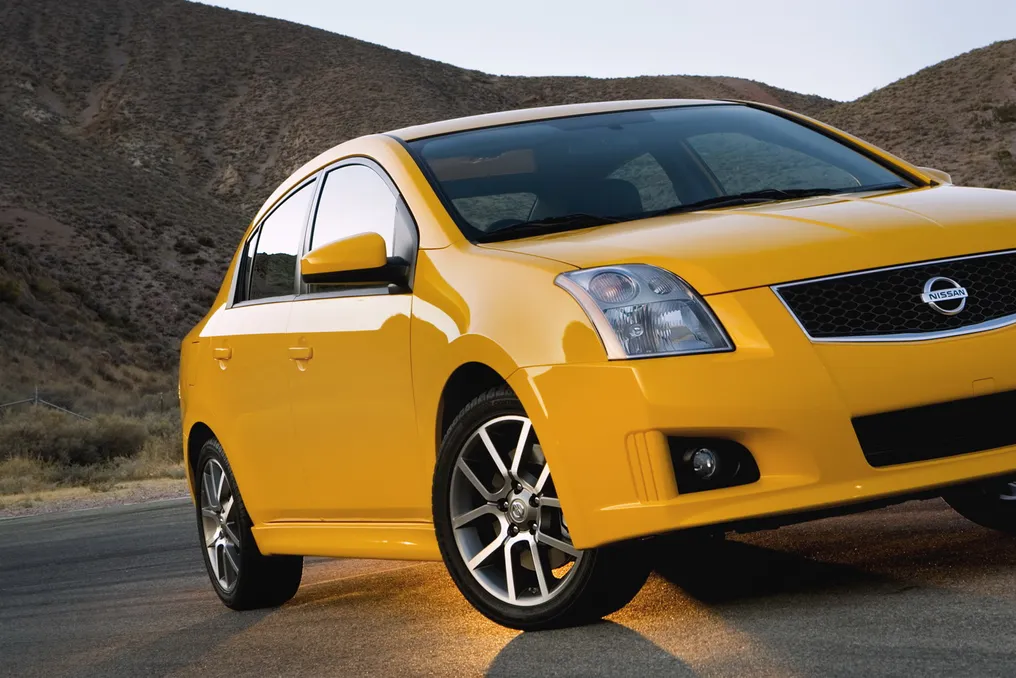
It is notable to see a Versa prepared for SEMA, especially considering that it uses a 304 hp 2.0 turbo engine, equipped with a Garrett turbocharger, intercooler, and forged internal components, coupled with a six-speed manual gearbox. Its look resembles special Nismo models, with white paint and red details on the body kit, in addition to a prominent rear spoiler. The brakes and seats are sourced from the Nissan GT-R Nismo, and the 19-inch wheels use high-grip tires. With a limited-slip differential, this Sentra promises to be a pleasure to drive, and the most optimistic expect it to inspire a sporty version of the sedan in the United States.

What is most regrettable is knowing that the Sentra once had a genuine sporty version, which was a worthy rival to the legendary Honda Civic Si in the early 2000s.

The mid-size sedan segment has never been the most attractive in the industry. Generally, enthusiasts viewed the mid-size sedan as a sensible option: a practical, functional, and sensible car, ideal for those who need to balance family life with daily commuting, offering a large trunk, rear space, and smooth driving for long trips. Although design was important, it rarely was the decisive factor, and sportiness usually was limited to more aggressive aesthetic packages.

In Brazil, the most notable exception in this segment is the eighth-generation Honda Civic Si, launched in 2007. Manufactured in Sumaré (SP), it is revered as one of the best national sports cars. The Si featured the K20Z3 engine, a two-liter four-cylinder with i-VTEC camshaft, capable of reaching 192 hp at 8,000 rpm. Combined with a precise six-speed manual transmission, a limited-slip helical differential, it could accelerate from 0 to 100 km/h in about 7.9 seconds. Furthermore, it was an excellent base for modifications, consolidating it as an expensive cult classic in the used market.

While Honda prospered with the Civic Si, other mid-size sedans in the country seemed content with a more conservative profile. The Nissan Sentra, officially imported starting from the fifth generation in 2004 and receiving the sixth in 2007, offered a solid and rational proposal, with good build quality, efficient sound insulation, and abundant equipment. However, it never managed to challenge the market leadership of the Corolla and the Civic, partly due to the popularity of these rivals and the stigma of being a 'dad's car'. Nissan itself used advertising campaigns to joke about this reputation, trying to change the perception, but this did not arouse the enthusiasm of enthusiasts.

The history of the Sentra in Brazil could have been different, because the necessary element to change this view already existed and was popular in the United States since 2001: the Nissan Sentra SE-R.

In 2000, Nissan launched the fifth generation of the Sentra. In the US, European, and Japanese markets, it began to be classified as a compact sedan, equivalent to a mid-size sedan in the Brazilian market. The versions imported to Brazil used the QG18DE engine, a 1.8-liter four-cylinder with 115 hp, focused on comfort and economy, usually with a four-speed automatic transmission.

In the United States, the Nissan division maintained a strong legacy with the acronym 'SE-R'. In the B13 generation (early 90s), the SE-R with the 2.0-liter SR20DE engine was an icon, compared to the '90s BMW 2002' due to its light chassis and rotary engine. After a pause in the acronym in the B14 generation, Nissan sought to revive the sporty spirit on the B15 platform, launching the Sentra SE-R Spec V at the end of 2001.

The difference lay in the engine: instead of the 1.8L, engineers installed the QR25DE, the largest available four-cylinder. The 'QR' engine family was developed in the early 2000s to replace the SR family. The QR25DE, a 2,488 cm³ four-cylinder, had an architecture focused on low and mid-range torque and efficiency. In its normal applications (such as in the Frontier pickup and Altima), it delivered about 154 hp and 24.1 kgfm of torque.

For the Sentra SE-R Spec V, Nissan tuned the engine: the compression ratio increased from 9.5:1 to 10.5:1, the cam profile was modified to lengthen the breaths, and the exhaust system received an optimized manifold. This resulted in an increase to 177 hp at 6,000 rpm and 24.9 kgfm of torque at 4,000 rpm. The Spec V received a short-ratio six-speed manual transmission and a locking differential to direct power to the front wheels.

The name 'Spec V' was a subtle reference to the V-Spec versions of the Skyline GT-R, which also inspired the design of the front bumper air intakes. Externally, the car featured prominent side skirts, blacked-out headlights, exclusive 17-inch alloy wheels, and a functional rear spoiler. The suspension was stiffer, with firmer dampers, PU bushings at the rear, and a front sway bar. The brakes included ABS on all four wheels, with an option for a four-piston Brembo setup up front.

Internally, the seats had greater side support inspired by the Skyline, the gear lever was leather-wrapped with an aluminum top, and the three-spoke steering wheel was thicker. The B15 generation Sentra SE-R Spec V was a legitimate sports sedan, capable of reaching 100 km/h in about 7.1 seconds and completing a quarter mile in approximately 15.2 seconds, although it is little known outside the US.

When Nissan launched the sixth generation of the Sentra (B16) in 2006, there was a notable evolution, utilizing the global C platform of the Renault-Nissan alliance. The sedan became larger, wider, stiffer, and more sophisticated. Nissan also prepared a Spec V variant for this new generation, paying special attention to the engine, which was completely redesigned.

The intake received a redesigned polymer manifold with direct flow ducts and a larger throttle body. The camshafts had a more aggressive profile and reinforced springs. To support the high rev limit of 7,000 rpm, the pistons received reduced skirts and a special molybdenum resin coating to reduce friction, along with lightweight and balanced forged steel connecting rods. With reworked combustion chambers and new electronic programming, the engine reached 203 hp at 6,600 rpm and 24.9 kgfm of torque at 5,200 rpm, allowing it to accelerate from 0 to 100 km/h in 6.7 seconds with the six-speed manual transmission and helical locking differential.

Improvements to the suspension and brakes were similar to the previous generation, but added a 'V' brace in the trunk. The 17-inch alloy wheels had ten spokes and housed 12.6-inch (320 mm) front discs, larger than those on the contemporary Nissan 350Z. Visually, the B16 Spec V featured exclusive bumpers, integrated side skirts, a dark front grille, a trunk spoiler, and a large-diameter chrome exhaust tip. The interior included red seatbelts, sporty seats with pronounced side supports, 'SE-R' embroidery, aluminum pedal covers, and additional gauges on the center panel to measure G-force and oil pressure.

At that time, Nissan Brazil had already recognized the success of the Honda Civic Si and planned its launch in the country between 2008 and 2009. The Brazilian market was rapidly expanding, and the brand needed to dissociate the Sentra from the image of a 'dad's car'. The strategy seemed ideal: importing the car directly from the Aguascalientes factory in Mexico, where the versions already came from.

BYD Sealion 7 sets new standard of performance and sophistication in premium SUVs
Read more
g1.globo.com

BYD Sealion 7 sets new standard of performance and sophistication in premium SUVs

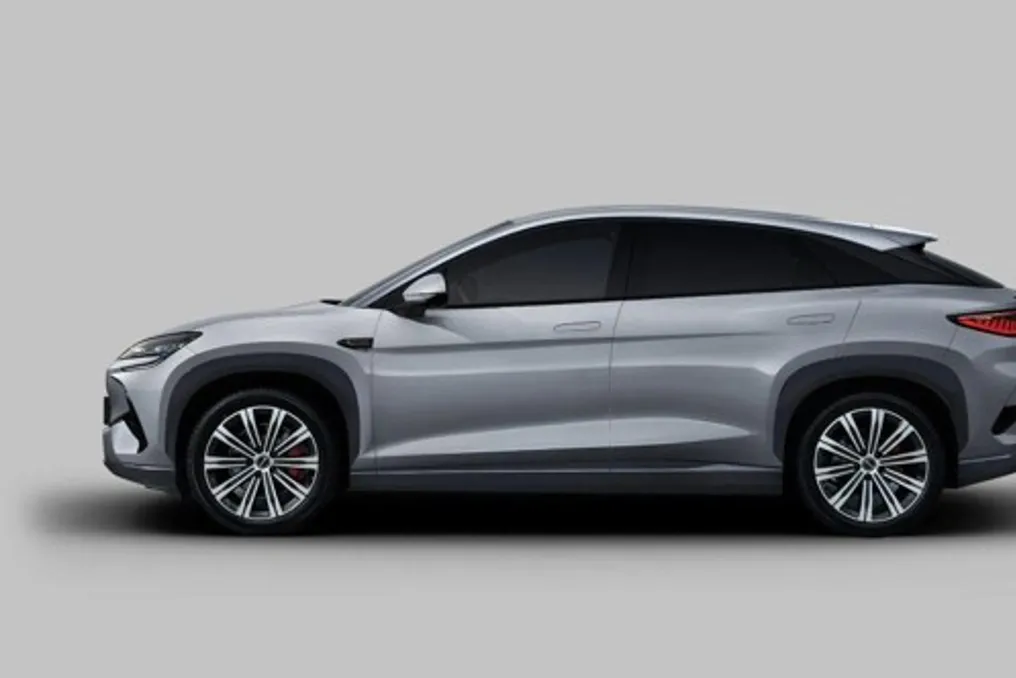
Since BYD arrived in Brazil, consumers have discovered a range of electric and super hybrid vehicles that surpass previously known models. Among the luxurious all-electric cars from the greentech, the BYD Sealion 7 stands out: this new member of the Ocean line combines the robust dimensions of a luxury SUV with the sporty and elegant lines of a coupe.

Equipped with all-wheel drive (AWD), the vehicle generates 531 hp of power and 690 Nm of torque, reaching 0 to 100 km/h in just 4.5 seconds. This setup positions the model as the most powerful among its direct rivals, raising the level of performance and sophistication in the category.

Considering the characteristics of Brazilian topography, BYD conducted specific calibration for the national market, as explained by Alexandre Aquino, product director at BYD Auto Brazil. He emphasized that the Sealion 7 offers the best of both worlds: the practicality of an SUV combined with the vigor of a high-performance sports car, mentioning a careful adjustment for Brazil without losing the model's dynamics, with a ground clearance of 169 mm.

Design, performance, and comfort

The ability of an SUV to exhibit supercar figures facilitates the purchasing decision for those who appreciate both proposals. With the BYD Sealion 7, the buyer does not have to choose between emotion and functionality. In urban areas, the coupe shape attracts attention, while the 169 mm ground clearance and the contactless trunk opening simplify daily life. On highways, the power is complemented by height control and protection.

The Sealion 7 has the highest safety rating from Euro NCAP and is equipped with nine airbags (including front, side, curtain, and a central seat airbag), in addition to a complete driver assistance package (ADAS 2). This package includes Adaptive and Intelligent Cruise Control (ACC), Automatic Emergency Braking (AEB), Lane Keeping Assist/Lane Departure Warning (ELKA/LDA), and advanced radars for cross-traffic alerts and braking, both front and rear.

This 100% electric model redefines standards of technology, design, and performance. Its range reaches 360 km in the PBEV cycle, and fast charging allows the battery to go from 30% to 80% in approximately 30 minutes.

Sophistication begins with the exterior, evidenced by the dual U-shaped headlights, the 20-inch wheels fitted with Michelin 245/45 R20 tires, and the futuristic taillight design. Inside, the BYD Sealion 7 transforms premium comfort into a high-level experience.

The cabin features genuine Nappa leather upholstery, a panoramic roof with an electric blind, multicolor ambient lighting, and a Dynaudio sound system with 12 speakers. The front seats offer heating, ventilation, and detailed electric adjustments (eight positions for the driver, including lumbar support), and the rear seats also have a heating function.

On the dashboard, a 15.6-inch rotating screen accompanies the 10.25-inch instrument cluster and a head-up display, which displays navigation alerts and information on the windshield. Alexandre Baldy, Senior Vice President of BYD Brazil, concluded that the Sealion 7 demonstrates that electrification is not just a rational choice, but also an aspirational and sophisticated one, meeting the needs of the Brazilian consumer who seeks performance and connectivity.

Analysis of the Ford Bronco hybrid launch in Brazil in 2027 and auction of modified Ferrari 499P
Read more
flatout.com.br

Analysis of the Ford Bronco hybrid launch in Brazil in 2027 and auction of modified Ferrari 499P

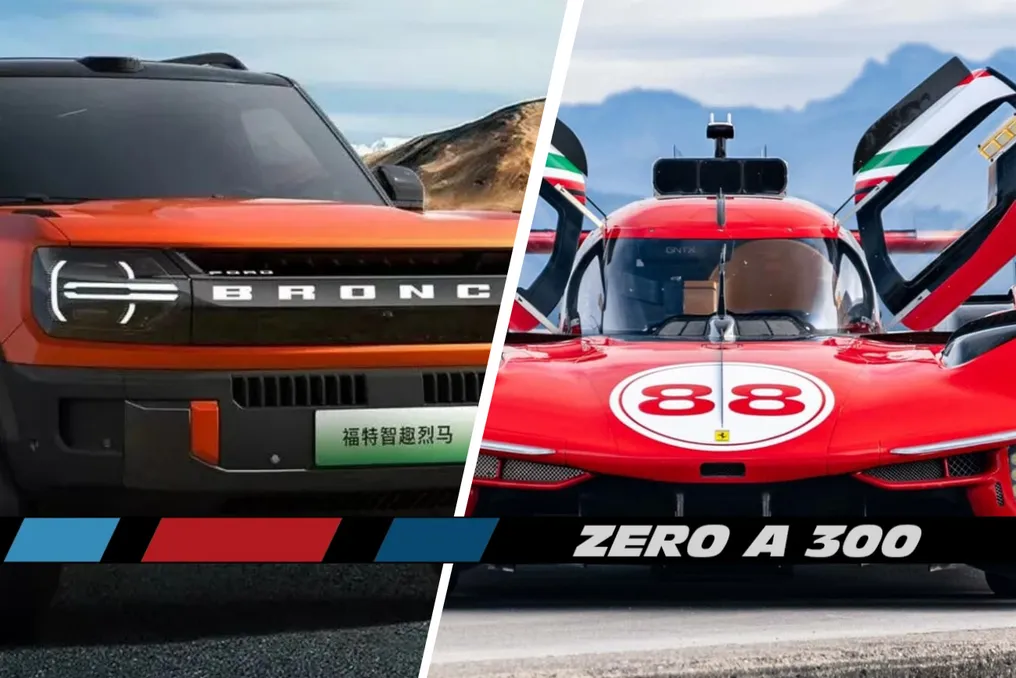
The Ford Bronco EREV, a Chinese-origin plug-in hybrid SUV, is scheduled to be launched in the Brazilian market in 2027. According to Autos Segredos, the manufacturer had already been evaluating the introduction of the vehicle to the country before making the final decision.

It is important to note that the Bronco EREV has distinct characteristics from the current Bronco models (which use the Ranger pickup chassis) and the Bronco Sport (which shares a base with the Maverick pickup). This new model was developed separately in collaboration with the Chinese company JMC, being designed from the outset to incorporate electrified propulsion systems.

Its mechanical system combines a four-cylinder turbo engine producing 150 hp and 24.5 kgfm, along with two electric motors (one on each axle). The combustion engine functions only as a generator for the 43.7 kWh battery, while traction is provided by the electric motors, which generate 422 hp and 60 kgfm of torque. This configuration allows it to reach 100 km/h in 5.8 seconds, and the combined range can reach 1,220 km under the Chinese CLTC standard.

With dimensions of 5.03 meters in length and a wheelbase close to three meters, the Bronco EREV is larger than the Bronco Sport. Although values have not yet been disclosed, its cost is expected to exceed the R$ 250,000 requested for the smaller model, given its unprecedented hybrid technology in the local market.

Modified Ferrari 499P goes to auction and could exceed R$ 40 million

A notable opportunity has arisen for Le Mans prototype enthusiasts: the auction house Christie will sell a Modified Ferrari 499P at its next event in Geneva, Switzerland. The required value to acquire this vehicle is around R$ 40 million.

The connection to Le Mans is substantial, as the Modified 499P is a variation of the prototype that won Ferrari at the 2023 24 Hours of Le Mans, marking the tenth Italian victory in the race and the first since 1965. In addition to maintaining a very similar look to the racing car, it shares the same mechanical package: a three-liter twin-turbo V6 plus a 272 hp electric motor.

Unlike the Hypercar prototype, which reached 680 hp, this Modificata achieves 706 hp, without being subject to FIA restrictions. It also features a 'push to pass' button that temporarily boosts power to 767 hp. The Christie example is practically new, having only been used in shakedown tests after leaving the factory. Whoever buys it will gain access to Ferrari's Sport Prototipi Clienti program, which offers specialized technical support.

Model Updates and Industry Criticisms

Volkswagen launched the 2027 line of the Polo, with the main change concentrated in the Track version, which now includes standard rear parking sensors. Additionally, the entry-level version received a new optional package for R$ 2,660, which includes touch-activated electric windows on all four doors and electric mirrors that fold down when reversing.

There were no significant aesthetic or mechanical changes in other versions. The Track and Robust variants continue to use the 1.0 naturally aspirated three-cylinder, 12-valve engine, producing 77 hp and 9.6 kgfm of torque with gasoline, or 84 hp and 10.3 kgfm with ethanol, always coupled with a five-speed manual transmission. The Sense and Highline versions use the 1.0 turbo flex TSI engine, which delivers 109 hp with gasoline and 116 hp with ethanol, maintaining 16.8 kgfm of torque, and uses a six-speed automatic transmission.

The prices of all versions have been readjusted, with increases ranging between R$ 300 and R$ 2,000. Specifically, Track and Sense went from R$ 96,690 to R$ 97,990; Polo Robust rose from R$ 112,990 to R$ 114,990; and the Polo Highline increased from R$ 138,690 to R$ 138,990.

Meanwhile, Nissan expressed concern over the growing volume of vehicle production in Brazil originating from imported kits from China. Ricardo Gondo, President of Nissan Brazil, pointed out that a large part of the growth in national production in 2026 comes from CKD and SKD operations, which use partially or fully disassembled vehicles with little local manufacturing.

Gondo detailed that although Brazilian production grew by 8.7% between January and September 2026, this number drops to just 2.5% if vehicles assembled from imported kits are excluded. Anfavea data corroborates this, indicating that about 123,000 of the 173,000 extra units produced compared to 2025 are the result of CKD and SKD assemblies, representing more than 70% of the production increase. The problem lies in the fact that these operations require fewer national components, reducing the activity of the local auto parts industry, since the complete sets are imported.

Despite the criticism, Gondo mentioned that Nissan is studying production via CKD or SKD, depending on industrial policies and government incentives. He assured that the Kicks and Kait models will continue to be manufactured normally at the Resende, Rio de Janeiro unit. In contrast, the Nissan factory in Resende saw its production increase by 29.5% in the same period, reaching 65,640 vehicles, while exports grew by 145%, with a goal of reaching 90,000 units by the end of the year.

Honda Racing Launches Preparation Parts for Street Cars

Honda Racing Corporation (HRC), Honda's competition arm, will begin marketing preparation parts intended for street cars. After announcing plans in 2024 and displaying a prepared Prelude at the Tokyo Auto Salon earlier this year, Honda confirmed that it will present its first line of components at the SEMA Show in November, with sales starting in March 2027, initially in the United States (facilitating import to Brazil).

The HRC Performance Parts catalog will include parts for the Civic Type R, Acura Integra Type S, and the Passport and Pilot SUVs. For the two sports cars, HRC developed 19-inch forged aluminum wheels in collaboration with the Italian company 2elle-engineering, supplier of the wheels for the Acura ARX-06 endurance. Each wheel weighs only 9.4 kg, representing a reduction of approximately 10 kg of unsprung mass compared to the original, in addition to being half an inch wider and having been tested at the Nürburgring.

At SEMA, Honda will also display prototypes of future items, such as adjustable suspensions, camber plates, Brembo brakes with six-piston calipers, and short shifter levers, although these are still in the development phase. All parts will be sold through Honda and Acura dealerships, and through the online store in the US. Prices and the possibility of expanding the HRC Performance Parts line to other markets have not yet been announced.

Toyota Proposes Recognizing Combustion Vehicles as Zero Emission in Europe

Toyota presented a proposal to the European Union aiming for combustion engine cars to be classified as zero-emission vehicles, provided they are exclusively fueled with renewable fuels. This suggestion was made amid discussions to relax the CO2 emission targets set for 2035.

The idea is to create a new homologation category called VEEF (Vehicles running Exclusively on Eligible Fuels). This classification would allow vehicles using only biofuels and renewable synthetic fuels to be categorized as zero emission. However, this does not imply the absence of exhaust emissions; the proposal focuses on considering emissions throughout the entire fuel life cycle, including its production, and not just what is expelled.

For this to happen, the fuels must meet the sustainability criteria defined by European legislation. Toyota is already testing this viability, participating in a pilot project in Spain with BMW, Bosch, and Repsol, using about 20 Toyota, Lexus, BMW, and Mini vehicles fueled with the renewable gasoline Nexa 95, derived from organic waste. These cars are conventional models, without mechanical modifications.

Bosch developed the Digital Fuel Twin system to monitor the exclusive use of renewable fuel, cross-referencing data from vehicles, gas stations, and refueling transactions. Furthermore, Toyota advocates for reducing the European 2035 target from 100% to 90% cut in average CO2 emissions of new cars, proposing that the remaining 10% be compensated by the use of low-carbon steel and renewable fuels. For 2030, the company suggests that meeting the targets be evaluated over a five-year period (2028 to 2032), allowing for annual compensation.

According to Toyota, electric vehicles should represent about 45% of European sales in 2030, a level lower than the more than 55% estimated to meet current targets. For this reason, the company also requests periodic revisions of the targets if infrastructure and demand do not evolve as planned. Currently, the recognition of VEEF vehicles remains a proposal from Toyota, not a rule approved by the European Union.

Popular