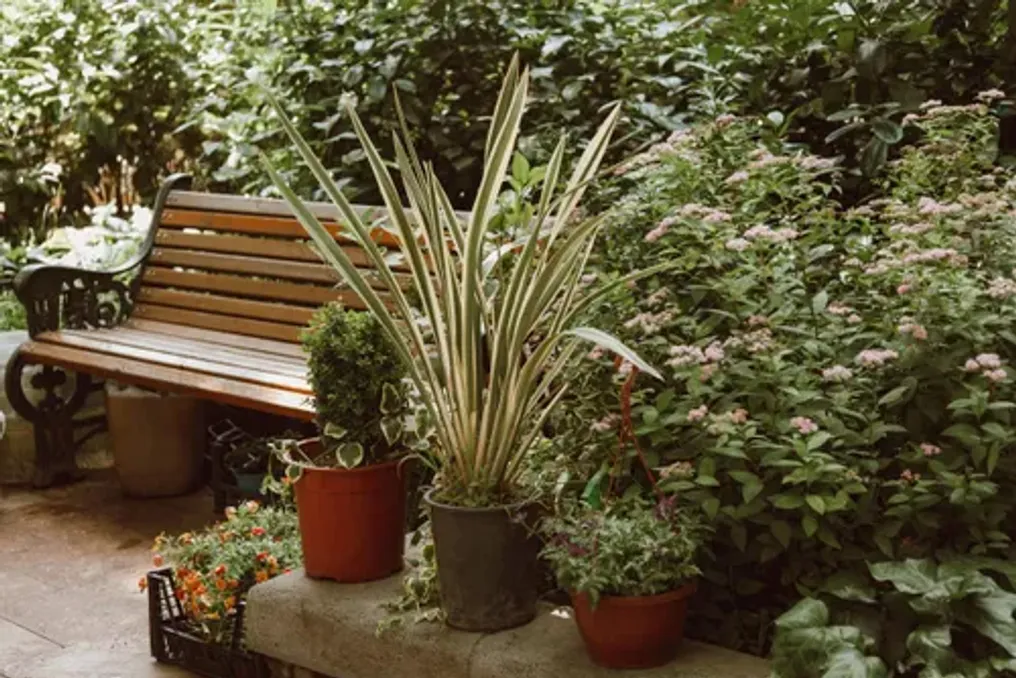
Ten Tips for Summer Garden Care While Saving Water
Read more
IOL
iol.co.za

Ten Tips for Summer Garden Care While Saving Water

As temperatures rise and South Africans prepare for the new summer, maintaining greenery in gardens and keeping potted plants healthy can become a challenging task, especially in regions with dry and hot climates and water usage restrictions.

For gardening enthusiasts, the combination of heat, unpredictable water outages, and rising water costs makes maintaining lush outdoor spaces difficult. This problem is exacerbated for those planning to travel during the holiday season and leave plants unattended.

Nevertheless, small changes in watering routines, plant selection, and garden care can help protect green areas while more efficiently using every drop of water. Craig De Necker from The Friendly Plant, known for its award-winning design and landscaping, shares tips on keeping the garden looking its best during warm months.

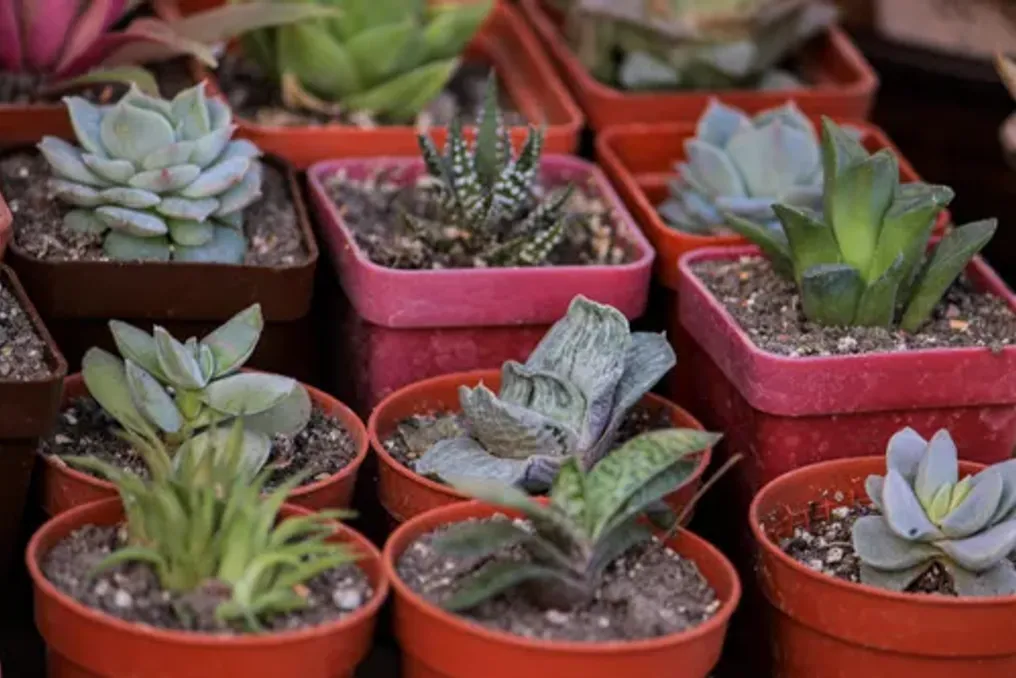
If your garden is struggling during dry spells, consider replacing some water-intensive plants with succulents and other drought-tolerant varieties. Succulents generally require less frequent watering after rooting, making them a practical choice for gardeners aiming to reduce water consumption. However, choosing drought-tolerant plants is only part of the solution; understanding the individual watering needs of each variety is also paramount.

The way you water your garden can significantly affect how effectively plants absorb moisture. De Necker recommends drip irrigation, which delivers water directly into the soil near the plant roots. This reduces water loss through evaporation compared to overhead watering and helps moisture reach the areas where plants need it most. Deep watering is also beneficial as it encourages moisture penetration into the root zone, reducing the need for frequent watering.

Watering early in the morning or in the evening helps reduce evaporation in hot weather. Johannesburg Water has advised residents to water gardens before 6 am or after 6 pm. Gardeners should check the latest recommendations from their local water supplier, as restrictions and permitted watering times can vary by municipality. Where restrictions are in place, ensure your watering schedule complies with local rules.

Not all plants have the same watering requirements. Bonsai, orchids, and other sensitive varieties may require more careful monitoring than established succulents or drought-tolerant garden plants. It is necessary to study the needs of each plant and adjust your routine accordingly, rather than applying the same amount of water to the entire garden. Factors such as plant location, pot size, soil drainage, and prevailing weather conditions should be considered.

Dry, brittle leaves may indicate that a plant is not receiving enough water. Other signs can include wilting, dry soil, and leaf curling, although symptoms can vary between plant types. Regularly check the soil and monitor changes in your plants before the damage becomes severe. Early detection of problems facilitates adjusting the watering regimen.

Although during a heatwave there may be a temptation to give plants extra water, more is not always better. Overwatering can lead to roots sitting in saturated soil, which can potentially promote root damage and other plant health issues. Drooping leaves are not always a sign of thirst; they can also indicate overwatering. Before reaching for the hose, check the soil. It should meet the plant's needs, having sufficient moisture and drainage, rather than remaining waterlogged.

A well-maintained irrigation system can help you manage water consumption more efficiently, but leaks, broken pipes, and clogged emitters can undermine its effectiveness. Regularly inspect your system to ensure water is reaching the intended areas and that there are no unnecessary losses. If the budget allows, a Wi-Fi controlled irrigation system can provide additional flexibility. Some systems allow remote adjustment of watering schedules in response to changing weather conditions. For example, you can reduce or pause watering when rain is expected or adjust the schedule during prolonged heat, provided this complies with local water restrictions.

Leaving the garden unattended while traveling does not necessarily mean returning to wilted leaves and dry pots. A little preparation before leaving can help your plants survive your absence.

Adding a layer of mulch, such as appropriate wood chips or other garden mulch, can help reduce evaporation and stabilize soil temperature. Apply mulch around plants, avoiding direct contact with stems and trunks where appropriate. This layer helps the soil retain moisture, which is particularly useful in hot weather.

Water potted plants thoroughly before leaving, allowing excess water to drain properly. How long they can manage without additional watering will depend on the plant type, pot size, soil, location, and weather conditions. Plants in small containers or exposed to direct midday sun may dry out much faster than those in large pots or in sheltered areas. If you will be away for an extended period, consider asking someone to check on them or arranging a suitable watering system.

Potted plants can dry out quickly in the summer, especially if exposed to direct sunlight and hot winds. Check whether your pots are positioned to benefit from rain. Containers placed under awnings or against walls may receive little or no rain, even when the rest of the garden is well watered. Moving vulnerable plants to a more sheltered spot can help, but ensure their new location still provides adequate sunlight and ventilation.
Similar stories

Garden exhibition with drought-resistant plants to be held in Johannesburg
Read more
iol.co.za

Garden exhibition with drought-resistant plants to be held in Johannesburg

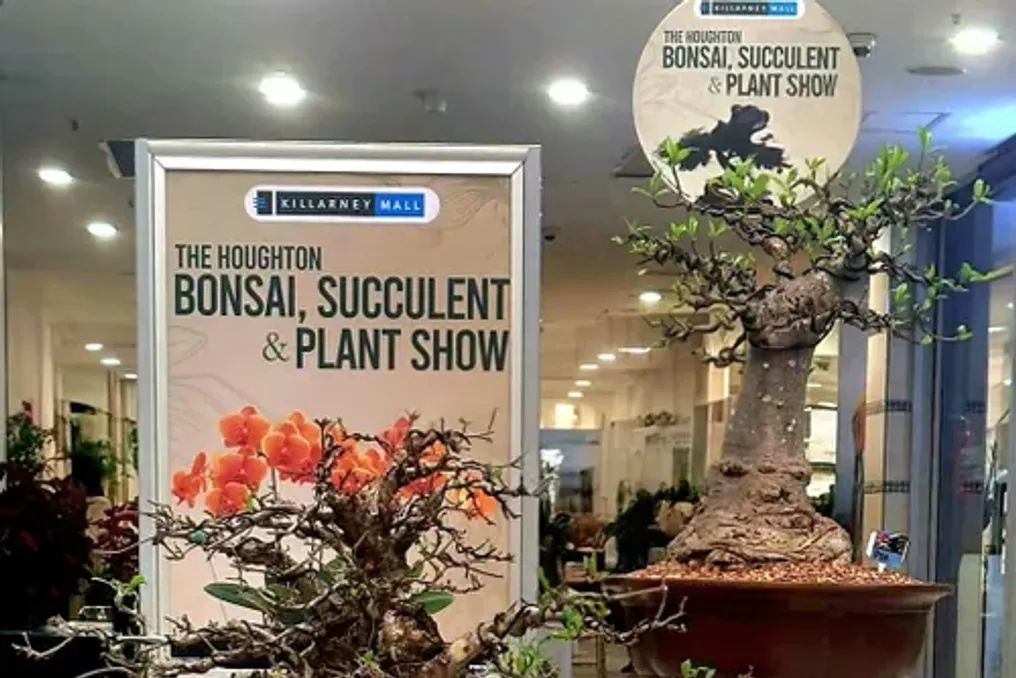
Gardeners looking to refresh their outdoor spaces before summer arrives can attend the annual bonsai, succulent, and plant exhibition at Kilларни Mall from October 30 to November 1, 2026.

Organizers have called this event one of South Africa's largest garden exhibitions. The exhibition will feature over 60 participants and vendors, offering visitors the opportunity to view succulents, rare plants, orchids, and bonsai from specialized growers.

For the first time this year, the Wittersrand Orchid Society will participate, conducting live demonstrations on orchid repotting daily at 11:00 and 14:00.

Bonsai enthusiasts can also bring their wilting trees to the free 'Bonsai Hospital' for consultation and diagnosis. The event is also family-friendly, as a free children's zone will operate on Saturday and Sunday.

The exhibition is intended for everyone, from novice plant owners to experienced gardeners and collectors. Entry to the event is free.

Tips for Caring for Bonsai in the Hot and Dry Summer of South Africa
Read more
iol.co.za

Tips for Caring for Bonsai in the Hot and Dry Summer of South Africa

Bonsai are miniature trees grown in shallow containers. Because these pots hold a limited amount of soil, they can dry out quickly during hot or windy weather.

Craig De Necker from the landscaping company The Friendly Plant believes that the upcoming summer may be particularly challenging for bonsai enthusiasts. He advises: 'Be sure to adjust your watering technique for sensitive plants, such as bonsai and orchids, which require a lot of attention.'

Dry, brittle leaves may indicate a lack of moisture, but drooping foliage can also signal overwatering, which can potentially harm the roots. Gardeners should regularly check the condition of the soil rather than relying solely on the appearance of the leaves. The soil should feel moist, but not soggy. Watering needs vary depending on the plant species, pot size, weather conditions, and the plant's location.

Watering Tips

De Necker recommends using drip irrigation for garden beds. Bonsai grown in containers may require careful manual watering or the use of a proven automated micro-irrigation system. Water should be applied during cooler parts of the day to minimize evaporation. It is also important to ensure that excess water drains freely from the container. Pots with bonsai should be avoided standing in water, as overly saturated soil can deprive the roots of oxygen and promote root damage.

Preparing Bonsai for Vacation

Preparation before vacation is critical for anyone who owns a collection of bonsai or other potted plants. Place the pots in locations where they receive appropriate light and protection from intense midday heat. Plants located under awnings or against walls may not receive rain, so they cannot be left entirely dependent on precipitation. Before leaving, water the plants thoroughly and arrange for someone to look after them if your absence will last more than one or two days. Appropriate mulch, such as a thin layer of wood chips, can help reduce moisture loss; however, it must not impede drainage or touch the trunk. Automated watering can be helpful, but systems must be tested before departure. A trusted plant sitter should also check for clogged sprayers, leaks, and signs of heat stress.

Bonsai Exhibition at Killarney Mall

The Bonsai, Succulents, and Plant Show by Houghton Bonsai, Succulent and Plant Show is scheduled to take place at Killarney Mall in Johannesburg from October 30 to November 1, 2026. The Witwatersrand Orchid Society is expected to participate, conducting daily demonstrations on potting orchids at 11 am and 2 pm. The exhibition is anticipated to feature over 60 exhibitors and bonsai enthusiasts.

Water Heater Cleaning Tips: What to Do Before Turning It On After Long Storage
Read more
www.aajtak.in

Water Heater Cleaning Tips: What to Do Before Turning It On After Long Storage

Water heaters are often left switched off for several months during the hot and rainy seasons. During this period, salty water, rust, sludge, and limescale accumulate in the heater tank around the heating element. If the water heater is turned on in early winter without cleaning, the water heats up for hours, which increases electricity bills and also raises the risk of failure or short circuit due to a rusty heating element.

To receive hot and clean water without interruptions throughout the winter and avoid breakdowns, it is necessary to clean four key parts of the water heater before use. Below are simple ways to clean them.

Heating Element

Problem: Due to salty water, a thick white layer of calcium scale forms on the heating coil, which prevents heat transfer to the water.

Cleaning Method: Turn off the power to the water heater and drain the water. Open the bottom plate and remove the heating element. In a bucket, mix slightly warm water with two cups of white vinegar or citric acid. Submerge the element in this mixture for 20 minutes. The scale will dissolve on its own, after which it should be cleaned with a brush.

Inlet Valve and Mesh Filter:

Problem: There is a mesh on the inlet pipe through which cold water is supplied, which gets clogged with sand, rust, and debris, slowing down the water pressure in the water heater.

Cleaning Method: Disconnect the inlet pipe connection. Remove the mesh and thoroughly clean it with an old toothbrush and soapy solution to restore fast water flow.

Internal Sludge and Dirt in the Tank:

Problem: Due to long storage, red rust and dirty water accumulate at the bottom of the tank, causing foul-smelling and yellow water to come out of the taps initially.

Cleaning Method: Open the drain valve or outlet pipe to completely drain the old water. Then open the inlet valve and direct 1-2 buckets of fresh water into the tank under high pressure so that all dirt and sludge settled at the bottom are flushed out.

Sacrificial Anode Rod:

Problem: This rod protects the water heater tank from corrosion. During long storage, it may break down or become covered with scale.

Cleaning Method: Remove the anode rod and wipe off the scale with a dry cloth. If the rod is completely broken down or has turned into a thin wire, it should be replaced with a new one for 150–200 rupees, which will extend the life of the water heater by years.

Popular