Honda transforms Passport into hybrid off-road vehicle to compete in Baja 1000
Read more
AutoPapo
autopapo.com.br

Honda transforms Passport into hybrid off-road vehicle to compete in Baja 1000

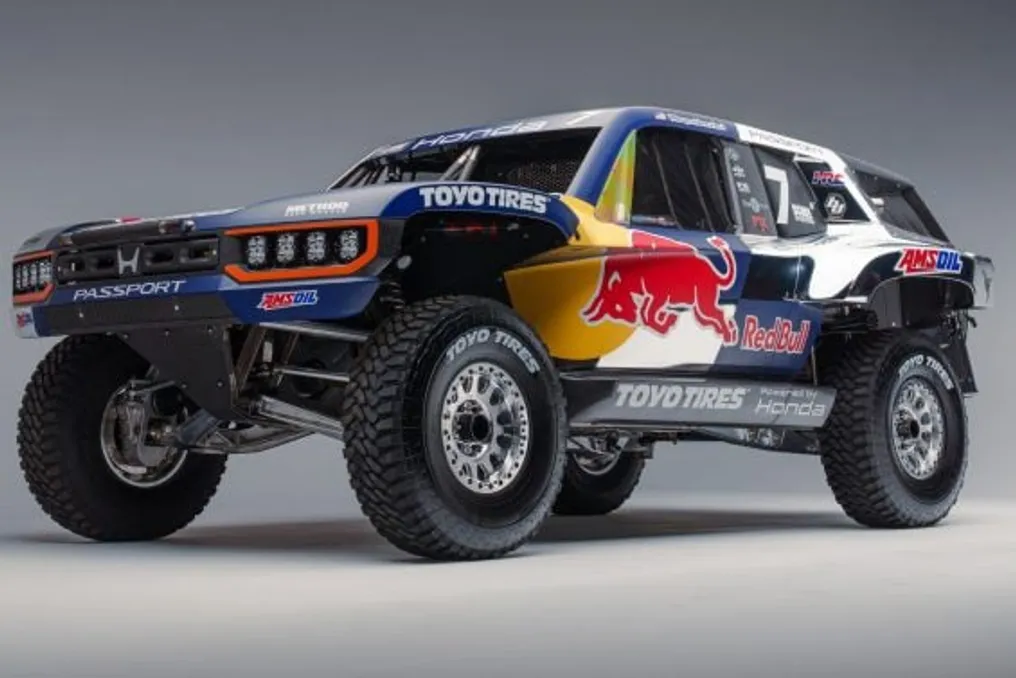
Honda Racing (HRC), in collaboration with Mason Motorsports, has developed the Passport Baja Spec Trophy Truck, which will become the first hybrid vehicle to participate in the Trophy Truck category of the SCORE World Desert Championship in 2027.

This new model is scheduled for its official presentation at the SEMA Show 2026, an event set to take place in Las Vegas from November 3rd to 6th. Menzies Motorsports is also part of this project, and Baja 1000 two-time champion Bryce Menzies will serve as a driver in the competitions.

The vehicle's mechanical assembly combines a 2.4-liter twin-turbo V6 engine with a sophisticated 800-volt hybrid system. This powertrain shares technology with the Acura ARX-06 GTP endurance prototype, which was champion at Daytona and Sebring. According to Honda, the generated power exceeds that of the 9.0-liter V8 engines used in traditional Trophy Trucks.

The hybrid system, developed by HRC, employs a pouch-type cell battery, similar to those used in past Formula 1 generations, and this is protected by a carbon fiber structure. Other features include electronic brakes on each axle, adaptive traction control, and AI-assisted power management. A unified software controls the engine, chassis, and energy system, allowing adjustments during races. Honda opted not to disclose the exact battery capacity or the power supplied by the electrical system.

The five-speed transmission was designed by Mason and operates with all-wheel drive. The design incorporates angular gear sets on the rear wheels and portal gears on the front hubs, which significantly contributes to raising the vehicle's ground clearance.

The model uses a modified version of Mason's AWD Gen 2 chassis, with the rear section adapted by HRC to accommodate the hybrid system. The complete bodywork is made of carbon fiber and features aerodynamic solutions designed to channel airflow to the radiator, which is positioned on the lower rear section.

Internally, a Carbon-Kevlar fuel cell, with a capacity of 549 liters, was installed in the center of the cabin to aid in maintaining balance during consumption. The battery and other fixed-weight components are located in the rear. The assembly is completed with dual Fox shocks on each wheel and Toyo brand tires.

In addition to the Trophy Truck, Honda will present a Passport TrailSport Baja Chase at the SEMA Show. The debut of this second model in competitions is scheduled for the 2027 Baja 500, which will take place between June 2nd and 6th. Subsequently, the manufacturer aims to win the overall victory in the Baja 1000, which celebrates its sixtieth anniversary in 2027.
Similar stories

Honda XL750 Transalp Analysis: Highway Performance Versus Off-Road Limitations
Read more
autopapo.com.br

Honda XL750 Transalp Analysis: Highway Performance Versus Off-Road Limitations

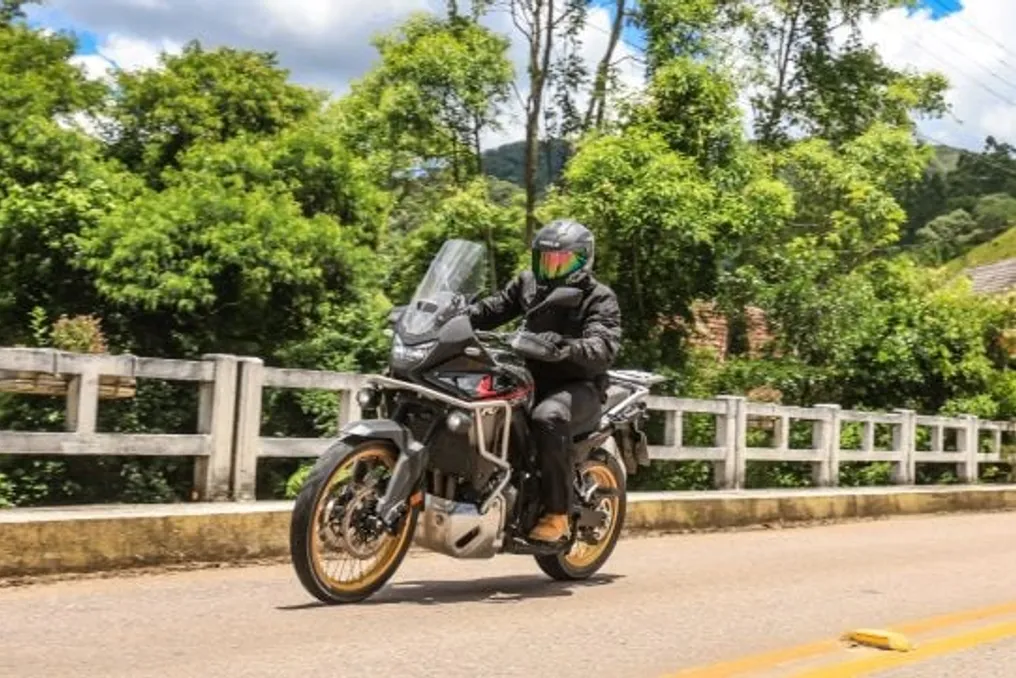
The first contact with the Honda XL750 Transalp occurred while descending the Serra do Rio do Rastro in Santa Catarina, an environment suitable for any mid or large trail motorcycle. After ten days of practical use, which included urban traffic and daily commutes, it became clear that the Transalp occupies a specific niche: highways and touring.

This model returned to the market with a distinct look from its predecessor, the 700, presenting a more imposing appearance and a design that appeals even off-road. Unlike the new CB 750 Hornet, which faced criticism for dropping the four cylinders, the Transalp avoided this scrutiny, as its adventure proposal benefits off-road riders who generally adapt better to less-cylindered engines.

Performance and Handling

Although it shares the same base as the CB 750 Hornet—a 755 cc twin-cylinder engine producing 69.3 hp and 7.04 kgf·m—the Transalp demonstrates different behavior. Its acceleration is smoother at low RPMs, and the engine reaches most of its capacity near 7,000 rpm, providing a noticeable increase in speed and power.

The practical recommendation is to operate the engine at higher RPMs, avoiding a lack of power in lower ranges, especially in higher gears. Even though it is considered 'weaker' in this range, the bike ensures safe riding on any type of road. The setup reveals its maximum potential at higher speeds, during tours and on highways, a moment when its size ceases to be an obstacle and the engine operates within its ideal range.

The ergonomics of the Transalp were pleasing from the first contact, and despite its dimensions being classified as intermediate to large, nothing seems excessive while the bike is moving. Maneuvering it is not difficult, even considering 21-inch front and 18-inch rear wheels, along with 200 mm and 190 mm suspensions, respectively. What truly stands out is the feeling of control in all situations.

Off-Road Capabilities and Equipment

Off the asphalt, the bike performs its role well. Although it is not a CRF nor was it specifically designed for it, it can handle lighter trails without issues. The onboard electronics assist in this regard: among the six available riding modes, the Gravel and customizable User 1 and User 2 modes allow disabling both ABS and traction control (HSTC).

The equipment list is robust, including full LED lighting, the mentioned driving assistance systems, and a 5-inch TFT display. This display is accessed via a joystick located on the left wrist and shows all necessary information to the rider. ABS contributes to greater safety during braking, and HSTC minimizes rear wheel slip; both are disableable in specific modes.

Areas for Improvement and Urban Use

Identified flaws include the lack of smartphone connectivity, a feature already available on the European panel but not yet implemented in South America. Additionally, the USB port is not conveniently positioned near the handlebars, being located under the passenger seat, which requires removing the upholstery to access the phone.

With more time spent with it, overheating became the main negative point. The engine heats the rider's legs, and this discomfort occurs predictably: on trips or cold days, the wind helps cool the unit, eliminating the annoyance. However, at low speed, without airflow and with high temperatures, the heat can rise to the point of bothering the passenger as well. None of these situations prevent the ride, but they serve as an important warning.

There is also a minor annoyance: when stopping and resting the left foot on the ground, the fairing under the seat lifts and touches the rider. During riding, with the foot on the pedal, this is not a problem, but when stopped, it may be necessary to adjust the position slightly further forward on the seat.

In the context of urban traffic, the benefits are limited. The first advantage is the available power when needed, which is useful for overtaking or getting out of difficult situations. The second advantage lies in the handlebar height, which exceeds the rearview mirrors of small cars, facilitating lane splitting. However, against SUVs, whose mirrors are higher, this maneuver is not feasible, although these vehicles still represent a minority.

In summary, the bike is too large and heavy for daily city use; besides the overheating issue, this weakens the justification for the Transalp's proposal in this scenario. Despite being versatile and having more qualities than defects, the final cost is considerable. The suggested retail price is R$ 65,545, potentially reaching R$ 70 thousand at dealerships. For those planning to use it according to its vocation—highway, touring, and leisure rides—the proposal remains valid. For those seeking to face daily urban traffic, the weight, size, and heat make the choice harder to justify at this price.

Jeep plans new generation of Renegade and evaluates development of an electric Willys
Read more
autopapo.com.br

Jeep plans new generation of Renegade and evaluates development of an electric Willys

Jeep is preparing a new generation of the Renegade model, which will be launched in the European continent by 2030, as the vehicle was discontinued in Europe in 2025. The announcement was made by Xavier Peugeot, Jeep's director in Europe, during the Paris Motor Show.

In addition to the Renegade, the automaker's plans for Europe include the introduction of another compact SUV, the electric Recon, which will be imported from the United States, and a mid-to-large SUV that is being developed in partnership with the Chinese company Dongfeng, expected to arrive in 2028.

The brand also signaled the possibility of a new electric model inspired by the Willys, the military jeep that served as the origin for Jeep. With these additions, Jeep's European lineup could expand from its current models, Avenger and Compass, to a total of up to six vehicles.

According to Jeep, all these new models will offer various powertrain options, including electric, and all will come equipped with 4x4 traction. The brand's ambition is to capture approximately 90% of the SUV market in Europe.

Historically, the Renegade registered sales exceeding 610,000 units in Europe since its launch in 2014, being produced at the Melfi factory in Italy. Currently, production of this SUV takes place at the Goiana (PE) factory, which serves both the Brazilian and Latin American markets. In Brazil, the model recently received versions equipped with a 48-volt mild hybrid system.

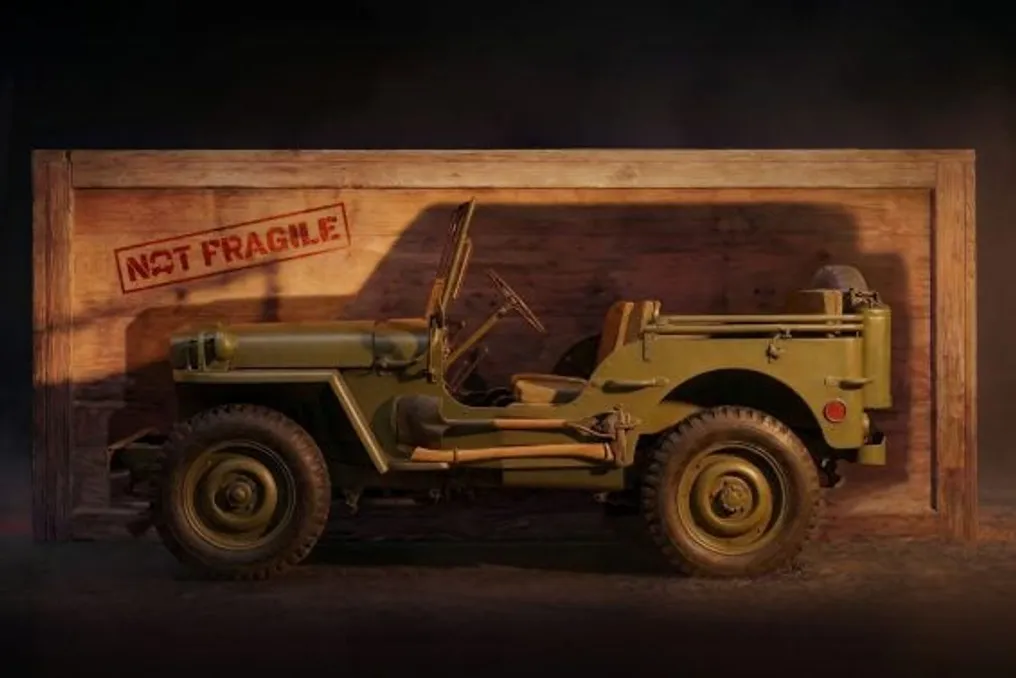
In Paris, Jeep presented a striking image: the Willys MB, used during World War II, positioned next to a box marked 'Not Fragile' and the silhouette of a square-designed SUV with a rear spare tire.

Jeep informed that after 2030, it is studying compact and electrified vehicles based on icons like the Willys, aiming to meet the needs of increasingly densely populated cities. However, Peugeot clarified to the British magazine Autocar that no launch is confirmed. He emphasized that the ideas related to the Willys need to be finalized by the end of this decade, and that the brand's DNA represents one of the main competitive advantages against the entry of Chinese manufacturers.

The name Willys holds relevance in Brazil because Willys-Overland do Brasil manufactured the Jeep in São Bernardo do Campo (SP) starting in the 1950s, and currently, Willys names one of the variants of the Renegade sold in the country.

Honda launches 'Honda Hybrid' name for its new generation of hybrid vehicles
Read more
autopapo.com.br

Honda launches 'Honda Hybrid' name for its new generation of hybrid vehicles

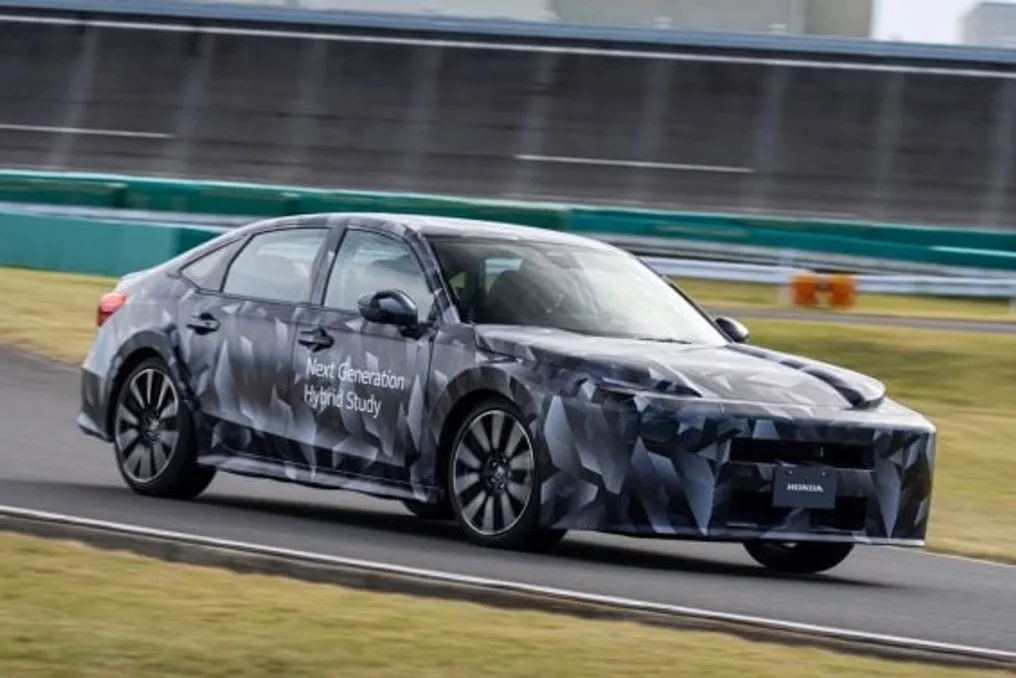
Honda has defined the name for the next line of its hybrid automobiles, opting for the direct term: Honda Hybrid. This new system will be introduced in 2027 and is expected to equip fifteen new models by March 2030, with the majority of these vehicles destined for the North American market.

Honda Hybrid will succeed the e:HEV system, which has been used since 2020 in the Civic, Accord, and CR-V models. In this previous system, the combustion engine predominantly functioned as an energy generator to power the electric motor responsible for moving the vehicle.

According to the manufacturer, this new generation represents an evolution in both the combustion engine and the drivetrain unit and the management software. The established goals are to reduce fuel consumption by more than ten percent and decrease the set cost by thirty percent compared to the hybrid launched in 2023.

The future models will incorporate an unprecedented platform, characterized by being lighter and having different stiffness control; this structure allows the body to behave as if it were flexing during curves, which, according to Honda, helps improve grip. This concept was already presented by the brand in 2024, using the platform of the Series 0 electric vehicles.

Furthermore, there will be a new all-electric four-wheel-drive option called e-AWD and a proprietary system called Motion Management System, which integrates vehicle movement control. This change is part of a revision announced by Honda in May, when the company decided to reallocate development and production resources from electric cars to hybrids.

Acura, the automaker's luxury division, will also adopt this new system. The first Acura model equipped with this technology was previewed through an SUV prototype.

In the Brazilian market, Honda currently sells imported hybrid versions of the Civic, CR-V, and Accord models. Additionally, in Brazil, the brand is developing a flex hybrid, capable of operating exclusively on ethanol, as part of a R$ 4.2 billion investment in the factory located in Itirapina, São Paulo, with a deadline in 2030.

Popular