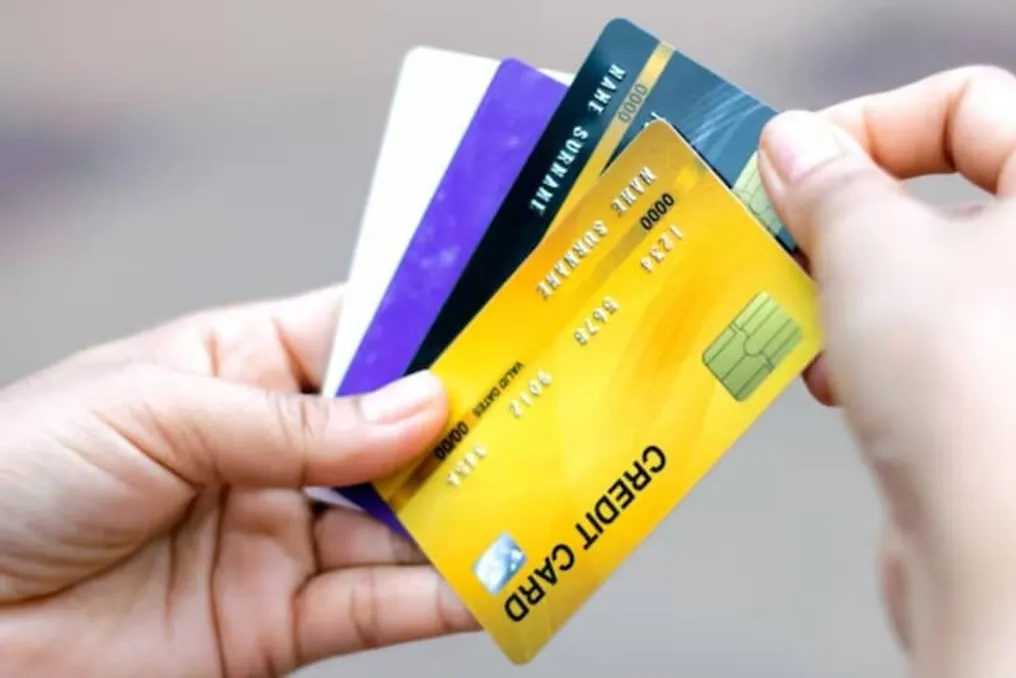
SBI Card changes rules: fees for transport and fuel transactions increase starting December 1, 2026
Read more
Aaj Tak
www.aajtak.in

SBI Card changes rules: fees for transport and fuel transactions increase starting December 1, 2026

SBI Card has notified credit cardholders about significant changes in tariffs. Starting from December 1, 2026, an additional fee will be charged for certain types of transactions related to transport and fuel.

According to the notification published on the SBI Card website on October 27, the revised fee structure will come into effect if two conditions are met: transport transactions exceed 30,000 rupees, and total fuel expenditure exceeds 50,000 rupees within one billing cycle.

The new rules stipulate a commission of 1% for each relevant transport transaction exceeding the amount of 30,000 rupees. Transactions are identified by Merchant Category Codes (MCCs) 4111, 4784, and 4131, which cover specific transport services.

The SBI Card notification specifies that starting December 1, 2026, a commission of 1% of the transaction amount will be charged for every transport transaction exceeding 30,000 rupees (and corresponding to MCCs 4111, 4784, 4131). For example, when paying for transport amounting to 35,000 rupees, the additional charge will be 350 rupees. For a transaction amount of 50,000 rupees, the commission will reach 500 rupees.

It is important to note that this commission applies to each individual relevant transport transaction exceeding the threshold of 30,000 rupees, not to the total transport expenses for the entire billing period.

SBI Card users must also monitor their total fuel expenditure during each billing cycle. If the cumulative cost of relevant fuel transactions exceeds 50,000 rupees, a commission of 1% of the total fuel expenditure for that billing cycle will be charged.

According to the SBI Card notification, starting December 1, 2026, if the total amount of all fuel transactions made within one billing period exceeds 50,000 rupees, a commission of 1% of the entire fuel amount will be levied. This means that this fee is calculated not only on the amount exceeding 50,000 rupees. For instance, if the total fuel expenditure for the billing period amounts to 55,000 rupees, a 1% commission will be calculated on the full amount, resulting in an additional deduction of 550 rupees.

As of December 1, cardholders need to distinguish between two types of limits. The commission for transport expenses applies to each individual transaction exceeding 30,000 rupees, whereas the fuel commission depends on the total volume of relevant expenses within one billing cycle, exceeding 50,000 rupees. Users who regularly make large payments are advised to check their statements and monitor their total fuel consumption to determine if they fall under the changed tariffs.

Similar stories

Alcohol payment rule changed in Tamil Nadu: cashless payment required for drinks over 1000 rupees
Read more
www.aajtak.in

Alcohol payment rule changed in Tamil Nadu: cashless payment required for drinks over 1000 rupees

Consumers of alcohol in Tamil Nadu will have to face changes in the rules for purchasing alcoholic beverages, which come into effect at the beginning of November. The State Marketing Corporation of Tamil Nadu (TASMAC) has decided to make the use of digital payments mandatory for the retail sale of alcohol bottles valued over 1000 rupees.

According to information disseminated in an official TASMAC circular, there are 4048 retail points of alcohol sale operating in the state. This step has been taken to increase transparency and operational efficiency. The new rule will take effect on November 1, 2026, requiring digital payment for alcohol exceeding 1000 rupees.

The implementation of digital payments will be phased. Customers making purchases below the established threshold of 1000 rupees retain the right to choose between cash and digital payment methods. To ensure strict control, TASMAC has completely prohibited its employees from accepting payments through personal bank accounts or individual QR codes.

Although options for payment via UPI, debit, and credit cards are already available in Tamil Nadu, most transactions are still conducted in cash. Store employees face several problems when processing large amounts of cash, including security risks during money transportation, accounting errors, and the threat of counterfeit currency. The new regulation is intended to resolve these issues.

Furthermore, the state administration had received constant complaints from the public that alcohol was being sold above the maximum retail price (MRP). Mandatory use of digital systems will allow for real-time tracking of every transaction with precise indication of time and amount. This should prevent cases of unjustified price inflation and guarantee that revenue goes directly to official bank accounts.

TASMAC also emphasized that employees violating the new alcohol sales rules will be subject to strict measures. Instructions have been issued to store supervisors, who are obliged to provide a receipt for every purchase and hand over bottles to customers only after confirming the transaction on the official POS machine. Informational boards measuring 2x3 feet will be placed in all stores to ensure a smooth implementation of the changes, and compliance checks will be conducted weekly.

Popular