The United Arab Emirates (UAE) has introduced a national six-year plan aimed at protecting the population from the negative consequences of rising temperatures, humidity, dust storms, deteriorating air quality, and extreme weather conditions.
The plan, titled 'Healthcare Sector Adaptation Plan to Climate Change' and covering the period from 2026 to 2031, will focus on implementing early warning systems, strengthening disease monitoring, and ensuring the uninterrupted operation of hospitals and vital medical services during climate shocks.
This plan was announced by the Ministry of Health and Prevention (MoHAP) during the Future Health Summit in Abu Dhabi. It outlines six priority areas in healthcare: heat-related illnesses; cardiovascular and respiratory diseases; vector-borne diseases; water and foodborne diseases; and mental health.
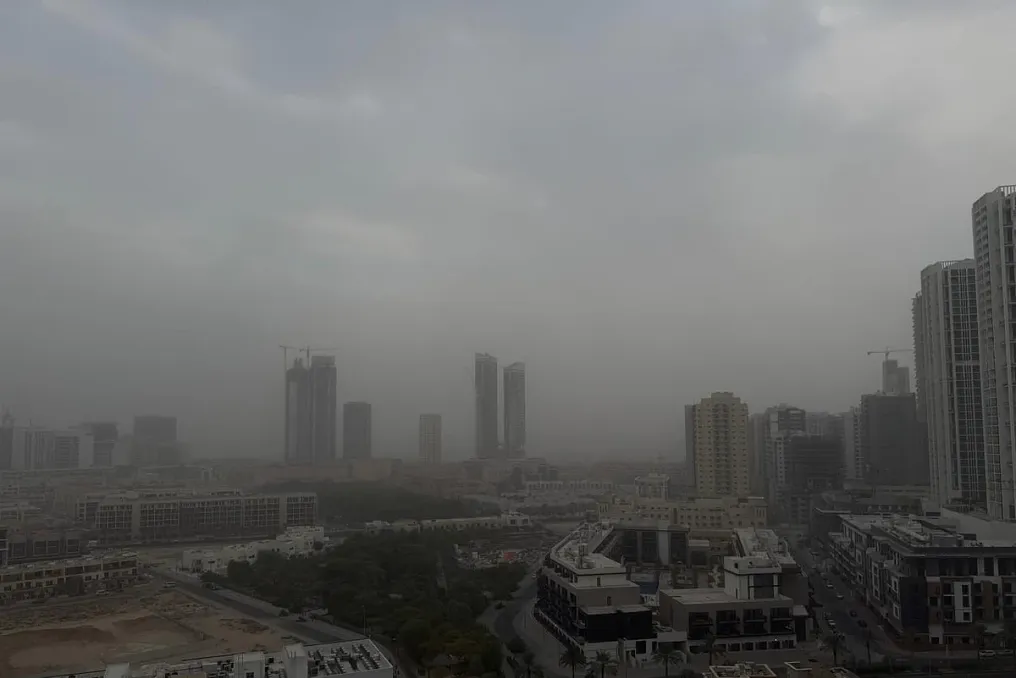
Hot and humid conditions can increase the risk of heat exhaustion and heatstroke, as well as place additional strain on individuals with heart problems. Dust storms and poor air can trigger asthma attacks and exacerbate respiratory ailments, especially among the elderly, children, and those with pre-existing conditions.
Furthermore, the plan addresses the impact of changing weather on mosquito-borne diseases, as well as on food and water safety. Extreme weather events can disrupt access to medicines, medical supplies, and hospitals, and the disruption itself can negatively affect people's psychological state.
Minister of Health and Prevention Ahmed Ali Al Saegh emphasized that protecting people and their quality of life is a central element of the UAE's healthcare system, guided by leadership directives. He noted that as the climate changes, so do the health risks, and the responsibility lies in forecasting these threats to protect communities before people fall ill.
Instead of waiting for risks to escalate into emergencies, the plan aims to help authorities identify warning signs and take action in a timely manner before more people are affected. This includes developing heat and air quality alert systems that will allow residents to take necessary precautions before prolonged exposure leads to illness.
Surveillance of climate-dependent diseases will also be strengthened, and data on health and environment will be integrated to identify evolving risks. For healthcare workers, the plan emphasizes emergency preparedness, resilience of medicine supply chains, and coordinated response plans to ensure access to emergency care even when extreme weather affects transport, facilities, or demand for treatment.
Hussein Al Rand, Assistant to the Deputy Minister for Public Health Sector at MoHAP, stated that the plan will transform climate risk assessments into practical healthcare measures. These measures include developing medical professionals' skills, expanding specialized research, improving emergency preparedness, and enhancing the resilience of medical institutions.
He added that the next phase will focus on coordination between relevant bodies and implementing priorities based on accurate indicators, which will help guarantee service continuity, protect the most vulnerable populations against climate impacts, and improve the efficiency of the healthcare system nationwide.
The development of the plan was conducted in collaboration with the Ministry of Climate Change and Environment, health authorities, and specialized partners. It aligns with the UAE National Adaptation Plan to Climate Change and supports the country's commitments under the UAE Declaration on Climate and Health at COP28.
MoHAP specified that the primary focus will be on severe heat, air quality, early warning systems, and maintaining essential medical services. The Ministry stated that success will be measured not only by how quickly healthcare services respond in a crisis but also by how effectively diseases and disruptions are prevented before they reach the community.