Uzbekistan and KOICA Discuss Development of the Country's Phytosanitary System
Read more
UzDaily
uzdaily.uz

Uzbekistan and KOICA Discuss Development of the Country's Phytosanitary System

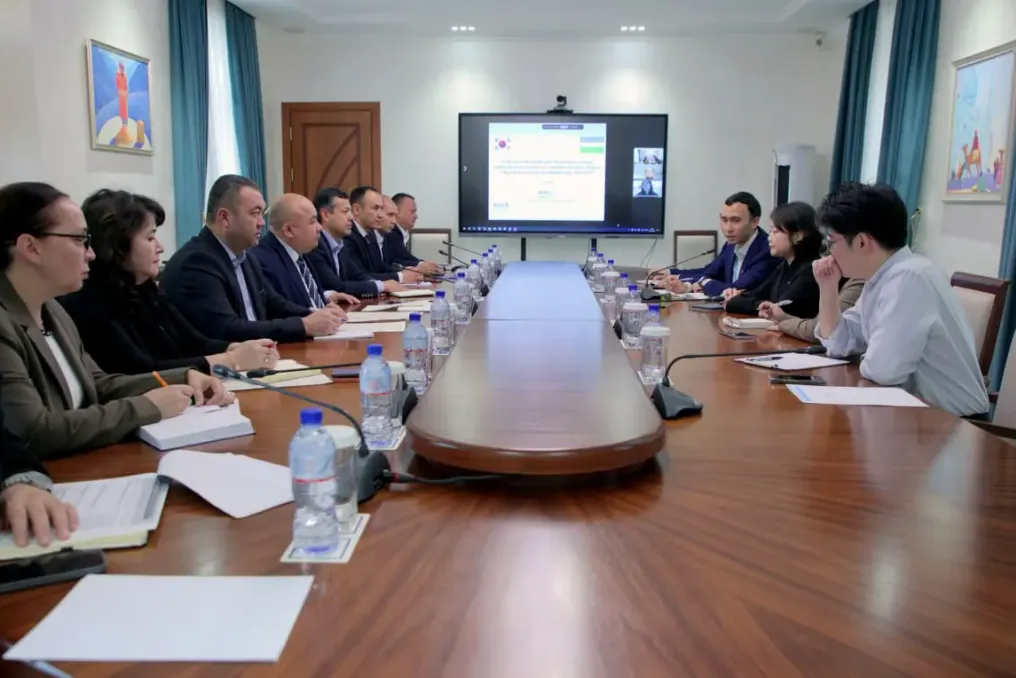
The Food Safety Committee of Uzbekistan held a meeting with representatives from the Korea International Cooperation Agency (KOICA) and NEWMA PMC. The purpose of the meeting was to discuss the implementation of a joint grant project aimed at improving the country's phytosanitary service, according to the committee's press service.

This project is scheduled for the period from 2023 to 2027 and includes improvements in plant quarantine control at border points, as well as strengthening the institutional and technical potential of Uzbekistan's national phytosanitary system.

One of the key aspects of the cooperation is the modernization of regional phytosanitary laboratories, including equipping them with modern analytical and testing equipment. The project also covers the updating of technical facilities at border control points and professional training for industry specialists.

These measures are designed to increase the accuracy and efficiency of laboratory tests and enhance phytosanitary surveillance. During the meeting, participants reviewed the achieved results, the current progress of the work, and plans for subsequent stages of the project.

The parties also discussed expanding cooperation in the areas of food safety, veterinary services, and phytosanitary control, as well as applying international experience within joint initiatives.

As part of the partnership with KOICA, representatives of Uzbekistan participated in an international training program in South Korea from October 12 to 23, 2026. There, they studied methods for improving the plant quarantine system, modern approaches to phytosanitary control, and ways to practically apply the acquired knowledge.

The cooperation aims to enhance food safety, increase the export potential of Uzbekistan's agricultural products, and ensure compliance with international trade requirements. Furthermore, it contributes to the development of professional skills of specialists in this sector.

At the conclusion of the meeting, the parties reaffirmed their interest in continuing cooperation, effectively implementing planned activities, and accelerating work on joint projects.
Similar stories

Uzbekneftegaz and PETRONAS Discuss New Oil and Gas Projects
Read more
uzdaily.uz

Uzbekneftegaz and PETRONAS Discuss New Oil and Gas Projects

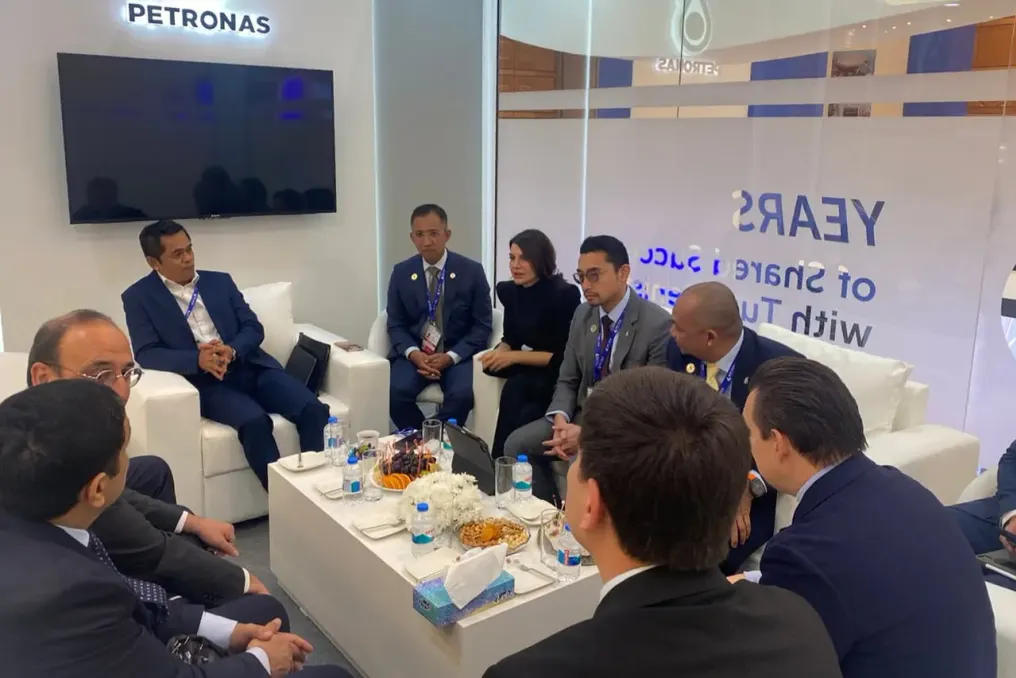
The Uzbek company Uzbekneftegaz and the Malaysian corporation PETRONAS held discussions on prospects for expanding cooperation in the oil and gas sector. Possibilities for long-term supplies of natural gas and gas condensate to Uzbekistan were discussed.

The negotiations took place in Ashgabat as part of the 31st International Conference and Exhibition 'Turkmenistan Oil and Gas — OGT 2026'. The delegation of Uzbekneftegaz was headed by Deputy Chairman of the Board Farid Muminov, while the interests of PETRONAS were represented by Vice President of International Assets Mohd Redhani Abdul Rahman.

The parties reviewed various options for organizing long-term supplies of natural gas and gas condensate, as well as studied opportunities for joint work on new projects. Special attention was paid to geological exploration and field development.

Participants discussed potential areas of joint activity that could bring mutual benefit. Company representatives also considered the possibility of continuing the supply of gas condensate to the Bukhara Refinery.

Following the meeting, PETRONAS representatives confirmed their interest in further developing the partnership with Uzbekneftegaz, emphasizing the need to maintain constructive dialogue and work on agreed areas of cooperation. However, the announcement did not specify any concrete agreements on new contracts or timelines for implementing the discussed initiatives.

Uzbekistan and Belarus Discuss Workforce Training for Nuclear Energy
Read more
uzdaily.uz

Uzbekistan and Belarus Discuss Workforce Training for Nuclear Energy

A delegation from Uzbekistan's agency Uzatom held working meetings with representatives of educational institutions and industry in Belarus in Minsk. The purpose of the meetings was to discuss workforce training and potential cooperation within the framework of the nuclear power plant construction project in Uzbekistan.

The main focus of discussions with Alexander Novikov, director of the Minsk State Energy College, was on training mid-level technical specialists required for the operation and construction of energy facilities.

Opportunities for partnership through the Jizzakh Polytechnic Institute were discussed, including the potential creation of a training center for electricians, welders, and other technical specialists in demand by the energy sector.

The Minsk State Energy College has been training specialists for the Belarusian energy industry for over fifty years, having graduated more than 20,000 students. Since 2009, the college has also trained personnel working at the Belarusian Nuclear Power Plant, participating in its construction.

College representatives noted that cooperation with energy companies allows for the combination of classroom learning with practical training while improving graduates' employment prospects.

Novikov emphasized the readiness of the Belarusian side to share its experience in human resource development. He stated that creating a qualified workforce in the field of nuclear energy requires a systemic approach to education, close interaction with industry, and the development of practical skills.

During the visit, the Uzatom delegation also met with Nadezhda Lazarevich, chairwoman of the Belprom concern, and company management to discuss possible industrial cooperation related to the Uzbekistan NPP project.

The parties studied potential areas of joint work aimed at strengthening the technological resilience of the future facility and developing industrial partnerships. Belprom enterprises export products to more than 60 countries and have experience in international cooperation.

Lazarevich reported that Belarus is closely monitoring the development of Uzbekistan's nuclear industry and sees opportunities for long-term cooperation as the country's industrial potential grows. She also expressed the concern's readiness to participate in joint initiatives.

At the conclusion of the meetings, both sides confirmed their interest in expanding practical cooperation, especially regarding specialist training and industrial partnership related to the construction of the Uzbekistan nuclear power plant.

Uzbekistan Discusses Educational Projects with International Partners in Samarkand
Read more
uzdaily.uz

Uzbekistan Discusses Educational Projects with International Partners in Samarkand

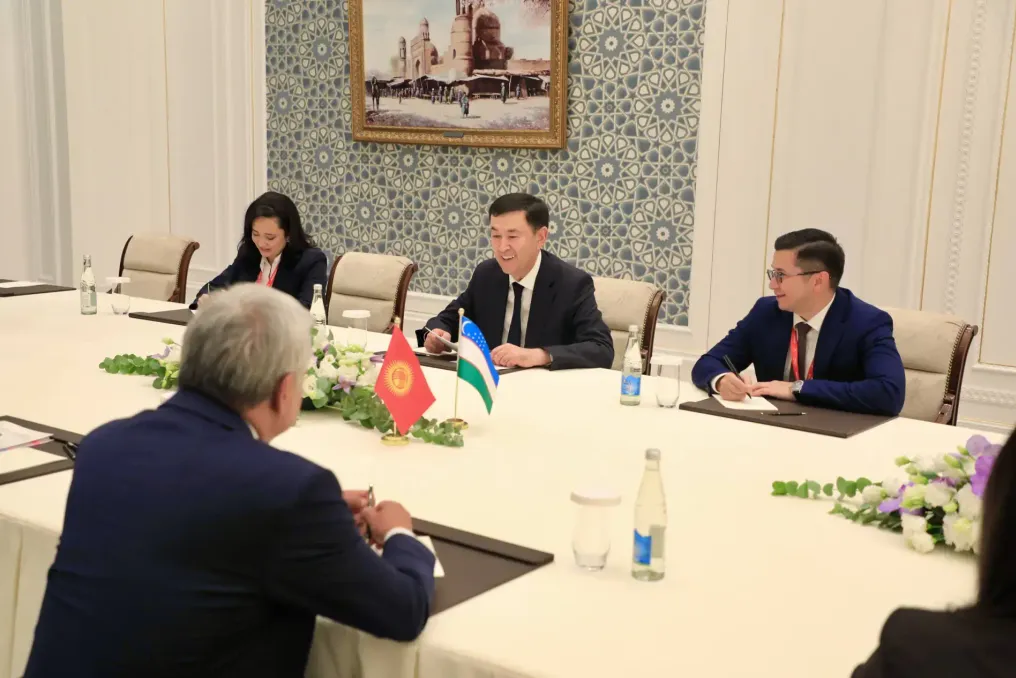
The Minister of Education and Science of Uzbekistan, Erkinjon Turdimov, held a series of meetings with international partners in Samarkand. The goal of these negotiations was to discuss cooperation in the field of education and find ways to improve the quality of learning.

The dialogues took place on the sidelines of the World Summit 'Investment in Children's Well-being: Towards Sustainable and Equitable Development for Future Generations.'

Discussion of Cooperation with Kyrgyzstan

During the meeting with the Minister of Education and Science of Kyrgyzstan, Dogdurkul Kendirbaeva, the parties discussed the preparation of textbooks for schools teaching in the Kyrgyz language, as well as improving teachers' qualifications and exchanging experiences. Furthermore, they considered the possibility of joint educational programs and student exchange between higher education institutions of the two countries.

Meeting with French Representatives

During discussions with the High Commissioner for Children's Affairs of France, Sarah El Khairi, participants focused on developing preschool education, supporting inclusive learning, and the professional growth of educators. Opportunities for experience exchange and the implementation of joint initiatives aimed at improving children's well-being were also discussed.

Joint Projects with the World Bank

The meeting with Aparna Somantan, Regional Director of the World Bank for Human Development in Europe and Central Asia, was dedicated to improving the quality of school education, modernizing educational infrastructure, and strengthening teachers' professional skills. The parties also studied the prospects of implementing the 'Bilim' project.

These meetings were organized with the aim of expanding international partnerships, introducing advanced educational practices, and creating additional opportunities for children to receive a quality education.

Popular