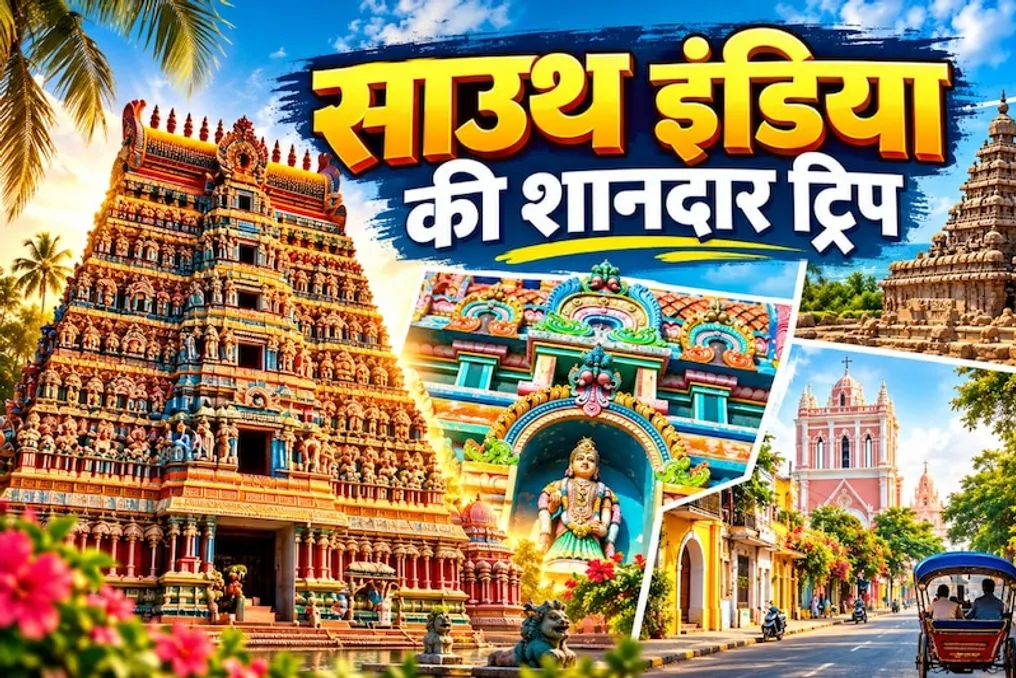
Fifteen-Day Itinerary of South India: Mountains, Coasts, and Scenic Spots
Read more
Aaj Tak
www.aajtak.in

Fifteen-Day Itinerary of South India: Mountains, Coasts, and Scenic Spots

South India is known for its magnificent hills, sea coasts, ancient temples, greenery, and exquisite cuisine. Here you can enjoy both stunning natural landscapes and ancient shrines and quiet beaches. If you are planning a 15-day trip to South India, you should include famous places such as Chennai, Puducherry, Madurai, Kanyakumari, and Munnar in your itinerary, covering the territories of Tamil Nadu and Kerala. This travel plan is suitable for both family vacations and trips with friends.

Fifteen-Day Travel Plan for South India

The first two days are dedicated to Chennai and Mahabalipuram. The journey should start in Chennai, the capital of Tamil Nadu, where you can stroll along Marina Beach and visit famous city temples. Next, a visit to Mahabalipuram is planned, known for its ancient temples and stone carvings. Among the attractions here are Shore Temple and Pancha Rathas, and historical buildings combined with beautiful sea views will provide an excellent start to your trip.

The third and fourth days are allocated for visiting Puducherry. After touring Chennai and Mahabalipuram, tourists can spend time by the sea. The city offers the charm of the colorful streets of the White Town, French-style buildings, and cafes. Promenade Beach is ideal for evening or morning walks, and the quiet streets attract photography enthusiasts due to their picturesque views.

The fifth day includes a trip from Puducherry to Thanjavur. This city is famous for its rich history and temple heritage. The main attraction is the Brihadeeswarar Temple, distinguished by its majestic architecture. After visiting the temple, you can explore the local culture and markets of the city.

The sixth day is dedicated to Madurai. The main objective here is the Meenakshi Amman Temple, whose colorful gopurams and magnificent carvings deserve attention. Madurai will be an important stop for those who prefer religious and historical sites.

The seventh day involves a trip from Madurai to Rameshwaram. The main sites here are Rameswaram Temple and Pamban Bridge. This area, located in the middle of the sea, offers both religious sites and beautiful views. After sightseeing, it is recommended to rest, as there is a transfer to Kanyakumari the next day.

The eighth day is spent visiting Kanyakumari, which must be included in a tour of South India. Here, the Arabian Sea, the Bay of Bengal, and the Indian Ocean meet. Key spots include the Vivekananda Rock Memorial and the Thiruvalluvar Statue. On a clear day, you can admire the sunrise and sunset, and spend the day walking by the sea and exploring local markets.

The ninth day leads from Kanyakumari to Thiruvananthapuram, the capital of Kerala. Here, you can visit the Sri Padmanabhaswamy Temple and other significant city sites. Before visiting the temple, you should familiarize yourself with the dress code and other rules. If time permits, you can also take a walk around the nearby beaches.

The tenth day is a trip from Thiruvananthapuram to Varkala. This place is known for its high cliffs by the sea and scenic cliffs. Here you can enjoy the ocean view from cafes and admire the sunset. Varkala is a good choice for those seeking tranquility away from the crowds.

The eleventh day is dedicated to Alleppey to experience the atmosphere of Kerala's inland waterways. Here you can spend time on a houseboat among palms, canals, and calm waters. If the budget is limited, a local cruise on the inland waterways can be considered. The tranquil atmosphere of this place will make the trip unforgettable.

The twelfth day includes arrival in Kochi from Alleppey, where you can enjoy walks through old streets, historical buildings, and the waterfront. Among the main attractions are Fort Kochi, Chinese fishing nets, and Mattancherry Palace. Local cafes and markets also offer opportunities for exploration.

The thirteenth and fourteenth days are reserved for Munnar. This hill station is known for its green tea plantations, cool climate, and beautiful views. Tourists can walk through the tea gardens and spend time surrounded by nature. Possible visits include Eravikulam National Park and Mattupetty Dam. Two days allow for a relaxed exploration of the mountains and greenery.

The last day, the fifteenth, includes a transfer from Munnar to Thekkady. Here you can walk around the Periyar Sanctuary and Periyar Lake. Depending on time and availability, a boat ride on the lake can be taken. After this, further travel should be planned according to the return schedule by train or plane. It should be noted that the journey from Thekkady to Kochi or Madurai can take many hours, so return tickets should be booked with this in mind.

Before starting the trip, it is recommended to pay attention to the travel period: from November to February, the weather in most places is most favorable.
Similar stories

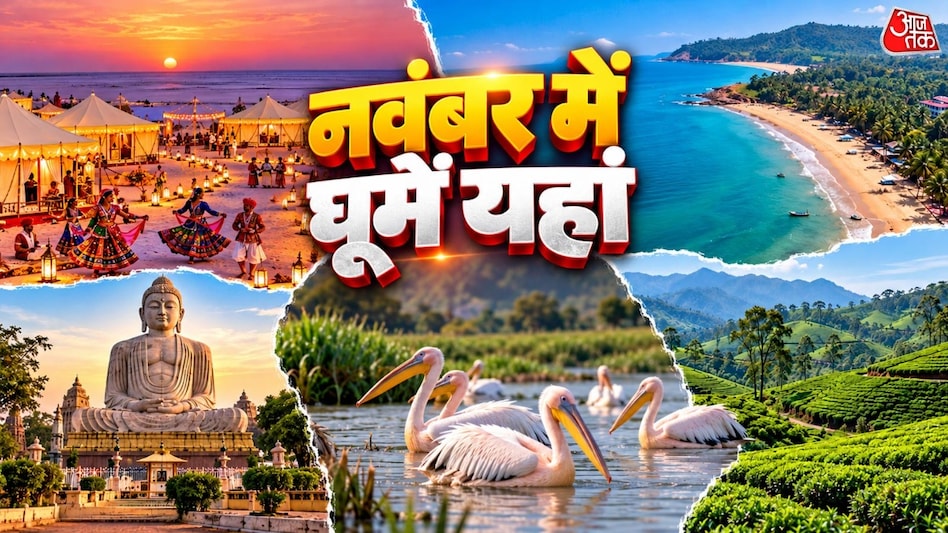
10 tourist destinations in India to visit in November, great alternatives to Shimla and Manali
Read more
www.aajtak.in

10 tourist destinations in India to visit in November, great alternatives to Shimla and Manali

November is considered a favorable month for travel, as pleasant weather sets in in many places, making it easier to explore new locations. If you are looking to escape the daily hustle and bustle, you can plan a trip to various corners of India. You can find both greenery and cool air in the mountains, picturesque views by the sea, and places where you can learn about history, culture, and spirituality.

Below are 10 beautiful places in India worth visiting in November.

Rann of Kutch, located in Gujarat, is known for its white salt desert. In November, the Rann Utsav festival is held here, where you can witness folk music, dances, crafts, and local culture. The sight of the white desert under the open sky is exceptionally picturesque, especially at sunset. Additionally, the itinerary can include Kalo Dungar, the highest point of Kutch, and Dholavira, associated with the Indus Valley Civilization.

To reach this area, you can use the airport and railway station in Bhuj.

If you enjoy spending time by the sea, you can head to Tarkarli, Maharashtra. Here, you can enjoy clear blue water, calm beaches, and natural beauty. Thanks to the pleasant November weather, you can walk on the beach and engage in water sports. Devabagh Beach offers moments of relaxation. Visiting Sindhudurg Fort and taking a boat ride in the Karli Gulf are also good experiences. Activities available include diving, dolphin watching boat trips, and parasailing.

Bodh Gaya in Bihar is an ideal option for those seeking tranquility and spiritual experience. It is one of the main holy sites of Buddhism. According to beliefs, Gautama Buddha attained enlightenment here under the Bodhi tree. The weather in November is comfortable for visiting. You can spend time at the Mahabodhi Temple complex, make a pilgrimage to the sacred Bodhi tree, and visit various Buddhist monasteries. Furthermore, local markets offer items related to Tibetan and Buddhist culture. The Gaya Airport and Gaya Railway Station are available for travel.

Wayanad in Kerala is a wonderful place for nature lovers and adventurers. After the rainy season, it is lush green with dense forests, lakes, and misty hills. In November, you can go trekking and view nearby coffee plantations and spice fields. Chembra Peak is famous for its scenic mountain landscapes and heart-shaped lake. Other attractions include Adakkal Caves and Pookode Lake. If you love wildlife and forests, you can experience bird and animal watching.

Rishikesh in Uttarakhand is suitable not only for relaxation but also for finding inner peace. This city, situated on the banks of the Ganges, is known for its atmosphere of yoga, meditation, and spirituality. In November, it gets cool in the morning and evening, but you can enjoy walks during the day. You can watch the Ganga Aarti at Triveni Ghat and stroll through the Lakshman Jhula area. You can also explore the Bitval Ashram, known for its history and meditative atmosphere. If you are interested in yoga or Ayurveda, you can spend time at a retreat center. Before engaging in activities like rafting on the river, be sure to check the local weather and operating conditions.

If you want to walk by the sea and experience a different culture, you should visit Puducherry. The city attracts people with its French architecture, colorful streets, cafes, and picturesque beaches. A walk through the city amidst the sea breeze in November can be a wonderful experience. You can walk along Promenade Beach and admire the sunset. The French Quarter is known for its colorful buildings and quiet streets. Additionally, Auroville and the Basilica of the Sacred Heart of Jesus are attractions. Local cafes offer dishes with French and Tamil flavors, and you can purchase local handicrafts.

If you enjoy observing birds and nature up close, Bharatpur in Rajasthan is a good choice for a November visit. During this time, migratory birds can be seen in the Keoladeo National Park. You can go birdwatching in the morning. You can also enjoy the surrounding natural scenery by cycling inside the park. Moreover, Lohagarh Fort and Bharatpur Palace are worthwhile places to visit. This trip can be special for those interested in history and wildlife.

Punjabi Amritsar offers religious faith, history, and delicious food.

Video of India's longest train: A 4200 km journey takes over 74 hours
Read more
www.aajtak.in

Video of India's longest train: A 4200 km journey takes over 74 hours

In India, railway journeys are often associated with pleasant memories, whether it is a trip to relatives or a family vacation. However, there is a train that covers a distance of about 4000 kilometers and requires more than three days to complete the route.

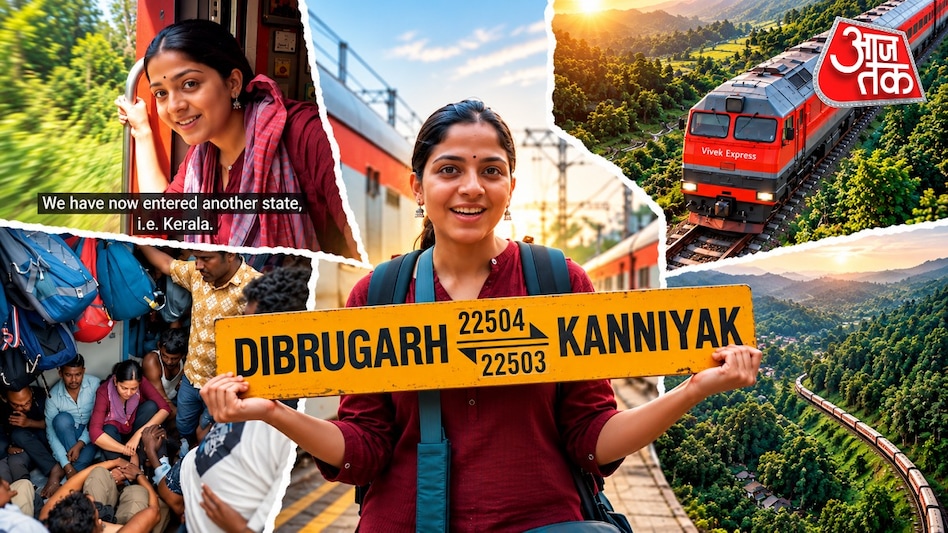
This train is called the Vivek Express. It runs from Dibrugarh in Assam to Kanyakumari in Tamil Nadu, passing through many states, cities, and cultures during its long journey. This trip is especially interesting for those who love long train rides and want to see the diversity of India from the inside.

The Vivek Express route, connecting Dibrugarh and Kanyakumari, is approximately 4200 kilometers long and takes about 74 hours, which is more than three days. Nevertheless, sometimes due to various circumstances, the train may not arrive at the station on schedule. During such a long journey, passengers can observe different sights of India from the window: from vast tea plantations to the hustle and bustle of large urban centers. The change in weather, languages, culinary traditions, and lifestyle makes this trip special.

Content creator Mamta Yadav and her team took a trip from Dibrugarh to Kanyakumari and back to experience this long route. Although the scenic views were the main attraction, the large crowd of passengers in the general compartment created several difficulties. The video shows severe overcrowding in the general compartment, which can cause problems with finding a seat and moving around inside the carriage. Additionally, there were inconveniences related to the cleanliness of the toilets.

The team spent the first two days in the general compartment and the remaining two days in an air-conditioned compartment. In the general compartment, seats are primarily taken by arriving passengers, so finding a comfortable spot on such a long journey can be a serious problem.

The Vivek Express was launched as part of the railway budget announcement in the 2011–2012 period. This train is named in honor of commemorating the 150th anniversary of Swami Vivekananda.

Besides Dibrugarh and Kanyakumari, this train passes through a number of important stations on its extended route, including cities such as Guwahati, Kolkata, Bhubaneswar, and Thiruvananthapuram. The train makes stops at approximately 59 stations along the entire route.

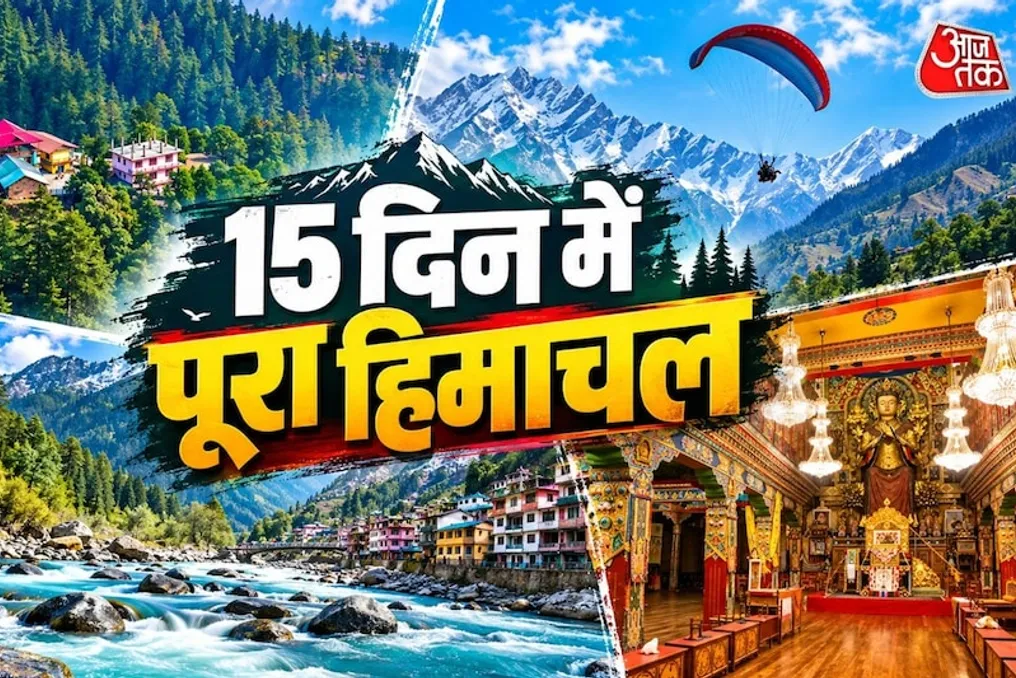
15-Day Himachal Travel Route: From Shimla to Chamba
Read more
www.aajtak.in

15-Day Himachal Travel Route: From Shimla to Chamba

Himachal Pradesh is known throughout the country for its high mountains, picturesque valleys, lakes, rivers, and tranquil atmosphere. It hosts numerous beautiful destinations, ranging from well-known spots like Shimla and Manali to Kasol, Dharamshala, Dalhousie, and Chamba. With approximately fifteen days, one can explore many unique corners of Himachal in a single trip.

If you have long planned a trip to Himachal, this 15-day itinerary might be useful. It allows you to include mountains, lakes, valleys, temples, and natural attractions in your journey. Below is a guide on how to spend 15 days in Himachal.

15-Day Himachal Travel Route

Days 1–3: Shimla

The journey can begin in Shimla. On the first day after checking into the hotel, it is worth walking along Mall Road and Ridge. The next day, you can visit Kufri, Jakhu Temple, and other beautiful surroundings. Three days are sufficient to enjoy the mountain scenery and cool climate around Shimla.

Days 4–6: Manali

After Shimla, you should proceed to Manali. Here, you can explore Solang Valley, Hadimba Devi Temple, Old Manali, and other scenic spots in the vicinity. Depending on favorable weather conditions and local circumstances, a trip via Rohtang Pass or to other high-altitude areas can be planned. Three days in Manali will allow you to combine enjoying the mountains with outdoor activities and relaxation.

Days 7–8: Kasol and Manikaran

Next, the destination is Kasol. Located in the Parvati Valley, Kasol is famous for its quiet ambiance, beautiful river views, and cafe culture. Here, you can stroll peacefully and spend time in nature. Afterward, you can visit Manikaran, known for its Gurudwara and hot springs. Two days are recommended for Kasol and Manikaran.

Days 9–10: Dharamshala and McLeod Ganj

The next stop is Dharamshala and McLeod Ganj. Here, you can see Tibetan culture, monasteries, and magnificent mountain views. In McLeod Ganj, you can visit Bhagsu Nag Temple and Bhagsu Waterfall. If you enjoy trekking, you can explore nearby trails depending on the weather.

Days 11–12: Dalhousie and Khair

After Dharamshala, you should head to Dalhousie. This town, known for its British colonial-era buildings, churches, and mountain landscapes, has a very peaceful atmosphere. From here, you can plan a trip to Khair. Khair, surrounded by lush meadows and cedar trees, is an excellent place for nature lovers.

Day 13: Chamba

After Dalhousie, you can visit Chamba. Situated on the banks of the Ravi River, Chamba is known for its natural beauty and historical temples. One day is enough to explore the local markets and surroundings.

Days 14–15: Return and Local Attractions

The last two days should be reserved for returning and concluding the trip. If time permits, you can stay in any beautiful location along the way. Thus, without rushing, you can explore the beautiful valleys, hill stations, and natural sites of Himachal over 15 days.

Tips for Traveling in Himachal

When planning a trip to Himachal, it is crucial to consider the weather conditions and road conditions. The weather in mountainous regions can change abruptly, so be sure to check the local forecast and road surface condition before departing. It is also necessary to inquire about local rules and permits before visiting high-altitude areas.

If you wish to travel on a budget, you can use public transport such as buses and shared taxis. Saving time and money is achieved by pre-booking hotels and covering nearby places within a single itinerary.

Popular