PhotoSparks, a weekly column from YourStory launched in 2014, features photographs that celebrate the spirit of creativity and innovation. Over its existence, in more than 1020 publications, various events have been presented, including art festivals, comic book galleries, world music festivals, telecommunication exhibitions, grain fairs, climate change expositions, wildlife conferences, startup festivals, Diwali rangolis, and jazz festivals.
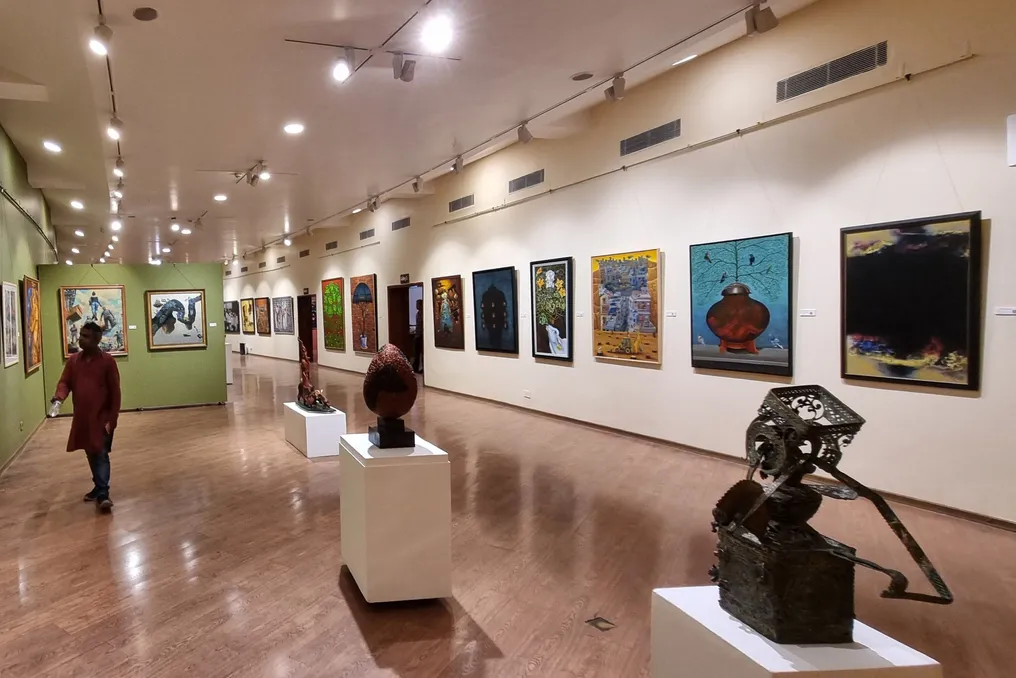
Recently, the Lalit Kala Akademi (LKA) in New Delhi held its 65th National Art Exhibition. This exhibition featured over 270 works of art from across the country, selected by a jury from 6175 submitted entries.
Furthermore, twenty artists received awards from the Lalit Kala Akademi. Among the awardees were Pooja Rajput, Praveen Kumar, Pritam Madhukar Deuskar, Rajendra Prasad, Ramesh Vital Torat, Raviram Ramakrishnan, and Sanjay Kumar.
Such exhibitions and awards help transform artistic talents into sources of income, fostering creative business, tourism, and international recognition. They strengthen the creative economy by connecting artists with audiences, buyers, institutions, and markets, while preserving the cultural identity of the country.
Exhibitions provide artists with an opportunity to display, promote, and sell their work. They link creators to a wider ecosystem of collectors, galleries, curators, cultural institutions, and potential investors, thereby opening avenues for income generation and professional growth.
In the case of national exhibitions in India, opportunities also arise to showcase traditional crafts, indigenous knowledge, and contemporary artistic practices. Thus, cultural assets move beyond nostalgia and become sources of sustainable economic value.
Art competitions, in turn, stimulate the pursuit of perfection, experimentation, and willingness to take creative risks. By holding them annually, they discover new talents, provide visibility to underrepresented artists, and create pathways to grants and residencies, as demonstrated by the activities of LKA and its centers across India.
Art exhibitions delight and inspire art lovers, prompting artists to develop new techniques, materials, and ideas. At a broader level, this strengthens the nation's base of creative skills and promotes innovation in design, fashion, architecture, digital media, and other creative industries.
Awards conferred by national institutions, such as LKA, lend authority and elevate the status of artists and creative enterprises. National prizes also help set benchmarks of excellence, recognize cultural achievements, and shape a distinct national creative identity.
As shown in this photo essay, the diverse works of art presented at exhibitions help emerging artists realize the opportunities that current practices offer. It also paves the way for exploring how other media can expand creative horizons, for instance, through digital technologies.
Collectively, exhibitions, competitions, and awards contribute to the creative economy of India. Regional creators can interact with national and international buyers, galleries, cultural institutions, and digital platforms.
Traditional art forms and indigenous knowledge can be sustained while simultaneously encouraging new creative expressions. The annual LKA exhibition motivates cultural institutions and private partners to invest in accessible venues, professional development, and fair compensation for artists.
Special attention should be paid to emerging artists, regional creative communities, women, youth, and indigenous practices. Success should be measured not only by attendance or media coverage but also by artists' income, tourism expenditure, repeat market opportunities, and international partnerships.
In conclusion, sustainable investment and effective partnership through platforms like LKA can ensure that India's artistic and cultural wealth generates long-term social, cultural, and economic value.