The World Bank warned on Wednesday that global commodity prices could rise by 23 percent by the end of 2026. The increase in energy prices is attributed to the war in Iran and reaching a four-year high, while food prices are being pushed up by global conflicts and the El Niño phenomenon.
In a statement accompanying the publication of the 'Commodity Market Outlook' report, World Bank Deputy Chief Economist Ayhan Köse noted that 'commodity markets are being affected by several major shocks simultaneously.' He added that rising energy costs and trade disruptions are leading to price increases across a wide range of goods, threatening to worsen inflation, food insecurity, and slow economic growth.
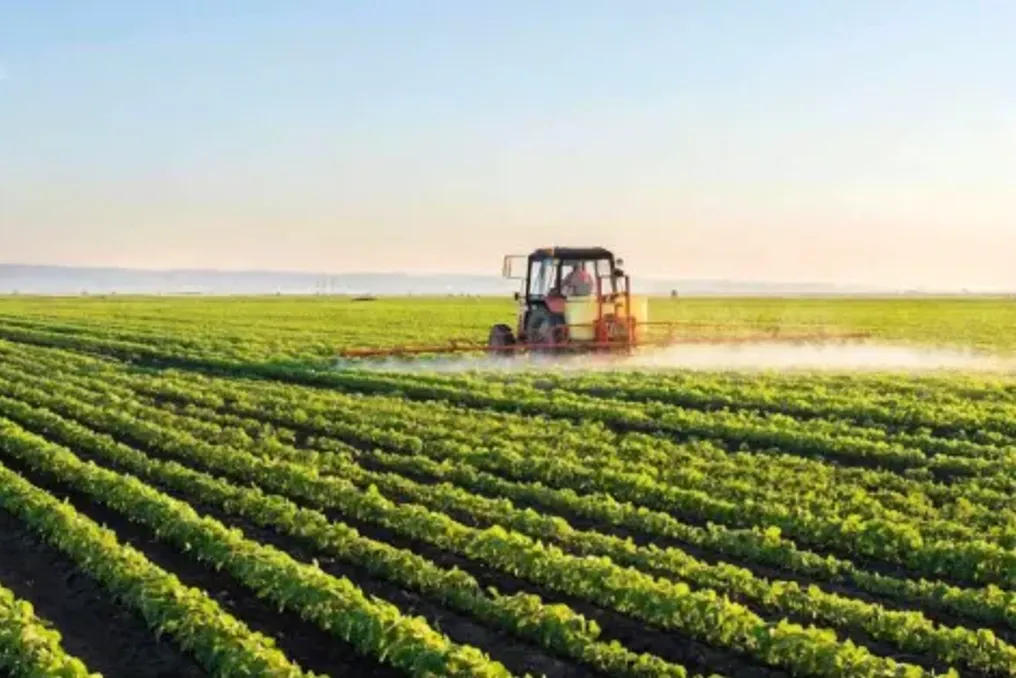
Food prices are expected to increase by 10 percent in 2026 and another 7 percent the following year. Reasons for this include disrupted grain supply chains due to conflicts, the consequences of the extreme El Niño event, as well as high fuel and fertilizer prices.
El Niño is a natural weather phenomenon that will lead to higher temperatures in many parts of the planet this year, intensifying the impact of anthropogenic climate change. For food producers, this is expected to result in an increase in floods, droughts, and heat stress in various regions.
Increase in Energy Prices
According to the World Bank report, energy prices are projected to rise by 32 percent this year before stabilizing in 2027, provided that the conflicts in Iran and Ukraine do not escalate.
Global energy and fertilizer prices have sharply risen since the start of the war between the United States and Israel against Iran in late February, plunging the Middle East into violence. Iran responded with attacks on US allies in the region and effectively blocked the Strait of Hormuz—a key route for oil, natural gas, and fertilizer supplies.
The World Bank report warned that a particularly strong El Niño, increased attacks on grain supplies in the Black Sea during the Russia-Ukraine war, or further increases in energy prices due to the war in Iran could trigger a 'food crisis.' In an adverse scenario where all these risks materialize simultaneously, the average Brent price in 2027 could reach $105 per barrel, and food prices could exceed 2022 levels, being 12 percent higher than the baseline forecast.
Protecting the Poorest Populations
Since the start of the war in Iran, the World Bank has provided emergency support totaling $8.7 billion to vulnerable countries. Ayhan Köse emphasized that the priority must be protecting the poorest people and supporting low-income countries that are already facing heavy debt burdens.
Global oil supply volume is projected to decrease by 5.2 percent in 2026—the largest drop in more than four decades outside the pandemic period—and this is linked to the consequences of wars in the Middle East and between Russia and Ukraine.
The report noted that global oil price forecasts would be even higher if not for the projected 2.5 percent decline in oil consumption this year, which is the third-largest drop after the Covid pandemic and the 1980 oil crisis. Nevertheless, forecasts for food, energy, and commodity prices turned out to be significantly higher than previous Bank estimates made in April.