At the Innovation Day 2026 event, held on October 29th in Shanghai, AgiBot introduced a new unit of measurement to assess the actual contribution of robots to workflows. Co-founder, President, and CTO Peng Zhihui named this unit Worken, which stands for effective intelligent working hours. He defined Worken as the product of the number of active robots, autonomous working hours, and output efficiency coefficient.
Peng emphasized that simple robot operating time does not equate to value. According to him, a robot being switched on for eight hours does not guarantee the creation of eight hours of value, nor does high success rate in completing one task mean it can operate as stably as a human for a month. The purpose of Worken is to answer the question of what sustainable and useful labor robots provide in real-world conditions, unlike demonstration specifications.
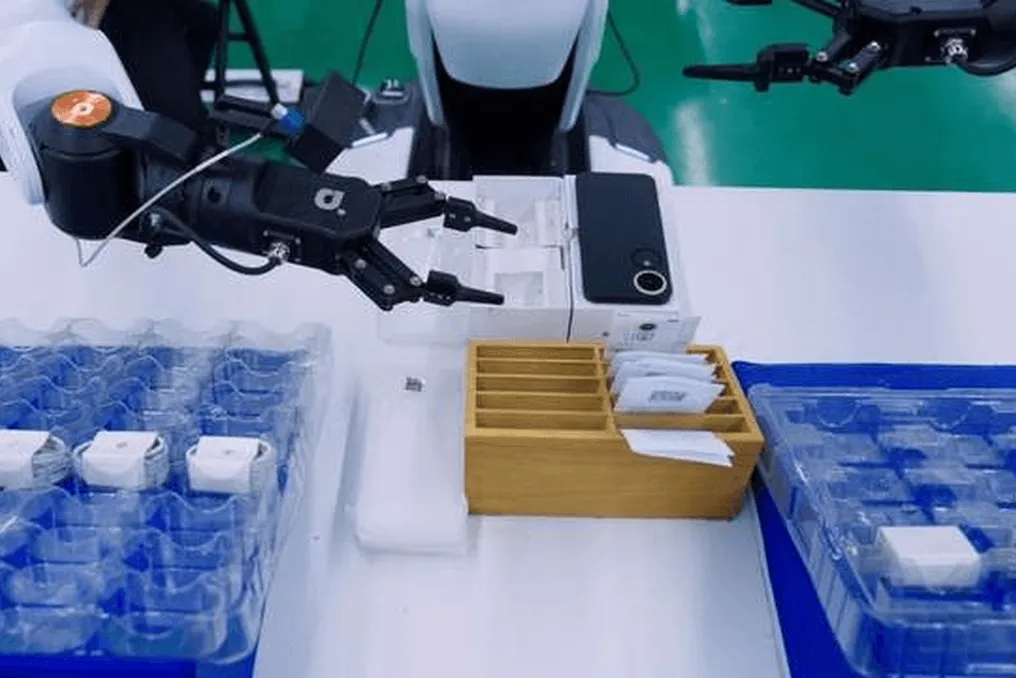
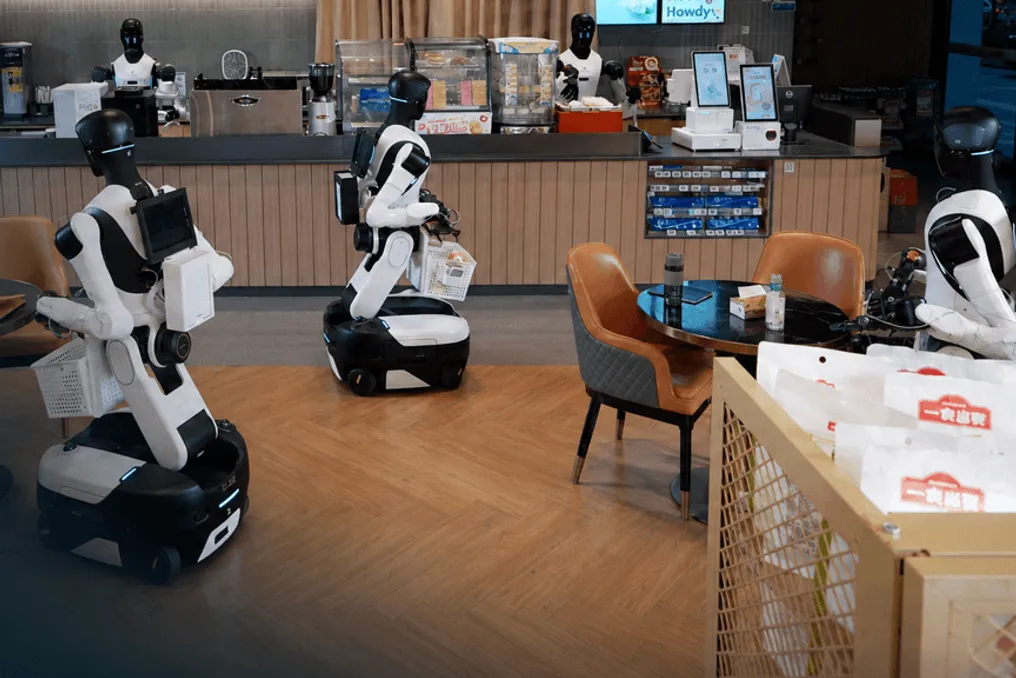
AgiBot shared data from three implementations. Four robots serving visitors in the Quanzhai Alley in Chengdu worked 310 hours and produced 744 Worken. Eight robots involved in loading and unloading on the production line of the Longcheer factory worked 528 hours and yielded 2956.8 Worken. In Guangzhou Metro, 120 robots guiding passengers through the security zone worked 240 hours and provided 14,400 Worken. However, the company has not yet established a universally accepted standard for defining the efficiency coefficient, such as how to account for human intervention, maintenance, or downtime.
An important aspect was the removal of humans from the workflow. In September, AgiBot deployed over 300 robots across more than 100 locations at the Chimelong Spaceship park in Henan to conduct tours, host games like chess and table tennis, and organize other visitor activities. Currently, nearly 500 robots operate there regularly, and the company plans to increase this number to 1,000 by the end of the year.
Partner Wang Chuang noted that initially, almost every robot required its own engineer. Because children interacted with the robots, violating game rules, the robot-to-engineer ratio changed from 1:1 to 3:1. The company's goal is to reach a 10:1 ratio by the end of the current year and 20:1 next year. At such a ratio, he stated, the client would only need about 5 percent more budget for personnel for this function.
The leaders acknowledged existing limitations. Wang reported that the new WITA-OMNI interaction model still requires refinement in terms of stability and consistency when operating with large robot parks. Co-founder Yao Maoqing stated that long-term stable operation of over 10,000 robots in Chinese factories will be a key industry achievement. Peng added that end consumers are interested not so much in the ability to build a robot, but whether they can afford to operate it. Without measurable results and reduced operational costs, he believes every sold robot will still require its supervisor.