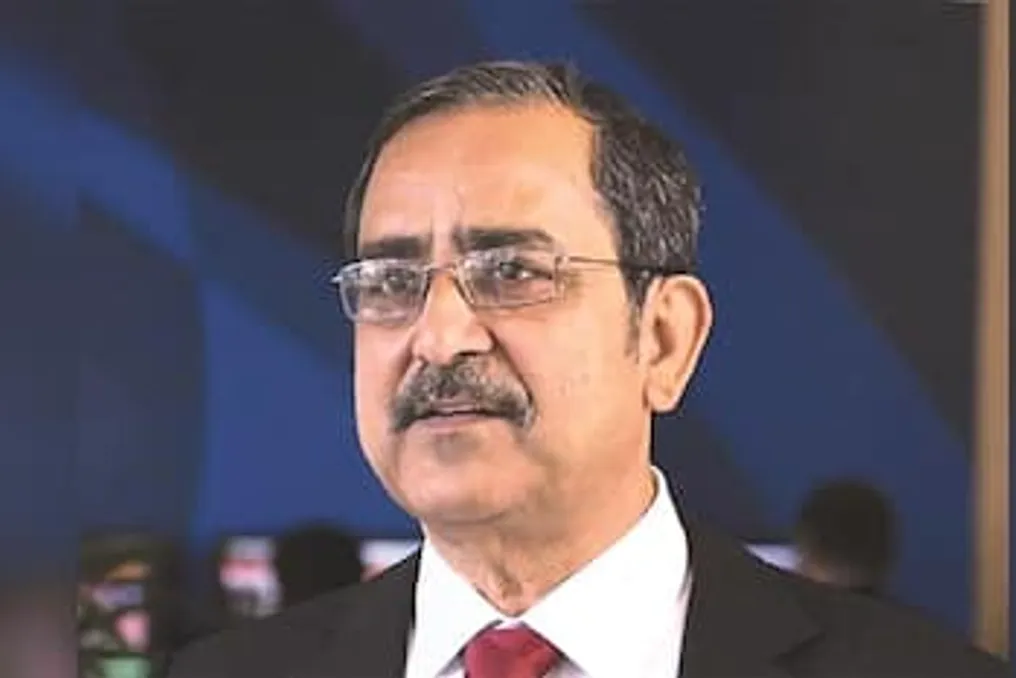
Ashok Lahiri warns that expansionary policy is ineffective amid inflationary risks
Read more
Business Standard
business-standard.com

Ashok Lahiri warns that expansionary policy is ineffective amid inflationary risks

Vice Chairman of NITI Aayog Ashok Lahiri warned against the premature adoption of expansionary measures amidst rising global inflation, El Niño risks, and uncertainty related to the Strait of Hormuz.

Lahiri stated that given the signs of strengthening global inflation, particularly in food and oil segments, as well as the threat posed by El Niño, a sharp intensification of expansionary policy could be inappropriate. He made these remarks in response to media representatives' questions during the CII Banking Colloquium.

During his interaction with journalists, Lahiri noted the general global uncertainty, citing the situation in the Strait of Hormuz and the unknown timing of its opening. He emphasized that if there was a perceived need for government expansionary policy in such a situation, the Monetary Policy Committee (MPC) had already raised the rate. 'I believe it is better to be overly cautious than to regret it,' he said.

He added that global inflation shows signs of 'slight tightening,' especially in food and petroleum prices, and that El Niño also raises concerns, making 'premature expansionary action not very helpful,' in his view.

Earlier the same day, speaking at the CII event titled 'Banks Beyond Lending: Stimulating Industrial Growth in Eastern India,' Lahiri suggested that banks could act as intermediaries, benefiting both the government and themselves by utilizing investment opportunities.

He explained that banks possess extensive knowledge of business opportunities within the state and the state government's activities, beyond just contacts with entrepreneurs and potential investors nationwide. Thus, they can promote state and investor development while simultaneously benefiting from financing some investments through loans.

Lahiri also drew attention to regional disparities in the loan-to-deposit (LD) ratio, which stood at 93.6 percent in the southern region in 2023, compared to the lowest figure of 47.5 percent in the eastern region. Five states in the eastern region—Bihar, Jharkhand, Odisha, Sikkim, and West Bengal—along with the Andaman and Nicobar Islands Union Territory, had an LD ratio ranging from 32.6 to 51.1 percent.

He noted that West Bengal lags behind the technological advancements brought about by successive industrial revolutions. Lahiri stated that this situation needs correction, urging them to 'leapfrog stages and catch up with the world's most efficient producers.' This, in turn, would automatically create demand for investment, income, and wages, and increase credit flows from banks.

He called for the launch of several landmark projects to 'announce the beginning of a new era of growth in West Bengal.' Examples of such projects he cited included establishing a modern deep-sea port and launching a modern industrial park in Singur. According to him, in a state where hopes have waned due to decades of relative decline, such projects would serve as a wake-up call for investors, businessmen, bankers, and the general public.

Furthermore, he urged attracting and facilitating the creation of several new large-scale industrial enterprises. The Vice Chairman of NITI Aayog pointed out that it is cheaper and administratively easier for banks to provide loans to one large enterprise rather than to hundreds of micro, small, and medium enterprises (MSMEs).

Nevertheless, Lahiri stressed that banks play an important role in this process, noting that much still needs to be done in the field of microfinance, where West Bengal is a leader. He reminded that today's industrialists, such as Birla and Ambani, started as small businesses, and banks must play a role in supporting modern MSMEs that will become future major players.
Similar stories

MPC did not reach a consensus on raising the repo rate despite inflation concerns
Read more
www.aajtak.in

MPC did not reach a consensus on raising the repo rate despite inflation concerns

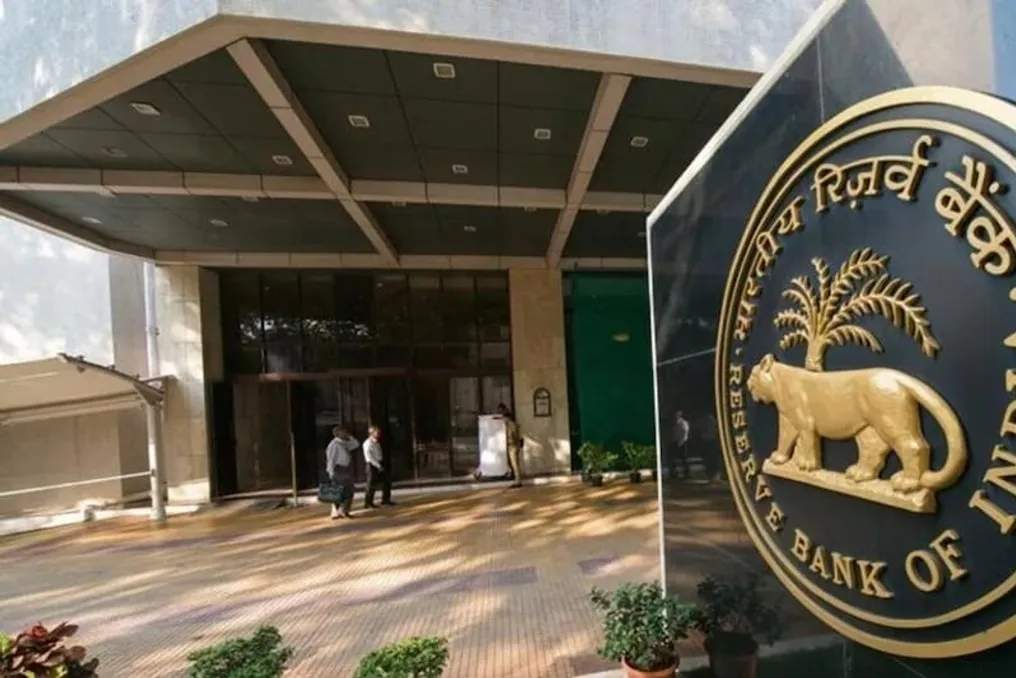
The Reserve Bank of India (RBI) may be forced to raise interest rates to control inflation, but too rapid an increase could put pressure on the country's economic growth rate. This is evidenced by the minutes of the Monetary Policy Committee (MPC) meeting held on Wednesday. This month, the RBI increased the repo rate for the first time in almost four years. Amid rising inflationary pressures, the question arises whether lending to the public will become more expensive in the coming months.

The RBI's Monetary Policy Committee unanimously raised the repo rate by 25 basis points this month, bringing it to 5.50%. Simultaneously, the central bank changed its monetary stance from neutral to 'calibrated tightening.' This indicates the possibility of taking further stringent measures to combat inflation, and the probability of interest rate cuts in the near future is decreasing.

The repo rate is the interest rate at which the RBI lends to banks. An increase in this rate can make borrowing more expensive for banks, which in turn will affect interest rates on home loans, auto loans, and other borrowings. However, the exact size and timing of rate changes for customers depend on the decisions of banks and lending conditions.

The RBI's main objective is to keep inflation under control. Rising crude oil prices amid the ongoing war in the Middle East and reduced rainfall during the monsoon season have intensified inflationary pressure on food commodities. This has caused concern among both the public and the central bank regarding its monetary policy. In September 2026, retail inflation in India reached 5.54%, exceeding market forecasts and approaching the upper limit of 6% set by the RBI.

The central bank forecasts an average inflation rate of 6% in the October-December quarter, and the overall forecast for the entire fiscal year was increased from 5% to 5.2%. According to the MPC minutes, many committee members expressed concern that inflationary pressures could spread to other sectors of the economy. They felt it necessary to take action before controlling price growth became difficult.

Deputy Governor of the RBI, Poonam Gupta, hinted at the need for further increases in policy interest rates to curb inflation. She emphasized the importance of timely action to prevent further growth in inflation expectations. MPC member Sougat Bhattacharya also argued for maintaining a tight monetary policy. However, he warned that too rapid an increase in interest rates could negatively affect the pace of economic development.

Indranil Bhattacharya, CEO of the RBI, supported an active stance in combating inflation. His view was that it is better to take measures promptly rather than waiting for additional signs of price increases.

Despite inflation concerns, not all MPC members agreed with an aggressive interest rate hike. Committee members Nagesh Kumar and Ram Singh opposed the decision to shift monetary policy from neutral to 'calibrated tightening.' Ram Singh warned that the change in policy stance could be perceived as a signal of prolonged high interest rates, although there are no apparent grounds for this at present.

He supported gradual and small rate increases as needed, rather than keeping them high for a long time. He believed that fears of aggressive rate hikes could weaken consumer demand, which might affect even sectors not directly dependent on interest rates. Thus, while stringent measures to curb inflation are necessary, the speed of their implementation must consider the impact on economic growth.

Interestingly, the RBI increased its projection for the country's economic growth simultaneously with rising inflation expectations. In its latest monetary policy review, the central bank raised the economic growth forecast for the current fiscal year by 40 basis points, bringing it to 7.1%. This suggests that the RBI expects strengthening economic activity but does not ignore the risks associated with rising inflation. Higher interest rates can increase the cost of borrowing and affect household and corporate spending and investment. On the other hand, if inflation remains high for a long time, people's purchasing power may weaken.

For ordinary citizens, this means that the repo rate is currently 5.50%, and the RBI's changed monetary stance has dampened hopes for a near-term rate cut. If the repo rate continues to rise, home and auto loans may become more expensive. However, the direct impact will depend on when and how much the RBI raises the rate, and how banks adjust their interest rates. Currently, the central bank faces a dual task: it needs to implement the necessary stringency to control inflation, but also ensure that interest rates do not...

El Niño's Impact: Winter Temperature Rise Forecasted in India, Threatening Wheat Harvest
Read more
www.aajtak.in

El Niño's Impact: Winter Temperature Rise Forecasted in India, Threatening Wheat Harvest

Amid global climate changes, concern is growing over the El Niño phenomenon. The coming months may be critical for India. Following the monsoon season, which saw a 13% decrease in precipitation compared to normal, the question arises whether El Niño could raise winter temperatures and put pressure on agriculture.

The World Meteorological Organization (WMO) has warned of a possible strengthening of El Niño until the end of 2026 and its influence persisting until 2027. El Niño is a seasonal phenomenon characterized by warmer sea surface temperatures in the central and eastern equatorial Pacific Ocean. This natural climate system affects winds, atmospheric activity, and precipitation distribution worldwide.

In India, particular attention is paid to El Niño because during this event, the risk of reduced rainfall in the southwest monsoon increases. Changes in Pacific Ocean temperatures disrupt the balance of winds and atmospheric conditions, weakening the monsoon and increasing the likelihood of prolonged drought in some regions. However, this does not mean that every part of India will experience a precipitation deficit every time; the impact depends on other seasonal factors and regional characteristics.

During the past monsoon season, uneven rainfall was observed in different parts of the country. In Central India, precipitation was almost normal, whereas Eastern and Northeastern India recorded a 26% drop below average, classified as an extreme drought situation. Southern Indian states experienced a 24% decrease in precipitation below the average. If El Niño intensifies, temperatures in some areas of India may exceed normal levels in the coming months, leading to increased strain on water reserves in reservoirs, irrigation, and agriculture.

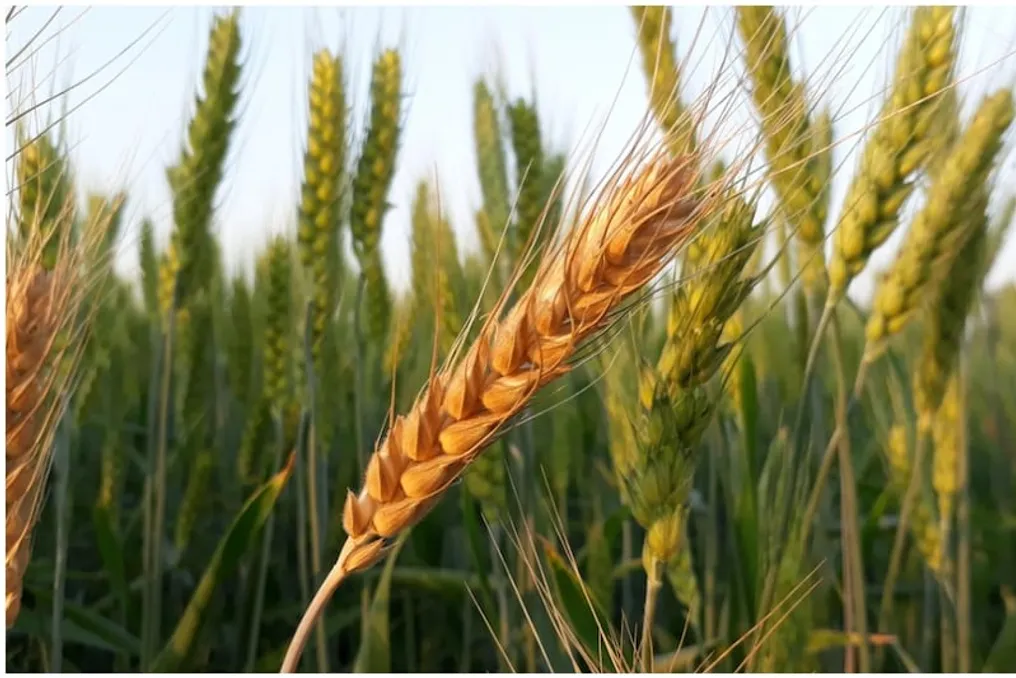
Referring to forecasts from the South Asian Climate Forum, the WMO noted that from October to December 2026, maximum and minimum temperatures across much of South Asia may remain at or above normal levels. For India, the wheat harvest is also a serious concern. A rapid rise in temperature late in winter can negatively affect wheat yield, especially during grain formation. Excessive heat at this time threatens to impact grain development and overall yield. The weather forecast for January and February 2027 will depend not only on El Niño but also on factors such as Western Disturbances.

The impact of El Niño is not limited to India; it causes changes in temperature, precipitation, and storm activity in many parts of the world. Indonesia is experiencing its worst period of forest fires since 2015. In Southeast Asia, the risk of wildfires and drought is increasing due to hot and dry conditions. Some parts of East Africa are expected to see heavy rains and flooding, while other regions face a risk of drought. Thus, the impact of El Niño is heterogeneous for each region.

The impact is also noticeable on storm activity. Storm activity has increased in the eastern Pacific, while strong high-altitude winds over the Atlantic Ocean weaken the process of storm development. Weather conditions in South America can also vary: some areas of the Amazon face the threat of drought and dryness, while southern areas are expected to have heavier rains and floods.

According to the WMO warning, El Niño may strengthen until the end of 2026 and maintain its influence until 2027. Therefore, it is crucial to monitor changes in India regarding temperature, precipitation, and agriculture. After a period of low rainfall, key issues will be the availability of water resources, irrigation of winter crops, and the wheat harvest. India's challenge is not only the intensification of El Niño but also how its consequences will manifest after the monsoon season with insufficient rainfall. The actual weather trajectory in the coming months will determine the extent of the impact on winter temperature, precipitation, and the agricultural sector.

IMF Chief warns that poor countries face growing pressure due to price hikes caused by the war
Read more
iol.co.za

IMF Chief warns that poor countries face growing pressure due to price hikes caused by the war

The head of the International Monetary Fund (IMF), Kristalina Georgieva, stated on Saturday that global policymakers expressed both optimism and concern regarding the world economic forecast as the organization's Annual Meetings concluded in Bangkok.

Georgieva also emphasized that her organization is responsible for assisting low-income countries that are struggling due to price shocks resulting from the war between the US and Israel against Iran.

This week, finance ministers, central bank governors, and other high-ranking officials gathered in the Thai capital. Key agenda items included rising inflation, increasing bond yields, and AI-driven economic growth.

During a press briefing held jointly with Saudi Arabian Finance Minister Mohammed Al-Jadaan, Georgieva noted that the meetings were marked by both optimism and apprehension. She pointed to optimism based on the resilience of the global economy, the potential of AI, and the dynamism of Asia. However, AI was also recognized as a source of concern, alongside inflation, high debt levels, wars, and climate risks.

Throughout the week, the IMF warned that high levels of debt and rising bond yields in developed countries are tightening financial conditions at a time when central banks need to focus on curbing inflation, likely through interest rate hikes.

Global energy prices sharply increased since late February, when the United States and Israel began military actions against Iran. Tehran's retaliatory measures targeted Washington's allies in the Persian Gulf, leading to reduced oil and gas supplies. These price surges spread globally, fueling inflation in economies across different income groups.

The IMF stated that low-income, net-oil-importing countries are the most vulnerable to this shock, as they are not benefiting from the AI investment boom supporting growth in many developed economies.

Georgieva said that people everywhere, especially in poorer countries, do not welcome inflation, comparing it to a tax on the poor. She added that such nations must set spending targets to prioritize growth and protect the most vulnerable populations, and the Fund is committed to 'the relentless search for additional resources for low-income countries.'

Nevertheless, higher global interest rates and bond yields increase debt payments for low-income countries. The IMF chief reported that the share of debt service as a percentage of government revenue in low-income countries has risen from eight to fourteen percent in recent years.

She clarified that her organization is responsible for helping countries with debt restructuring when necessary, facilitating domestic resource mobilization, attracting international financing, and creating conditions for private investment. Georgieva concluded that 'when we do everything possible, it leads to a better life for people.'

Regarding the AI investment boom, Georgieva noted that member countries recognize its value in sustaining growth but cautioned that 'when we depend on one specific growth driver, it is like standing on one leg.'

The IMF reported this week that structural reforms in South Africa have contributed to strengthening macroeconomic stability, but warned that the country and other African economies remain susceptible to global shocks, including rising energy prices and potential food inflation. The Fund projected South Africa's economic growth at 1% in 2026, lower than the initial forecast of 1.1%.

Popular