Art festival shows that the creative economy depends on both creators and audience
Read more
YourStory [india, en]
yourstory.com

Art festival shows that the creative economy depends on both creators and audience

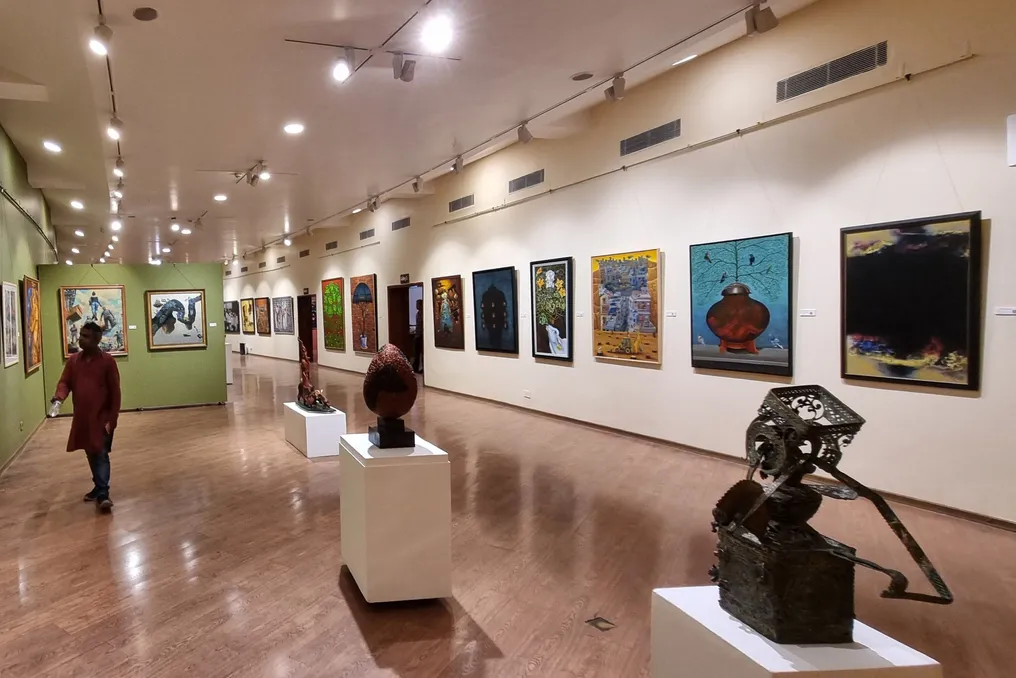
The art festival recently held in Chennai demonstrated that the creative economy is largely determined not only by creators but also by viewers. The 'Contemporary Now' festival held its third session in Chennai, gathering collaborations with art galleries from cities such as Calcutta, Ahmedabad, New Delhi, and Mumbai.

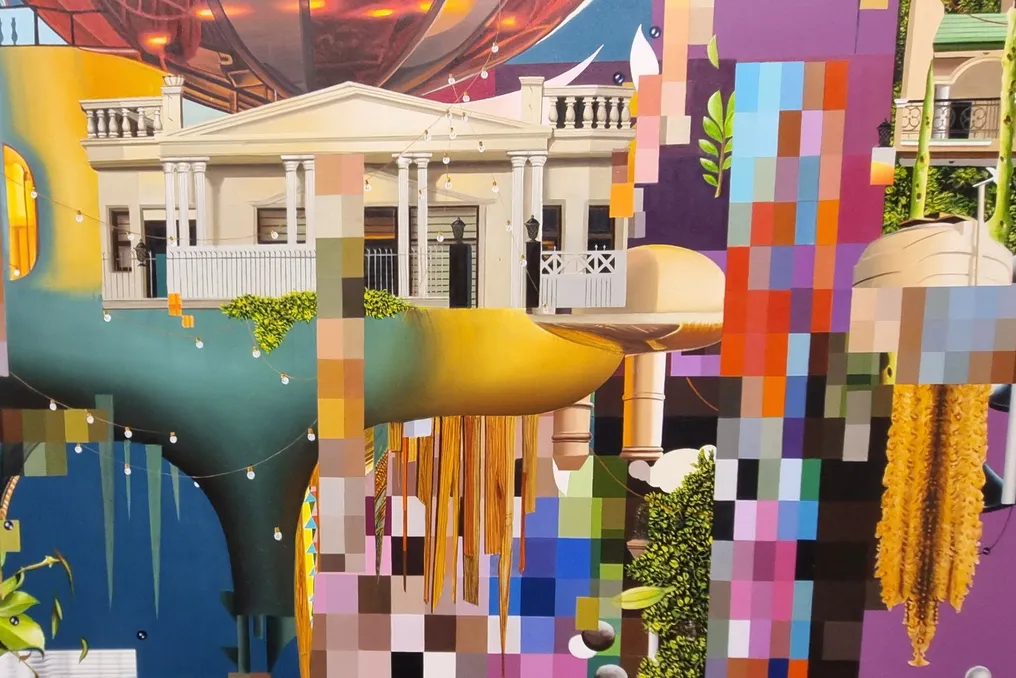
During the event, a diverse collection of artworks was presented in ten different locations across the city. Among the exhibition participants were artists such as Ashwini Bhat, Pradjakta Potnis, Hageshwar Raut, Amitesh Srivastava, Sandip Mukerji, Sadju Kunhan, Pratap Mori, and Benita Persial, as well as many others.

Mixed-media artist Benita Persial noted that now is a favorable time to immerse oneself in art, as social media has significantly strengthened the connection between both emerging artists and the audience.

Previously, access to art was limited to catalogs and visits to a few galleries, which required either waiting for access and exhibitions or expensive trips to other cities. However, according to Persial, online access is now instant and global. Nevertheless, she warns that excessive online presence can be confusing or exert pressure.

Digital platforms and artificial intelligence have simplified and accelerated the process in the art sector, but Persial believes this also reduces the satisfaction derived from the process of searching for or creating something after significant effort.

Festival directors Ashwin Rajagopalan and Priyanjoli Basu expressed satisfaction with the results of the event for the art community in Chennai and beyond. Rajagopalan reported that collectors who usually rarely leave home attended the festival, as well as many art enthusiasts and students who were able to see events happening in other parts of the country thanks to institutional partners in other cities.

There are intentions to hold more sessions of this festival. Rajagopalan added that they might organize two or three editions of 'Contemporary Now', which could take place in Ahmedabad, Baroda, or Santiniketan, in addition to Chennai.

Basu observed that the level of contemporary art presented at the festival may not have previously been showcased in Chennai. She noted that she received many reports about major art events taking place in Delhi and Mumbai, but fewer in Chennai.

The art community expressed the opinion that this event should happen more frequently in Chennai to sustain the discussion, and that the exhibited works should be shown in other places, not just once a year.

Basu pointed to current trends in the Indian art market, noting the growing value of art addressing themes of politics, gender, and climate change. She emphasized that people seek to engage with new narratives and trends, and there is a growing demand for works by young female artists.

Rajagopalan added that many contemporary artists respond to world events, and collectors also respond to such art because it evokes strong emotions in them. He noted that informed collectors are capable of finding more artists working in this direction.

Both directors see the increasing significance of art's role in the modern world, as well as the need to raise the level of art recognition in society. Rajagopalan stated that artists voice the uncertainties and conflicts of the world, and engaging with such art reflects a person's concern for these issues.

Basu urged the audience to discuss art with the people they meet, attend art events, and visit art galleries. She also advised visiting galleries in cities during vacations and viewing museums when traveling abroad, which will help improve understanding and appreciation of art right here in India.
Similar stories

Culture Minister states that India is a cultural nation shaped by millennia of knowledge and struggle
Read more
timesofindia.indiatimes.com

Culture Minister states that India is a cultural nation shaped by millennia of knowledge and struggle

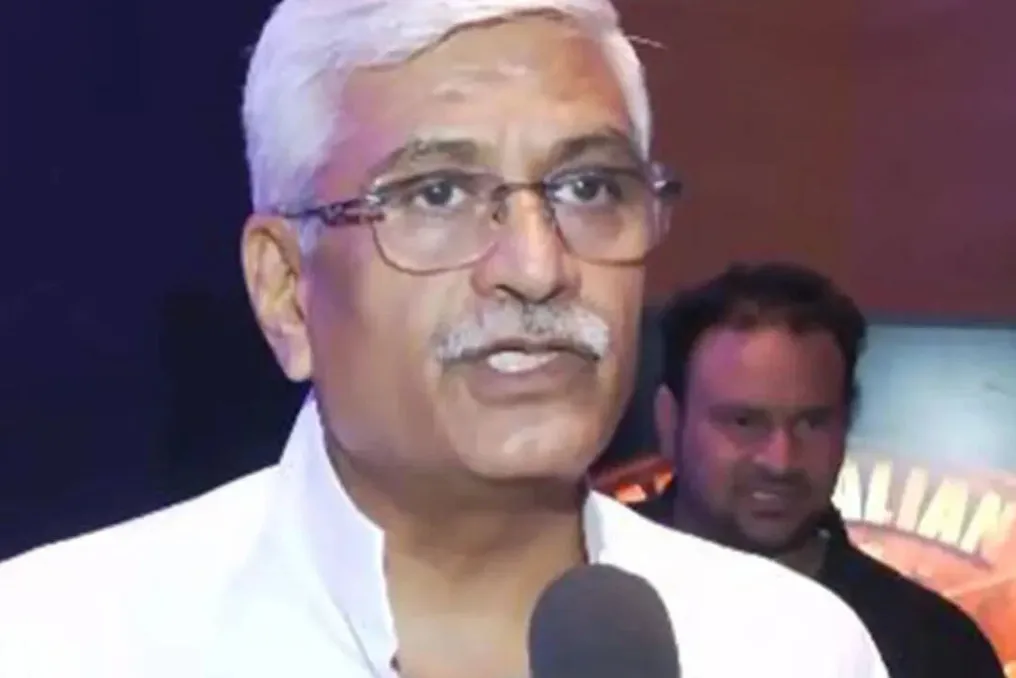
Union Culture Minister Gajendra Singh Shekhawat stated on Wednesday that India is not merely a territory defined by geographical borders, but a cultural nation forged by millennia of continuity, knowledge, struggle, and experience.

Shekhawat's address took place during the presentation of the book 'Timeless India: Protection & Revival of Indian Cultural Identity under the Leadership of Prime Minister Narendra Modi' at Darohar Bhavan, the headquarters of the Archaeological Survey of India (ASI). The event was held in collaboration with the Indira Gandhi National Centre for the Arts (IGNCA).

The book was published by IGNCA and Subhi Publications, and it was edited by former Rajya Sabha member Tarun Vijay. Shekhawat emphasized that 'India is not just an object confined by geographical boundaries, but a cultural nation shaped by millennia of continuity, knowledge, spiritual practice, struggle, and experience. The civilization and cultural consciousness of India flowed uninterrupted through the ages.'

He added that India has established connections with civilizations worldwide through cultural exchange and dialogue. Its heritage in knowledge, architecture, and culture has attracted the attention of many countries.

During the colonial rule period, attempts were made to weaken the sense of pride among Indians regarding their culture, traditions, and civilization. As quoted by the IGNCA statement, the minister noted that this affected how Indians perceived their own traditions of knowledge and cultural ideals.

'A distinguishing feature of Indian civilization is its ability to draw inspiration from the past while moving towards the future. The ideals embodied by Lord Rama and Lord Krishna, along with the traditions of sages, thinkers, and seekers of knowledge, remain vital foundations of India's cultural consciousness,' he stated.

The book explores the role of monuments in preserving and reviving India's cultural identity, as well as discussions surrounding the nation's historical memory. Special attention is given to monument preservation and the concept of 'decolonization of national memory,' stressing the need to understand India's cultural heritage through its 'own historical experience, traditions, and cultural perspective.'

State Minister Jitendra Singh, a former Rajya Sabha member and ex-President of the Indian Council for Cultural Relations (ICCR), as well as Vinay Sahasrabudhe, were also present at the event. In a separate statement, the Ministry of Tourism announced that the Indian Culinary Institute (ICI) signed a memorandum of understanding with Jawaharlal Nehru University (JNU). This agreement allows JNU to recognize BBA and MBA programs from ICI, enabling JNU to award degrees to students who complete their studies at ICI.

The memorandum was signed by JNU Rector Santishri Dulipudi Pandit and ICI Director Gyan Bhushan in the presence of Shekhawat and Tourism Secretary Bhuvnesh Kumar. It is expected that the recognition of ICI programs at JNU, which will begin next academic year, will enhance academic and professional opportunities for students.

Youth Festival 'Jingil Creative Fest' Held in Nukus
Read more
uza.uz

Youth Festival 'Jingil Creative Fest' Held in Nukus

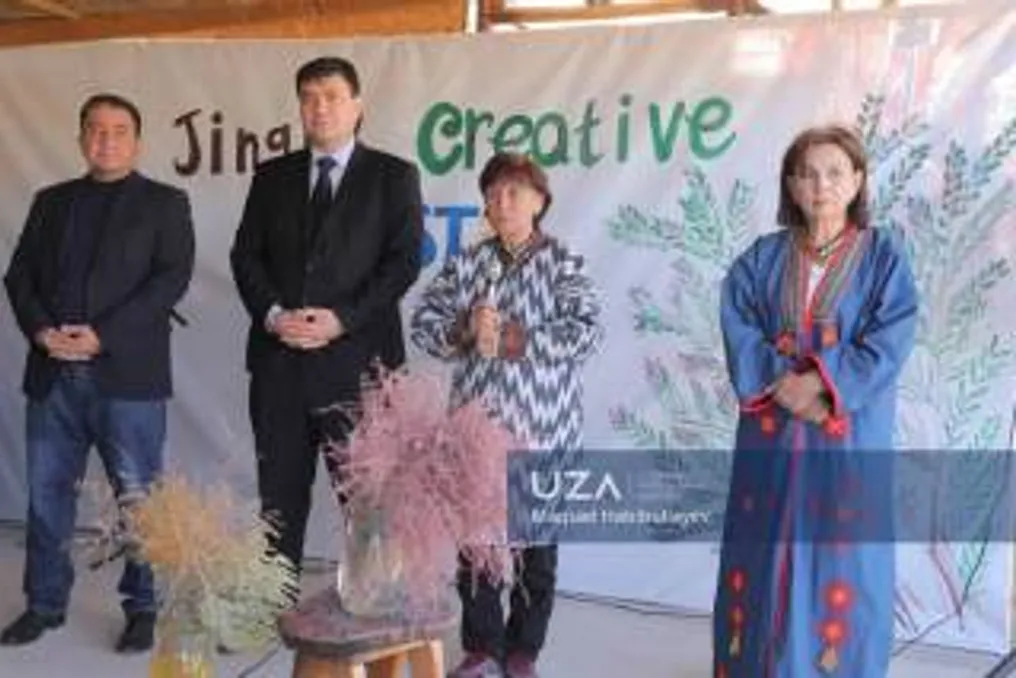
The youth festival 'Jingil Creative Fest' took place in Nukus, held on the shore of Ashshikkol at the 'Korakpak Ethno-aul' complex.

The festival embodied the natural and cultural heritage of the Lake Basin, as well as modern achievements in creativity, tourism, and the creative economy.

How art platforms, exhibitions, and awards contribute to the development of the creative economy
Read more
yourstory.com

How art platforms, exhibitions, and awards contribute to the development of the creative economy

PhotoSparks, a weekly column from YourStory launched in 2014, features photographs that celebrate the spirit of creativity and innovation. Over its existence, in more than 1020 publications, various events have been presented, including art festivals, comic book galleries, world music festivals, telecommunication exhibitions, grain fairs, climate change expositions, wildlife conferences, startup festivals, Diwali rangolis, and jazz festivals.

Recently, the Lalit Kala Akademi (LKA) in New Delhi held its 65th National Art Exhibition. This exhibition featured over 270 works of art from across the country, selected by a jury from 6175 submitted entries.

Furthermore, twenty artists received awards from the Lalit Kala Akademi. Among the awardees were Pooja Rajput, Praveen Kumar, Pritam Madhukar Deuskar, Rajendra Prasad, Ramesh Vital Torat, Raviram Ramakrishnan, and Sanjay Kumar.

Such exhibitions and awards help transform artistic talents into sources of income, fostering creative business, tourism, and international recognition. They strengthen the creative economy by connecting artists with audiences, buyers, institutions, and markets, while preserving the cultural identity of the country.

Exhibitions provide artists with an opportunity to display, promote, and sell their work. They link creators to a wider ecosystem of collectors, galleries, curators, cultural institutions, and potential investors, thereby opening avenues for income generation and professional growth.

In the case of national exhibitions in India, opportunities also arise to showcase traditional crafts, indigenous knowledge, and contemporary artistic practices. Thus, cultural assets move beyond nostalgia and become sources of sustainable economic value.

Art competitions, in turn, stimulate the pursuit of perfection, experimentation, and willingness to take creative risks. By holding them annually, they discover new talents, provide visibility to underrepresented artists, and create pathways to grants and residencies, as demonstrated by the activities of LKA and its centers across India.

Art exhibitions delight and inspire art lovers, prompting artists to develop new techniques, materials, and ideas. At a broader level, this strengthens the nation's base of creative skills and promotes innovation in design, fashion, architecture, digital media, and other creative industries.

Awards conferred by national institutions, such as LKA, lend authority and elevate the status of artists and creative enterprises. National prizes also help set benchmarks of excellence, recognize cultural achievements, and shape a distinct national creative identity.

As shown in this photo essay, the diverse works of art presented at exhibitions help emerging artists realize the opportunities that current practices offer. It also paves the way for exploring how other media can expand creative horizons, for instance, through digital technologies.

Collectively, exhibitions, competitions, and awards contribute to the creative economy of India. Regional creators can interact with national and international buyers, galleries, cultural institutions, and digital platforms.

Traditional art forms and indigenous knowledge can be sustained while simultaneously encouraging new creative expressions. The annual LKA exhibition motivates cultural institutions and private partners to invest in accessible venues, professional development, and fair compensation for artists.

Special attention should be paid to emerging artists, regional creative communities, women, youth, and indigenous practices. Success should be measured not only by attendance or media coverage but also by artists' income, tourism expenditure, repeat market opportunities, and international partnerships.

In conclusion, sustainable investment and effective partnership through platforms like LKA can ensure that India's artistic and cultural wealth generates long-term social, cultural, and economic value.

Popular