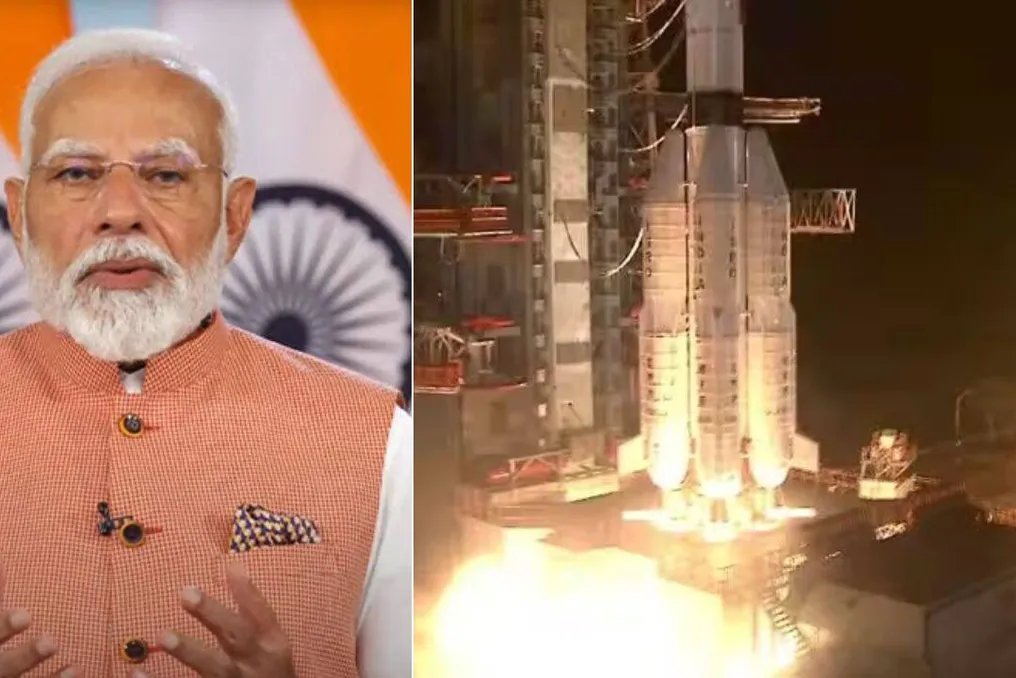
Narendra Modi congratulated the scientists and engineers of the Indian Space Research Organisation (ISRO) on Saturday after the GSLV-F18 mission successfully launched, placing the navigation satellite NVS-03 into orbit. The Prime Minister noted that this launch will strengthen India's indigenous satellite navigation system, known as NavIC.
Similar stories
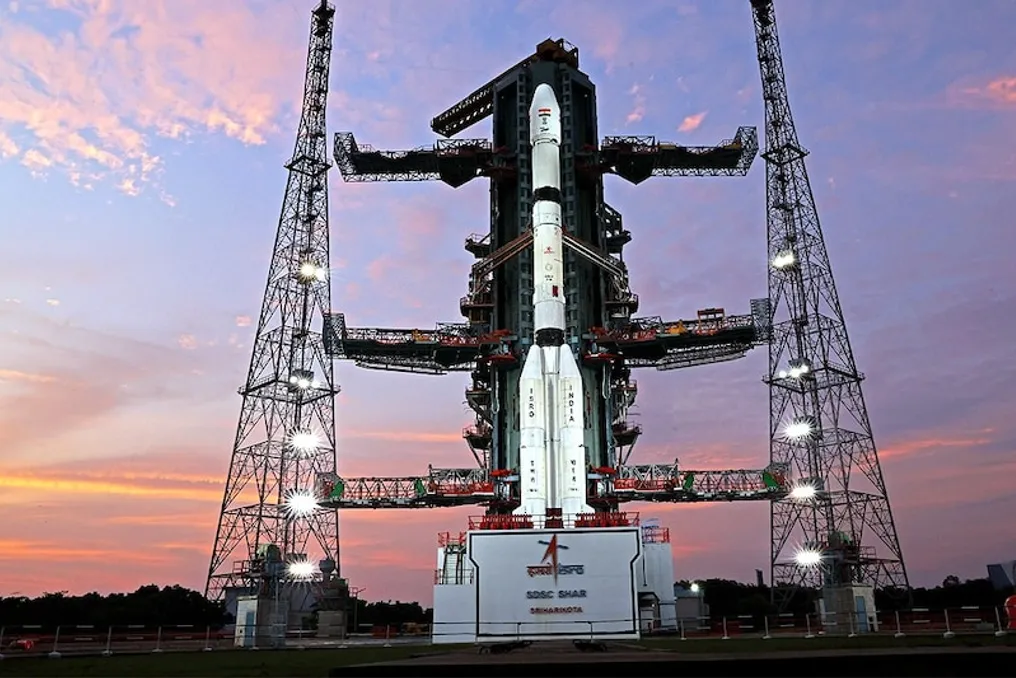
ISRO launches NVS-03 satellite with GSLV-F18 mission to strengthen NavIC system
Satellite systems are used for navigation, determining the location of vehicles, or determining the course of ships. Many countries around the world rely on the American GPS system, but India is actively developing its own navigation network.
As part of this initiative, ISRO plans to launch the NVS-03 satellite on October 30, 2026, at 23:51. The launch will be carried out from the Satish Dhawan Space Centre in Sriharikota, Andhra Pradesh, using the GSLV-F18 launch vehicle.
The main objective of this mission is the further improvement of India's national navigation system—NavIC. NVS-03 is the third satellite of the new generation of NavIC. It is equipped with indigenous atomic clocks and additionally includes the L1 signal. This will improve location and route information services within India.
GSLV stands for Geosynchronous Satellite Launch Vehicle. It is an ISRO rocket designed to place heavy satellites into orbit. GSLV-F18 will be the twentieth flight of this rocket. With the help of GSLV-F18, the NVS-03 satellite will be delivered to the Geostationary Transfer Orbit (GTO). The rocket consists of three stages: the first uses solid fuel, the second uses liquid fuel, and the third uses a cryogenic engine that runs on liquid oxygen and liquid hydrogen. After reaching GTO, the satellite transitions to the operational orbit independently.
NVS-03, as the third satellite of India's new navigation system, is designed to ensure continuous operation and enhance the quality of NavIC services. The most significant element of the satellite is the patented atomic clock unit, supplemented by external atomic clocks acquired from abroad. Accurate time is critical for navigation systems because it allows satellites to determine the coordinates of a person or vehicle.
Furthermore, NVS-03 includes the L1 signal. Currently, NavIC uses L5 and S-band signals. The addition of the L1 signal will simplify the integration of NavIC with other navigation systems, helping to expand the system to a larger number of devices.
NavIC, which stands for Navigation with Indian Constellation, is India's proprietary navigation system, similar to the American GPS. It provides location, route, and time information. The NavIC system is designed to serve the entire territory of India and a zone approximately 1500 kilometers outside it, making the information accessible to the general public.
The system offers two types of services: Standard Service, available to all citizens, and Restricted Service, intended exclusively for governmental needs and security.
Strengthening NavIC will benefit the population by assisting with orientation and location determination. The system is applicable in mobile devices, cars, trains, ships, and aviation. It can also be useful in agriculture when using drones, for assisting fishermen at sea, and for rapid response by rescue teams in emergencies. For the military, having its own navigation system is extremely important as it increases confidence in India's indigenous technology and reduces dependence on foreign systems.
US GPS is one of the most widespread navigation systems globally, alongside systems from Russia, China, and Europe. Although NavIC functions similarly, its primary services are oriented towards India and surrounding regions. The launch of NVS-03 will strengthen India's national navigation infrastructure, contributing to reduced reliance on foreign systems regarding location and time, especially in defense and security. It is emphasized, however, that the use of GPS will not cease entirely; GPS and NavIC can be used together, and this mission contributes to achieving India's self-sufficiency in this area.
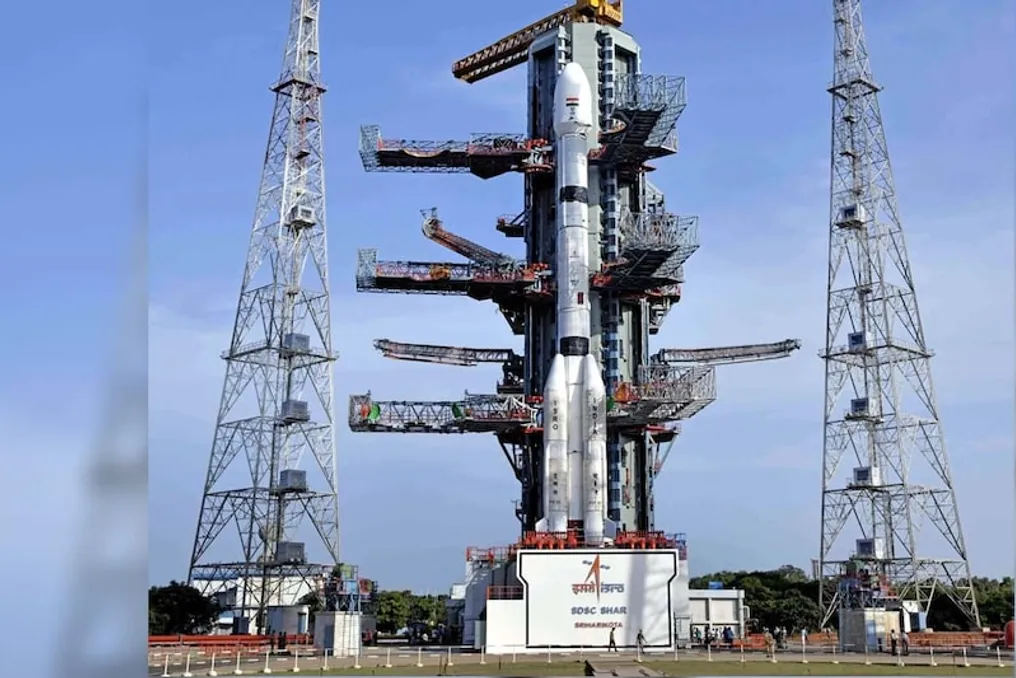
ISRO plans launch of NVS-03 satellite on GSLV-F18 rocket on October 30 to strengthen NavIC system
The Indian organization ISRO is preparing to launch the new NVS-03 satellite on October 30, 2026, at 23:51. The launch will be carried out from the Satish Dhawan Space Centre located in Sriharikota, Andhra Pradesh, using the GSLV-F18 launch vehicle. The goal of this mission is to strengthen India's national navigation system—NavIC.
Strengthening NavIC will help improve services such as location determination and navigation across the country. The NavIC system functions similarly to the American GPS, providing location and precise time information via satellites. It is used not only by private individuals but also by transport services, maritime shipping, and military structures.
The full name of NavIC is Navigation with Indian Constellation. This indigenous satellite navigation system of India allows for receiving data on location, routes, and time up to 1500 kilometers from the country's borders. Simply put, the system indicates where a person, vehicle, or vessel is located, simplifying route finding and obtaining accurate time information.
Despite its similarity to GPS, NavIC is a unique Indian system. It provides general services for citizens as well as secure services for the military and other authorized agencies.
The launch of NVS-03 occurs during a period when India aims to strengthen its NavIC system. Previously, in January 2025, ISRO launched the NVS-02 satellite. This satellite reached its initial orbit but could not be placed into the designated orbit due to a technical malfunction.
The issue with NVS-02 was related to the engine system (propulsion system), which is responsible for propelling the satellite and changing its orbit. Because of this failure, the satellite was not placed in the required location, which negatively affected the number of satellites operating for NavIC.
The government had previously reported that only three satellites were operational for providing location, route, and time data through NavIC. Therefore, the launch of NVS-03 is expected to help strengthen this system.
NVS-03 is part of the second-generation NavIC satellite series, which is planned to include a total of five spacecraft. In addition to NVS-03, the satellites NVS-04 and NVS-05 will help strengthen the system.
However, even after the satellite launch, NavIC services will not immediately improve. First and foremost, NVS-03 must be placed into its target orbit, after which checks and necessary tests will follow. Only after the satellite begins to operate correctly can it provide navigation services.
Overall, the launch of NVS-03 using the GSLV-F18 rocket represents an important step towards strengthening India's indigenous navigation system, which could potentially improve location and routing services in the country, and allow India to reinforce its satellite systems for critical tasks.