Climate Crisis: A Serious Challenge for India's Economy, Agriculture, and Ecology
Read more
Aaj Tak
www.aajtak.in

Climate Crisis: A Serious Challenge for India's Economy, Agriculture, and Ecology

The changing mood of the weather is no longer limited to normal seasonal changes; it has become a serious challenge for India's economy, agriculture, public health, and ecological balance. In some places, extreme heat is proving fatal, while in others, heavy rainfall in just a few hours causes waterlogging in cities. Droughts are turning fields barren, while floods destroy months of farmers' hard work. This raises the question: why is the weather, which has been the basis of Indian civilization and agricultural system for centuries, becoming so unpredictable?

India's traditional seasonal system had specific importance for summer, monsoon, autumn, winter, late winter, and spring. Farmers used to plan their farming based on weather signs, such as clouds, winds, and temperature. The flow of rivers, the greenery of forests, and the snow on the Himalayas were symbols of nature's harmony, but rising temperatures, changes in precipitation patterns, and the increasing threat of extreme weather events have cast serious doubt on this balance. Its effects are being seen from the Himalayas to the coastlines.

The severity of the climate crisis is also evident from recent meteorological data. According to the Climate India 2025 report by the Centre for Science and Environment and Down To Earth, an extreme weather event was recorded in 99 percent of India's days during the first nine months of 2025. During this period, reports of loss of life and crop damage due to these events were also received. To understand the true significance of this figure, it is necessary to analyze the definition of the events, the affected areas, and the losses incurred.

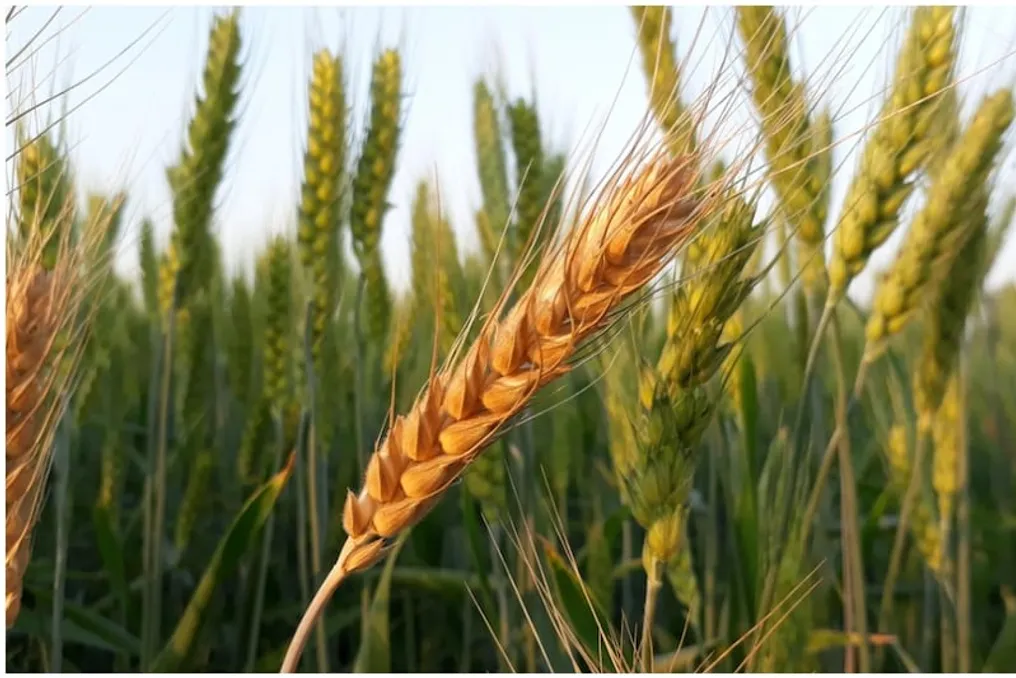
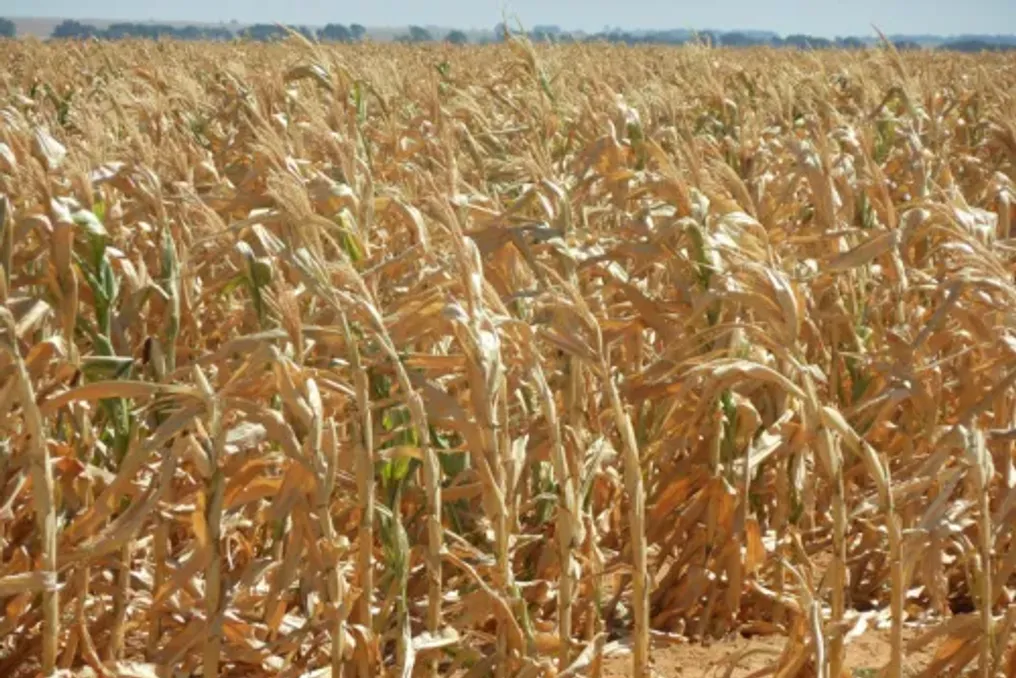
Climate change is increasing the risk of cyclones, excessive rainfall, and sea-level rise, which is having a particular impact on India's coastal communities. Indian agriculture is largely dependent on the monsoon. Delayed arrival of rain, prolonged drought, or excessive rainfall in a short period creates a major crisis for farmers. Rising heat can reduce the yield of crops like wheat, while unseasonal rains and hailstorms damage ready crops. The intensity of these impacts depends on the crop, region, soil, and irrigation availability.

Crop failure reduces farmers' income, making it difficult to repay loans and affecting the preparation for the next crop. Production decline can increase food prices, the burden of which falls most heavily on poor families. Thus, the climate crisis affects not only agriculture but also food security and the rural economy. To tackle this challenge, promoting climate-resilient agriculture is essential. This includes focusing on drought-resistant crops, seeds adapted to local conditions, micro-irrigation, crop diversification, and soil conservation. Farmers should be provided with timely local weather forecasts and agricultural advice. Additionally, ensuring effective crop insurance, transparent damage assessment, and prompt compensation to enable farmers to resume farming after natural disasters is crucial.

A major anomaly of the climate crisis is that while floods bring destruction, many areas struggle for drinking and irrigation water. River swelling in the plains of North India, excessive rainfall in the Northeast, and landslides in the Himalayan regions disrupt life. Conversely, falling groundwater levels in arid and semi-arid regions pose a threat to agricultural and domestic needs. However, it is not appropriate to attribute every flood or drought solely to climate change. Illegal encroachment on river floodplains, deforestation, unplanned construction, inadequate drainage, and excessive groundwater exploitation can turn natural risks into major disasters. Encroachment on ponds and lakes in cities and blockage of natural drainage paths can also cause severe waterlogging even with above-average rainfall.

Water management cannot be limited only to large dams and new projects. The restoration of ponds and lakes, rainwater harvesting, conservation of catchment areas, and protection of the natural flow of rivers are equally important. Controlling groundwater use according to local availability and promoting water reuse are also necessary. Water should be managed wisely as a shared natural resource rather than merely a commodity for consumption. The impact of climate change is not limited to humans and agriculture; changing patterns of temperature and rainfall can affect the life cycles of plants, birds, insects, and wildlife. Changes in flowering times of plants, alterations in bird migration patterns, and shrinking of natural habitats are serious indicators for ecological balance. Neelakurinji found in the Western Ghats is a prime example of this. Some main species of this plant are known to bloom collectively at intervals of about 12 years. After the major blooming in 2018, the next major blooming period is estimated to be around 2030. However, long-term scientific evidence is required to consider a change in a specific blooming cycle as a definite result of climate change.

Nevertheless, monitoring such natural cycles is extremely important. Plant life cy
Similar stories

Climate shocks increase health risks for Africa's most vulnerable populations
Read more
cgtn.com

Climate shocks increase health risks for Africa's most vulnerable populations

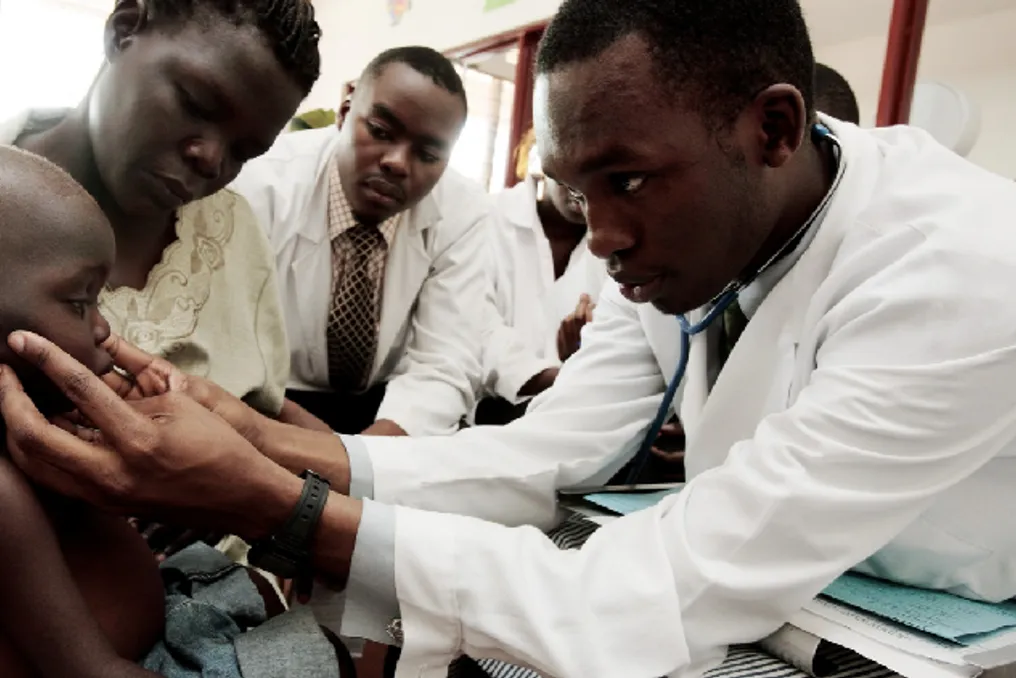
Climate change is transforming the healthcare system in Africa: rising temperatures, unpredictable rainfall, droughts, and floods are worsening food insecurity, increasing the threat of infectious diseases, and placing additional strain on already fragile healthcare systems.

These negative consequences are felt most acutely by vulnerable communities, highlighting the critical importance of taking action to combat climate change and build resilient healthcare systems to secure the continent's future.

John Wafuula, a humanitarian specialist at the United Nations Population Fund (UNFPA) in Kenya, notes that the impact of climate change goes beyond mere environmental damage, disproportionately affecting vulnerable groups and limiting their access to essential medical care and support.

In many African countries, households depend on rain-fed agriculture for sustenance and income. When climate shocks lead to crop failure, livestock loss, and other productive asset destruction, families can lose years of hard labor, deepening poverty and leaving them uncertain about their future.

Climate variability also exacerbates existing public health challenges. Floods can contaminate water sources and raise the risk of waterborne diseases, while drought reduces access to safe water and jeopardizes sanitation and hygiene. Furthermore, changes in temperature and precipitation can influence the spread of disease burdens across the continent.

The World Health Organization (WHO) predicts that by 2030–2050, climate change could cause an additional 250,000 deaths annually due to malnutrition, malaria, diarrheal diseases, and heat stress.

Women and vulnerable groups face growing risks

However, the impact of climate change is not distributed evenly. Women and girls, the elderly, people with disabilities, refugees, and other displaced groups may face additional barriers to accessing basic services and support.

Wafuula points out that livelihood destruction can force some women into dangerous survival methods, including sex work, which increases their vulnerability to exploitation, violence, and health risks. He adds: 'Such circumstances can exacerbate psychological distress, especially when protection and health services are unavailable.'

Across Africa, prolonged droughts compel women and girls to travel long distances in search of water, increasing their vulnerability to security threats and potential violence. According to a 2025 World Bank report on women and climate adaptation, women face several barriers to adopting climate-resilient agriculture, including unstable land rights, limited access to climate information, and increased risk aversion due to economic vulnerability.

Limited access to information also contributes to low uptake of weather insurance, while their susceptibility to risks, including fertility and childcare-related health issues, further complicates this situation. Domestic responsibilities also restrict their participation in non-farm activities, narrowing opportunities for income diversification and migration in response to climate shocks.

Climate change is intensifying displacement

Moreover, environmental pressures often intersect with conflict, instability, and poverty, forcing families across Africa to leave their homes in search of safety and livelihoods. This creates another vulnerable group—people displaced by climate shocks and their cumulative effects.

Wafuula asserts that climate change has contributed to the movement of people seeking refuge in Kenya, particularly in the Dadaab and Kakuma refugee camps in northern Kenya. He explains: 'Most of the population arriving in the Dadaab and Kakuma refugee camps over the past five years is a result of climate change in their respective countries. Food insecurity, limited access to healthcare, and heightened protection risks force many to leave their homelands and move to Kenya as climate refugees.'

Wafuula adds that between 2021 and 2025, the number of refugees in the Dadaab and Kakuma camps in northern Kenya significantly increased. According to UNHCR Portal data, there were 879,452 refugees and asylum seekers in Kenya as of September 30, 2026.

These displacement trends reflect broader climate challenges in the region. Climate change has long been viewed primarily as an environmental issue, but its consequences extend to the social, psychological, and economic aspects of people's lives, undermining their sense of security, dignity, and control over their own lives.

Considering climate change solely as an environmental problem risks ignoring its far-reaching consequences for health, protection, and access to basic services across the region. Wafuula insists on a paradigm shift, recognizing climate change as a human rights issue and placing health at the center of climate adaptation planning.

Strengthening health systems through data and climate finance

Effective climate preparedness depends on reliable data to identify vulnerable groups, map health infrastructure, and forecast emerging risks. In the region, governments collaborate with international partners under climate data initiatives.

Nevertheless, insufficient investment in collecting and coordinating domestic data threatens to weaken early warning systems and delay emergency responses. Wafuula emphasizes the importance of data-driven preparedness to strengthen climate risk response. He stated: 'Governments need interoperable information systems that integrate demographic, health, environmental, and population displacement data. Predictive analytics can help authorities identify high-risk groups, pre-position medicines, and allocate resources before climate hazards escalate into disasters.'

In 2023, Kenya hosted the Africa Climate Summit and Africa Climate Week, creating opportunities to advance continental climate action. The Nairobi Declaration called for increased international support and climate finance to address Africa's challenges. While international climate finance, including support through the Green Climate Fund, offers opportunities to strengthen adaptation, Africa has yet to fully translate these commitments into practical health protection measures.

The WHO warns that areas with weak health infrastructure, especially in developing countries, will be least prepared to cope with climate health risks without support for preparing for and responding to these challenges.

El Niño's Impact: Winter Temperature Rise Forecasted in India, Threatening Wheat Harvest
Read more
www.aajtak.in

El Niño's Impact: Winter Temperature Rise Forecasted in India, Threatening Wheat Harvest

Amid global climate changes, concern is growing over the El Niño phenomenon. The coming months may be critical for India. Following the monsoon season, which saw a 13% decrease in precipitation compared to normal, the question arises whether El Niño could raise winter temperatures and put pressure on agriculture.

The World Meteorological Organization (WMO) has warned of a possible strengthening of El Niño until the end of 2026 and its influence persisting until 2027. El Niño is a seasonal phenomenon characterized by warmer sea surface temperatures in the central and eastern equatorial Pacific Ocean. This natural climate system affects winds, atmospheric activity, and precipitation distribution worldwide.

In India, particular attention is paid to El Niño because during this event, the risk of reduced rainfall in the southwest monsoon increases. Changes in Pacific Ocean temperatures disrupt the balance of winds and atmospheric conditions, weakening the monsoon and increasing the likelihood of prolonged drought in some regions. However, this does not mean that every part of India will experience a precipitation deficit every time; the impact depends on other seasonal factors and regional characteristics.

During the past monsoon season, uneven rainfall was observed in different parts of the country. In Central India, precipitation was almost normal, whereas Eastern and Northeastern India recorded a 26% drop below average, classified as an extreme drought situation. Southern Indian states experienced a 24% decrease in precipitation below the average. If El Niño intensifies, temperatures in some areas of India may exceed normal levels in the coming months, leading to increased strain on water reserves in reservoirs, irrigation, and agriculture.

Referring to forecasts from the South Asian Climate Forum, the WMO noted that from October to December 2026, maximum and minimum temperatures across much of South Asia may remain at or above normal levels. For India, the wheat harvest is also a serious concern. A rapid rise in temperature late in winter can negatively affect wheat yield, especially during grain formation. Excessive heat at this time threatens to impact grain development and overall yield. The weather forecast for January and February 2027 will depend not only on El Niño but also on factors such as Western Disturbances.

The impact of El Niño is not limited to India; it causes changes in temperature, precipitation, and storm activity in many parts of the world. Indonesia is experiencing its worst period of forest fires since 2015. In Southeast Asia, the risk of wildfires and drought is increasing due to hot and dry conditions. Some parts of East Africa are expected to see heavy rains and flooding, while other regions face a risk of drought. Thus, the impact of El Niño is heterogeneous for each region.

The impact is also noticeable on storm activity. Storm activity has increased in the eastern Pacific, while strong high-altitude winds over the Atlantic Ocean weaken the process of storm development. Weather conditions in South America can also vary: some areas of the Amazon face the threat of drought and dryness, while southern areas are expected to have heavier rains and floods.

According to the WMO warning, El Niño may strengthen until the end of 2026 and maintain its influence until 2027. Therefore, it is crucial to monitor changes in India regarding temperature, precipitation, and agriculture. After a period of low rainfall, key issues will be the availability of water resources, irrigation of winter crops, and the wheat harvest. India's challenge is not only the intensification of El Niño but also how its consequences will manifest after the monsoon season with insufficient rainfall. The actual weather trajectory in the coming months will determine the extent of the impact on winter temperature, precipitation, and the agricultural sector.

Climate could become the next major economic problem for South Africa
Read more
iol.co.za

Climate could become the next major economic problem for South Africa

Weather may become the next significant economic challenge for South Africa. The intensification of El Niño is raising concerns about rising temperatures, reduced rainfall, and the consequences for the country's agriculture, food prices, and economic growth.

Aroni Chaudhuri, an economist at Coface, warned that climate risks are turning into one of Africa's largest economic problems, as extreme weather conditions threaten agricultural production, food security, and overall economic stability.

Climate risks threaten food prices and growth

He noted that while favorable rainfall contributed to increased agricultural output and reduced pressure on food prices in 2025, a strong El Niño is capable of reversing these gains. This will lead to negative consequences for inflation, consumer spending, and economic growth in both South Africa and the wider region.

Chaudhuri emphasized that the region's food system heavily relies on stable maize production in countries such as South Africa, Zambia, and Zimbabwe. Any significant drop in yields could accelerate food inflation across the region, putting additional pressure on households already facing tight budgets.

He added that this is particularly important because the impact of food inflation is felt much more strongly in Emerging Market and Developing Economies (EMDEs) compared to developed economies.

This warning came as South Africa prepares for its summer planting season, and climate forecasts indicate an intensification of El Niño, which could affect rainfall and temperature until early 2027. However, the extent of potential economic damage remains uncertain.

Investec reported last week that South Africa is likely to face less severe consequences than during the 2024 drought, when lack of rainfall damaged agriculture and slowed economic growth. The bank forecasts that El Niño will reduce economic growth in 2026 by between zero and 0.1 percentage points, and in 2027 by no more than 0.2 percentage points. It also revised its growth forecast for next year from 1.7% to 1.5%.

The bank stated: 'We still expect the negative impact of El Niño on GDP this year to be between 0% and -0.1% year-on-year, and next year no more than -0.2% year-on-year, with El Niño lasting until February 2027, after which a potential weak La Niña may follow according to current expectations.'

Investec cautioned that even if South Africa avoids a severe drought, abnormally high temperatures can still damage crops and livestock. Agriculture was a key driver of growth in 2025, contributing 1.1% to growth compared to 0.7% without this sector.

Extreme heat endangers workers and businesses

The impact can also be felt in workplaces, as extreme heat threatens worker health, productivity, and business operations. Médecins Sans Frontières (MSF) urged South African organizations to prepare for hotter conditions, warning that heat can affect workers both indoors and outdoors, disrupt supply chains, and strain energy and transport networks.

Dr. Chris van Straaten, a global health consultant for MSF on clinical management, stated that extreme heat should be viewed as both a workplace health issue and an operational risk. He warned that heat can cause dehydration and exhaustion, as well as affect concentration and reaction time.

Dr. van Straaten noted: 'Recent experience in Europe has shown how quickly extreme heat can overload healthcare systems, disrupt operations, and create serious risks for workers. Although South Africa's climate differs from Europe's, the lesson for employers is clear: extreme heat must be recognized as both a workplace health issue and an operational risk.'

MSF advised employers to assess their vulnerability to extreme heat before temperature increases, monitor weather forecasts, and develop worker protection plans. He added: 'Many organizations continue to link heat-related illnesses primarily to outdoor workers, such as construction workers and farmers.'

However, he said that indoor employees—those working in warehouses, factories, and poorly ventilated offices, including those required to wear heavy personal protective equipment (PPE)—are also vulnerable.

Popular