General Motors pays R$ 1.2 billion to resolve accusations regarding customer driving data usage
Read more
AutoPapo
autopapo.com.br

General Motors pays R$ 1.2 billion to resolve accusations regarding customer driving data usage

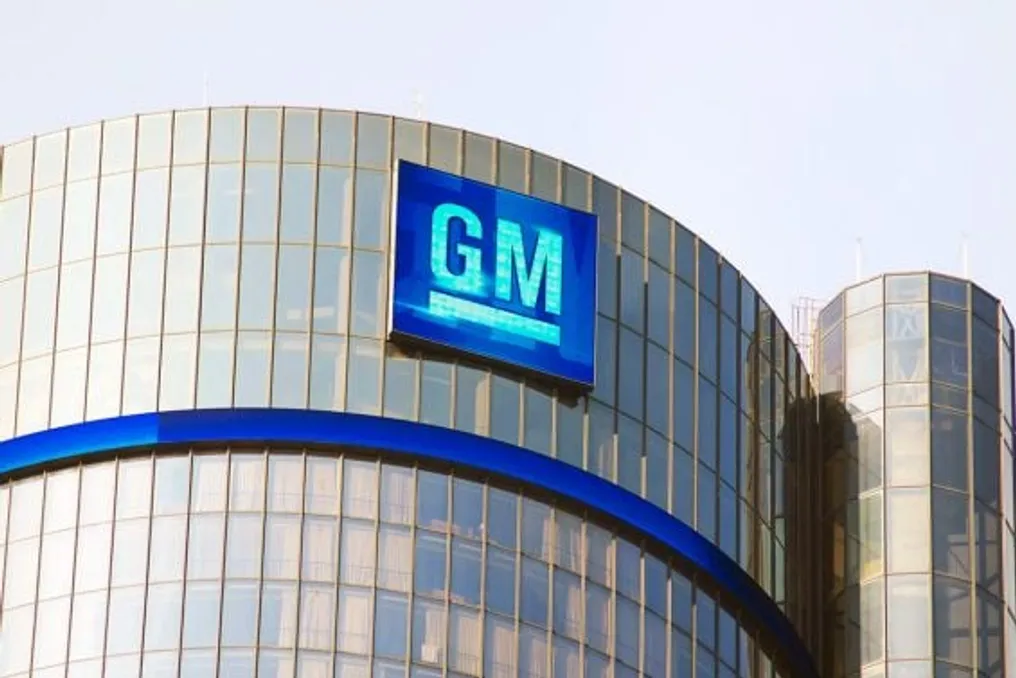
General Motors (GM) reached a $220 million settlement, equivalent to approximately R$ 1.2 billion, with 35 American states and the District of Columbia. This agreement was announced on Thursday (29) to finalize allegations that the automaker provided drivers' location and driving data without proper permission.

GM stated that it does not admit any fault in this process. The amount paid represents eleven times the value the company would have gained from commercializing this data, according to an estimate by the California Attorney General.

The issue originated with Smart Driver, a free feature offered by OnStar, GM's connected services system. This feature aimed to help customers drive more safely and enable insurance discounts. The system assigned a score to the driver based on factors such as sudden braking, vigorous acceleration, and stretches driven over 129 km/h.

However, this data was sent to the companies LexisNexis and Verisk, which are responsible for compiling consumer reports, functioning like a 'traffic Serasa'. These entities, in turn, resold this information to insurance companies, resulting in increased insurance premiums for some customers without them knowing they were being monitored.

Prosecutors alleged that many individuals were included in the program through dealership salespeople, who received bonuses for each subscription. Furthermore, the OnStar app mistakenly notified over 370,000 drivers that they were not participating in Smart Driver, even though data collection continued.

GM discontinued the program in 2024. As part of the agreement, the company must ensure explicit authorization is obtained before collecting or sharing such data, submit to external audits, and revise the training provided at dealerships, thereby preventing any pressure on customers to subscribe to the service.

The automaker argues that the agreement pertains to a product that has already been terminated and serves to reinforce the privacy protection measures it was already implementing. It is important to note that OnStar is also present in Chevrolet vehicles sold in Brazil since 2015, but the litigation in question involves exclusively American customers.

In the Brazilian context, this type of data collection must comply with the General Data Protection Law (LGPD), which requires unequivocal consent for sharing personal information. The National Data Protection Authority (ANPD) has the authority to impose fines of up to 2% of the company's revenue in the country, with a ceiling of R$ 50 million per infraction; the agreement signed by GM exceeds this established limit by more than twenty times.

GM is not the only one under scrutiny. In the United States, a Toyota RAV4 owner filed a lawsuit against the brand after discovering, during an insurance quote, that the insurer possessed detailed records of their driving habits. Toyota maintains that the customer accepted the terms of the connected services, and the case was sent to arbitration, a form of private judgment.
Similar stories

Toyota plans to generate billions in revenue by selling combustion and hybrid engines to other automakers
Read more
autopapo.com.br

Toyota plans to generate billions in revenue by selling combustion and hybrid engines to other automakers

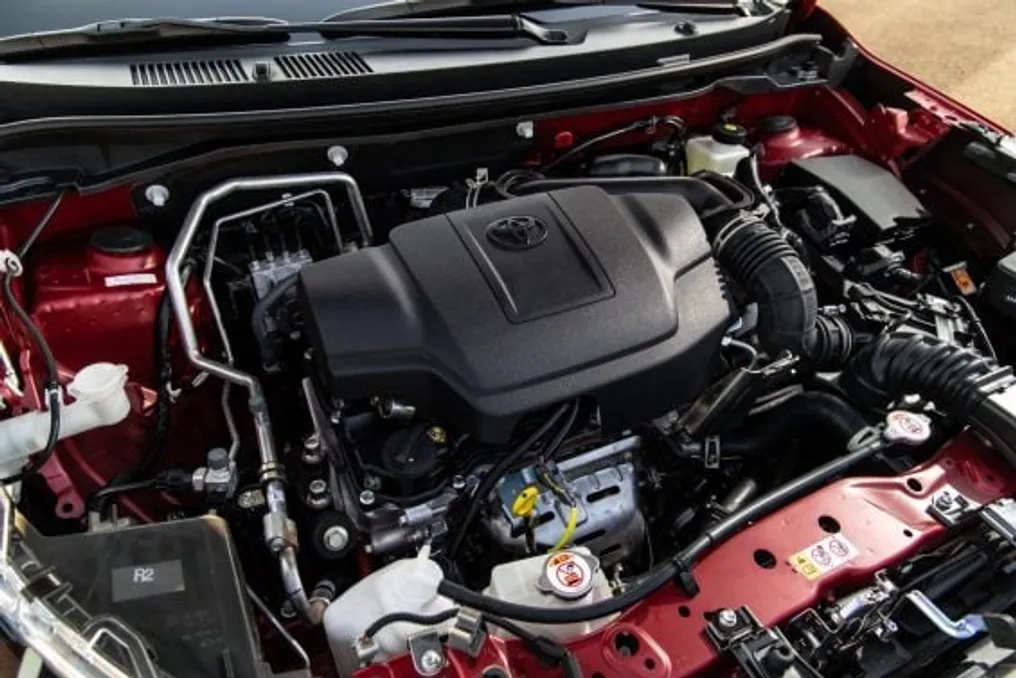
While much of the automotive industry is reducing investments in internal combustion engines, Toyota has chosen to transform this technology into a new and significant source of revenue. The Japanese manufacturer intends to commercialize its engines and hybrid systems to other automakers, aiming to generate approximately R$ 9 billion annually from this venture by 2032, according to Automotive News.

This goal represents a threefold increase over the estimated revenue of R$ 3 billion that third-party supply should generate in 2026. The first deliveries of this new engine line are scheduled for 2027.

The new engine family consists of three alternatives, all with four cylinders: a 1.5 naturally aspirated model, a 1.5 turbo, and a 2.0 turbo, all of which have the capability to operate integrated with hybrid systems. The 1.5 engine will be used to replace the units currently installed in models such as the Yaris and Corolla. The 1.5 turbo offers power equivalent to an existing 2.5 naturally aspirated engine, and the 2.0 turbo promises to surpass the performance of the 2.4 turbo that equips large SUVs and trucks of the brand in the United States.

Developed already considering electrification, these engines present physical advantages, being 10% smaller in volume and height. This dimensional reduction allows for a lower hood height, which contributes positively to aerodynamics and gives designers greater flexibility.

According to Toyota itself, the adoption of the new 1.5 engine results in a 12% fuel economy saving in a sedan.

The first expected buyers are traditional partners of the company, including Mazda, Subaru, and Suzuki, in addition to Daihatsu, which is a Toyota subsidiary. These five brands together move about 16 million vehicles annually.

It is important to note that this partnership does not imply abandoning the internal projects of these automakers; for example, Mazda continues to develop the Skyactiv-Z engine and a hybrid system for the CX-5, while Subaru maintains its focus on boxer engines, characterized by opposed horizontal cylinders.

For Toyota, this strategy serves to distribute development costs across a larger number of units and make its engines more competitive against competition from China. In turn, the other manufacturers benefit by gaining access to innovative mechanics without having to bear the full cost of creating them from scratch. Additionally, Toyota has also developed the 4.0 V8 engine, but for now, it is not part of the sales plans for other brands.

Sales of Tata Punch EV electric vehicles increased by 284% in September
Read more
www.aajtak.in

Sales of Tata Punch EV electric vehicles increased by 284% in September

There is a growth in electric vehicle sales in the Indian market. In September 2026, the passenger car segment recorded sales of 35,256 units. Tata Motors maintains its leading position in this segment, while Mahindra secured second place. Sales in this segment increased compared to the previous year, showing a 62% year-on-year growth.

When compared to last year, when all companies sold 21,757 electric vehicles in September, the figure reached 35,256 units in September 2026. This means that 13,499 more units were sold this year than last year.

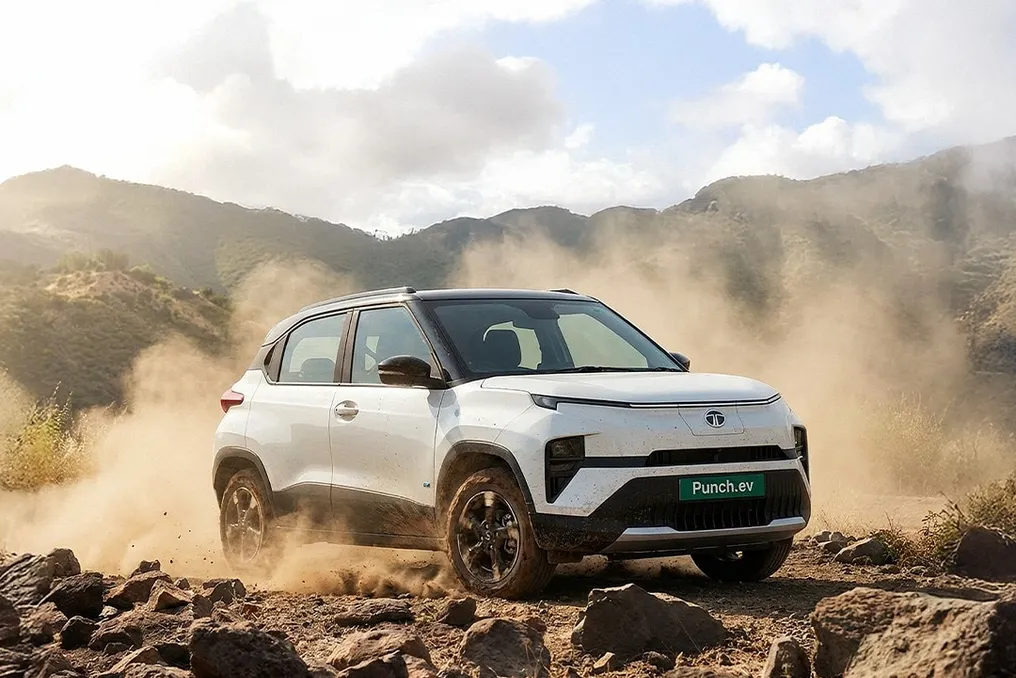
According to the Auto Pandit report, the best-selling car in this segment is the Tata Punch EV from Tata Motors. For September, sales of this affordable and most compact electric SUV from Tata amounted to 4,702 units, demonstrating a sales increase of 284% compared to the same period last year.

In September last year, Tata Motors delivered 1,223 Punch EVs. The share of this Tata compact SUV in the total volume of electric vehicle sales was 13.3%. Additionally, sales of the Tata Motors Nexon EV reached 3,926 units, making it the third best-selling car in the segment.

The price of the Tata Punch EV starts from 9.79 lakh rupees including tax. However, the car can also be purchased under the BaaS (Battery as a Service) program, where the car's cost is reduced to 6.59 lakh rupees including tax. In this case, the buyer will have to pay for battery charging at a rate of 2.6 rupees per kilometer.

Punch EV is available with two battery options: 30kWh and 40kWh. The motor with the smaller battery provides 65kW of power, while the motor with the larger battery has a power of 95kW.

Tata Punch EV offers a claimed range of 468 kilometers. The time to charge the car from 20% to 80% is only 26 minutes. The car is equipped with a 360-degree view camera, front ventilated and leather seats, and a 10.25-inch infotainment system.

Report shows growing demand for electric mopeds: one in two buyers considering electric two-wheeled transport
Read more
www.aajtak.in

Report shows growing demand for electric mopeds: one in two buyers considering electric two-wheeled transport

Although the habit of using gasoline remains strong, interest in electric models is gaining momentum, transforming the country's two-wheeled transport market. Electric scooter models, which previously caused doubt, are now becoming objects of desire. According to the latest BCG report, in 2024, 3 out of 10 consumers considered purchasing electric two-wheeled transport, and by 2026, this figure increased to more than 4 out of 10.

A recent report by Boston Consulting Group (BCG) clearly indicates that electric mopeds are no longer just an option but are challenging the dominance of gasoline engines. According to the BCG report, the share of buyers of electric two-wheeled vehicles was 30% in 2024, while by 2026, it grew to 43%. This demonstrates a significant shift in consumer mindset regarding electric two-wheeled vehicles over two years. Currently, about one in two two-wheeled vehicle buyers in India is considering the electric option.

The BCG report titled 'Electric In Charge' also shows a decrease in the number of customers who categorically refuse to buy electric two-wheeled vehicles. In 2024, 38% of customers were unwilling to purchase electric two-wheeled transport, but by 2026, this percentage dropped to 29%, indicating a reduction in people's hesitation towards electric vehicles. Customers are now not just requesting information about electric machines but are considering them as their next mode of transport.

The change in consumer views is also reflected in sales data. From April to August 2026, the share of electric models among all two-wheeled vehicles sold in India was 9.9%, compared to 5.5% in the 2024 fiscal year. The position of electric vehicles in the scooter segment has improved even further: in the 2024 fiscal year, the share of electric scooters in total scooter sales was 16.8%, and by the 2027 fiscal year, it grew to 24.1%.

According to BCG, between the fiscal years 2022 and 2026, the overall two-wheeled transport market in India grew at an average annual rate of 12%, while the average annual growth rate of the scooter market was around 19%. Notably, electric scooter sales grew more than three times faster than gasoline scooter sales, indicating the strengthening position of electric scooters in the market.

The market for electric two-wheeled vehicles is moving beyond early EV adopters. The report states that by August 2026, approximately 1.8 lakh new customers were purchasing electric mopeds monthly. This figure suggests that the demand for electric transport is rapidly reaching a wide range of consumers. If the circle of electric scooter buyers was once limited, daily users are now also considering them as the best option.

Significant changes have occurred in consumer perception of electric two-wheeled vehicles. Previously, many considered electric scooters weaker than gasoline scooters in terms of design, speed, and performance. However, this opinion is changing. The BCG report shows that the share of customers who consider the design of electric mopeds better for short-distance daily commuting has increased from 30% in 2024 to 59% in 2026.

Similarly, the number of customers rating the dynamics of electric two-wheeled vehicles as good has increased. In 2024, only 27% of customers considered the dynamics of mopeds to be good, whereas in 2026, this figure reached 48%. Trust in speed, dynamics, design, and brand has attracted customers to electric transport who previously doubted its purchase.

Despite the growing trust in mopeds, some concerns remain among consumers. Customers are still uncertain about battery range, safety, maintenance convenience, performance, and the long-term cost of owning the vehicle. Many also want to know if electric two-wheeled vehicles will be as reliable in the long run as gasoline ones.

BCG divided customers into three groups: those interested in buying electric vehicles; those who are undecided about purchasing; and those who dislike electric vehicles. According to the report, the group of interested customers has grown 1.5 times in the last two years, while the share of customers who do not prefer electric transport remains around 20% in the market. The report also found that the actual experience of using electric mopeds by customers in many aspects meets or exceeds their expectations, including vehicle operating costs, maintenance expenses, luggage carrying convenience, and comfort in traffic jams.

Popular