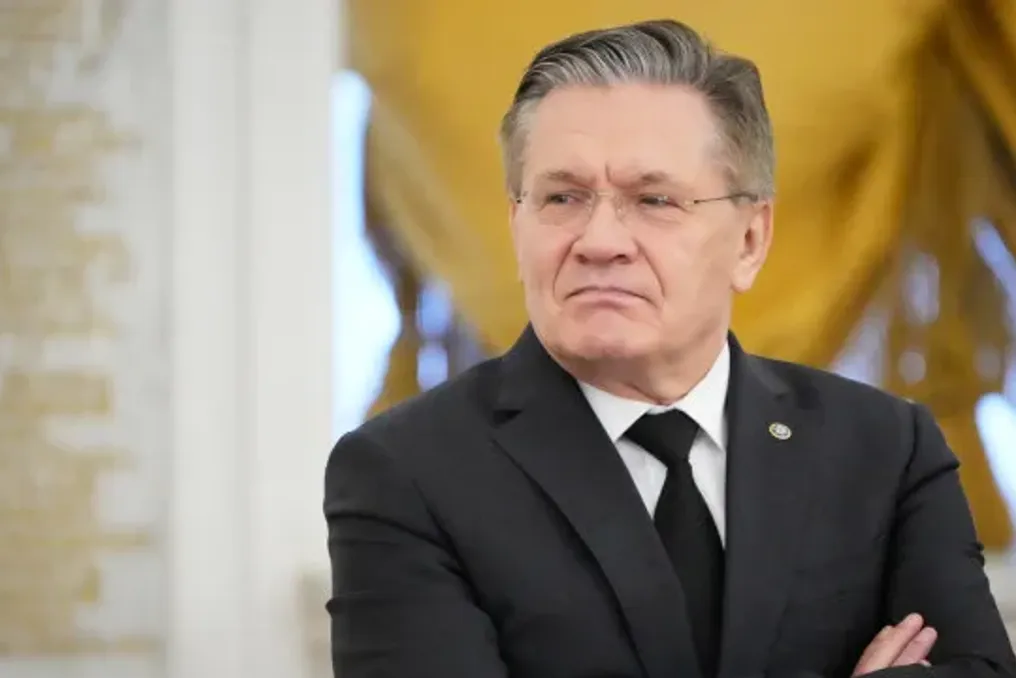
Russia demonstrated at the Russia-Africa summit its readiness to supply electricity to some African countries using floating nuclear power plants at affordable prices, mentioning projects currently under study with four countries on the continent.
At the third Russia-Africa summit, held in Moscow this week, the head of the Russian Atomic Energy Agency (Rosatom), Alexey Likhachev, told the press about specific projects being discussed with Egypt, Tanzania, Togo, and Namibia.
Likhachev added that the demand for this technology is very high, and nine African countries have already expressed significant interest in it. This technology is being developed in several countries.
Furthermore, Alexey Likhachev announced the launch of a uranium exploration project in Namibia, as well as a lithium mining project in Mali, whose reserves are estimated at over four thousand tons.
Russia is the only country with an operational floating nuclear power plant, which has been located in the isolated Chukotka region since 2020. However, Moscow plans to create a future fleet of such power plants to supply remote areas, such as the Arctic.
Rosatom Director Alexey Likhachev noted that a feature of many African economies is the presence of countries that currently pay very high prices for electricity, despite their financial situation not being ideal. He emphasized that this is where they are ready to provide electricity, starting with floating NPPs.
According to Likhachev, such an initiative could provide energy to 38 out of 54 landlocked African countries, minimizing the influence of external factors on electricity costs.
For several years, Russia has sought to strengthen its presence in Africa, including economic and military cooperation, against the backdrop of tensions with the West. The third Russia-Africa summit took place on Thursday and Friday in Moscow. According to Russian state media, delegations from 48 countries participated in the summit, including 22 represented by heads of state, as well as representatives from Portuguese-speaking countries Mozambique and Equatorial Guinea at the level of heads of state, and Angola, Cabo Verde, and Guinea-Bissau at the ministerial level.