Escape from Playtime Review: Is the Cooperative Horror Worth Your Attention?
Read more
Olhar Digital
olhardigital.com.br

Escape from Playtime Review: Is the Cooperative Horror Worth Your Attention?

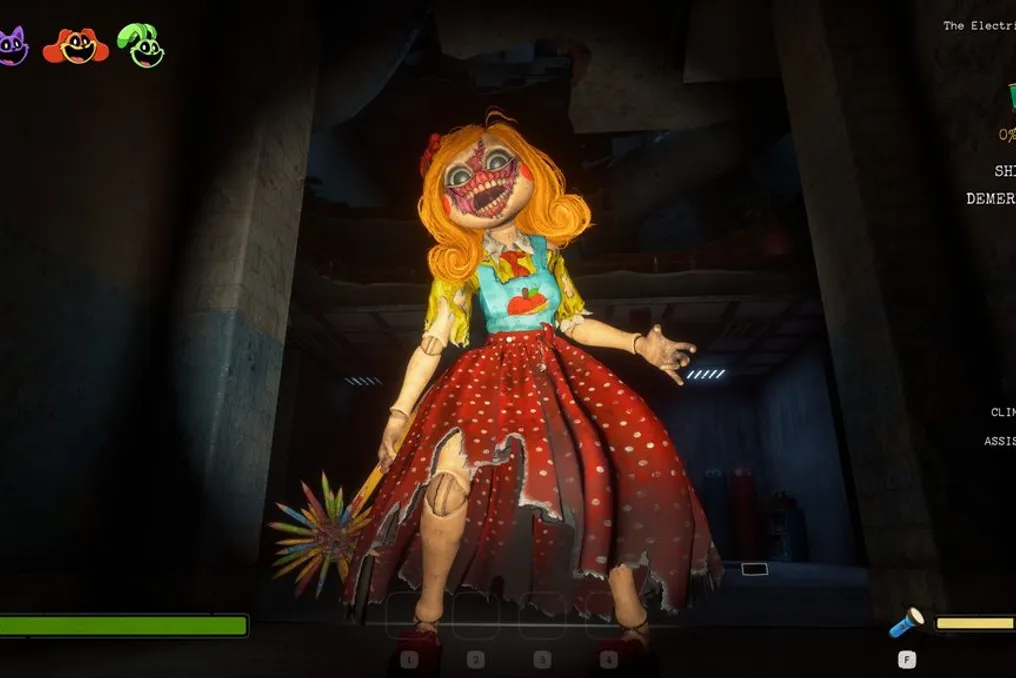
Escape from Playtime is a new game from Mob Entertainment, the studio behind the popular horror series Poppy Playtime featuring murderous toys. This installment focuses on cooperative gameplay: up to eight players control the Smiling Critters, plush creatures from Chapter 3, and infiltrate the abandoned Playtime Co. factory to collect parts and escape alive. The game genre is action-survival (extraction), where the objective is to enter, gather resources, and exit before death.

The game was released in early access on PC (Steam) on October 21, 2026. It costs 29.99 Brazilian Reals (R$), but is available for a special launch offer of 26.99 R$ until November 4. The game supports Portuguese subtitles.

Players familiar with titles like Lethal Company or R.E.P.O. will immediately recognize the familiar formula: a group of friends, a dangerous location, a proximity-based voice chat, and plenty of screams. Escape from Playtime takes this concept and places it within the Poppy Playtime universe, which already has a large audience in Brazil.

A strong point of Escape from Playtime is its scale. Since the characters are toys, ordinary human locations transform into massive labyrinths. The office corridor resembles a warehouse, a table becomes a mountain, and any sound in the darkness carries a different weight when you are the size of a plush toy.

The game maintains the visual and auditory identity that made Poppy Playtime recognizable: it is a colorful and dilapidated factory, toys with strange smiles, and a soundtrack that knows how to disappear so silence can be frightening. For fans of the series, it is the same factory seen from a new angle. The plot also aligns with the official chronology: the action takes place after 'Fun Time' and before Chapter 1 of the main series.

Escape from Playtime belongs to a genre that the gaming community has dubbed friendslop—simple, inexpensive, and chaotic cooperative games where enjoyment depends more on the group's reactions than on the gameplay itself. And here, that formula works.

The key element is the proximity chat. You only hear those near your character; therefore, when someone moves away from the group, their voice fades. This creates excellent moments: a friend disappearing while screaming in the corridor, shared fright upon a creature's appearance, and subsequent laughter. With an active group, every session turns into a story to tell.

What sets Escape from Playtime apart from other games in this genre is its verticality. The Critters can climb walls, furniture, and structures, opening up alternative routes and making exploration more engaging than just moving through corridors.

Items also have their own characteristics. They simultaneously serve as tools for progression and objects to be collected and taken back. This dual function constantly generates small decisions: use the item now to solve a problem or save it to ensure loot at the end of the run. Since the factory map changes in every game, these choices are never exactly repeated.

The problem with Escape from Playtime arises when there are no other players. Playing solo is boring, too punishing, and poorly balanced. Everything that makes the game successful in a group—conversations, shared scares, and task distribution—simply disappears.

Furthermore, the punishment is palpable. If you die, the run starts over from scratch. In a group, a teammate can still deliver the loot to the exit. Solo, death results in the loss of all progress in the current session, creating the feeling that the game was not designed for this scenario. For those without friends to play with, this is the most significant drawback of this review.

It should be noted that Escape from Playtime is in early access, meaning it is not yet complete. Mob Entertainment predicts that this stage will require about a year and promises to add new zones, enemies, items, and cosmetics by 2027. The studio has also warned that the price will increase in version 1.0 when more content becomes available. Those planning to play are better off buying now.

Escape from Playtime is a good purchase for those who have a group of friends ready to play together, who enjoy light horror, and who have already enjoyed Lethal Company or R.E.P.O. For Poppy Playtime fans, the recommendation is even simpler: the game expands the series universe from a new perspective and remains affordable.

Those who play alone should refrain for now. Without company, the game becomes repetitive and punitive, and there is nothing in the solo experience to compensate for it. However, if the goal is to play with friends, 29.99 R$ for several nights of horror and laughter is a fair price, and until November 4, it drops to 26.99 R$.
Similar stories

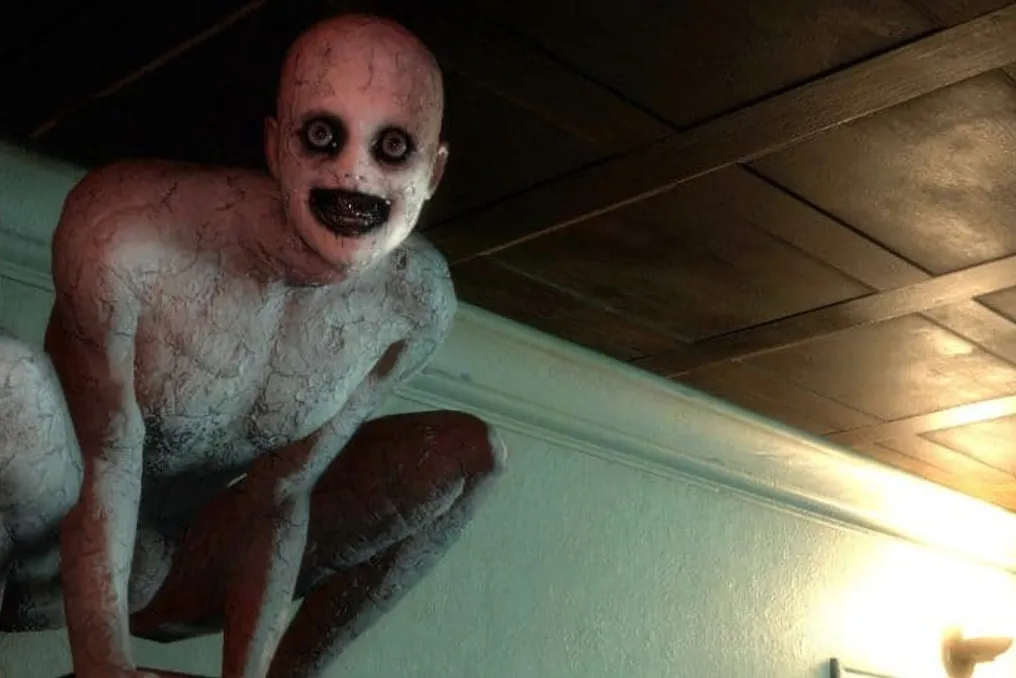
The Psychology Behind Engagement in Horror Games and Their Brain Reactions
Read more
olhardigital.com.br

The Psychology Behind Engagement in Horror Games and Their Brain Reactions

Common situations in horror games, such as walking through dark corridors, hearing unknown footsteps, or noticing a lack of ammunition against an adversary, transform the feeling of fear into a central element of the player's experience.

However, the question arises as to why many people voluntarily seek out games that generate scares and tension. The explanation lies in a combination of psychological aspects, physical responses, and inherent characteristics of video games.

Unlike movies, where the viewer merely observes the events, games place the user in control of decisions, elevating their degree of participation in risky scenarios.

One primary reason is the opportunity to experience fear in a controlled context. By playing titles like Resident Evil, Silent Hill, or Amnesia: The Dark Descent, the individual confronts threats without being subject to the real dangers displayed on screen.

This experience mixes tension with subsequent relief. The player may feel dread during a chase but also experience satisfaction upon escaping.

A scientific analysis published in 2019 in the journal Frontiers in Psychology indicates that suspense, the search for intense sensations, and relaxation after moments of threat are factors linked to interest in horror.

It is important to note that these reactions are not uniform among individuals; while some appreciate frightening experiences, others may find them uncomfortable.

Even knowing that the danger is not authentic, the body can respond to the threats presented by games. Possible physiological responses include increased heart rate, changes in breathing, muscle tension, and a heightened state of alertness. Such reactions are part of the biological defense mechanisms against situations perceived as dangerous.

Research conducted in 2022, focusing on immersive virtual reality experiences, detected physiological changes during moments of fear and frustration. However, this does not imply that all players exhibit the same responses, as intensity varies according to personal sensitivity and familiarity with the genre.

The fundamental distinction lies in the capacity for interaction. In a film, the viewer follows the danger but does not need to make decisions about how to escape. In video games, this responsibility is transferred to the player.

In Resident Evil 2, for example, encountering an enemy may force an immediate choice: use ammunition or flee to conserve resources. In Until Dawn, the choices made during the narrative can determine which characters survive.

Horror also employs elements such as restricted lighting, disturbing settings, and unexpected sounds to intensify tension. In Silent Hill 2, the fear is linked to psychological narrative and character conflicts, while Dead Space uses isolation and the setting of a spaceship to generate a continuous sense of threat.

Often, the anticipation of a scary event is as relevant as the scare itself. The genre has also gained traction among content creators and live streaming platforms. Games like Five Nights at Freddy’s, Phasmophobia, and Outlast create unpredictable situations, scares, and reactions that can be shared with the public.

In Phasmophobia, for instance, the interaction between players and the investigation of paranormal phenomena generates moments of cooperation, tension, and humor. Streams convert fear into a collective experience, allowing the audience to follow the decisions, anticipate scares, and react alongside the content creator. This dynamic helps explain why watching someone play horror can be as engaging as playing directly.

The impact of this experience depends on variables such as age, individual sensitivity, and content intensity. Although some people feel discomfort with frightening experiences, it cannot be concluded that violent games cause aggressive behavior. A study conducted by researchers at the University of Oxford in 2019 did not establish a link between engagement with violent games and aggression in adolescents analyzed. However, this research did not specifically focus on horror games.

There is insufficient evidence to claim that the genre reduces anxiety or improves emotional resilience. Interest in the genre is intrinsically linked to the combination of suspense, interactivity, and overcoming challenges. Many games put the player in a position of strength, but horror often reverses this: it limits resources, complicates confrontation with enemies, and creates scenarios where fleeing is the most viable option.

This vulnerability elevates the importance of small victories. Discovering an exit, solving a puzzle, or surviving a chase can provide a great sense of relief after periods of high tension. In summary, engagement in horror games transcends scares; it resides in the chance to face the unknown and overcome challenges within a fictional and safe environment.

Epic Games offers free games Agent A and Bad Cheese during the week of October 15 to 22
Read more
olhardigital.com.br

Epic Games offers free games Agent A and Bad Cheese during the week of October 15 to 22

The Epic Games Store makes at least one free title available for download weekly. During this specific week, the games Agent A and Bad Cheese are available to users between October 15 and 22.

Agent A: The Disguised Mystery

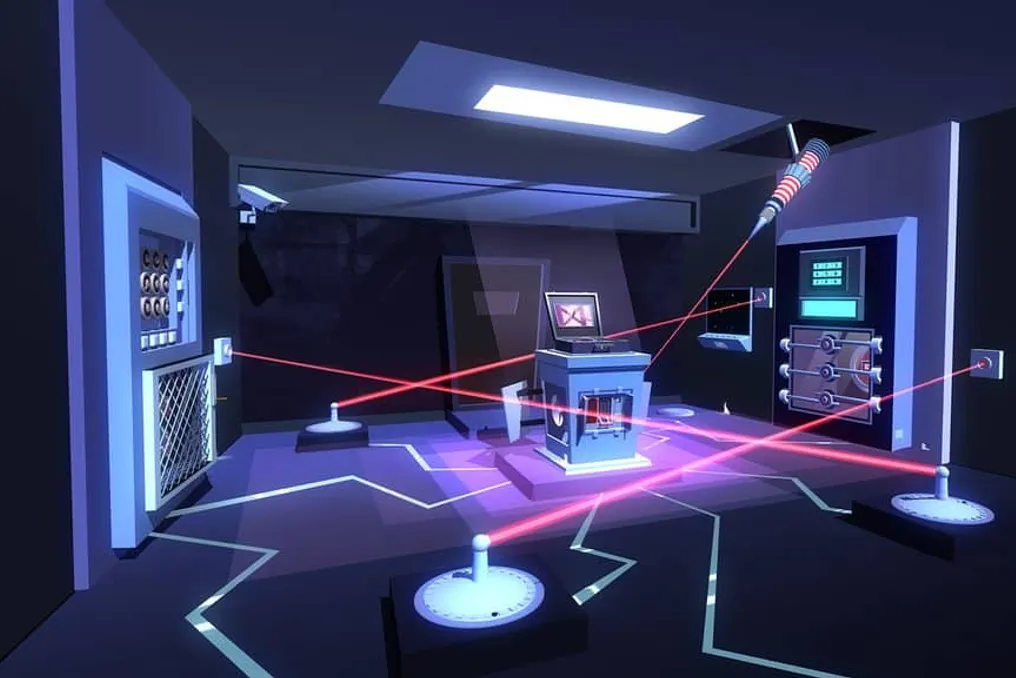
Agent A presents itself as a puzzle game with a spy and investigation narrative set in the 1960s. In this title, the player takes on the role of an agent, as suggested by the name itself, whose mission is to locate and neutralize a spy named Ruby La Rouge. This character is hidden in a coastal mansion full of secrets and enigmas that must be unraveled throughout the gameplay.

Although the action takes place in a single location, the game offers a vast diversity of scenarios and secrets to discover. Each of these elements contains puzzles of different natures that are interconnected, forming a complex and engaging experience.

The game mechanic is quite simple, depending primarily on mouse usage: left-click is used to advance and interact, drag and drop allows for item usage, and right-click allows backtracking. The graphics also follow a line of functional simplicity, presenting a certain aesthetic charm.

For those who appreciate puzzle games, Agent A is an excellent option on the Epic Games platform. It also appeals to casual game enthusiasts, as it imposes no time pressure or penalties for errors, limiting progress only by failing to overcome the challenge.

Bad Cheese

Inspired by 1920s cartoons, Bad Cheese is a psychological horror game that causes discomfort from the start. The player embodies a child alone at home while their father is present and their mother is absent.

The gameplay of this title is straightforward: the player must move, interact with the environments, objects, and characters to solve puzzles and achieve the proposed objectives. Additionally, there are collectible items that provide extra information about the dark history involving the past of the residence and its inhabitants.

The visuals are the strong point of this game. The old animation style, entirely hand-drawn, establishes a striking contrast between innocence and the strange aspect, maintaining constant tension. As the player progresses, the environment becomes progressively more disturbing and hostile, reflecting the dysfunctional state of the place and the people present there. The soundtrack complements this atmosphere, being equally tense and uneasy.

Bad Cheese is offered for free on Epic Games this week for those seeking a differentiated horror experience, with a bold and unusual approach. It is also recommended for fans of psychological horror, provided they are prepared to deal with traumatic and disturbing themes.

Popular