Ducati Panigale V4 2027 receives updates promising power increase and lap time reduction
Read more
AutoPapo
autopapo.com.br

Ducati Panigale V4 2027 receives updates promising power increase and lap time reduction

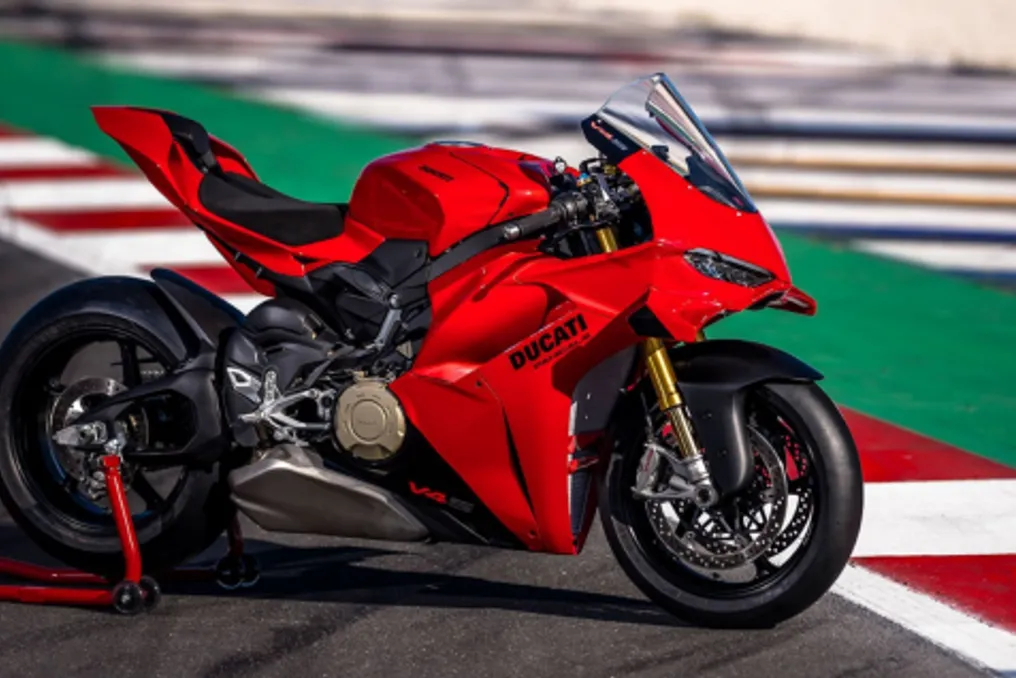
Two years after the launch of the seventh generation of the Panigale V4, presented at the World Ducati Week in 2024, Ducati revealed the 2027 line of the superbike on October 15th. The modifications do not constitute a new generation, but rather specific adjustments to the engine, transmission, chassis, and electronics. According to the manufacturer, these changes result in a lap time 0.4 seconds shorter at the Vallelunga circuit in Italy compared to the current model.

This update occurs at a strategic moment for the brand's marketing, capitalizing on the victories in the 2026 Superbike World Championship and mentioning the titles of the Italian Production SBK in 2025 (achieved with the V4 S) and the British and EuroMoto SBK in 2026 (with the V4 R).

Details of Technical Improvements

The 1,103 cm³ Desmosedici Stradale V4 engine has been updated to produce 218 hp at 13,500 rpm, an increase of two horsepower over the previous one, while maintaining Euro5+ homologation. Torque remains at 12.3 kgf·m at 11,000 rpm. The gains were achieved through a revised exhaust system, a new air intake, and the readjustment of the lubrication circuit, aiming to reduce friction losses. The engine focuses on the rotation range between 12,000 and 14,000 rpm, reaching a peak of 3.5 additional hp at 13,000 rpm, which is the typical operating range of the bike on the track.

The expanded air intake contributes to raising the air pressure by 0.6% when the bike reaches 300 km/h, generating an additional 1.3 hp at that speed. Furthermore, the rev limiter has been raised by 500 rpm, moving to 15,000 rpm, but this change only applies to gears two through four.

Changes to Transmission and Chassis

The change that generates the most significant practical impact is not in the engine. Ducati opted to lengthen the final drive ratio, which changed from 16/41 to 17/42 teeth. This adjustment makes each gear more stretched, allowing the rider to stay in the same gear ratio longer; at Vallelunga, the manufacturer estimates this means two fewer gear changes per lap. The larger sprocket also results in an 8 mm shortening of the axle, which should provide greater agility to the bike in steering maneuvers.

In terms of suspension, the main modification is a 12% reduction in the lateral stiffness of the Front Frame chassis. In high-inclination situations, where the suspension works minimally, the frame flex plays a more relevant role in maintaining tire contact with the asphalt. Ducati states that this result provides greater front grip and greater precision in cornering approach.

New Features in Riding and Electronics

The V4 S version received adjustable clip-ons, which allow for a 10 mm increase in height, enabling a higher riding posture, aligned with trends observed in MotoGP in recent years. However, this adjustment feature is exclusive for track use.

In terms of electronics, the Dynamic Engine Brake (DEB) is introduced, replacing the Engine Brake Control. This new system uses the DVO (Ducati Vehicle Observer) algorithm to modulate engine braking based on the actual load exerted on the rear tire. Concurrently, the Race Brake Control (RBC) debuts, intensifying the contribution of the rear wheel during deceleration. Together, these systems allow for later braking and tighter trajectories, although Ducati emphasizes that these are features that increase the rider's maneuverability margin on the track, and not safety equipment for road use.

Versions and Specifications

As an optional accessory, Ducati offers the Akrapovič Full Racing Exhaust PRO, intended for track use. This component promises gains superior to those of the homologated set, specifically 11 hp and 0.7 kgf·m, in addition to a weight reduction of 6.6 kg.

The S version is equipped with DES 3.0 electronic suspension, using an Öhlins NPX-30 fork, TTX 36 shock absorber, and steering damper, all controlled by Smart EC 3.0. It also features forged aluminum wheels and a lithium battery, weighing 187 kg ready-to-ride without fuel. The standard V4 has conventional suspension, with a 43 mm Showa Big Piston fork, monoshock, and Sachs steering damper, five-spoke alloy wheels, lead-acid battery, and fixed clip-ons, totaling 191 kg under the same criteria. The rest of the components are identical, including the 6.9-inch TFT display, Brembo Hypure brakes, Pirelli Diablo Supercorsa V4 tires (200/60 in the rear), biplane wing configuration, and the electronic package with a six-axis IMU.

For the first time, the Panigale enters the Ducati Factory Made program, allowing customers to order the motorcycle already customized. 11 colors are available, five of which originate from the Lamborghini Ad Personam program (Arancio Xanto, Giallo Belenus, Verde Scandal, Viola Pasifae, and Blu Uranus), in addition to the Corse and Performance paint schemes. For the V4 S, it is also possible to factory order the PRO and PRO+ front brake packages, the STM dry clutch, and the adjustable footpegs. The entry-level version, meanwhile, presents a unique configuration: Ducati red color, Urban Grey frame, and black wheels.

The arrival of the Panigale V4 2027 in European dealerships is scheduled for March 2027, while in the North American market it will occur in April. Regarding other markets, Ducati informed that distribution will continue in subsequent months, without detailing Brazil or announcing prices in any region.
Similar stories

Maruti Fronx to receive update with enhanced features while maintaining the price at 6.90 lakh rupees
Read more
www.aajtak.in

Maruti Fronx to receive update with enhanced features while maintaining the price at 6.90 lakh rupees

Maruti Suzuki continues to update its range of vehicles. Recently, the updated Baleno Facelift was introduced, and now the company is preparing to release the updated Maruti Fronx model. Work on the phased version of this car is underway, and its test samples have been spotted on the roads multiple times.

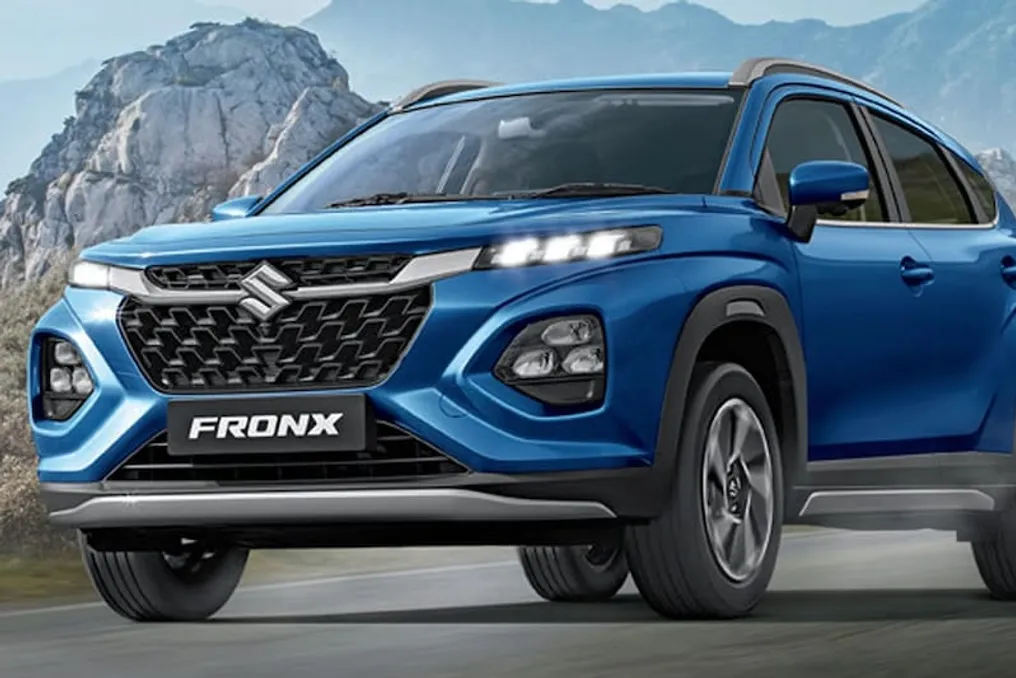
The new version of the Maruti Fronx has been spotted again, with the car completely covered in camouflage. Nevertheless, some design elements are visible even under this camouflage. The car will feature elements such as dual-function LED daytime running lights (DRLs), split headlights with black internal elements, and a large front grille.

Changes are expected in the front grille of the updated Fronx. Protective skid plates may be added to give the crossover a bolder appearance. The car has also been seen with existing alloy wheels.

The overall exterior look of the updated version will remain similar to the current Fronx, with significant changes focusing specifically on the front end. The rear section is not expected to undergo radical changes. The new Fronx will be equipped with a range of new features, including Level 2 ADAS, which was previously implemented in the Baleno Facelift.

Level 2 ADAS features will include automatic emergency braking, lane keeping assist, adaptive cruise control, and automatic high beam assist. In the cabin, the company plans minimal changes, but options such as keyless start, automatic climate control, six airbags, a 360-degree camera, a Head-Up Display, wireless Android Auto and Apple CarPlay support will be available.

The car will retain characteristics such as electrically adjustable rearview mirrors, cruise control, leather-wrapped steering wheel, 16-inch alloy wheels, wireless phone charging, a 9-inch touchscreen system, ventilated seats, and other conveniences.

The main change might occur in the engine. The new Fronx may be fitted with a 1.2-liter three-cylinder Z12E engine, used in the company's latest models such as Baleno, Dzire, and Swift. According to available data, Maruti is also working on an economical hybrid system that could potentially appear in the Fronx, although its release is not expected anytime soon.

Currently, the car is available at a starting price from 6.90 lakh rupees for the exterior. When used in CNG mode, fuel consumption is 28.51 kilometers per kilogram.

Kawasaki launches KLE 650, the largest trail model in the family, with ABS and SE ABS versions
Read more
autopapo.com.br

Kawasaki launches KLE 650, the largest trail model in the family, with ABS and SE ABS versions

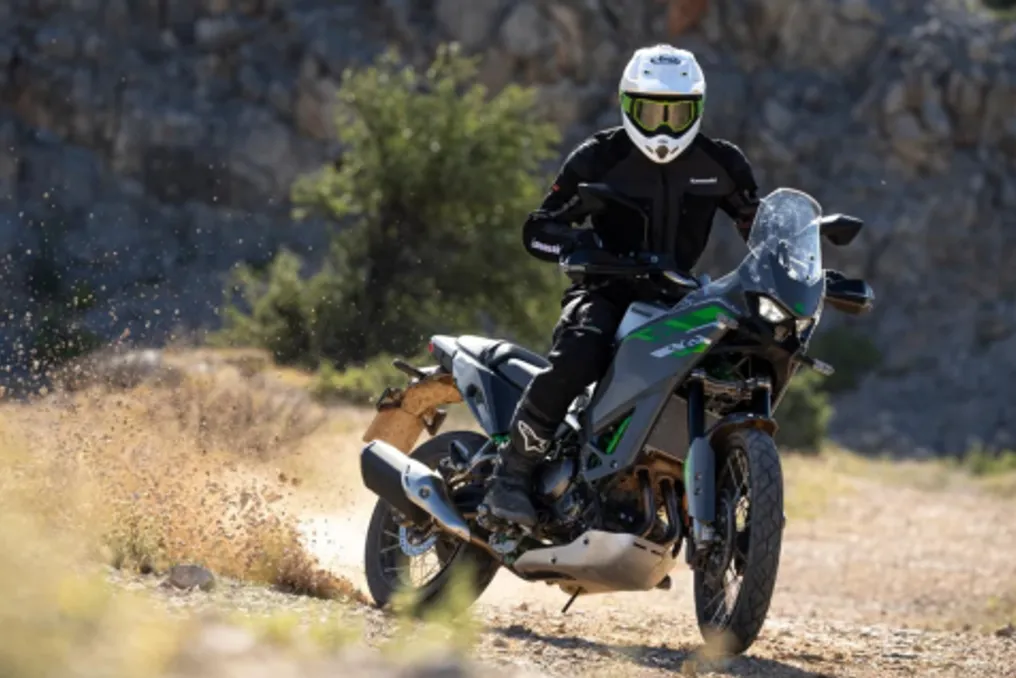
Kawasaki has introduced the KLE 650 motorcycle, which becomes the new member of the Japanese manufacturer's trail bike line. This model is available in two configurations: KLE 650 ABS and KLE 650 SE ABS, elevating the engine level of the KLE line, which currently features the 500 version.

This launch corroborates speculations made by international media following the teaser released shortly after the debut of the KLE 500 SE Smartride 2027, indicating the arrival of a larger displacement trail bike within the same vehicle family.

The disclosed specifications come from Kawasaki North American material, which classifies both versions as the 2027 line and confirms their availability in US stores starting in February.

Technical Details and Engine

The engine is a 649 cc parallel twin equipped with liquid cooling, dual overhead camshafts, and eight valves. It is based on the medium-displacement platform used by Kawasaki in other models, such as the Ninja 650 and Versys 650.

Although power, torque, and weight have not been disclosed by the manufacturer, motorcycles with the same parallel twin engine generate approximately 69 hp and 6.5 kgf·m.

The most significant technical change lies in the electronic throttle, which features 38 mm butterfly bodies. The absence of a cable between the grip and the engine allows the electronic control unit to manage air and fuel, enabling features such as cruise control and traction control. According to Kawasaki, the intake and exhaust tuning focuses on delivering torque below 4,000 rpm, with an increase in power above 6,000 rpm.

The KTRC traction control system presents two modes: Mode 1, less intrusive, preserves more traction when exiting curves; and Mode 2, designed for wet surfaces, cobblestones, and gravel, cuts power earlier upon detecting slippage.

The clutch is assisted and slipping, which reduces the effort required on the lever and restricts rear wheel lock during sudden braking. Cruise control is standard on both versions.

Chassis and Suspension Features

The chassis is constructed from high-strength steel trellis and weighs 16.9 kg. The engine functions as a structural component, as the swingarm is fixed by a bolted plate on the rear of the engine, eliminating the need for extra crossbars. The steel swingarm is 0.5 kg lighter than that of the KLE 500, offering greater vertical rigidity.

Kawasaki itself states that the wheelbase, caster, and trail have been optimized to offer greater stability on asphalt compared to the KLE 500. This implies that the larger bike is more geared towards road use than maximum off-road performance of the family.

In terms of suspension, the front inverted fork measures 43 mm and offers 211 mm of travel. The rear Uni-Trak monoshock provides 196 mm of travel, featuring continuous preload adjustment to accommodate passengers and luggage.

The braking systems include two 300 mm discs in the front, with 27 mm two-piston calipers, and a 230 mm disc at the rear. Although ABS can be disabled for use on sandy terrain, it is programmed to automatically reactivate upon each ignition.

Wheels, Ergonomics, and Finishes

The spoked wheels use aluminum rims and steel spokes, measuring 21 inches in the front and 17 in the rear. Only the SE version has tubeless-ready wheels; on the standard version, a puncture in the tread would require removing the wheel and changing the inner tube.

The seat height of the KLE 650 is 869 mm, very close to the 870 mm of the KLE 500. This height is considered high for the segment, but Kawasaki offers low seats as an accessory for shorter riders. Other available accessories include an engine protector, top box, side panniers, and heated grips.

The fuel tank holds 15.9 liters and has a narrow shape, designed so the rider can slide their body forward on uneven terrain. The windscreen offers three positions, with options of 27 mm or 55 mm more than the standard setting. The handlebars are a fat bar type, made of steel on the basic version and D.I.D. aluminum on the SE. The footpegs have tool-free removable rubber, exposing metal teeth for standing riding off-road.

The rear subframe was designed to support two side panniers and a top box simultaneously. Furthermore, the raised exhaust was positioned to allow the use of symmetrical panniers without compromising the angle of inclination.

Differences Between Standard and SE Versions

The distinctions between the two versions go beyond the instrument panel. The standard version uses a 5-inch LCD display, while the SE is equipped with a similar-sized color TFT that alternates between light and dark backgrounds according to ambient lighting. The SE version also offers two screen layouts and point-to-point navigation when connected to the Rideology app, a feature that requires a paid license and varies by country. Both versions display notifications from the mobile phone.

The SE version additionally includes quickshifter, tubeless wheels, aluminum handlebars, reinforced metal handguards, a USB-C port, and a 106 mm taller windscreen. The skid plate also differs: the standard version receives a plastic piece, justified by Kawasaki due to its lower weight, while the SE version features an aluminum protector, which offers greater protection to the side and bottom of the engine. In practice, this latter option represents the most economical solution in the entry version.

The values and dates mentioned refer exclusively to the United States market, and direct conversion should not be used as a parameter due to tax, shipping, and trade policy issues. There is no information about the arrival of the KLE 650 in Brazil.

While the KLE 500 was confirmed for the Brazilian market during the Interlagos Festival 2026, the larger version, revealed this Tuesday, has no confirmation regarding its arrival or the versions that will be offered locally.

Decline of four-cylinder motorcycles: factors beyond new environmental regulations
Read more
autopapo.com.br

Decline of four-cylinder motorcycles: factors beyond new environmental regulations

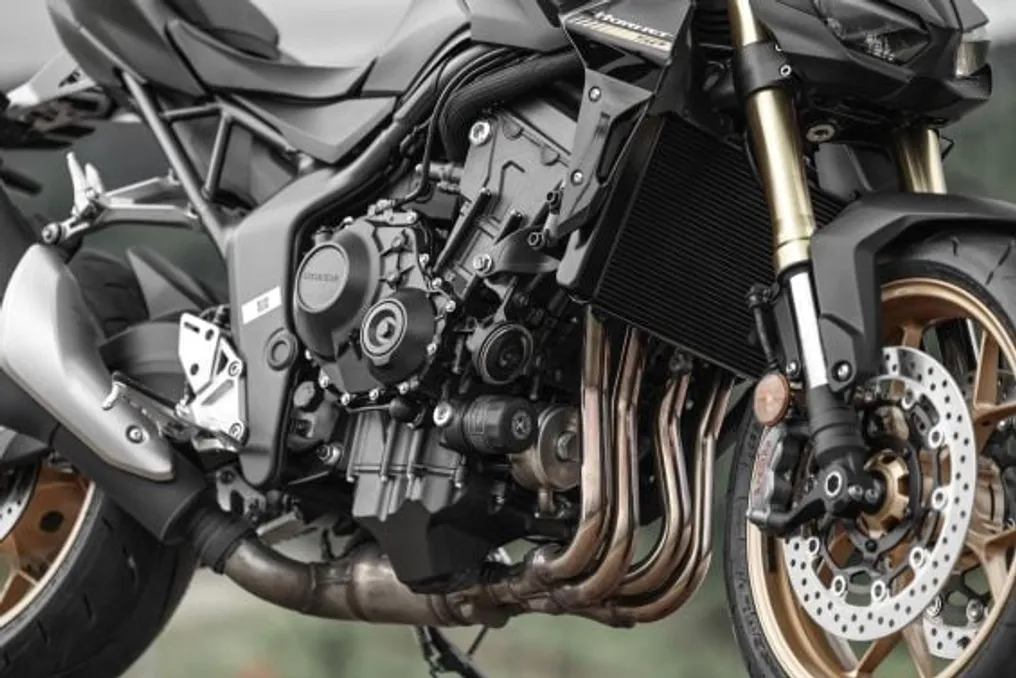
Four-cylinder motorcycles are gradually being replaced by two or three-cylinder models. Notable examples of this transition include the new Honda CB750 Hornet, Suzuki GSX-8S, and Yamaha R7, which are twin-cylinder and succeeded older four-cylinder machines.

Although emission standards are becoming progressively stricter, engine developers point out that the decision on engine configuration begins before legislation. For contemporary engineering, the choice of the number of cylinders must be determined by the specific proposal and the model's need.

Technical view on model design

Bismark do Vale, an engineer specializing in Honda research development, explains that the difference in model design does not depend solely on emissions; it is linked to the ultimate purpose of the vehicle concept. He argues that a four-cylinder engine is typically designed for on-road use, operating at high RPMs and generating lower torque at low speeds. Conversely, a two-cylinder engine presents opposite characteristics, being more suitable for off-road applications.

As an illustration, Bismark points out that putting a four-cylinder inline engine in an off-road bike, such as the Africa Twin, would result in very weak power delivery at low revs, compromising the motorcycle's control and efficiency for its intended use.

The factor of cost and engineering optimization

Beyond practical application, cost emerges as another decisive factor. The engineer questions the necessity of using a four-cylinder engine in a 500cc model if a properly designed and sized two-cylinder engine can deliver the same level of performance. Bismark emphasizes that, although the four-cylinder engine is more efficient on tracks, this rule is not universal. Mid-displacement models, for example, show good performance even on speed circuits using two-cylinder engines.

Engineering has been reassessing its approaches in various aspects, as replicating the four-cylinder architecture in a bike that already achieves the desired performance with two cylinders would be considered a waste of application. This reasoning becomes even more relevant in mid-displacement segments, where sales volume is higher and profit margin is lower, weighing more heavily than in superbikes.

Regarding regulations, the Euro 5+ standard, in effect since 2024 for new approvals, did not reduce pollutant limits but rather tightened requirements for onboard diagnostics, component durability, and catalyst monitoring. Engineering consultants had already indicated that under Euro 5, manufacturers stopped approving certain models because the costs were not viable.

It is important to note that the four-cylinder engine has not become synonymous with a failed engine. Models like the Kawasaki ZX-4R and competitors like the QJMotor SRK450RR are four-cylinders compatible with Euro 5+. When the brand decides to invest, the engine is approved.

In the Brazilian market, there are examples of this. The new Honda CB1000 Hornet, for instance, was launched with four cylinders and 147 hp. Adapting this machine to Promot 5 required the use of a large-dimension exhaust system. Although the Japanese manufacturer could have considered a smaller model, it would be difficult to achieve the same performance and tuning as the current model.

Consumer perception

Finally, there is the consumer perspective, which maintains the association between four cylinders and high performance. Bismark observes that the public who talks about four cylinders generally associates this type of engine with performance due to established culture or prior experience with these motorcycles. This can generate a feeling of 'downgrade' in those consumers when migrating to smaller engines.

The engineer recognizes that this perception has a sensory basis: the fewer cylinders, the more perceptible the imbalance in engine operation, which increases vibration and the sensation of power. Many manufacturers seek precisely this effect. However, in his analysis, the mid-to-low displacement audience is not composed mainly of track day riders, and even among those who attend tracks, a large part of the currently available twin-cylinder models meets the necessary requirements.

Popular