Mozambique trains 60 doctors in cancer screening across provinces
Read more
Noticias ao Minuto
noticiasaominuto.com

Mozambique trains 60 doctors in cancer screening across provinces

More than 60 general practitioners, family physicians, and public health doctors underwent training over nine months to strengthen the screening and monitoring of cancer patients in Mozambique's provincial hospitals, announced the head of the National Cancer Control Program.

The goal of this initiative is to improve the capacity for early screening, diagnosis, and referral of breast and prostate cancer cases. The Head of the National Cancer Control Program, Sesaltina Lorenzoni, stated that plans are underway to expand care capabilities for oncological patients in all provinces, particularly in all provincial and general hospitals.

The training was organized in response to a shortage of specialized personnel in oncology. Special attention is paid to the provinces of Maputo (southern region), Sofala (central region), and Nampula (northern region), where the highest incidence of breast and prostate cancer is observed.

It was also noted that liver cancer is more common in the province of Inhambane, while cancers associated with HIV have a higher incidence in provinces with high virus prevalence, such as Gaza (south), Sofala, and Zambezia (central region).

The event also served as a platform to present the Guideline on Diagnostic Approach and Basic Actions for Major Malignant Tumors in Mozambique, which is intended to assist healthcare workers in treating cancer patients.

According to health authorities, Mozambique registers about 26,000 new cancer cases annually, leading to more than 17,000 deaths. More recent data from the Ministry of Health shows that the country records about two thousand cases of breast cancer per year, causing approximately 800 deaths annually.

Health authorities note that only 3% of breast cancer cases have a genetic origin, while the rest are linked to external risk factors. The National Director of Healthcare, Nelson Mukopo, recently pointed to factors such as lack of physical activity, smoking, excessive alcohol consumption, obesity, and unbalanced nutrition.

Similar stories

Mozambique Government Assures Supply of Basic Medicines for Two Years
Read more
noticiasaominuto.com

Mozambique Government Assures Supply of Basic Medicines for Two Years

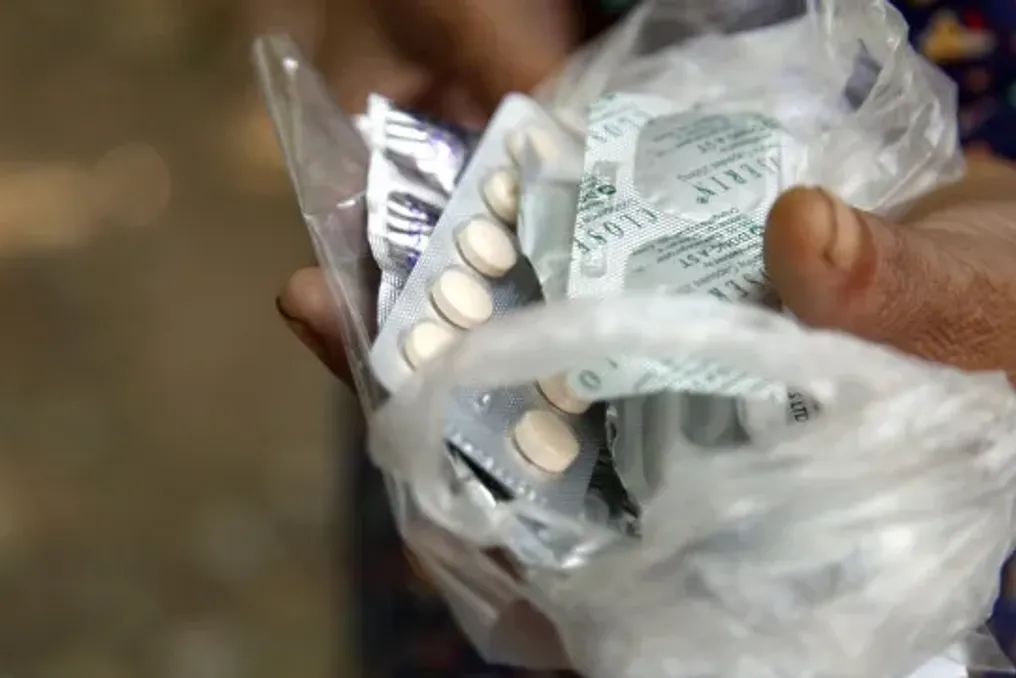
The Council of Ministers of Mozambique confirmed that the country has sufficient supplies of essential medicines for the next two years, despite persistent reports of drug and reagent shortages in various health units.

Inocêncio Impissa, spokesperson for the Council of Ministers, declared during the 31st ordinary session of the body, held in Maputo, that after receiving all requests, there will be no problems with the lack of basic medicines for at least the next two years.

Impissa informed that the first batch of medicines purchased by the health sector has already been received and that new shipments are expected soon. He admitted that temporary disparities in medicine availability may occur between provinces, districts, or health units due to the ongoing distribution process.

The spokesperson stressed that the overall supply of the system is guaranteed, adding that districts closest to the provincial medicine depot should already be receiving the items. The guarantee extends to vital medicines for the normal functioning of public health services and personal protective equipment, as requested by professionals.

The situation of interruption of health services in Mozambique, caused by frequent failures of essential medicines and supplies, occurs at a time of system fragility due to cuts in external funding, according to a report released in September.

This alert comes from a report by the Mozambique Health Cluster, a coordination platform for humanitarian assistance in the health sector, coordinated by the World Health Organization (WHO) and involving UN agencies and other entities operating on the ground, especially in Cabo Delgado, in northern Mozambique.

The document entitled 'Medicine Supply Chain in Mozambique: Ensuring Supply Amid Funding Uncertainty' points out that 79% of interviewed organizations reported constant or recurring absences of medicines and other crucial products in health units. Furthermore, half of these organizations indicated that such disruptions exceed one month.

Among the most affected items are antibiotics, analgesics, contraceptives, gloves, and wound dressings. Those responsible for the report warn that this scarcity not only leads to delays in care but often results in the complete paralysis of services for patients.

The study's authors advocate for greater articulation among donors, more stable funding for the entire medical supply chain, and support for migration to national funding sources, aiming to reduce dependence on external aid and ensure greater stability in population access to healthcare and medicines.

Women in São Paulo report long waits of up to a year for gynecologist appointments in the public system
Read more
g1.globo.com

Women in São Paulo report long waits of up to a year for gynecologist appointments in the public system

In October, the month dedicated to cervical cancer prevention awareness, women in São Paulo have reported significant difficulties scheduling appointments with gynecologists in the public health system. Patients report facing extended waiting periods to receive care at the Basic Health Units (UBSs) of the capital city.

Although campaigns like Pink October are visible in South Zone UBSs, promoting messages such as 'Have you had a Pap smear?' and 'Cervical cancer is 100% preventable,' the reality experienced by women seeking gynecological care is one of significant obstacles to getting an appointment.

Elizabeth Fiorini, a housewife, reported accompanying her sister who, after being seen by a general practitioner, needs a referral to a gynecologist, but the attendants state that there is 'no scheduling available.'

Other patients in the capital's public network state that the wait for a gynecologist and medical exams can extend for almost a year. Rosilene Nilda, also a housewife, mentioned that the wait for a general practitioner can reach three months and that she cannot schedule through the Agenda Fácil application.

Clemenir Gomes Costa, a hairdresser at the Vila Missionária UBS in the South Zone, declared that she could not get a gynecological appointment that year, having had a one-year gap since her last consultation, and that she had to go to the unit daily to try and book one.

Difficulty Scheduling Exams

Josélia da Silva Oliveira managed to schedule an appointment for November after continuous attempts via the application since January. She went to the health unit to undergo preliminary exams before meeting the doctor, as this would avoid another wait of about six or seven months for a follow-up.

However, Josélia was unable to take the exam on the scheduled day and will have to return at another time to try for a new appointment. At the Vila das Mercês UBS, also in the South Zone, Luciana Silva described a similar situation, where the time between taking an exam and the follow-up consultation was so long that the doctor reprimanded her for the exam being expired.

Luciana stated that she waited a year to present the exam, but was criticized by the doctor. She only managed to get care that year because it was an emergency, as she has fibroids, and she is still awaiting the follow-up for the exam.

The Importance of Gynecological Follow-up

Access to a specialist through the Unified Health System (SUS) begins at the UBS, where the patient must first be evaluated by a general practitioner. If the professional identifies a specific need, they make a referral to a specialist, such as a gynecologist, for diagnostic exams and consultations.

According to the Municipal Health Secretariat (SMS), the city has 1,747 teams focused on the female population. It is essential that gynecological follow-up is not only done when problems arise but also regularly to prevent illnesses and detect changes early.

Delayed diagnosis poses risks to women's lives. Gynecologist Dr. Sérgio Podgaec, president of the Brazilian Federation of Gynecology and Obstetrics (Febrasgo), warned that the absence of exams prevents the early identification of conditions such as cervical and breast cancer.

Sérgio Podgaec emphasized that when these diseases are discovered in early stages, the chances of cure are extremely high. He stressed that it is possible to diagnose diseases that have not yet become cancer or cancer itself in its initial phase, ensuring excellent treatment.

During the journalistic coverage, the women reinforced the relevance of periodic exams and expressed concern about the slowness of the service. One interviewee stated that it is the woman's duty to undergo exams annually, as delaying them can lead to late cancer detection.

São Paulo City Hall's Position

In an official statement, the São Paulo City Hall denied the existence of a backlog of demand for gynecological care in the city. The municipal administration informed that, between January and July of the current year, over 673,000 attendances were provided at the UBSs, and all these services are available for consultation through the Busca Saúde system online.

Popular