
Study suggests that the manosphere should be treated as a public health issue, comparable to tobacco
Read more
Noticias ao Minuto
noticiasaominuto.com

Study suggests that the manosphere should be treated as a public health issue, comparable to tobacco

A study published in The Lancet suggests that the manosphere, defined as an online community advocating sexist views or defending masculinity against female autonomy, should be addressed as a public health problem, equating it to smoking and obesity.

The study's authors argue that male issues are often presented within the manosphere as a consequence of feminism, rather than being viewed as structural conditions. Furthermore, male identity is commercialized through paid products and content that reinforce health-damaging and performance-focused masculinities.

The work details that the manosphere constitutes an 'informal set of online communities united by shared beliefs about masculinity, misogyny, and male victimization' and can be seen as a 'commercial ecosystem.' This occurs because revenue is generated through platform advertising, subscription models, and content creation.

The researchers add that algorithms tend to promote content aimed at maximizing attention and monetization. This amplification is not passive, as the financial incentives structuring the manosphere reward the most extreme manifestations of toxic masculinity and misogyny, since indignation and resentment benefit the business.

The scholars warn that, similar to the tobacco and ultra-processed food industries, content creators and platforms employ tactics that individualize responsibility. Efforts to regulate or moderate this content are frequently presented as threats to male autonomy, limiting the political space for any intervention.

The report emphasizes the need for a coordinated response involving governments, educational institutions, health services, and community groups, similar to the fight against obesity and smoking. It is crucial to ensure equitable access to mental health services and other primary care, as well as promoting employment and skills to improve access to the job market.

The adopted strategies must avoid framing masculinity as intrinsically toxic or men and boys as inherently problematic. Experts point out that social isolation and exclusion are factors that lead men to consume this type of material.

Kent Buse, co-author of the article and founder of the Global 50/50 social justice reflection group, argued that it is a business model, not a marginal phenomenon. He predicted that the strategy used by the tobacco industry—blaming the individual and labeling regulation as an attack on freedom—will be replicated. Buse stated that public health has proven tools to combat commercial harm, and these must be utilized.

The same scholar stressed that the problem does not lie with the boys and men, but rather with the conditions that leave them isolated and without future prospects, and with the companies that profit from their insecurity and anger.

Meanwhile, Sarah Hawkes, another co-author of the report, highlighted that the manosphere provides young people with a sense of belonging, identity, and an explanation for perceived difficulties in life. She maintained that a response that merely eliminates the manosphere, without offering credible alternatives, will be ineffective, necessitating the provision of something better to young people instead of just indicating what they should avoid.

Similar stories

Experts Discuss Rise in Youth Heart Disease and Women's Pregnancy Issues: The Role of Lifestyle and COVID-19
Read more
www.aajtak.in

Experts Discuss Rise in Youth Heart Disease and Women's Pregnancy Issues: The Role of Lifestyle and COVID-19

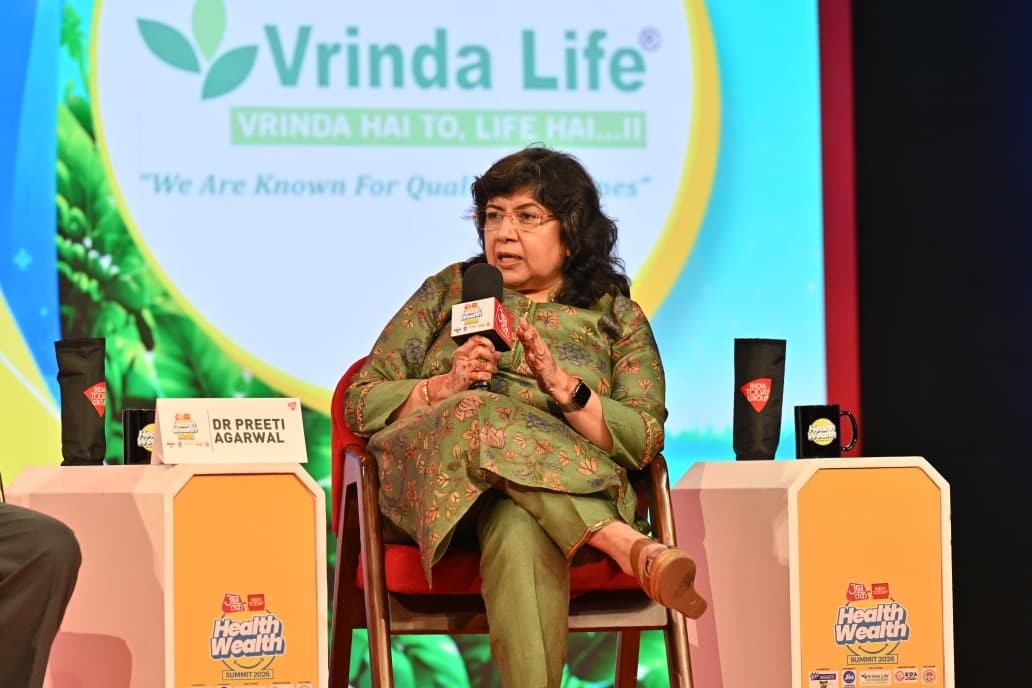
Despite several years having passed since the COVID-19 pandemic, the question often arises whether a sudden illness or heart attack in a young person is a consequence of coronavirus. At the Health Wealth Summit forum, specialists held an open discussion on this serious topic.

Leading doctors from the country participated in the session: Senior Cardiologist Dr. Padmashri D.S. Gambhir, Dr. Manoj Kumar, Dr. Sanjay Sachdeva, and Gynecologist Dr. Priti Agrawal. They thoroughly discussed the true causes of the increase in heart disease among youth, stress, and fertility problems in women.

Dr. Padmashri D.S. Gambhir emphasized that while the COVID-19 pandemic had a negative impact on the blood clotting system and organs, contributing to the rise in heart disease cases, it is incorrect to blame the coronavirus exclusively. He presented statistics showing that less than half of young patients with a heart attack had ever had COVID-19, whereas over 70% of such patients had never encountered the infection. This indicates that lifestyle changes and other medical factors play an equally significant role.

Dr. Manoj Kumar reported that a study conducted in the UK showed an increased risk of heart attack in people who recovered from COVID-19 because the virus affects the inner lining of blood vessels. However, besides this, other significant 'unconventional risk factors' are rapidly emerging. One of these is a sedentary lifestyle: the risk of a heart attack doubles for people who spend more than ten hours a day sitting. Dr. Sanjay Sachdeva added that factors such as high blood pressure, diabetes, smoking, and obesity are causing problems in young people at a very early age. Furthermore, weakened immunity and nasal and sinus hygiene issues make the body more susceptible to other infections.

Dr. Gambhir explained that mental stress and our work style directly determine health status. He highlighted 'Type A Personality'—people who constantly experience anxiety, participate in competitive races, and take everything to heart; these individuals are at the highest risk of heart attack. Conversely, people with 'Type B Personality,' who remain calm about work and leave office worries at home, remain safer. Doctors advise developing a 'Developed India,' but without immersing oneself in the 'stress furnace' or bringing office stress home.

Discussing reproductive health, Dr. Priti Agrawal noted that during COVID-19, many couples postponed family planning. Naturally, the quality and quantity of eggs in women decrease with age. Women who decided to conceive after the age of 30–35 faced difficulties. Additionally, the growing prevalence of smoking, alcohol consumption, and excessive stress among modern youth negatively affects their reproductive health. Therefore, instead of blaming only COVID-19, it is much more important to seek medical consultation in a timely manner.

The general message from the experts was that changing lifestyles, fast food, lack of physical exercise, and excessive psychological stress have become the main enemies of health. If diet and daily routine are adjusted in time, the probability of developing heart disease and other serious problems can be significantly reduced.

Doctors discuss parental mistakes and the impact of gadgets on children's health
Read more
www.aajtak.in

Doctors discuss parental mistakes and the impact of gadgets on children's health

When a small child enters a family, parents experience serious concerns regarding their health and nutrition. Since the child cannot independently report discomfort, parental responsibility increases. However, in modern times, parents face a pressing question: why do children often get sick? A natural question arises as to whether mobile screens and poor nutrition are depriving childhood.

During the popular session 'Children Must Be Healthy' at the Health Wealth Summit, specialists from Malik Radix Health Care and 'Apna Ghar Ashram' discussed these issues. The session was moderated by Rajiv Dhoundial, Senior Producer of Aaj Tak Output. Many important points concerning children's health and parenting methods were presented.

Parents frequently visit clinics complaining about their child's weak immune system and frequent illnesses. On this matter, Dr. Ravi Malik explained that for children under ten years old, especially those under five who have started attending school, it is completely normal to encounter viral infections six to eight times a year.

Contact with various viruses, such as adenovirus or respiratory syncytial virus, helps strengthen the child's natural immunity. Dr. Malik advised not to panic, but to immediately consult a doctor or emergency department if, in addition to fever, the child exhibits severe lethargy, rapid breathing, diarrhea, or dehydration, or if a rash appears on the body.

To prevent frequent illnesses, Dr. Malik emphasized the need to pay close attention to the hygiene of water, milk, and food, which helps protect against waterborne diseases such as typhoid and diarrhea. He also reminded parents about the importance of timely vaccination, as missed vaccinations can lead to diseases like chickenpox or hepatitis. Furthermore, it is necessary to give the child Vitamin D regularly from birth and encourage outdoor activities.

Dr. Madhvi Bhardwaj expressed concern over the rising level of pollution, noting that smog affects not only the lungs but also the brain, kidneys, and liver of the child, weakening their immune system. As a precaution, she recommended stopping outdoor walks when air quality is low and keeping children indoors. It is also important to include omega-3 and omega-6 fatty acids (from nuts and seeds) in the children's diet and ensure they have enough water. Bhardwaj warned adults: if there are sick people in the house or someone has even a mild cold or cough, distance should be kept from young children, as a minor virus in an adult can turn into serious pneumonia in a child.

Based on his 40 years of experience, Dr. Ravi Malik listed the most common parenting mistakes. The first is the inability to set boundaries; nowadays, children decide what they will eat and how long they will look at a screen, and parents, feeling guilty, refuse to say 'no' to them.

The second mistake is unhealthy comparison of children with others, such as the neighbor's son. It is necessary to stop comparing your child because every child has their own strengths and potential. Comparison leads to feelings of inadequacy and destroys self-confidence. Malik stressed that children learn by observing, not just by listening; if parents themselves spend hours looking at their phones, they cannot convince their child otherwise.

The third mistake is failing to keep promises made to the child (such as a trip or a gift), which creates a sense of insecurity in the child about the world. The fourth mistake is using physical punishment or intimidation, which makes adults suspicious and prone to paranoia. The fifth mistake is ignoring the child's needs.

Dr. Madhvi Bhardwaj explained that after nine months, the child's brain begins to explore the surrounding world. They do things whose consequences they do not know, and parents constantly tell them 'no.' When everything is refused, the value of the word 'no' is lost. If a child shows stubbornness, one should consider their own state: perhaps the source of this stubbornness lies in your own energy or behavior. It is important to remain patient with children.

Regarding screen time, Dr. Malik established the following guidelines: for children aged 0 to 2 years, screen time must be absolutely zero. For children aged 2 to 5 years, no more than one hour per day is allowed, and it must be supervised. Screen use during meals poses a particular danger: if a child watches TV or uses a phone while eating, they stop recognizing hunger and satiety signals, which can lead to obesity in the future. To help the child overcome addiction, parents must first reduce their own screen time. After that, it is recommended to engage in active games, dancing, and role-playing with the children.

Despite the rise in mental health discussions on social media, 75% of people avoid seeking help
Read more
www.aajtak.in

Despite the rise in mental health discussions on social media, 75% of people avoid seeking help

The topic of mental health was actively discussed at the HealthWealth Summit. There is a significant increase in discussions on social media regarding conditions such as depression, anxiety, and stress, with users sharing their experiences and striving to raise awareness about mental health. However, despite this activity, it is not clear that the number of people receiving treatment for mental problems has increased.

During the session 'All is Hell?' at the India Today event, Dr. Samir Parikh, Chairman and Director of the Department of Mental Health and Behavioral Sciences at Fortis Healthcare, noted that while conversations about mental health have become more frequent, one cannot conclude a proportional increase in the number of people seeking treatment.

According to Dr. Samir Parikh, about 75 percent of people facing mental health issues still do not seek help. Reasons for this may include social stigma associated with mental illness, lack of public information, and limited access to treatment. Many people mistakenly consider mental stress, sadness, or worry as a sign of personal weakness, which leads to delayed treatment.

A warning was also given regarding mental health discussions on social media. It was emphasized that the algorithms of these platforms influence which posts are shown to the user. For example, if a person starts following content related to depression or anxiety, they will be offered more such material. This can create a false impression that the entire society is discussing mental health and easily seeking support.

The session also discussed the growing level of stress among youth. Dr. Parikh stated that although mental stress has always existed, its causes and circumstances change over time. Therefore, instead of denying stress, it is necessary to focus on teaching people skills to cope with its consequences.

Dr. Manushri Gupta, President of the Delhi Psychiatric Society, and Dr. Sandeep Vohra, a psychiatrist and digital mental health entrepreneur, participated in the discussion. The main conclusion of the session is that the increase in mental health discussions is a positive step, but the real benefit of raising awareness will only be achieved when people feel comfortable seeking help when needed.

Popular