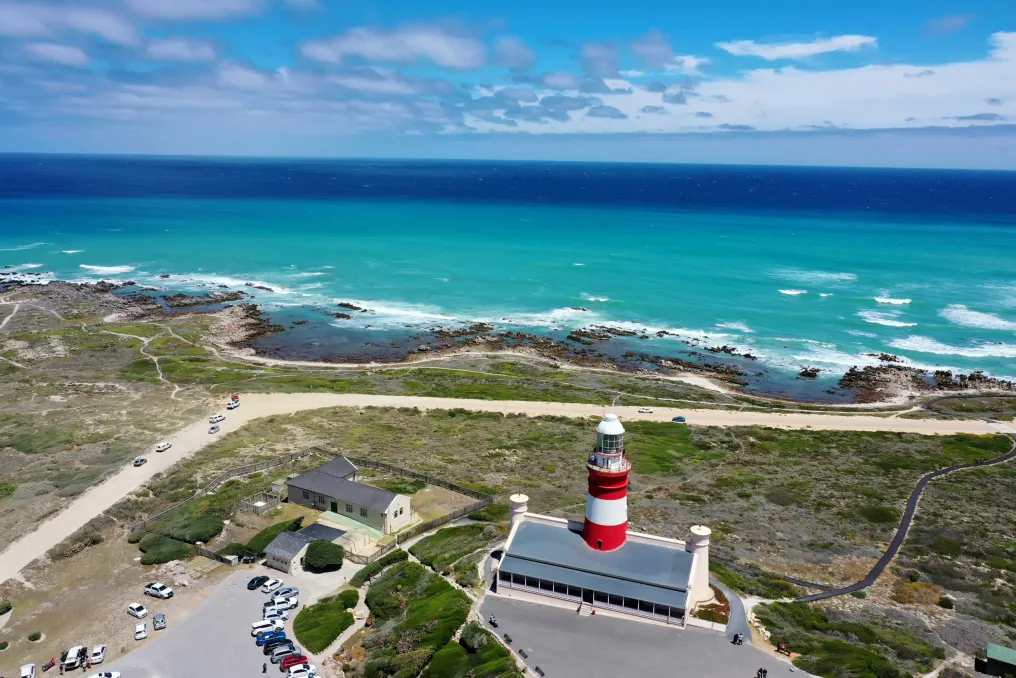
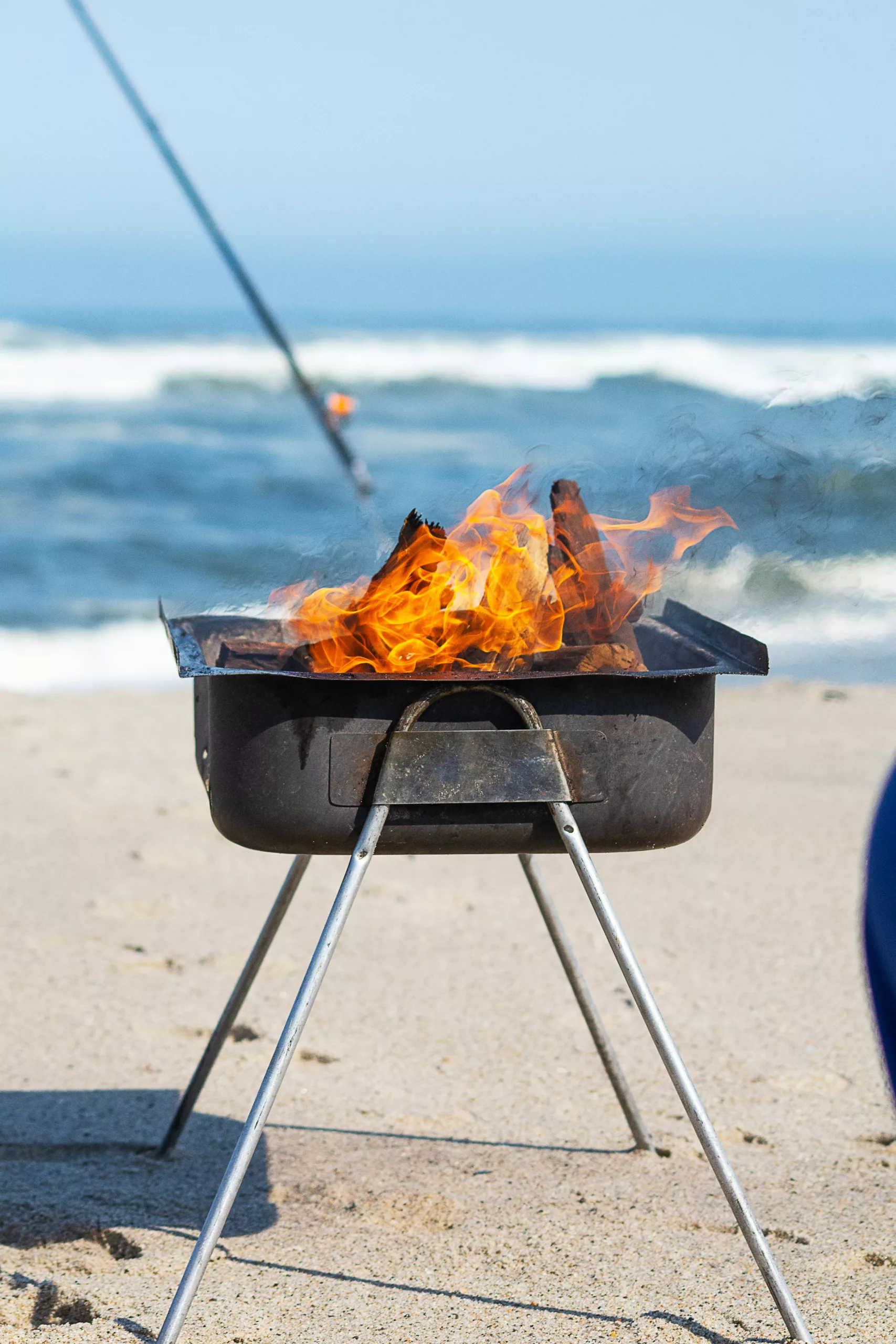
Summer in the Western Cape offers a wonderful opportunity to gather friends and family outdoors. While beach picnics or dining out have their place, a traditional South African braai with a scenic view remains an unforgettable experience.
The province boasts numerous locations for such events: from coastal braai spots and mountain retreats to family picnic areas and nature reserves. There are both well-known favourites and quieter options for summer outings.
It is important to choose designated braai areas, as open fires are prohibited in many natural areas, especially during the wildfire season. Starting a fire in an unofficial spot can endanger people, wildlife, and surrounding vegetation.
Below are some braai spots in the Western Cape worth considering for your next summer getaway, along with several simple etiquette rules to follow.
Several braai spots in Cape Town possess a unique atmosphere, such as Maiden's Cove. This popular coastal picnic area is located between Clifton and Glen Beach and offers views of the Atlantic Ocean, Camps Bay, Twelve Apostles, and Lion's Head.
It features equipped braai spots, grassy areas for picnics, and tidal pools where visitors can cool off on hot summer days. It is particularly good for groups and families looking to combine swimming with a traditional beach braai. However, it can get crowded, especially on weekends and during December holidays. It is recommended to arrive early to secure a suitable spot and check City of Cape Town booking requirements before visiting. Note that alcohol is prohibited in the public braai area.
For a more tranquil escape along the southern peninsula, Soetwater Beach in Kommetjie is suitable. This coastal recreation area is a popular spot for summer gatherings and has designated braai pits, picnic tables, parking, and public toilets.
Most of the coastline here is rocky, but there are sandy sections and two artificial tidal pools for swimming. Camping and caravan sites are also available for those wishing to extend their stay. Its location makes it a good choice for a full day of relaxation, especially if you want to spend time by the ocean while avoiding the busier central beaches of Cape Town.
If you are looking for a beach braai spot outside of Cape Town's usual favourites, consider Silwerstroomstrand. This blue-flagged beach, located near Atlantis, has equipped picnic and braai areas, parking, toilets, and lifeguards.
The long stretch of sandy coastline is perfect for a pre-lunch walk, and the tidal pool offers an alternative to swimming in the sea. The nearby resort also offers bungalows and caravan sites for overnight stays. This is a particularly attractive option for families needing access to organized beach amenities without travelling into the city centre. Before visiting, check current entry fees and braai conditions at the resort.
Located along Clarence Drive, Spark’s Bay offers a lesser-known option for a coastal braai in Gordon’s Bay. The City of Cape Town classifies it as a picnic and braai area, equipped with parking, toilets, and a large tidal pool. The tidal pool is the main attraction, especially for families preferring a calmer environment for swimming. The beach is also popular among fishermen and spear hunters. Its location along one of the picturesque coastal roads of the Western Cape allows for an easy combination of a braai with a leisurely drive along Clarence Drive.
Eerste Steen, near Bloubergstrand, is another option for seaside family relaxation. This area is linked to the Blaauwberg Nature Reserve and has designated picnic and braai spots. The setting offers familiar views of Table Mountain across Table Bay, and its coastal location makes it a great spot for a summer day outdoors. It is advisable to check operating conditions and entry requirements at the resort before visiting, especially during peak holiday periods.
Braaing at Cape Point creates a truly memorable day. Within the Cape of Good Hope National Park sector, Table Mountain features dedicated braai braais, green lawns, and protected tidal pools in Buffels Bay. This area is excellent for families and groups wanting to combine a braai with swimming or short reserve excursions. You can also visit nearby viewpoints and hiking trails before settling down for lunch. Another spot within the reserve is Bordjiesrif, which also has equipped picnic and braai areas and a tidal pool. Both sites are managed, so visitors should only use the provided braais. Keep in mind that entry to Cape Point requires an environmental conservation fee. Alcohol, dogs, and loud music are prohibited in the picnic and braai areas. Food must be stored safely, and baboons inhabiting the reserve must never be fed.
A summer braai in West Coast National Park will be unforgettable if you enjoy a wide coastal panorama. The park has designated picnic and braai spots in Kraalbaai and Tsaarsbank, both offering beautiful scenery for a day by the water. Kraalbaai is particularly popular due to its white sandy beach and bright turquoise lagoon. It is a wonderful place to spend the day swimming, relaxing, and enjoying a braai with friends or family. Tsaarsbank, located further north in the park, offers a different experience with rugged coastlines and ocean views. During whale season, visitors can also spot whales along the coast. Braai spots are available on a first-come, first-served basis and are not bookable. The park gets particularly busy in December and January, so arriving early is recommended. Alcohol is not permitted in public picnic and braai areas, on beaches, or along the lagoon shores.
If you prefer spending the day under trees rather than by the ocean, consider Tokai Forest. The picnic and braai area is situated among pines on the outskirts of Table Mountain National Park, providing a shaded setting for relaxed family time. It features equipped braai and picnic spots, as well as nearby walking and cycling trails for those who wish to exercise before lunch. Like other areas in Table Mountain National Park, visitors must check current fire restrictions before packing firewood and charcoal. Seasonal fire risk restrictions can affect the availability of braai spots.
For something different, head inland to Vrolijkheid Nature Reserve near Robertson. This CapeNature-managed reserve has a dedicated picnic area with permanent benches and braai spots, surrounded by the hilly and mountainous landscape of the Breede River valley. It offers a quieter alternative to more popular coastal braai spots and is a good option for a day trip from Robertson or Montagu. The reserve also features walking trails and birdwatching opportunities, so it is worth coming earlier than just for lunch. Before visiting, check CapeNature's booking conditions and fire restrictions.
For those traveling through the Klein Karoo, Gamkaberg Nature Reserve offers a unique braai setting. CapeNature notes the presence of a thatched hut and braai spots, surrounded by the harsh mountain landscapes of the reserve. It is a good option for visitors who enjoy nature and want to spend time away from busier coastal destinations. The reserve is also known for its wildlife, mountain scenery, and outdoor activities. It is better suited for a planned trip or a stopover during a longer Klein Karoo journey than for a spontaneous day trip. Availability, site capacity, and fire safety rules must be checked with CapeNature before visiting.
Tweede Tol is popular with locals who enjoy spending time in nature and is located in Limietberg Nature Reserve along the scenic Bain’s Kloof area. This CapeNature site has equipped braai spots, picnic areas, and natural swimming spots, making it a good choice for a summer outing. The surrounding mountains and river landscapes provide a beautiful backdrop for a relaxed evening with family or friends. It is a popular spot, especially on warm weekends, and visitor numbers are limited. CapeNature recommends arriving early as access may be restricted once picnic and camping capacity is reached. Bookings and current fire safety regulations should be checked before departing.
Not all picnic areas in the Western Cape allow the use of wood or charcoal year-round. Some reserves have seasonal restrictions, while others only permit gas or enclosed cooker braais. For example, Silvermine Nature Reserve is a popular picnic spot, but cooking near the water body is restricted during high fire risk periods, including summer and early autumn. It is best to consult SANParks before planning a summer braai there. The reserve remains a lovely place for a picnic and swim when conditions allow.
Another example is De Mond Nature Reserve near Bredasdorp. Its picnic area by the Heuningnes River is a wonderful spot for nature relaxation, but CapeNature specifies that only gas braais and Weber cooker braais are permitted. Open fires are not allowed.
A little planning can help avoid disappointment, especially during the December holiday season when popular picnic and braai spots can fill up quickly.
A summer braai is a fantastic way to enjoy the nature of the Western Cape, but it comes with a responsibility to preserve the environment and respect other visitors. Fire safety is particularly important during the hot, dry summer months when vegetation can easily ignite.
Here are some simple rules to follow:
- Only cook in designated areas. Never light a fire on an open beach, field, riverbank, or under trees unless explicitly permitted. Use provided facilities and respect temporary fire restrictions. Even a small fire can become uncontrollable in windy weather.
- Check fire restrictions before you go. Fire safety rules can change depending on weather conditions and the fire danger index. Contact the relevant municipality, SANParks, or CapeNature reserve to confirm whether wood, charcoal, or gas braais are allowed before your trip.
- Never leave a fire unattended. Keep children at a safe distance and monitor the fire. Wind can quickly carry sparks onto nearby vegetation, so keep water or sand nearby.
- Extinguish fires properly. When finished, douse the embers with water, stir them, and repeat until everything is completely cold. Simply covering hot embers with sand or letting them smolder is not enough. CapeNature also advises soaking the embers before disposal, as they can retain heat long after the fire appears out.
- Take all your trash with you. Bring garbage bags and collect everything before leaving, including food scraps, plastic packaging, bottle caps, and cigarette butts. Do not leave broken glass or disposable braai trays. Food scraps can also attract wildlife.
- Be considerate of other visitors. Keep music at a moderate volume, give neighboring groups enough space, and avoid taking more picnic tables or braai spots than you need. Some reserves completely prohibit music, so check the rules.
- Do not collect wood from the environment. Avoid breaking branches or collecting dry wood from protected areas. Bring your own approved firewood or charcoal, provided a fire is permitted in the chosen location.
- Keep wildlife in their natural habitat. Never feed baboons, birds, or other animals, even if they approach your picnic area. Store food securely when not eating and do not leave coolers or trash unattended.
- Observe alcohol restrictions. Some public beaches, national parks, and reserves prohibit alcohol. Do not assume that rules applicable in one braai area apply to another.