Variety of vegetables is crucial for health, even when following consumption recommendations
Read more
Super Abril
super.abril.com.br

Variety of vegetables is crucial for health, even when following consumption recommendations

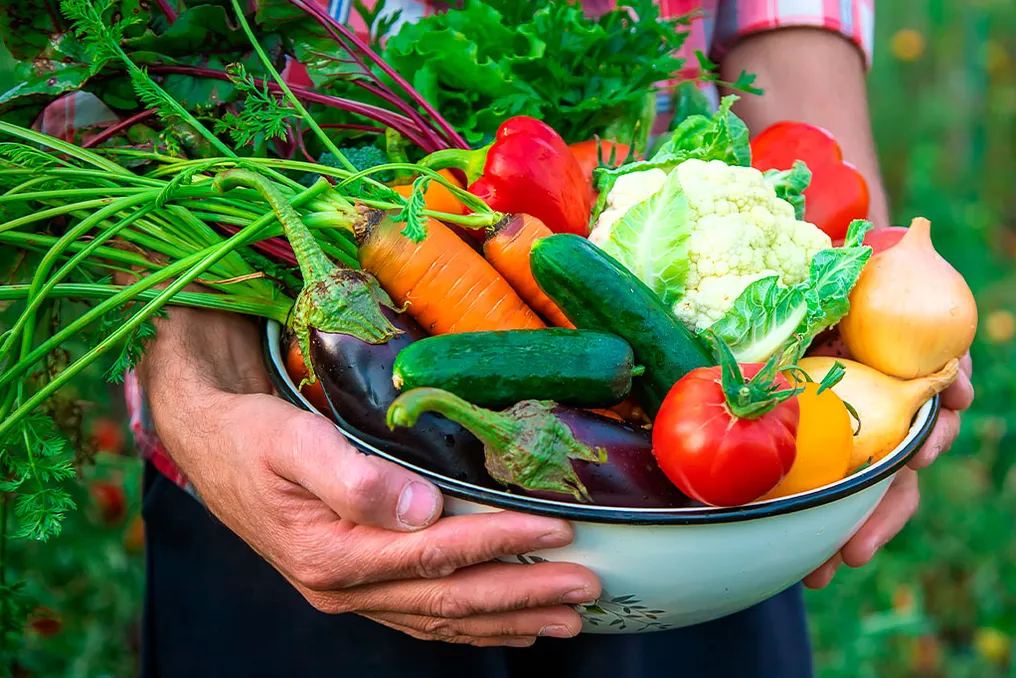
Even those who follow the guideline to consume five daily servings of fruits and vegetables may not be absorbing an adequate amount of beneficial substances for cardiovascular health. A study published in the journal Food & Function, which analyzed data from over 30,000 individuals in the United States and the United Kingdom, points to this issue.

The researchers investigated whether current healthy eating guidelines are sufficient to ensure the intake of approximately 500 milligrams of daily flavonoids, which are bioactive compounds naturally found in vegetable foods and belong to the flavonoid family. These compounds help improve vascular function, promote nitric oxide production (which leads to artery dilation), and possess antioxidant and anti-inflammatory properties.

The team evaluated participants' dietary patterns using urinary biomarkers to objectively estimate the consumption of these compounds. The findings indicate that people with higher quality diets and greater consumption of fruits and vegetables do indeed ingest more flavonoids. However, less than 25% of those who follow nutritional recommendations reach the quantity considered beneficial for the heart.

Importance of dietary diversification

According to the authors, this disparity occurs because not all types of fruits and vegetables contain the same concentration of these compounds. Nutritionist Letícia do Vale Pires, from Einstein Israelite Hospital, comments that although there are no official recommendations yet regarding the daily intake of flavonoids, the studies reinforce the need for a diet rich and varied in plant-based products.

Important sources of flavonoids include green tea and black tea, cocoa, apple with skin, grapes (especially purple ones), pear, and berries. Although greens, vegetables, and legumes also contain these compounds, their concentrations tend to be lower.

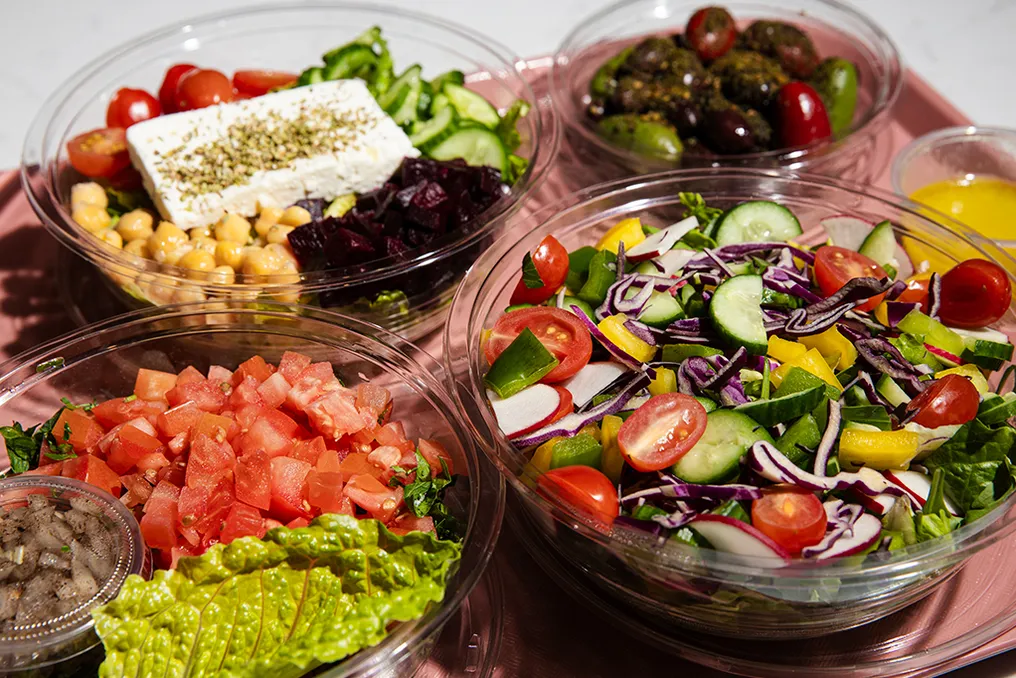
The specialist advises focusing on variety, alternating the fruits consumed, keeping the skin whenever possible, incorporating beans and other legumes (such as lentils, chickpeas, peas, and soy) into meals, and replacing sugary drinks with unsweetened teas. Another suggestion is to prefer chocolates with a minimum of 70% cocoa content. Pires emphasizes that there is no single miracle food; the determining factor is a balanced and diverse dietary pattern.

The preparation method can also affect the amount of nutrients. Cooking food for long periods and discarding the cooking water can reduce some beneficial compounds, as can removing the skin from fruits like apples, where they are concentrated to a greater degree. The recommendation is to mix raw and cooked preparations, maintaining a diet abundant in plant-based foods.

Benefits for at-risk groups

Individuals with higher cardiovascular risk, such as those with hypertension, diabetes, high cholesterol, obesity, or a family history of heart problems, can benefit from a diet rich in flavonoids. However, it is essential to emphasize that these foods do not replace medical monitoring or prescribed drug treatments. The nutritionist warns that they integrate a set of healthy habits that aid in the prevention and control of these diseases.

To suggest a meal plan, the specialist indicates that breakfast can include apple with skin, oats, and a cup of green or black tea. For the morning snack, grapes or berries are suggested. Lunch should feature a varied salad, vegetables, and beans. In the afternoon, a small portion of chocolate with at least 70% cocoa can serve as a snack. For dinner, a colorful salad, vegetables, and a fruit as dessert are recommended.

Despite the positive results presented, there are no official guidelines established for the daily intake of flavonoids or for supplementation. The general recommendation to consume five servings of fruits and vegetables daily, regardless of type, remains valid.

Similar stories

Anupriya Patel at Health Summit: Free Treatment for 13.5 Million People and 70% Reduction in Cancer Drug Prices
Read more
www.aajtak.in

Anupriya Patel at Health Summit: Free Treatment for 13.5 Million People and 70% Reduction in Cancer Drug Prices

The Union Minister of Health and Family Welfare, Anupriya Patel, spoke at the Health Wealth Summit, where she detailed the state of the country's healthcare system, statistics on the Ayushman Bharat program, the reduction in the cost of anti-cancer drugs, and the deteriorating lifestyle of youth.

Speaking about the government's focus on healthcare, Anupriya Patel noted that the health budget has increased from 37,000 crore rupees in 2015 to over 100 million crore rupees. She emphasized that citizens receive significant discounts through 'Amrit' pharmacies, and the state bears a substantial portion of medical expenses.

In terms of medical infrastructure, there has been a doubling of the number of medical colleges, and the number of AIIMS institutes has grown from seven to twenty-three. Furthermore, the number of seats available for UG and PG level education is constantly increasing. The government's goal is the decentralization of healthcare so that people do not have to leave their cities or travel to Delhi for treatment.

Presenting program statistics, the minister reported that approximately 62 million people are covered under the Prime Minister's National Health Programme (PM-JAY), of whom 13.5 million have already received free treatment. Free dialysis services are also provided under the PPP model. Through rationalizing trade markup, the government has reduced the cost of 137 anti-cancer drugs by 70%.

Responding to questions about complaints and cases of overbilling under the program, she clarified that 27 new medical specialties and old diseases have been included in the program. 'Ayushman Mitra' staff work in hospitals to assist patients. The government has introduced a special helpline number, 14555, where beneficiaries can file complaints regarding denial of treatment or overbilling. Complaints can also be lodged at the district level through DM, CMO, or the portal. The government responds promptly to such cases and has already revoked the accreditation of many hospitals that deny treatment or demand more than is due. A robust system has been created to prevent fraud.

Expressing concern over the rapid rise in diabetes and high blood pressure issues in the country, Anupriya Patel urged people to consider their lifestyle. She pointed out that dietary habits have changed: instead of fresh home-cooked food, people consume packaged and seasonal products. Tobacco and alcohol consumption is also rising. She advised reducing the intake of sugar, salt, and oil in the diet.

The 'Ayushman Arogya Mandir' centers, located in villages and towns, function effectively as the first point of contact with the healthcare system. Although the government conducts screening, Patel stressed that people must also take responsibility for their own health.

The minister warned youth about online food delivery and screen time. She urged young people to prefer simple, healthy meals cooked at home instead of depending on ready-made food delivery. She noted that it has become common today to look at phones or scroll screens while eating, causing people to forget how much they have eaten. Anupriya Patel strictly stated that phones should be kept away during meals and family gatherings, and taking a break from the phone for at least 15 minutes a day is not difficult.

She warned that excessive screen time weakens concentration and contributes to stress and anxiety. Comparing screen addiction to dangerous narcotics like tobacco, alcohol, and drugs, she called it a growing serious problem for the youth. Taking breaks from the screen is crucial for brain rest. Concluding the session, Anupriya Patel advised the youth: if you love yourself, eat healthy food, sleep well, and stay away from screens.

Experts recommend cholesterol checks for people over 35 to prevent heart disease
Read more
www.aajtak.in

Experts recommend cholesterol checks for people over 35 to prevent heart disease

In recent years, there has been a significant increase in the number of heart diseases. To prevent their development, doctors advise undergoing cholesterol level testing, especially for individuals who have reached the age of 35. According to data from the American Heart Association and NHLBI, some people have an increased risk of developing heart diseases. Since high cholesterol is one of the risk factors for heart disease, timely checking of this indicator is necessary to protect against the risk of a heart attack.

Dr. Tarun Kumar from the Cardiology Department of Mulchand Hospital in Delhi emphasized the critical importance of maintaining normal cholesterol levels in the body, as this helps protect against numerous cardiac pathologies. Although there are other causes of heart disease, cholesterol control remains indispensable. Given the increase in morbidity, conducting appropriate tests has become a vital step for prevention. For determining cholesterol levels, people over 35 are recommended to undergo a lipid profile test, but this check should also be done by other population groups.

Cholesterol testing is recommended for those who are overweight, suffer from diabetes, have high blood pressure or kidney diseases, as well as those with a family history of heart disease. Additionally, people who smoke and drink alcohol should also undergo this check.

The total cholesterol level in the body should be less than 200 mg/dL. A range from 200 to 239 mg/dL is considered borderline, and a level of 240 mg/dL and above is classified as elevated total cholesterol. It is also important that LDL levels are below 100 mg/dL, and HDL levels exceed 40 mg/dL.

To control cholesterol levels, it is recommended to exercise daily for half an hour. It is necessary to avoid excessive consumption of fried food and fast food, as well as limiting the intake of large amounts of oil.

Study indicates that vegan diet may aid in weight control, depending on food quality
Read more
super.abril.com.br

Study indicates that vegan diet may aid in weight control, depending on food quality

Scientific research published in August in the journal JAMA Network Open indicated that a low-fat vegan diet, based on fruits, vegetables, grains, beans, and excluding animal products, proved beneficial for weight loss.

The study consisted of a clinical trial involving 244 overweight adults, who were divided into two groups: one followed a vegan protocol, and the other maintained their usual diet. Neither group had established calorie restriction goals. After a period of 16 weeks, participants who consumed exclusively vegetables (with controlled fat) showed weight loss, while the other group did not register this change.

Analysis of results and dietary composition

One reason pointed out for this result is that the vegan menu provided items of low energy density, meaning foods with fewer calories per gram. This allowed participants to consume larger portions, resulting in lower overall caloric intake.

Carlos Minanni, an endocrinologist at Einstein Israelite Hospital, emphasizes that the study's conclusion is not that the vegan diet automatically causes weight loss, but rather that success depends on the quality and composition of the selected foods.

Marcela Worcemann, a nutritionist specializing in plant-based nutrition from the Brazilian Vegetarian Society, points out that there is evidence that this research model can help maintain a feeling of satiety, aiding in appetite control. She highlights that low energy density foods are often rich in fiber and water, typical characteristics of vegetables.

Worcemann clarifies that this concept is not directly related to nutritional value, as there are nutritious ingredients with high or low energy density that should be part of a healthy routine, including during weight loss. She cites olive oil, nuts, and seeds as examples of high-density foods, advising that attention should be paid to the quantity consumed due to the high caloric concentration in small portions.

Minanni warns that simply excluding meat, eggs, and dairy does not guarantee a healthy diet, as it is possible to assemble a vegan diet based on sweets, fried foods, snacks, refined pasta, sugary drinks, alcohol, and biscuits.

Additionally, he mentions that certain products with a plant-based label, such as yogurts, cheese analogs, and burgers, can be considered ultra-processed and contain high levels of fat, salt, and additives, reinforcing the need for careful label reading.

Recommendations for a balanced plant-based diet

The endocrinologist suggests that, in the Brazilian context, it is feasible to structure a predominantly plant-based diet using simple and culturally accessible foods, such as the combination of rice and beans, which offers high-quality protein, along with native fruits, greens, vegetables, tubers, and roots like cassava.

The nutritionist emphasizes that variety on the plate is crucial, as the more colorful it is, the better, helping to prevent nutritional deficiencies. She states that well-planned vegan diets can be nutritionally adequate at any stage of life, provided that food choices are judicious, just like in any other dietary pattern.

Vitamin B12 requires special attention and, when necessary, must be supplemented under professional guidance, as it is important for brain function and concentration. Protein intake, essential for muscle maintenance, can be obtained through the adequate consumption of legumes, beans, seeds, nuts, and cereals like oats.

Legumes, seeds, nuts, and some cereals also provide iron, a vital mineral for various bodily functions. To optimize the absorption of this plant iron, it is recommended to combine it with sources of vitamin C, such as citrus fruits, although some cases may require supplementation, which must be determined after clinical evaluation and laboratory tests, according to Minanni.

Calcium is another nutrient that requires care, even though many vegetables are sources of this micronutrient. Examples include broccoli, sesame, soy and its derivatives, such as tofu, as well as fortified beverages.

Finally, Marcela Worcemann concludes that veganism transcends mere diet, being a comprehensive concept that aims not to exploit animals in any area, whether in clothing, cosmetics, entertainment, or food.

Popular