China Identifies 10 Technologies That Will Transform the Automotive Industry by 2027
Read more
AutoPapo
autopapo.com.br

China Identifies 10 Technologies That Will Transform the Automotive Industry by 2027

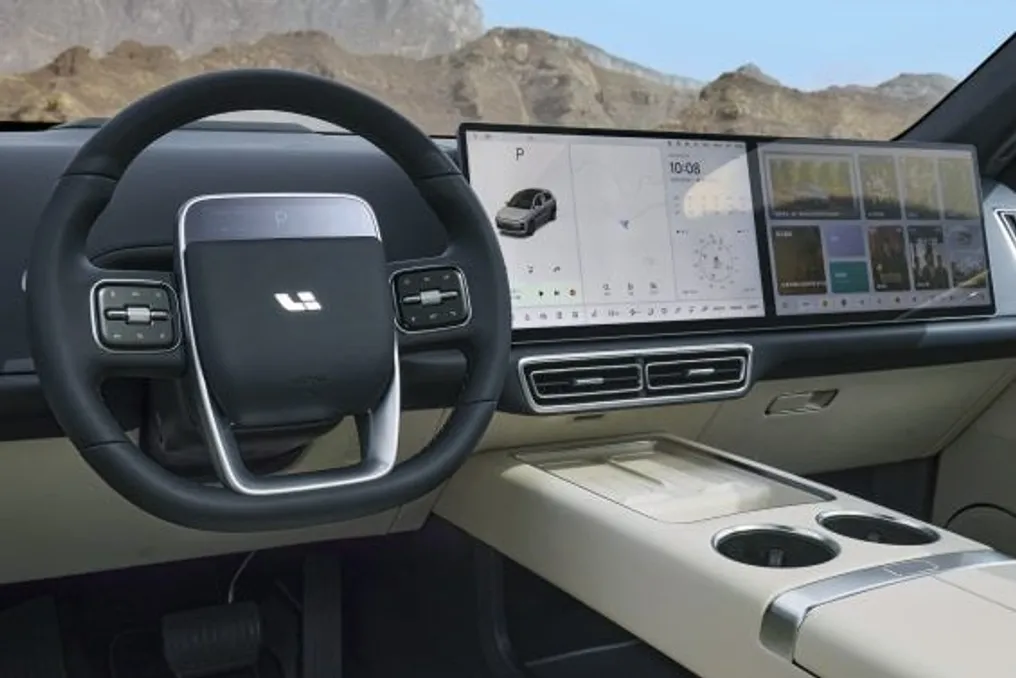
China has presented a list of ten technologies that are predicted to fundamentally change the automotive industry starting in 2027. These innovations include safer batteries, artificial intelligence that functions without internet connectivity, and motors integrated directly into the wheels. One of the listed technologies has a history spanning over 120 years.

This list was unveiled on Wednesday (the 28th) by Zheng Yali, Deputy Secretary-General of the China Society of Automotive Engineers (China-SAE), during the organization's annual conference held in Suzhou. According to Chinese media, artificial intelligence was used to compile the list by analyzing 120,000 scientific articles and 300,000 patents.

One key development is replacing liquid electrolyte in batteries with solid material. This significantly reduces the risk of fire and expands the operating temperature range. The planned cells are capable of storing 400 Wh/kg, whereas current models typically show figures between 180 and 300 Wh/kg. By 2027, these batteries are expected to enter pilot production, which is the stage between laboratory testing and mass production.

The practical consequence of this improvement is increased driving range per charge while maintaining battery weight. Manufacturers such as Changan and Chery claim the ability to travel up to 1,500 km with solid-state batteries.

Microcontrollers responsible for managing the braking system, motor, and other safety features must be mass-produced using the RISC-V architecture. This open architecture, developed at the University of California in the US, eliminates the need for companies like the British Arm to pay licensing fees.

Traditionally, acceleration, braking, steering, and suspension functions operate independently. However, integrated motion control unifies all these processes under a single control, which Chinese media compares to the function of a cerebellum. This enhances vehicle stability during sharp maneuvers, and this system is expected to become available not only in high-end but also in more budget-friendly models.

Thanks to V2G (vehicle-to-grid) technology, an electric vehicle parked can return energy to the power grid during peak load hours. The combined capacity of Chinese vehicles equipped with this feature could reach one million kilowatts—which is three-quarters the power output of the Angra 2 nuclear power plant.

In small scales, rear floors and trunk lids made from a single cast piece of magnesium will begin to be produced. Magnesium is a metal approximately one-third lighter than aluminum. These parts will become 20% lighter and provide greater torsional rigidity.

In the freight transport sector, systems are anticipated where one truck with a driver leads a convoy of following vehicles. It is projected that thousands of such systems will undergo trials in mines and ports. KargoBot, which originated from DiDi (owner of 99 in Brazil), already uses similar convoys to transport coal in Inner Mongolia.

An electric motor installed in each wheel eliminates the need for axles and transmissions, freeing up space and allowing individual control of each wheel. This concept is not new: Ferdinand Porsche presented a similar vehicle in Paris in 1900. Decades later, a comparable solution was used in NASA's Apollo 15, 16, and 17 lunar missions.

Mainstream Chinese vehicles will receive AI assistants based on 14 billion parameters—double the current models. These systems will operate directly on board the vehicle, ensuring functionality even without mobile signal or cloud data transmission.

Connected driving functionality exchanges information with both road infrastructure and cloud services; the vehicle knows the traffic light color and the situation in blind spots at intersections in advance. By 2027, this feature will begin to be supplied from the factory in limited batches.

Metal 3D printing allows for the creation of complex and lightweight parts without using traditional molds. This technology is already being used in the American hypercar Czinger 21C, where a significant portion of the chassis and suspension is manufactured using metal printing.
Similar stories

Five categories of vehicles in Brazil that will resist replacement by Chinese models
Read more
autopapo.com.br

Five categories of vehicles in Brazil that will resist replacement by Chinese models

The Brazilian automotive market has its own characteristics. Although Chinese electrified vehicles are gaining ground in more common segments, such as SUVs, hatchbacks, and sedans, there are still niches where established brands maintain dominance and models that lack direct competitors.

Some of these Brazilian segments are quite specific, depending on local projects, or are areas of less interest for Chinese manufacturers. Below, five types of cars that are unlikely to be overtaken in the country are detailed.

Minivans and tradition

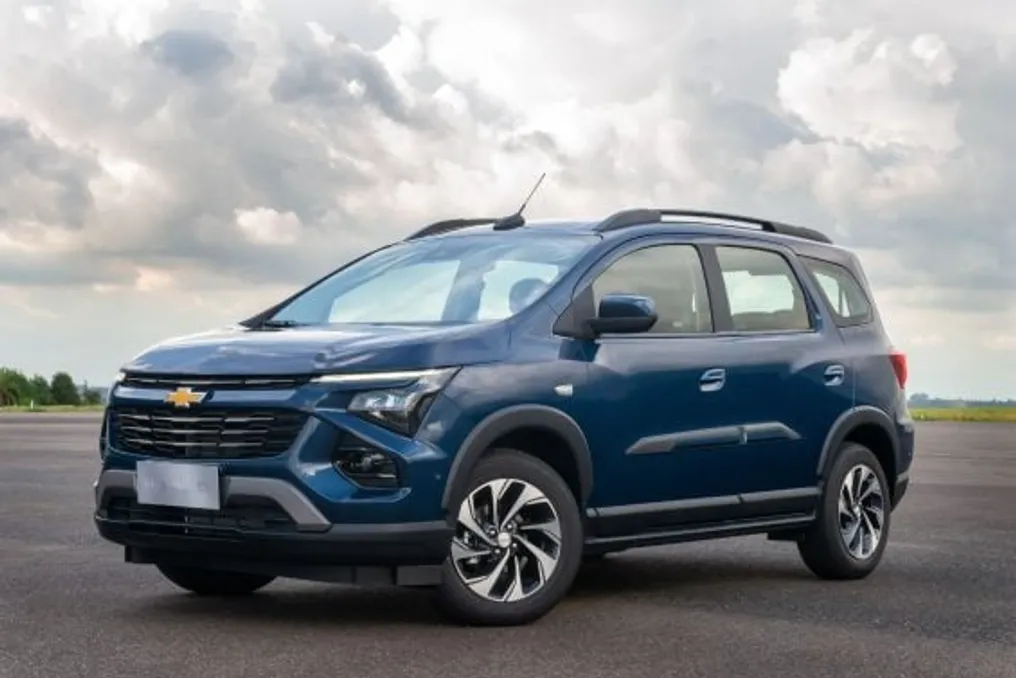
Chevrolet renewed its entire passenger car line using new platforms and three-cylinder engines. However, the Spin minivan remains a strong point from the previous generation, maintaining its Gamma II architecture and the 1.8 Family 1 engine.

Despite being an older model, the Spin received a major update in 2024, incorporating six airbags, active safety assistance systems, greater connectivity, and other modernizations. The automaker itself justified this maintenance with internal data, indicating that the minivan audience is the most loyal within the company.

This vehicle is popular among taxi drivers, large families, ride-share drivers, tourism professionals, bidding agencies, and corporate fleets. The Family 1 engine is known for its durability and low maintenance cost, having been present in the Brazilian market since the introduction of the Corsa in 1994.

Stellantis tried to compete with the Spin through the Citroën Aircross, which offers seven seats and comparable prices. However, the model's simplicity, the absence of a manual transmission, the use of a turbo engine, and the limited presence of the brand in the national territory were unfavorable factors.

Although there are compact and simple minivans manufactured by Chinese companies, such as the Wuling Hongguang (sold as Chevrolet in certain markets), this model is considered more basic than the Spin and is primarily focused on Asian markets.

Compact Pickups and the Italian legacy

The Fiat Strada has held the title of best-selling car in Brazil for several years. This segment of compact pickups was conceived in Brazil by the Italian manufacturer, with the launch of the 147 Pick-up in 1979.

The main challenge to Strada's leadership does not come from Chinese brands, but rather from the Volkswagen Tukan. The German automaker replicated crucial elements of Fiat's success, such as the rear suspension with semi-elliptic springs and the availability of a naturally aspirated engine as an entry option.

BYD is preparing the launch of the Mako, an intermediate pickup derived from an SUV, aiming to compete with the Fiat Toro. Furthermore, there is information that the Chinese company is developing a rival for the Strada, but in this entry-level segment, simple work-oriented models are still highly valued.

An electrified compact Chinese pickup would have a limited impact, affecting at most the Chevrolet Montana.

Compact SUVs and distinct proposals

Currently, there are options for compact Chinese SUVs available in Brazil, including the GAC GS3, Caoa Chery Tiggo 5X, BYD Atto 2, and GWM Ora 5. These models have generated significant competition for traditional brand vehicles in retail, betting on embedded technology to gain market share.

The Renault Duster also falls into the compact SUV category but operates with a different proposal. It resembles a classic utility vehicle, characterized by its high ground clearance, durable suspension, uncomplicated mechanics, and large trunk.

This configuration has made it one of the most popular vehicles used as police patrol cars in Brazil. Stellantis tries to capture part of this audience with the Citroën Aircross, but Chinese brands do not come close to developing an SUV as simple as the Duster.

Mid-size Pickups and American dominance

Chinese brands are entering the mid-size pickup market, with GWM, JAC, and Foton adopting the traditional approach by launching models equipped with diesel engines. However, there is an upper range explored exclusively by North American manufacturers: large trucks.

Specifically, we are talking about robust vehicles with diesel engines and a gross weight exceeding 3.5 tons. In Brazil, only Ram explores this category with its 2500 and 3500 models.

These pickups are highly appreciated by the agricultural sector and attract an audience divided between those seeking ostentation and real users who employ the Ram to tow trailers, often pulled by horses.

The largest Chinese trucks in the global scene are classified as mid-size; some are hybrid and exceed 400 hp, but none possess the operational capabilities of a Ram 3500.

Sports Cars and the preference for classic experiences

Although modest, Ford registered the sale of 858 Mustangs in Brazil in 2025. When the company announced the importation of 200 units with a manual transmission, they sold out quickly.

There is a dedicated public for sports cars in Brazil; the Mustang had notable sales through independent importers before Ford began official distribution. With the discontinuation of the Chevrolet Camaro production, the pony car's position has become even more favorable.

Consumers are aware that, for a much lower cost, there are Chinese electric cars with over 400 hp and impressive acceleration. However, those seeking a sports car value other aspects, such as excellent dynamic balance, engine sound, and the entire sensory experience provided by driving such a vehicle.

Current Chinese brands focus on producing generalist electric cars that are also extremely fast. Their sports models are supercars with over 1,000 hp and equally high prices. On the other hand, enthusiasts continue to prefer the Ford Mustang, the BMW M2, the Porsche 911, and other automobiles with traditional characteristics.

Toyota plans to produce electric Corolla in China starting in 2028
Read more
olhardigital.com.br

Toyota plans to produce electric Corolla in China starting in 2028

Toyota is preparing a significant shift for the Corolla, its best-selling model. The next generation of this vehicle will feature an all-electric version, with production scheduled to begin in China in 2028. It is important to note that the model will continue to offer hybrid and combustion engine options.

According to information released by Electrek on Monday (19), manufacturing will be conducted by FAW Toyota Motor, a joint venture between the Japanese automaker and the Chinese group FAW. This new generation is expected to be unveiled in 2027, launching as a 2028 model.

Since its initial launch in 1966, the Corolla has surpassed the mark of 57 million units sold globally. This new generation represents one of the most significant transformations in the history of the car, which has always been recognized as an affordable option for daily use.

The decision to start production in China is part of Toyota's strategy to optimize costs and accelerate both the development and manufacturing of electrified vehicles. The Chinese market has manufacturers that have rapidly advanced in areas such as battery technology, electrical systems, and digital features. Toyota, in turn, faces intense competition in the country, especially given the pressure on its traditional combustion and hybrid models.

The company has restructured its local operations with the aim of simplifying production and expanding the offering of more advanced technologies. This strategy covers its two joint ventures in China: FAW Toyota and GAC Toyota. Furthermore, Toyota also plans to manufacture longer-range electric vehicles for the luxury brand Lexus in China, starting in 2027.

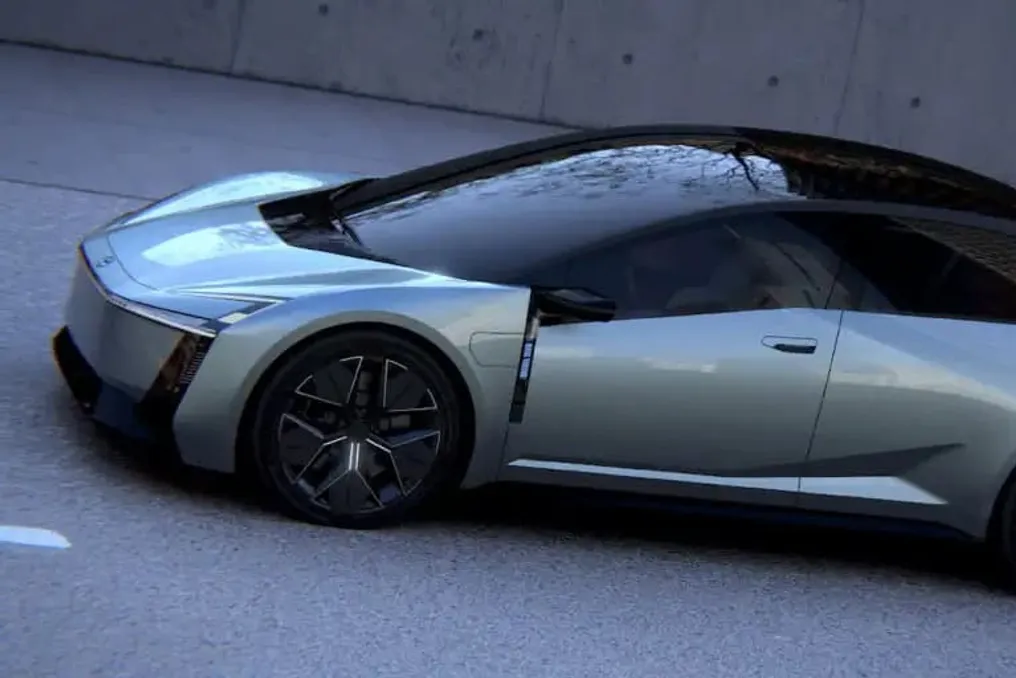
There is still no clarity on whether the all-electric Corolla will be marketed in the United States, and Toyota has not confirmed all the markets that will receive this new version. The forecast is that the new generation will incorporate elements from the concept presented by the brand at the Japan Mobility Show, held in 2025. The prototype attracted attention due to its sportier design, characterized by angular lines and a silhouette distinct from the conventional sedan appearance.

In addition to the electric variant, the new Corolla family will include hybrid, plug-in hybrid, and combustion configurations. Sales prices have not yet been officially disclosed. The expectation remains that the new generation will be presented in 2027, with the introduction of the 2028 line. Until then, Toyota should provide more details on range, performance, equipment, and commercial availability.

China considers introducing export restrictions on AI, biomedicine, and solar energy technologies
Read more
cgtn.com

China considers introducing export restrictions on AI, biomedicine, and solar energy technologies

Chinese authorities began public discussions on Friday regarding a revised list of export controls, planning to include artificial intelligence (AI) technologies, biomedicine, and photovoltaic technologies.

The Ministry of Commerce and the Ministry of Science and Technology propose changes that cover 40 different technologies across three sectors, according to a notice from the Ministry of Commerce. Furthermore, the ministry announced that exporters will be required to register these technologies before shipment.

The period for public consultation is set from October 16 to November 15, 2026. More detailed information is available on the Ministry of Commerce website.

Popular