Despite several years having passed since the COVID-19 pandemic, the question often arises whether a sudden illness or heart attack in a young person is a consequence of coronavirus. At the Health Wealth Summit forum, specialists held an open discussion on this serious topic.
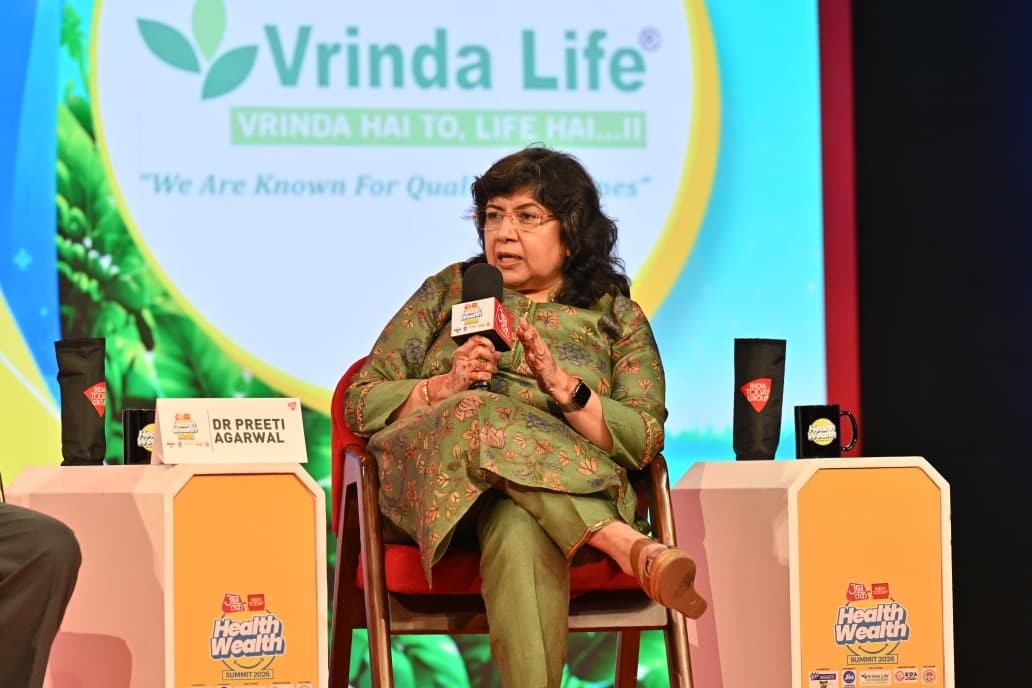
Leading doctors from the country participated in the session: Senior Cardiologist Dr. Padmashri D.S. Gambhir, Dr. Manoj Kumar, Dr. Sanjay Sachdeva, and Gynecologist Dr. Priti Agrawal. They thoroughly discussed the true causes of the increase in heart disease among youth, stress, and fertility problems in women.
Dr. Padmashri D.S. Gambhir emphasized that while the COVID-19 pandemic had a negative impact on the blood clotting system and organs, contributing to the rise in heart disease cases, it is incorrect to blame the coronavirus exclusively. He presented statistics showing that less than half of young patients with a heart attack had ever had COVID-19, whereas over 70% of such patients had never encountered the infection. This indicates that lifestyle changes and other medical factors play an equally significant role.
Dr. Manoj Kumar reported that a study conducted in the UK showed an increased risk of heart attack in people who recovered from COVID-19 because the virus affects the inner lining of blood vessels. However, besides this, other significant 'unconventional risk factors' are rapidly emerging. One of these is a sedentary lifestyle: the risk of a heart attack doubles for people who spend more than ten hours a day sitting. Dr. Sanjay Sachdeva added that factors such as high blood pressure, diabetes, smoking, and obesity are causing problems in young people at a very early age. Furthermore, weakened immunity and nasal and sinus hygiene issues make the body more susceptible to other infections.
Dr. Gambhir explained that mental stress and our work style directly determine health status. He highlighted 'Type A Personality'—people who constantly experience anxiety, participate in competitive races, and take everything to heart; these individuals are at the highest risk of heart attack. Conversely, people with 'Type B Personality,' who remain calm about work and leave office worries at home, remain safer. Doctors advise developing a 'Developed India,' but without immersing oneself in the 'stress furnace' or bringing office stress home.
Discussing reproductive health, Dr. Priti Agrawal noted that during COVID-19, many couples postponed family planning. Naturally, the quality and quantity of eggs in women decrease with age. Women who decided to conceive after the age of 30–35 faced difficulties. Additionally, the growing prevalence of smoking, alcohol consumption, and excessive stress among modern youth negatively affects their reproductive health. Therefore, instead of blaming only COVID-19, it is much more important to seek medical consultation in a timely manner.
The general message from the experts was that changing lifestyles, fast food, lack of physical exercise, and excessive psychological stress have become the main enemies of health. If diet and daily routine are adjusted in time, the probability of developing heart disease and other serious problems can be significantly reduced.