Inscription found on bone urn from Sasanian era near Naqsh-e Rustam
Read more
Tehran Times
www.tehrantimes.com

Inscription found on bone urn from Sasanian era near Naqsh-e Rustam

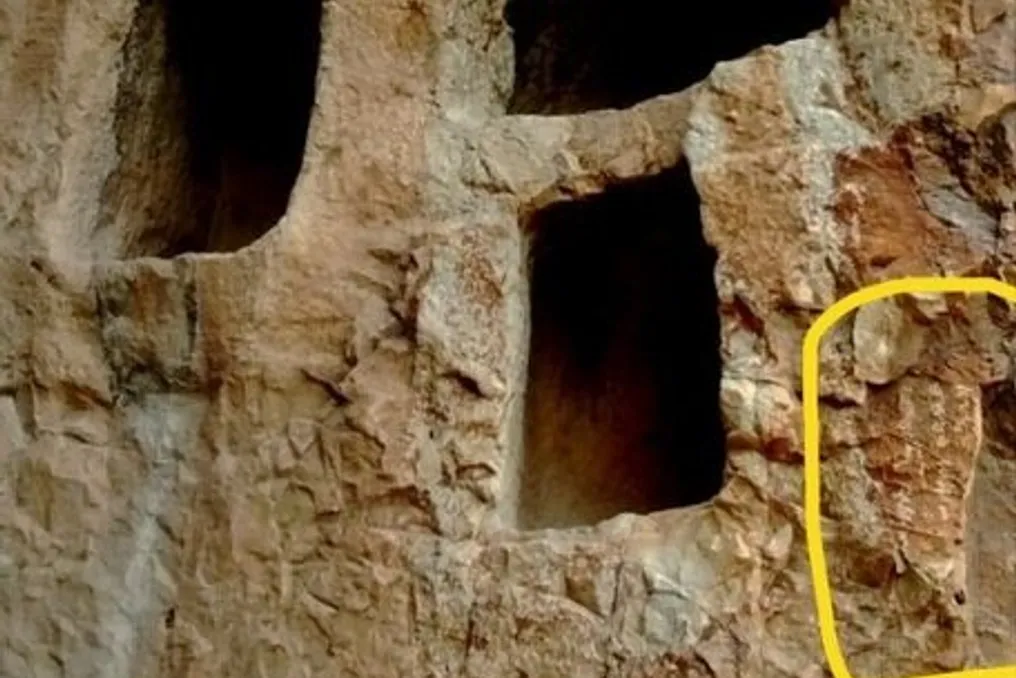
During recent archaeological excavations in Fars province, southern Iran, a new inscription dating back to the Sasanian era was discovered near Naqsh-e Rustam. This finding marks the fifth inscription related to bone urns documented in recent studies of the area.

Archaeologist and historian Abolhassan Atabaki announced this discovery. He reported that the three-line inscription dates to the late Sasanian period (224–651 AD) and was found in an area known as Darre-ye Barre'i, also called Shahzadeh Esmail Rock, approximately 500 meters north of Naqsh-e Rustam, according to the Jamaran agency on Thursday.

According to Atabaki, this inscription is one of five bone inscriptions identified during recent surveys around the ancient archaeological complex. Two of these five inscriptions were found specifically in the Darre-ye Barre'i area.

In turn, historian and researcher Najmeh Ebrahimi noted that six inscriptions from the Pahlavi period related to bone urns had previously been identified and documented at this site. Photographic records of some of these inscriptions are held in the archives of the Smithsonian Institution, including photos taken by German archaeologist Ernst Herzfeld, who documented archaeological remains in the area.

Ebrahimi added that despite some of the previously recorded inscriptions being studied in earlier works, damage to the stones and erosion of the inscriptions have complicated the decipherment of parts of the texts. She also specified that recent surveys allowed for the discovery of two more inscriptions in this area, both of which sustained significant damage. The inscription reported in the latest discovery is one of the recently documented examples.

Naqsh-e Rustam, located near Persepolis in Fars province, is one of Iran's most significant archaeological sites, preserving monuments from various periods of ancient Iranian history.
Similar stories

Two ancient hominin clavicles found in Swartkrans suggest arboreal lifestyle
Read more
nplus1.ru

Two ancient hominin clavicles found in Swartkrans suggest arboreal lifestyle

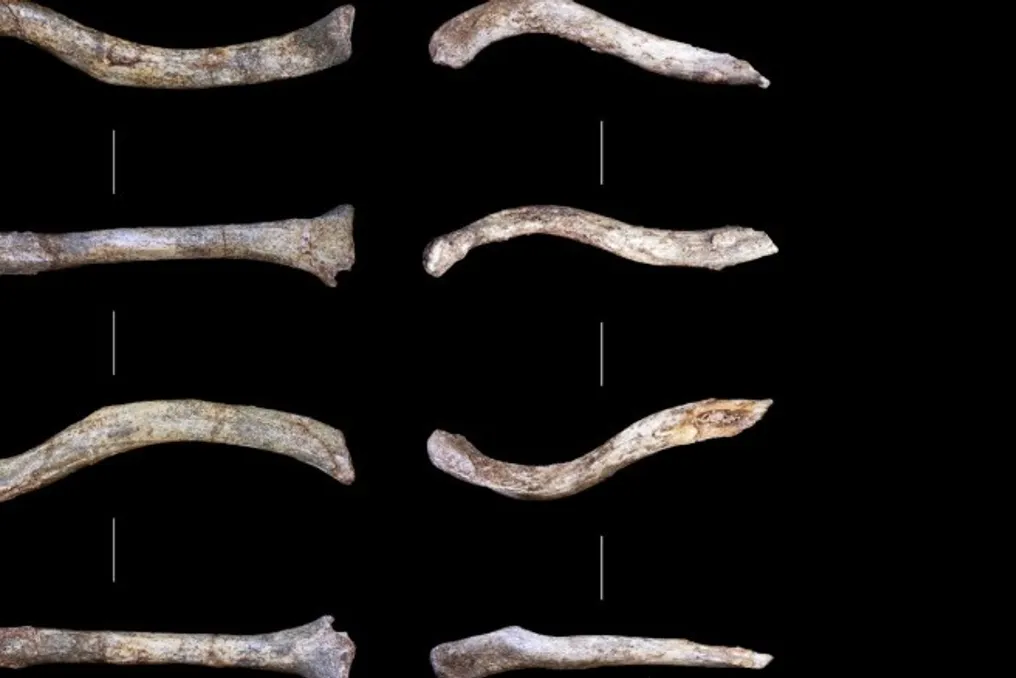
Paleoanthropologists have presented a description of two clavicles found in breccia from the Swartkrans site. These finds suggest that the individuals to whom the bones belonged may have spent significant time climbing trees.

The remains were discovered near previously found femur and tibia bones of a very low paranthropus, estimated to be approximately 2.3–1.7 million years old. However, researchers have not yet been able to classify these fossils by specific species or even genus.

The research results were published in the scientific journal American Journal of Biological Anthropology.

Discovery of Bronze Helmet at Lysa-Gura Monument Indicates Settlement Contact with Celts
Read more
nplus1.ru

Discovery of Bronze Helmet at Lysa-Gura Monument Indicates Settlement Contact with Celts

Archaeologists presented the results of work conducted at the Lysa-Gura archaeological site, located in northeastern modern Poland. During excavations at this fortified settlement, which was founded around the middle of the first millennium BCE, various items were found.

Among the discovered artifacts were objects whose origin is linked to territories inhabited by Celtic tribes. Of particular significance is the finding of remains of a bronze helmet from the La Tène culture, suggesting that representatives of this culture may have been present directly at this settlement.

Information about these discoveries was published in the scientific journal Antiquity.

Mural showcasing the ornaments and traditions of Uzbekistan's pottery schools opened in Tashkent
Read more
podrobno.uz

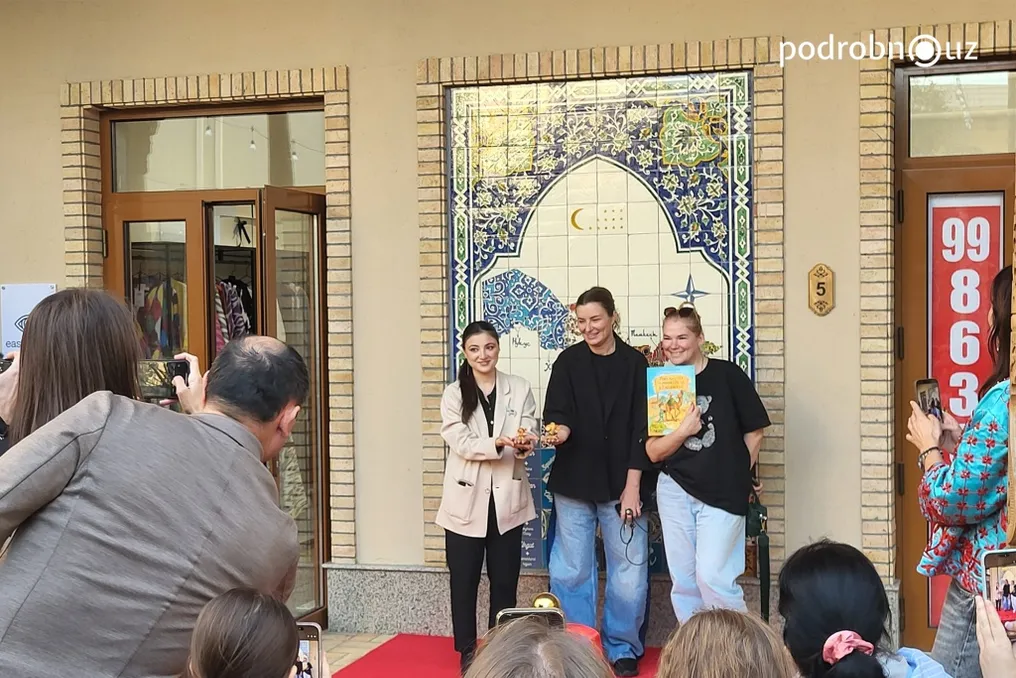
Mural showcasing the ornaments and traditions of Uzbekistan's pottery schools opened in Tashkent

The mural titled 'Uzbekistan and the Symbols of the Silk Road and Pottery Schools' was unveiled in the city of Tashkent. This work combines various ornaments from different regions of the country, as well as images related to the history of national ceramics.

The painting was placed opposite the Center for Islamic Civilization. The author of this piece is master Diyor Nazirov, who gathered artistic motifs and ornaments characteristic of many local pottery schools in the mural.

The opening ceremony included a lecture-tour led by art historian Takhmina Mahmudova. She explained that in Uzbek applied arts, ornaments are not merely decorative but also carry deep meaning. For instance, pitchers and amphorae symbolize fertility, prosperity, and water as a vital resource, while the pomegranate is often associated with abundance, although in some interpretations it may signify temptation or trial. Almond is also a common element in national ornamentation.

The mural includes not only historical and artistic elements; it depicts characters from the story of the mouse Nedo and Etya Opy, taken from the works of Kristina Kretova and Zilola Khamidova.

Discussion on the preservation of regional pottery schools

A separate topic of the meeting concerned the history of regional pottery schools. Participants discussed how this craft managed to survive in places such as Shahrisabz, Gizhduvan, Rishtan, and Fergana, despite changes in lifestyle and production processes. One reason was the remote location of these centers relative to large urban settlements. During the era of industrialization, factory production increased competition for local artisans' products, but in less developed and remote settlements, traditional production proved less vulnerable to this pressure.

Historical factors, such as the region's position at the crossroads of the Great Silk Road, the settled lifestyle of the population, and the military campaigns of Amir Timur, also influenced the development of pottery schools. Diyor Nazirov managed to bring together symbols and ornaments belonging to different eras and local characteristics in his mural, thus turning the wall into a kind of visual chronicle of Uzbek ceramics.

It is worth noting that a mural dedicated to space was previously installed in Tashkent. According to information from the Uzcosmos agency, this painting reflects humanity's interest in the Universe and everything beyond Earth.

Popular