Scientists raise new hope in Parkinson's treatment by creating dopamine cells in the brain from stem cells
Read more
Aaj Tak
www.aajtak.in

Scientists raise new hope in Parkinson's treatment by creating dopamine cells in the brain from stem cells

Parkinson's is a serious disease whose symptoms include tremors in hands and feet, difficulty walking, and impaired body balance. Currently, there is no permanent cure for this disease, and only the symptoms are managed. However, a new technique adopted by scientists has revived the possibilities of treating this disease, and initial tests have been successful. This technique is called iPS stem cells. The results of these tests have been published in the prestigious medical journal Nature.

In Parkinson's, the dopamine-producing brain cells gradually begin to degenerate. Scientists in Japan have worked to compensate for this deficiency. For the first time, cells derived from laboratory-grown stem cells have been transplanted into a patient's brain. The goal of this method is to regenerate dopamine-producing cells in the brain.

The Japanese pharmaceutical company Sumitomo Pharma reported this progress. According to the company, the first transplant was performed at Kyoto University Hospital in October. According to Japanese media reports, this transplant was done on a woman over fifty years old, who returned to work after being discharged from the hospital. However, it would be premature to conclude how long this treatment will remain effective.

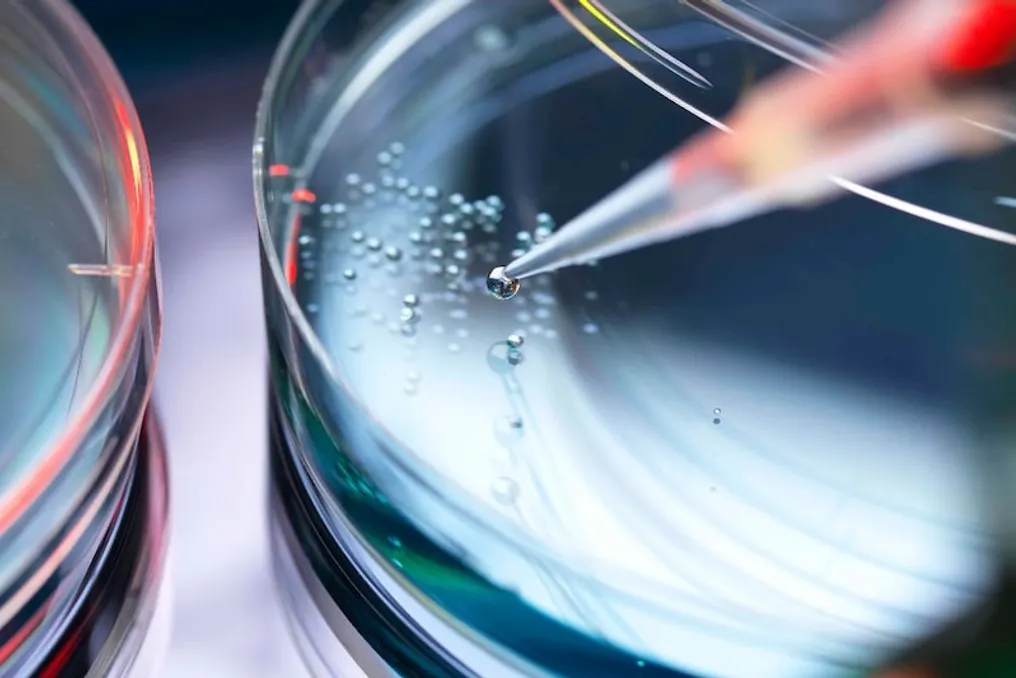
This treatment uses induced pluripotent stem cells, known as iPS cells. These are cells that are prepared by reverting normal or previously developed cells of the body back to their original state. Subsequently, they are converted into specific types of cells in the laboratory. Using this technique, scientists have prepared progenitor cells, which are early forms of dopamine-producing cells from healthy donor iPS cells. These cells are transplanted into a specific area of the patient's brain so that they can function in the future.

The initial clinical trial of this technique was conducted on seven patients at Kyoto University Hospital, aged between 50 and 69 years. Cells were transplanted into both hemispheres of the patients' brains. According to the trial results published in the medical journal Nature, the effect of the treatment could be evaluated in six patients. Four of these patients showed improvement in symptoms, while five patients registered an improvement even in the condition after taking medication. However, some minor side effects also appeared.

This research is still in the clinical trial phase and has not been implemented on a large scale. Therefore, it would be too soon to say whether it will completely cure the disease or halt its progression. Scientists also believe that further investigation is required. Japan has also approved this therapy with conditions and timelines, meaning that the treatment can begin to be used, but further investigation into its safety and efficacy is necessary. The company plans to perform transplants on 20 to 30 patients by March 2029.

Similar stories

First patient undergoes innovative stem cell treatment for Parkinson's disease in Japan
Read more
iol.co.za

First patient undergoes innovative stem cell treatment for Parkinson's disease in Japan

A Japanese pharmaceutical company announced on Friday that the first patient underwent an innovative stem cell therapy for Parkinson's disease, marking a global debut following conditional approval in the country.

The treatment, developed by Sumitomo Pharma, involves implanting millions of induced pluripotent stem cells (iPS) into the patient's brain. These cells have the potential to differentiate into any type of body cell.

Japanese regulators approved this breakthrough method in March after successful completion of clinical trials. The company stated in a press release on Friday regarding its earnings that the first transplant was performed at Kyoto University Hospital in October, but provided no further details.

Parkinson's disease is a chronic, degenerative neurological disorder that affects the body's motor system, often causing tremors and other movement problems. According to the Parkinson's Foundation, over 10 million people worldwide suffer from this condition.

Currently available therapies only improve symptoms but do not slow down or stop the progression of the disease. iPS cells are created by stimulating mature, already specialized cells to revert to a juvenile state.

As part of the therapy, Sumitomo Pharma converts iPS cells from healthy donors into precursors of dopamine-producing brain cells, which are lacking in people with Parkinson's disease. During the clinical trial, seven patients aged 50 to 69 received implants containing five or ten million cells in both hemispheres of the brain. They were monitored for two years, and no serious adverse effects were found; four patients showed symptom improvement.

Sumitomo Pharma announced on Friday plans to conduct transplants for 20–30 patients by March 2029. Furthermore, the company is conducting clinical trials in the United States. According to local media, full approval of the treatment in Japan will be granted if its safety and efficacy are confirmed over the next seven years.

The announcement made on Friday followed approximately one month after a hospital in Osaka performed the world's first operation using iPS heart muscle sheets, which can promote the formation of new blood vessels and restore heart function. Japan also granted conditional approval for this therapy in March.

NMC Royal Hospital Sharjah Implements Advanced Parkinson's Disease Treatment
Read more
www.khaleejtimes.com

NMC Royal Hospital Sharjah Implements Advanced Parkinson's Disease Treatment

NMC Royal Hospital Sharjah has introduced VYALEV®, a new advanced treatment option for individuals suffering from Parkinson's disease. This development marks a significant step in expanding specialized neurological care in Sharjah and the Northern Emirates.

Recently, this treatment was administered to a 58-year-old patient under the supervision of Dr. Ahmed Abida, a consultant neurologist at NMC Royal Hospital Sharjah. It helped manage symptoms that were becoming difficult to control despite taking multiple medications.

Parkinson's disease is a condition affecting the brain and nervous system that becomes increasingly difficult to manage over time. While many patients benefit from pills and other medications, some experience periods when the medication ceases to be effective between doses. This can lead to issues such as movement difficulties, muscle stiffness, walking problems, and reduced independence in daily life.

The patient treated at NMC Royal Hospital Sharjah had lived with Parkinson's disease for many years and had tried various drugs. Nevertheless, he continued to experience significant symptom fluctuations, which negatively affected his mobility and quality of life. A few days before hospitalization, he struggled with fatigue, pain, and walking problems related to muscle stiffness.

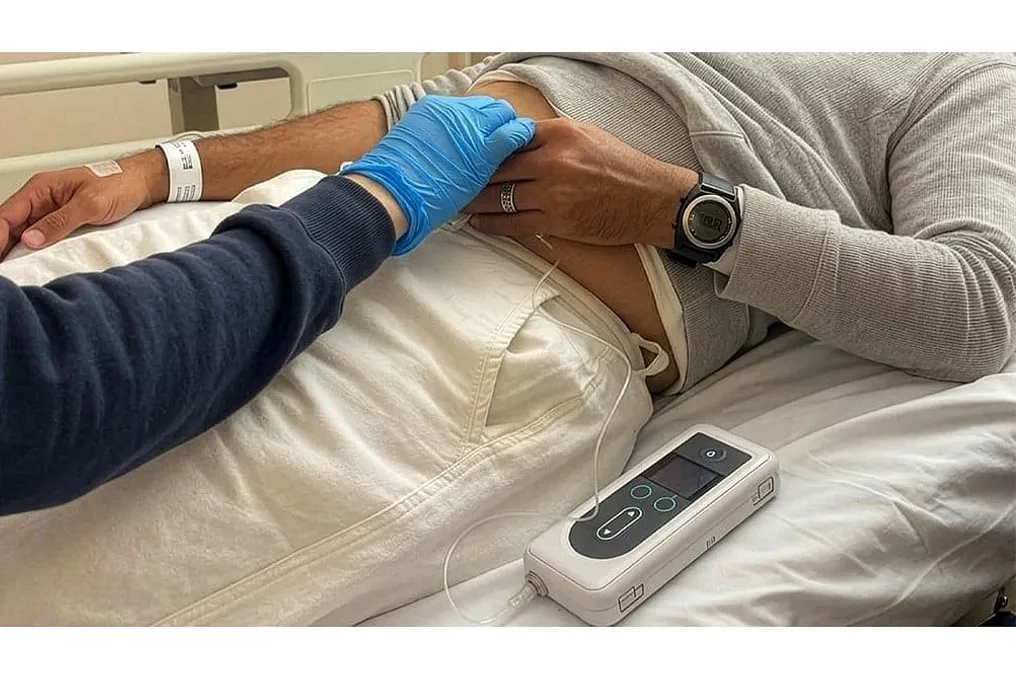
To ensure more stable symptom control, Dr. Abida recommended VYALEV®. This system delivers Parkinson's disease medication continuously via a small wearable pump. Unlike pills taken at different times throughout the day, this system provides a constant supply of the drug over 24 hours.

The patient spent three days in the hospital while the treatment was carefully tailored to his needs. During this time, the care team monitored his progress and provided training and support to both the patient and his family so they could confidently manage the treatment at home.

After completing the therapy, the patient noted improved symptom control, increased mobility, and reduced discomfort from stiffness. Furthermore, the therapy decreased the need for multiple daily doses of medication.

Charlotte Riondet, Senior Vice President of Operations at NMC Healthcare, commented on this achievement, stating: 'At NMC Royal Hospital Sharjah, we strive to make advanced healthcare more accessible to patients closer to home. The introduction of VYALEV® strengthens the specialized services available to people with neurological conditions and reflects our continuous investment in expert care, innovative treatments, and support for patients and their families.'

Dr. Rashid Shahbazi, Regional Medical Director for the Northern Emirates at NMC Healthcare, added: 'For people living with advanced Parkinson's disease, daily activities can become increasingly challenging when symptoms are no longer controlled by standard treatments. The introduction of this therapy expands opportunities for patients in the region and ensures they can receive specialized care from experienced multidisciplinary teams closer to their residences.'

For Dr. Abida, the successful treatment represents another important step in supporting individuals with severe Parkinson's disease. He noted: 'One of the biggest challenges for patients with advanced Parkinson's disease is the return of symptoms between medication doses. Continuous drug delivery can help ensure more stable symptom control for carefully selected patients. Our goal was to help this patient move more comfortably, maintain greater independence, and improve his overall quality of life. The hospital stay also allowed us to ensure that both the patient and his family felt comfortable and confident using the system before returning home.'

The implementation of VYALEV® at NMC Royal Hospital Sharjah underscores the importance of specialized care for Parkinson's disease and personalized treatment plans. Although this therapy is not suitable for everyone, it offers an additional treatment option for some patients whose symptoms are not adequately controlled by traditional methods.

Study shows psilocybin reduces inflammation and mitochondrial stress markers in Parkinson's disease patients
Read more
nplus1.ru

Study shows psilocybin reduces inflammation and mitochondrial stress markers in Parkinson's disease patients

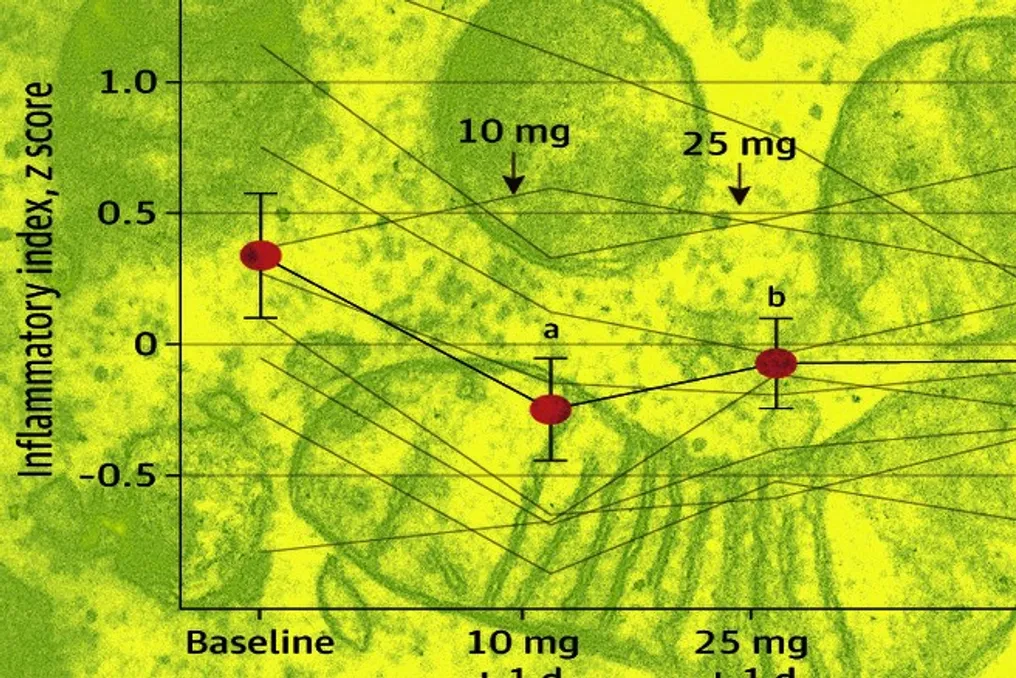
American scientists have completed clinical trials and found that the use of psilocybin leads to a noticeable reduction in inflammation and mitochondrial stress indicators in people suffering from Parkinson's disease. The results of these studies were officially published in the scientific journal JAMA Psychiatry.

Popular