When the Covid-19 pandemic halted life in 2020, brothers Futhi and Dumisani Maake found a way to remain productive at home. They converted unused yard space into a small vegetable garden where they grew spinach, tomatoes, peppers, and potatoes.
This experience gave the brothers their first insight into farming as a business, which later led them to poultry farming. Today, they are developing their poultry business while Futhi balances agriculture with his university studies.
Both brothers were born in Mankweng, Limpopo. Later, Futhi moved to Gauteng and then returned home to Limpopo in 2016 when he was in sixth grade. Life in Mankweng introduced him to a rural lifestyle, including growing fruits and vegetables, using medicinal plants, interacting with animals, and observing seasonal environmental changes.
This environment strengthened his love for nature and influenced his decision to study environmental sciences. He began his studies at the University of Limpopo in 2023 and is currently in his final year. After the quarantine ended, Dumisani returned to Johannesburg to study Food Science, while Futhi remained in Mankweng. It was then that he started considering diversification into poultry farming.
Futhi reported that his family approved the idea and helped cover the initial startup costs. The brothers founded Maake Poultry in 2024, although their first step in agriculture was related to crop cultivation. Their vision grew from growing crops to addressing food security, especially among university students.
“As a student myself, I know what many of them go through, and farming seemed like the best way to meet their needs,” shares Futhi. Their main market is eggs, which they sell primarily on campus. Additionally, during the holiday season when meat demand increases, they keep broilers in their backyard.
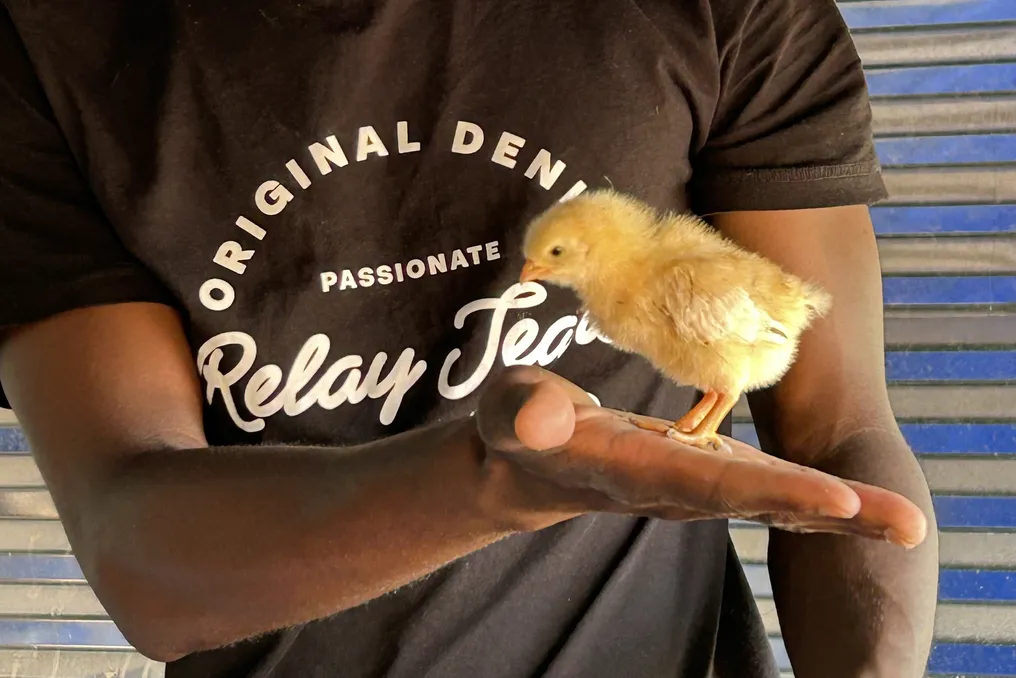
With family support, they spent about 40,000 Rand to launch the poultry farm, covering the construction of coops, the purchase of equipment, and the buying of the first 200 layers.
Futhi notes that the business is growing steadily, and their next goal is to acquire at least 20 hectares of land to expand operations. Despite the growth, they have not yet recouped the initial capital invested in starting the business. He believes that most novice poultry farmers reach their peak at this stage because further growth is extremely difficult.
The brothers chose layers due to the year-round demand for eggs, especially among students. Futhi explains that broilers require more marketing and need a processing chain if they plan to produce and package chicken meat throughout the year.
The delivery model is also adapted to Futhi's university schedule: he travels to campus for lectures and can deliver eggs to students afterward without making an extra trip. His knowledge of ecology helped him understand the environmental aspect of farming, including manure and waste management. He believes this knowledge will be useful during expansion, as environmental assessments are required before building a large farm.
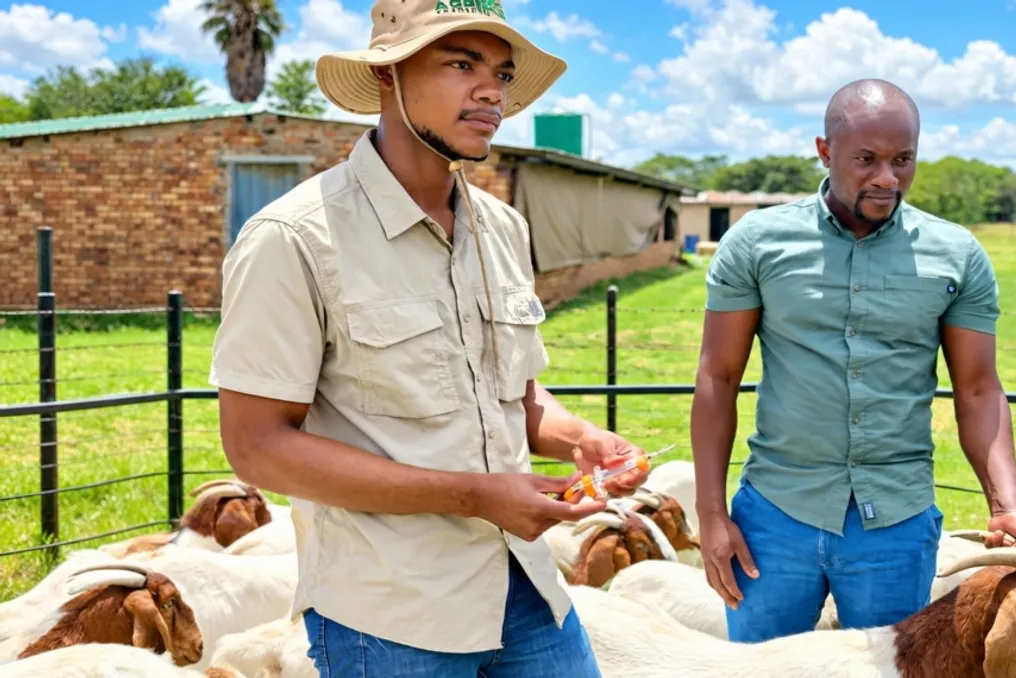
Futhi admits that although the business has grown, it has also faced several difficulties, including accessing scheduled vaccines for the layers. At one point, they had to travel to Polokwane to find a 50ml vaccine, which proved exhausting and expensive. Another problem was mortality due to lack of experience: they lost about 40% of one batch by the end of the cycle.
He adds that the lack of mentorship led to the death of many birds, negatively affecting the number of eggs they could produce weekly. Futhi emphasizes that although Dumisani works as a food scientist in Johannesburg, he continues to financially support the business and helps when he is home during holidays.
Futhi says he loves farming because it gives him a sense of financial independence and the ability to be his own boss, not dependent on a 9-to-5 job. He explains that balancing studies and business is not easy because he experiences academic stress and sometimes feels lonely. What he likes most about the business is facing such pressure at a young age; he believes this experience will prepare him for life after university and help him become a better person and a qualified CEO.