Generation Z practices digital detox to reduce social media dependence
Read more
Aaj Tak
www.aajtak.in

Generation Z practices digital detox to reduce social media dependence

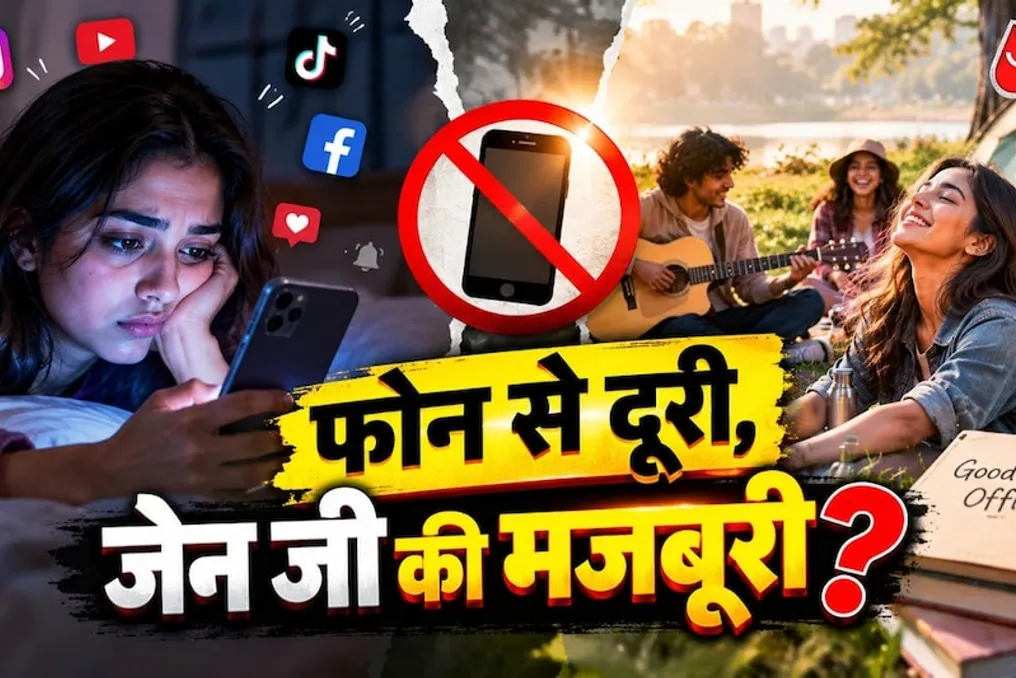
Modern Generation Z spends a significant amount of time on phones and social media, often without realizing how time passes from morning until late evening. The phone has become an integral part of this group's daily life. However, some members of Generation Z are trying to change this habit by distancing themselves from social networks and reducing the frequency of checking their phones, as they are tired of using applications for many hours.

This process is called digital detox. Digital detox implies a temporary break or reduction in the use of phones and social media. The goal here is not a complete abandonment of phone use, but rather minimizing the time spent on it and preventing mindless constant checking.

According to a Guardian report from October 27, 2026, 19-year-old Nelisa Mokaunzi used the Opal app to reduce screen time. This application blocks Instagram and other distracting apps, requiring the user to solve mathematical problems to regain access to them.

Furthermore, some young people are opting out of smartphones in favor of simpler phones that lack social media and other frequently used applications. The report mentions 23-year-old Kendall Shaw, who started using such 'light' phones that only provide essential functions like calls and messages.

Another example is 19-year-old Shreya Nallamotu, who developed a device called Brick. This device allows users to block selected applications on their phone using just eight dollars worth of NFC tags.

Some young people now prefer meeting friends in person instead of spending hours on social media. Applications like People Enjoy (P.I.E.) inform about upcoming concerts, events, and other local happenings. According to the report, the number of users of this application grew from 120 thousand in July to 300 thousand in August.

26-year-old Han Choi decided to delete his social media applications to dedicate more time to training and socializing with friends. This demonstrates Generation Z's desire not to spend all their time on screens; they want to use technology while controlling how much time they spend on their phones.
Similar stories

Generation Z uses a second social media account for more personal communication
Read more
www.aajtak.in

Generation Z uses a second social media account for more personal communication

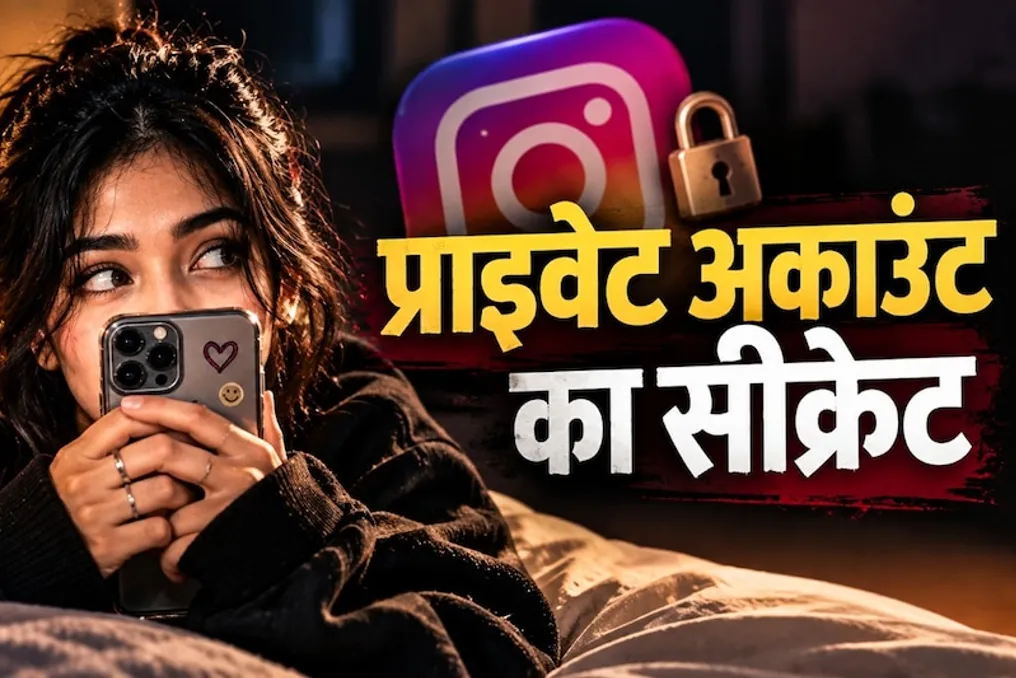
In the world of social media, Generation Z is no longer limited to a single Instagram account. Many members of this generation create an additional account accessible only to selected people. This second profile is often called a Finsta, which is a combination of the English words 'fake' and 'Instagram'. However, this does not always mean using a fake identity; often, it is simply another account belonging to the same person where they can be more open with their close friends.

Previously, Instagram users preferred to share beautiful photos, vacation spots, and special moments from their lives on their main feed. But the pressure associated with needing to make every post perfect can worry some members of Generation Z. In such cases, the second account becomes a space where they do not have to think too much about the aesthetics of each photo or the post itself.

The main account may have relatives, college acquaintances, colleagues, and other people they know subscribed to it. In this situation, it is uncomfortable to share all types of content with everyone. The second account allows them to send photos, funny memes, videos, and stories about daily life only to their close friends.

When posting content on the main account, people often think about how the photos look, how many likes they will get, and what others will think. In contrast, on the private account, they can share small moments of their life without excessive creative effort or changes. Here, the goal is not to attract a large number of followers, but to maintain a connection with their closest friends.

An important aspect of the second account is the ability to control one's online life. Generation Z can decide who sees their posts. It is not necessary to show their personal moments to every friend, relative, or colleague. Nevertheless, having a private account does not guarantee complete security, as viewers may pass on their photos or messages to other people.

For Generation Z, a second Instagram account is not just a way to use social media discreetly. For many, it is a method of separating different aspects of their life, a way to communicate freely with close friends, and a way to avoid the constant pressure of having to look flawless.

Psychologist explains why Generation Z differs from previous generations regarding work and mental health
Read more
www.aajtak.in

Psychologist explains why Generation Z differs from previous generations regarding work and mental health

The question arises whether members of Generation Z work under pressure similar to previous generations and whether they should adopt the same model of self-sacrifice in work culture. Although the older generation considers Generation Z frivolous, relaxed, or lazy, one psychologist has expressed an opinion on this topic that significantly differs from common views. He also shared his reaction regarding the mental health of Generation Z.

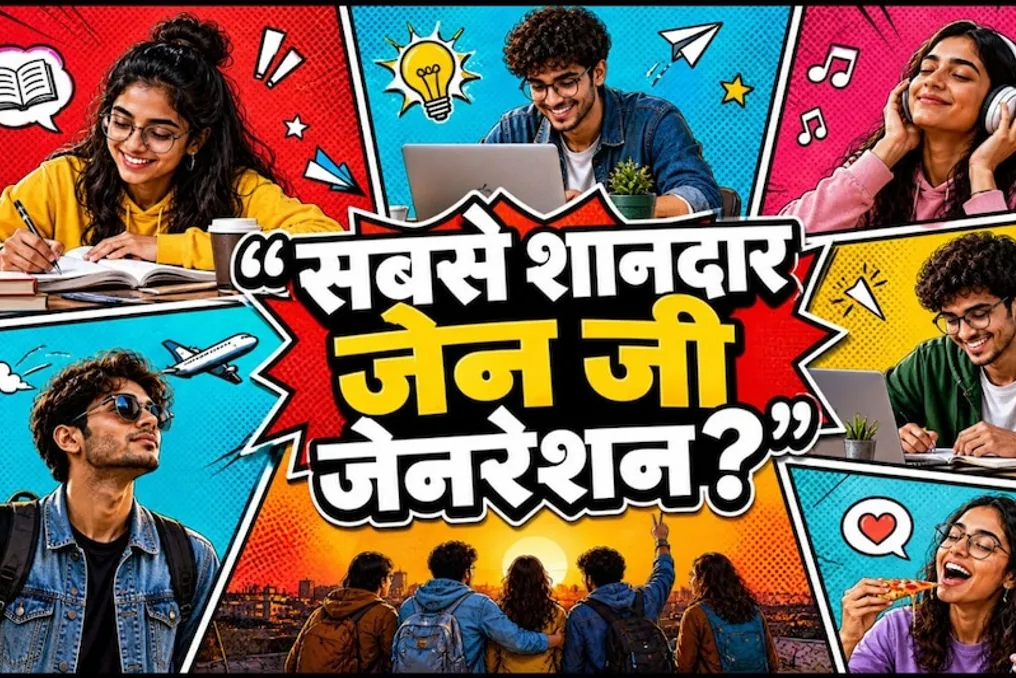
Psychologist Anas Khan stated in an Instagram post that Generation Z is one of the greatest generations. He explained his conclusions by saying that previous generations were forced to pay attention to all aspects of life and demonstrate that they cared about ongoing events just to survive in society.

Anas argues that Generation Z became the first generation to mass reject the concept of fake professionalism, feigned cheerfulness, and a mentality leading to self-destruction, especially concerning jobs and companies that might fire someone within a week.

In the opinion of psychologist Anas Khan, Generation Z uses mental health awareness not as an excuse, but as a way to establish its own boundaries. This cohort saw their parents working and getting tired for years while waiting for retirement, so Generation Z decided to do things differently. To consider them lazy or weak at work means not understanding their mindset. Generation Z is not lazy; it knows how to work more efficiently.

The question arises: why should anyone work 60 hours a week if half of the work can be automated? Why can't the remaining time be used for living? Previous generations considered this fulfilling duties or necessary work for advancement. However, Generation Z does not hesitate to call this exploitation.

According to Anas Khan, the most outstanding feature of Generation Z is the understanding that enduring suffering is not a virtue. It is not necessary to constantly experience pain and stress. A person must have the ability to choose how they want to live. For this reason, Anas Khan believes that Generation Z will turn out to be a magnificent generation capable of rewriting all the rules concerning both work and life itself.

Gen Z employee shares on Reddit difficulties communicating with older colleagues in the office
Read more
www.aajtak.in

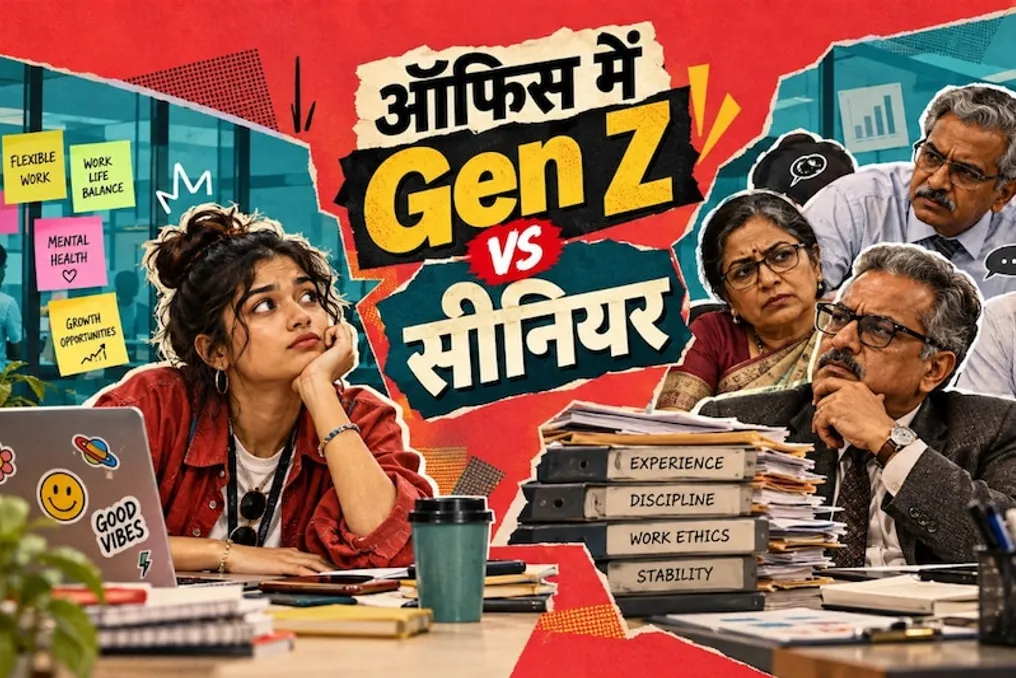
Gen Z employee shares on Reddit difficulties communicating with older colleagues in the office

Working in a team composed of people of different ages can sometimes involve difficulties, especially when colleagues are significantly older. Differences in work approach, communication style, and ways of reacting to minor issues can create intergenerational gaps.

One Gen Z user, aged 25, shared her experience on the Reddit platform. She noted that most of her colleagues in the office are over 45, and she is about 10-15 years younger than them. Despite two years of work, she finds it difficult to connect and understand the worldview of her older colleagues.

The user fears that some of her everyday habits might seem impolite or unprofessional to older colleagues. In her opinion, what she considers normal, older individuals might perceive as rudeness or inattentiveness to others.

Giving an example, the user recounted hearing some people consider the phrase 'No problem' rude instead of 'You are welcome.' She believes that even such minor responses demonstrate differences in communication approaches between different generations. Furthermore, she sometimes feels there is a certain stereotype regarding Gen Z representatives. Nevertheless, she is sure she is not intentionally behaving offensively.

In her post, the woman called for an exchange of experiences with older women to find out if some young employees' habits truly cause discomfort. This experience shows that behind every misunderstanding in the workplace is not necessarily malicious intent. Often, the discrepancy arises from differences in communication norms, views on work, and expectations across different generations. In such cases, it is important to try to understand the thought behind the habit rather than immediately assuming it is rudeness.

Popular