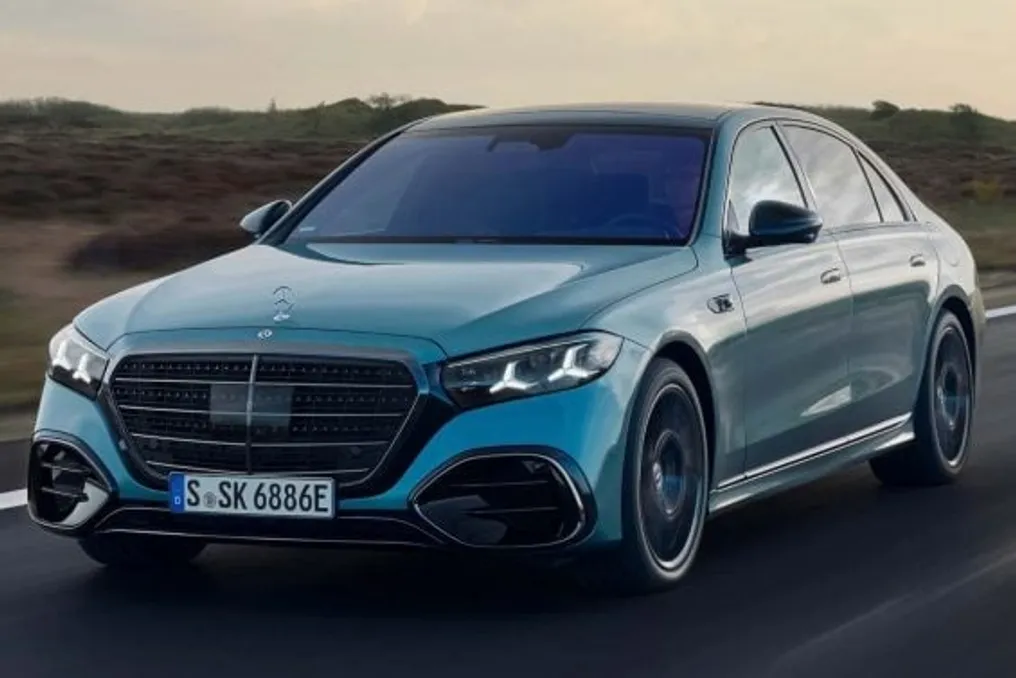
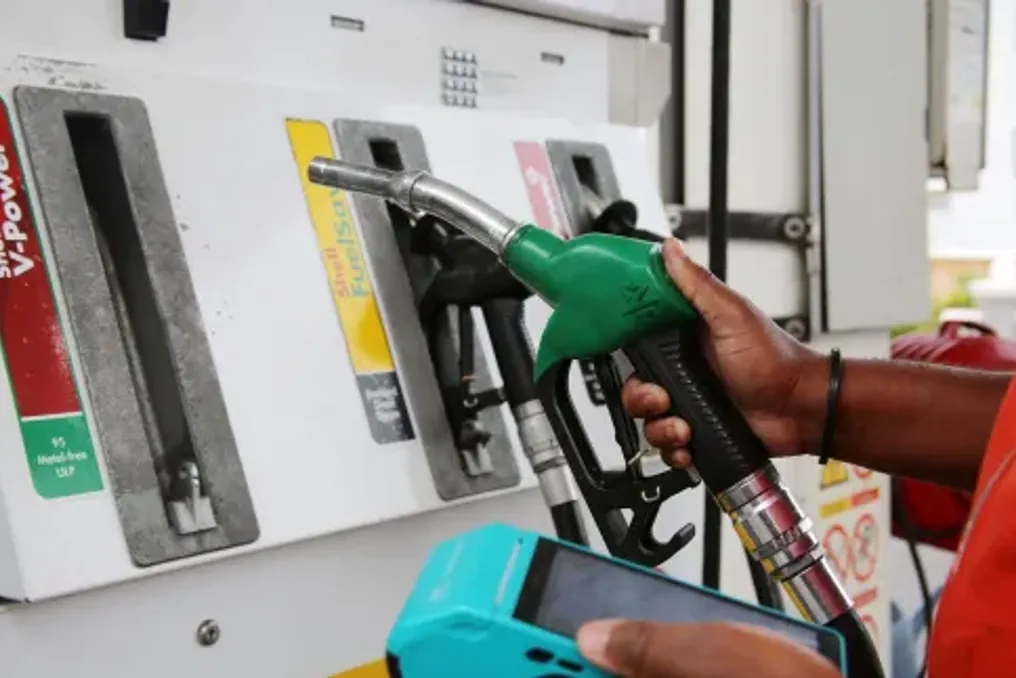
High fuel prices force drivers to reduce speed and change driving habits
Read more
IOL
iol.co.za

High fuel prices force drivers to reduce speed and change driving habits

While driving home on the N3 highway, the author, a pensioner, observed many cars overtaking him, who was traveling at a speed of 80 to 100 km/h. He was not in a hurry because only his weekly cleaner awaited him at home.

The author recalled his youth when he loved fast cars with six-cylinder engines and used to drive at full throttle. Now, as a pensioner, he prefers simply enjoying the ride and no longer pays attention to large engines, being satisfied with a 1.0 or 1.2-liter car that will get him there on time.

However, during the journey, he noticed that smaller cars were overtaking large German cars on the highway, which made him wonder about the reasons for these changes.

The question arises whether the high cost of gasoline is forcing drivers with large engines to adopt more economical driving habits, or if some are giving up large cars in favor of smaller, more economical hatchbacks?

There is also the thought that the exorbitant price of fuel might finally teach drivers to obey traffic rules, adhere to speed limits, and yield to vehicles approaching from behind at higher speeds.

The author admits that part of this situation is related to a 'polarizing person in Washington,' whose irrational actions contributed to the rise in fuel prices. He expresses a desire for gasoline prices to drop, as rising fuel costs affect not only drivers but also have a chain reaction on the cost of many goods and raw materials.

In the end, he arrived home and had dinner of expensive bread, expensive cheese, and an expensive tomato, washing it all down with a cup of expensive tea. Although he would like to eat bacon with eggs, these products have become a luxury unavailable to him as a pensioner. The author hopes that prices will fall someday, allowing him to afford them again. For now, he will continue to travel calmly in his small car, leaving the need for speed to the younger generation.

Similar stories

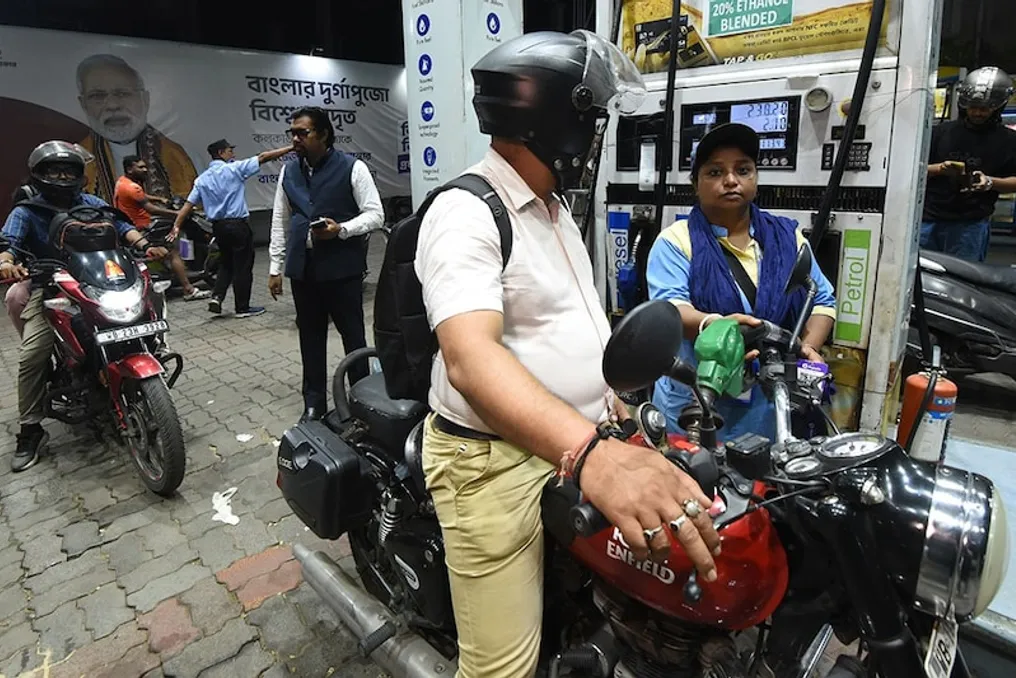
Expert warns of potential rise in gasoline and diesel prices after Diwali due to global oil prices
Read more
www.aajtak.in

Expert warns of potential rise in gasoline and diesel prices after Diwali due to global oil prices

Gasoline and diesel prices in India may increase after the Diwali festival as rising global crude oil prices increase the burden on the government and state-owned oil refining companies. Energy expert Narendra Tanedge told Business Today TV that changes in domestic fuel prices could occur between Diwali and Christmas.

He warned that people cannot remain unaffected by growing global energy tensions. The rise in global prices will inevitably affect India, which could lead to an increase in the cost of gasoline and diesel fuel.

Tanedge added that a fuel price hike after Diwali and before Christmas is expected, noting that it will be extremely difficult for the government and oil companies to constantly cope with rising prices. Currently, Indian oil companies are under pressure due to high oil prices.

This pressure exceeds the headlines of crude oil prices. According to an Axis Bank Research report from October 23, the price of Brent Crude rose above $110 per barrel, and Dated Brent reached $140. Tanedge explained that the actual price paid by Indian refineries could be significantly higher than the stated market price due to increased costs for freight, marine insurance, and tanker crew wages.

He specified that when considering the landed price, it could be at least $20 higher than this base price, depending on the company and region. For India, additional costs could amount to about $25–$27 per barrel, depending on the source of raw materials and the refinery.

The average price of the Indian crude oil basket from October to October 26 rose by approximately 4% month-on-month, reaching $120.46 per barrel, the highest monthly average since March 2012. This increase occurred amid heightened tensions in the Middle East, leading to increased geopolitical uncertainty, marine insurance premiums, and freight rates. By October 26, the price of the Indian crude oil basket reached $123.72 per barrel.

Meanwhile, in 2026, global crude oil prices have risen by almost 80%; on Tuesday evening, Brent traded at $114.6 per barrel, WTI at $100.9, and Murban at $117.7. Increased transportation costs, marine insurance premiums, and geopolitical tensions in the Middle East have further increased the cost of crude oil imports.

The central government, state governments, state-owned oil refining companies, and the Reserve Bank of India are jointly bearing the brunt of the oil crisis. Axis Bank Research suggested in its October 23 report that this support would amount to 1.7% of GDP, based on an assumed average crude oil price of $100 per barrel; furthermore, every $10 increase in retail fuel prices increases the burden on GDP by 20 basis points. From April to September, India's crude oil imports grew by 46.3% year-on-year, reaching $90.6 billion.

Tanedge cautioned that the government and oil companies cannot indefinitely shield consumers from financial strain. He also emphasized the need to invest in foreign oil and gas assets to diversify crude oil supplies and ensure long-term supply for India.

Axis Bank Research forecasts that fiscal measures, such as increased duties and economic stabilization funds, could free up the equivalent of 0.6% of GDP, helping to limit the central government's financial decline by 20–30 basis points in the 2027 fiscal year. However, maintaining high crude oil prices in the long term may shift the majority of costs onto consumers.

Mercedes-Benz questions popularity of electric cars with gasoline generator
Read more
autopapo.com.br

Mercedes-Benz questions popularity of electric cars with gasoline generator

Mercedes-Benz stated that it does not plan to adopt the trend of electric vehicles equipped with range extenders. In a conversation with the American portal Motor1, Christoph Starzynski, Vice President of Strategy and Product Direction for the German manufacturer, declared that he does not see demand for this technology among its customers.

According to Starzynski, Mercedes' plug-in hybrid models, which can be charged externally, already meet users' daily needs. These vehicles can travel more than 100 kilometers using only electricity, with some examples sold in Europe reaching up to 124 km.

Additionally, these hybrids support fast DC charging, allowing energy replenishment during longer stops, and keep the combustion engine available for use on longer trips.

In electric cars with a range extender, designated as EREV or REEV, locomotion is performed exclusively by the electric motor. The internal combustion engine acts solely as a generator, responsible for recharging the battery when the charge level decreases.

In contrast, in the case of the plug-in hybrid, the combustion engine also has the capacity to drive the wheels. For this reason, EREV models tend to cover greater distances in purely electric mode.

This technology gained relevance in the United States, a country where a portion of consumers has been replacing fully electric vehicles with hybrid models. Despite this, Starzynski expresses skepticism about whether increasing the electric range from approximately 97 km to 322 km will be enough to convince the Mercedes consumer to switch vehicles.

For those seeking greater range without depending on fossil fuels, he suggests 100% electric models, assessing that these require a range between 450 km and 644 km to be considered satisfactory.

Mercedes has already investigated this possibility. In 2024, the British magazine Autocar reported that the automaker had developed prototypes of the EQS, a luxury electric sedan, equipped with a 1.0-liter two-cylinder engine functioning as a generator. However, this project was discontinued after the company concluded that the range extender represented a transient technology, offering only short-term sales gains at the expense of a high manufacturing cost.

In the Brazilian market, this solution is already available: Leapmotor, a Chinese brand belonging to Stellantis, sells the C10 and B10 SUVs with a range extender. Previously, the BMW i3 also had a version with this type of system in the country.

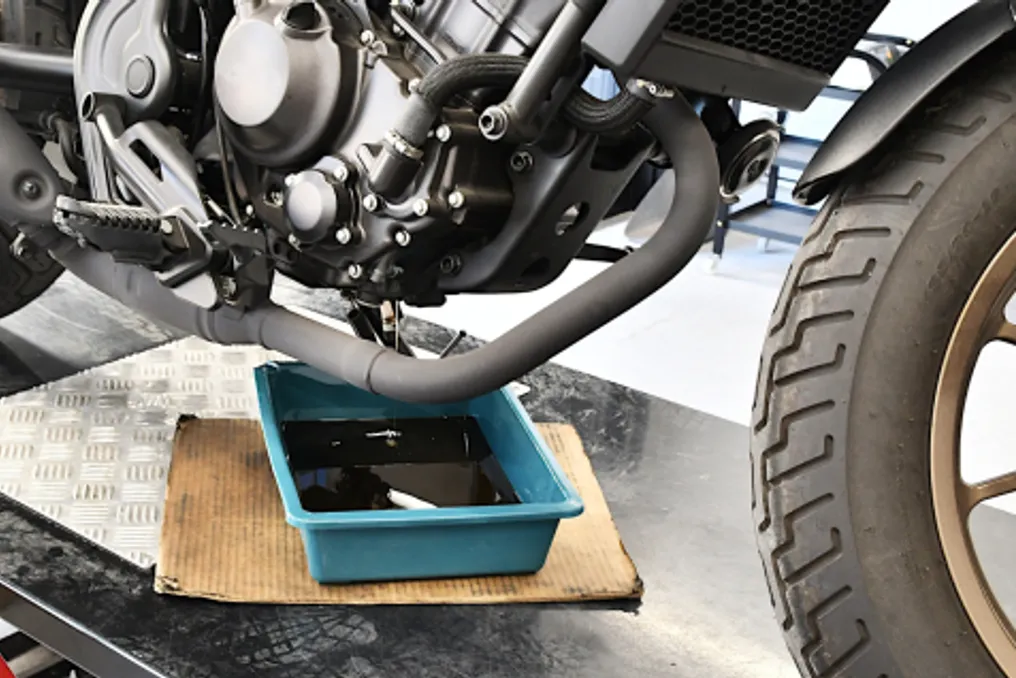
Changing motorcycle oil every 1,000 km might be a financial waste, says specialist
Read more
autopapo.com.br

Changing motorcycle oil every 1,000 km might be a financial waste, says specialist

The ideal mileage for changing motorcycle oil has changed significantly due to advances in engineering and lubricants themselves. Previously, it was common to change it every 1,000 or 1,500 km, but today, most models require intervals of 5,000, 6,000 km, or even 12,000 km.

However, for professionals who use the motorcycle intensively, such as delivery riders and motorcycle taxi drivers, the situation may require a review of the schedule. For these users, the suggestion is to reduce the interval stipulated by the manufacturer in half. On many smaller motorcycles, this translates to a change every 2,500 to 3,000 km, or every six months.

Other maintenance considerations

Oil replacement is considered the most crucial preventive maintenance for preserving the engine, as the lubricant reduces friction between parts and aids in cooling, losing its properties with use. However, it is essential not to confuse a shorter period with superior care. The central issue is determining the correct change frequency for the delivery person.

The concept of severe use refers to operating conditions that exceed the standard considered by the manufacturer when calculating the maintenance interval. This includes driving long distances, frequently operating at high speeds (high engine RPM), facing heavy traffic in large cities, or riding on very dirty roads where dust can contaminate the lubricant.

The typical routine of those who make deliveries fits perfectly into this severe use: hundreds of kilometers daily, long periods of idling in traffic jams, and constant acceleration and braking, generating a heating and cooling cycle that accelerates wear. None of these situations is covered in the average calculation of the manual, justifying the need to anticipate maintenance.

The exact number of starts must always be consulted in the owner's manual and never based on workshop opinions. Currently, most smaller motorcycles recommend 5,000 or 6,000 km, while larger models can exceed 10,000 km. Additionally, there is a time limit of one year, regardless of the distance traveled.

When applying the severe use guideline, the change interval is halved. Thus, a motorcycle that indicates 6,000 km now requires changing every 3,000 km, not every 1,000 km. This difference is substantial: someone who follows the myth performs three changes where only one would be sufficient, even under heavy use.

Those who insist on changing every 1,000 km, although they do not face mechanical problems, are incurring unnecessary expenses. On the other hand, another user profile may be surprised: someone who uses the motorcycle only for short trips, two or three kilometers. This is also considered severe use, but for the opposite reason: the engine never reaches the ideal temperature and operates constantly cold.

For this second profile, the same rule applies, but based on time, not mileage. If the motorcycle does not accumulate many kilometers, the limit that expires first is the established period, which is six months, corresponding to half the period planned for normal use.

Origin of the 1,000 km myth

There is a legitimate 1,000 km interval, and this is where the confusion arises. The first oil change, known as the break-in change, should occur within the first 1,000 km. At this time, the new engine releases residues from the seating of the parts, and this oil needs to be replaced.

After this first change, the interval changes. An example is the Honda 160 line, which indicates the first replacement at 1,000 km and subsequently every 6,000 km.

This 'myth' of changing oil every 1,000 km has a real origin. Older motorcycles, such as carbureted Honda CG 125s from past decades, required changes every 1,500 km and used mineral lubricants. More than twenty years later, there were changes in engines, with more precise fittings due to modern machining and assembly processes, and, above all, there was a change in the type of oil used. Today, manufacturers demand synthetic or, at least, semi-synthetic lubricants.

Lubrax, like other lubricant manufacturers, clarifies the distinction between types: mineral oils are derived from separating petroleum components, being a mixture of various compounds. Synthetic oils are created through chemical reactions, ensuring greater control in their production and resulting in a purer product. Semi-synthetic oils combine mineral and synthetic bases in varying proportions, seeking to balance costs and achieve the best characteristics of both types, given that synthetic raw materials are expensive.

Fewer impurities mean longer service life. This is why the change interval migrated from the thousand-kilometer range to 5,000 or 6,000 km, and this is why halving this period is already enough to cover heavy use.

It is crucial to maintain the manufacturer's specification when choosing the lubricant, as using fluid from another vehicle or with inadequate viscosity can cause engine damage. Extending the change interval does not exempt the driver from replacing other components specified in the manual, such as the oil filter and air filter, which represents minimal savings.

Additionally, the oil level must be checked frequently, ideally daily for those who use the motorcycle professionally. It is normal to have a small reduction in level due to moderate burning; in this case, it should be topped up to the correct mark without waiting for the change. If the loss is excessive, it indicates a mechanical problem. It is also necessary to observe the condition of the lubricant: darkening is normal, but if it becomes visibly more viscous than usual and shows embedded dirt, the recommendation is to change it immediately and investigate the cause of the problem in the engine.
Popular