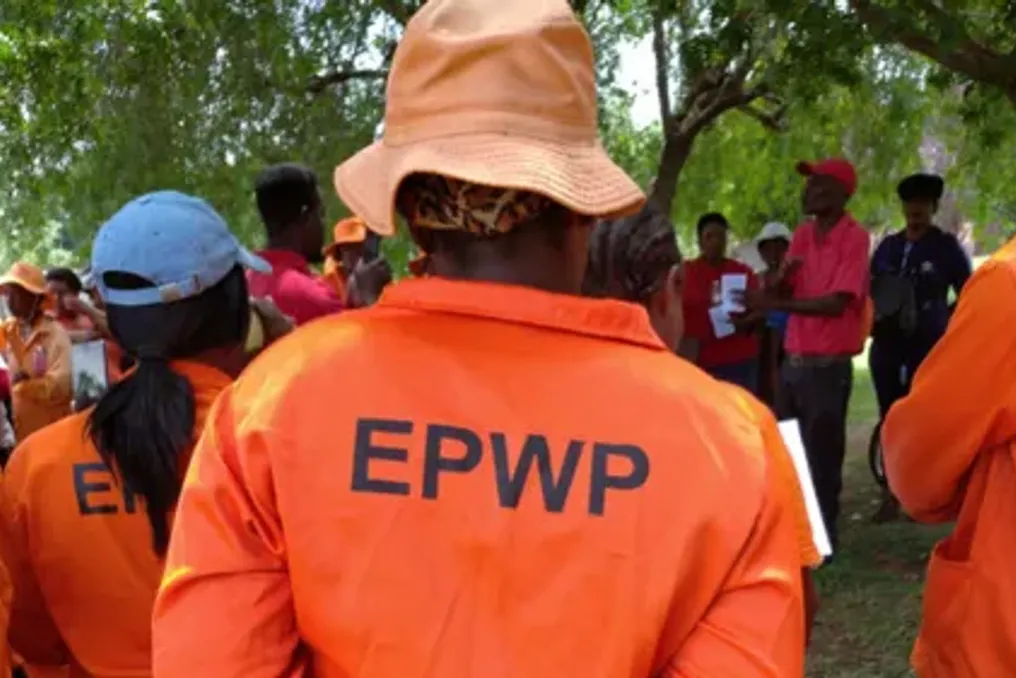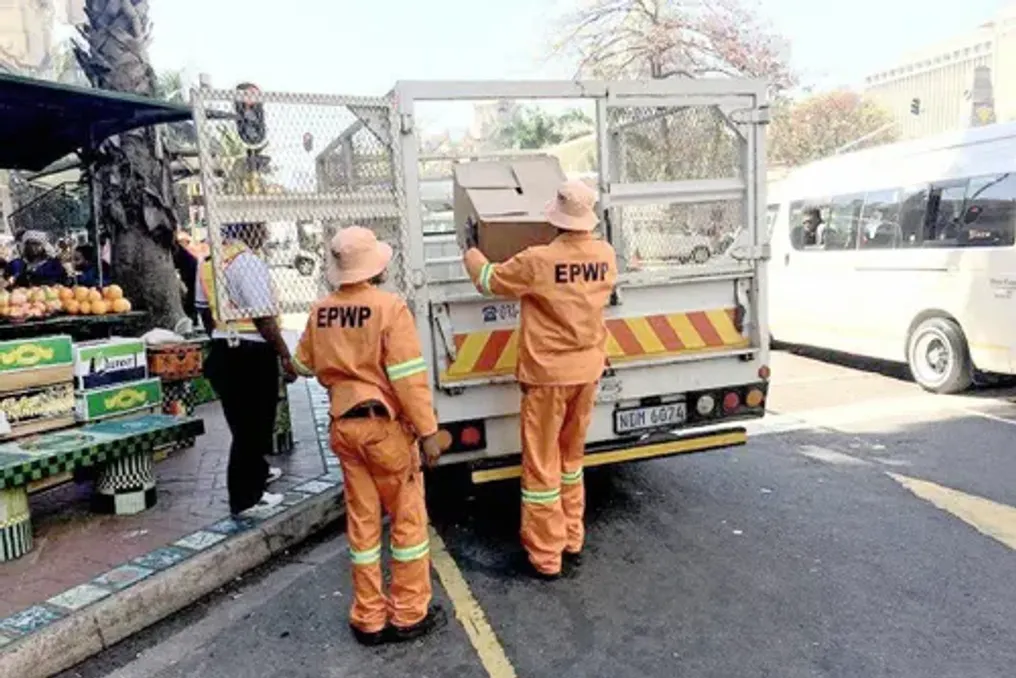
The City of Cape Town attributed the six-week delay in payments to 34 employees of the Expanded Public Works Programme (EPWP) to administrative errors and incorrect bank details. However, both the workers and a community activist rejected this explanation, accusing officials of trying to shift responsibility instead of admitting their mistakes.
Workers engaged in the City's Parks and Recreation Department pool project in the Hanover Park, Mitchells Plain, and Manenberg areas did not receive their wages for six weeks, forcing their families to take out loans to cover basic needs.
Following media inquiries, the City confirmed that 34 participants were affected: 33 were due their first payment on October 10th, and one on October 24th.
Workers dispute the City's explanation
The City stated that all overdue wages would be credited to the workers' bank accounts by Friday, October 30, 2026. The Parks and Recreation Department expressed deep regret over the difficulties faced by EPWP staff and treated the matter with the utmost seriousness.
The delays were cited as being caused by incomplete or unclear identification information, erroneous bank details provided by applicants, and data upload errors. Nevertheless, community activist Yumna Alexander, who was assisting the affected workers, firmly refuted the City's version, insisting that discrepancies in identification and banking information had been resolved earlier.
Activist raises questions about accountability
Alexander questioned how such payment issues could affect workers across five different pools, arguing that the situation pointed to a broader administrative failure. She emphasized that there is documentary evidence because the issue concerns five different pools, not just one.
One of the affected workers also did not accept the City's explanation, noting that it was hard to believe that incorrect personal data caused the delays, as such inconsistencies should have been identified during the initial registration phase. The worker explained that participants were required to provide certified copies of identification documents and certified bank details before being entered into the City's database.
He asked why the alleged discrepancies were not noted and rectified before the workers started, but were raised weeks after the payments were already overdue. Alexander accused the municipality of portraying the workers as incompetent instead of taking responsibility. She urged: 'If you made a mistake, admit it, be honest.'
The activist added that the workers were repeatedly informed of different payment dates, yet the money never arrived. Previously, Alexander clarified that the workers earn 145 rand per day and were forced to borrow money for necessities such as bread, milk, and diapers.
City denies financial mismanagement
Meanwhile, the City insisted that the necessary funds were available and denied allegations of financial mismanagement. The department confirmed that there was no financial mismanagement in this matter.
In response to claims that worker complaints went unanswered, the department apologized for any lack of communication, stating that an immediate response was given as soon as the issue was officially received by the EPWP Unit. It was confirmed that the electronic fund transfer process had been initiated, and internal escalation procedures would be reviewed to ensure complaints reached senior management faster.
Alexander questioned how the municipality could celebrate clean audits while workers providing community services struggled to receive their wages. She insisted that her intervention was not politically motivated but was a matter of humanity.